
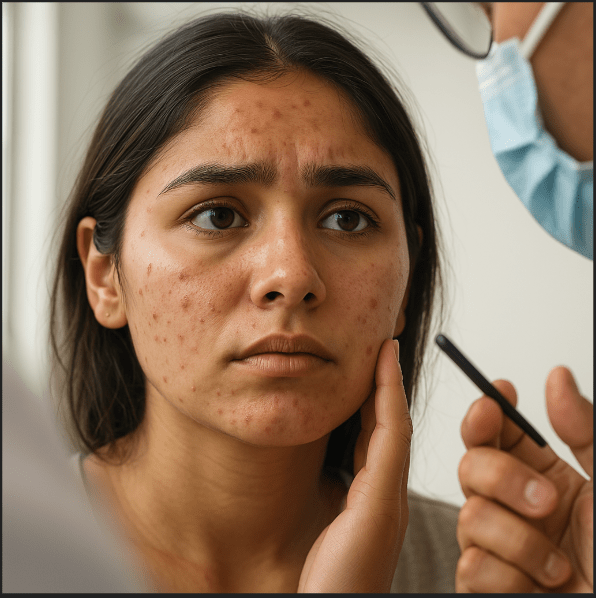
Acne is a common skin condition that occurs when pores become clogged with oil, dead skin cells, or bacteria. It affects people of all ages but is especially prevalent among teenagers and adults due to hormonal fluctuations, lifestyle habits, and environmental stressors. Acne may present as whiteheads, blackheads, papules, pustules, or cysts and can lead to scarring if not managed properly. The good news? With the right skincare routine and ingredients, acne can be effectively treated and prevented.
This dermatologist-backed and influencer-tested routine is designed to work for all skin types—whether dry, oily, combination, or sensitive. Consistency and the right actives are key to achieving clear, healthy skin.
Morning (AM) Routine for Acne-Prone Skin (All Skin Types)
- Cleanser
Start your day with a gentle, pH-balanced cleanser that suits your skin type.
- For oily or acne-prone skin: Salicylic Acid (deep pore exfoliation)
- For dry or sensitive skin: Lactic Acid or Green Tea Extract (soothing and mild exfoliation)
- Hydrating Toner (Optional)
Helps rebalance skin and prep it for treatments. Look for:
- Niacinamide (reduces inflammation and regulates oil)
- Rose Water or Centella Asiatica (for calming sensitive skin)
- Treatment Serum
Use a lightweight serum to treat acne and strengthen skin barrier. Choose based on skin type:
- All types: Niacinamide, Azelaic Acid
- Oily skin: Zinc PCA, Willow Bark Extract
- Dry skin: Panthenol, Beta-Glucan
- Moisturizer
Hydration is critical to keep your barrier intact. Select accordingly:
- Oily skin: Gel-based, oil-free moisturizer with Hyaluronic Acid
- Dry skin: Cream-based with Ceramides and Glycerin
- Combination: Balancing formula with Squalane
- Sunscreen (Non-Negotiable)
Protects against UV damage and post-acne marks. Look for:
- Zinc Oxide or Titanium Dioxide (mineral SPF for sensitive or acne-prone skin)
- Broad-spectrum, non-comedogenic, SPF 30+
Evening (PM) Routine for Acne-Prone Skin (All Skin Types)
- Double Cleansing (if wearing SPF/makeup)
Start with a gentle oil cleanser to break down sunscreen and makeup, followed by a water-based cleanser suited to your skin type. - Exfoliating Toner (2-3x/week)
Sloughs off dead skin and prevents clogged pores. Choose based on tolerance:
- Glycolic Acid or Mandelic Acid (AHA for surface exfoliation)
- Salicylic Acid (BHA for oily, acne-prone skin)
- Targeted Treatment or Serum
Use ingredients that prevent acne and fade scars:
- All types: Niacinamide, Azelaic Acid
- Severe acne: Retinol or Retinaldehyde (cell turnover)
- Inflamed acne: Tea Tree Oil, Centella Asiatica
- Spot Treatment (if needed)
Use only on active pimples:
- Benzoyl Peroxide (anti-bacterial)
- Sulfur (absorbs oil, calms inflammation)
- Barrier Repair Moisturizer
Especially important when using strong actives:
- Ceramides, Squalane, Panthenol
- Madecassoside or Allantoin (soothing and healing)
Tips to Prevent Future Breakouts (All Skin Types)
- Avoid touching your face or popping pimples
- Wash pillowcases and face towels frequently
- Use clean hands and tools for skincare/makeup
- Manage stress through regular sleep and exercise
- Eat a balanced diet low in sugar and dairy (if sensitive)
- Stick to a consistent routine for at least 6–8 weeks to see visible results

With patience and the right approach, acne can be managed for all skin types. Focus on ingredients over products, stay consistent, and avoid harsh treatments that can worsen inflammation. A clear complexion starts with a thoughtful, gentle, and ingredient-focused routine.
 bdazlai - blog
Leave a comment