
If you’ve ever Googled “best anti-aging ingredient”, “how to treat acne with retinol”, or “retinol for beginners”, chances are you’ve seen the name Retinol pop up again and again. It’s not just another trendy skincare ingredient—Retinol is the gold-standard when it comes to anti-aging, acne control, skin texture improvement, and even scalp care.
But before you dive into using it, let’s take a deep (but friendly!) look at what retinol is, how it works, the many forms it comes in, who should use it (and who shouldn’t), and how to create a safe, effective skincare (and haircare) routine around it.
✨ What is Retinol and Why Is Everyone Obsessed With It?
Retinol is a form of vitamin A, and part of a larger family of compounds called retinoids. It’s fat-soluble, which helps it get deep into your skin where the real magic happens. Unlike prescription retinoids like tretinoin, which are already active, retinol needs to be converted in your skin through a two-step process into retinoic acid—the active form that boosts cell turnover, collagen, and clarity.
🔬 Retinoid Family Tree: Understanding the Derivatives
There’s more than one kind of retinoid out there. Here’s a quick cheat sheet:
🧴 Natural Retinoids (OTC + Prescription)
- Retinol – Most common OTC form, effective and accessible
- Retinaldehyde – Stronger than retinol, less irritating than prescription
- Retinoic Acid (Tretinoin) – Most potent, prescription-only
🧪 Synthetic Retinoids
- Adapalene – Great for acne, OTC and Rx versions available
- Tazarotene – Strongest, used for acne & psoriasis, Rx only
- Trifarotene – Newest, targets specific skin receptors, Rx only
💧 Retinyl Esters (Mildest)
- Retinyl Palmitate, Acetate, Propionate – Great for beginners or sensitive skin
Each version has a different strength and conversion path. The more steps it takes to convert to retinoic acid, the gentler (but slower) the results.
🧠 How Retinol Actually Works
Retinol binds to special receptors (RARs and RXRs) in your skin that control how skin cells grow, shed, and function. Once activated, it triggers a few amazing things:
- 🚀 Speeds up cell turnover (bye-bye, dullness)
- 💪 Boosts collagen and elastin (hello, plumpness)
- 🎯 Reduces pigmentation by regulating melanin transfer
- 🧽 Clears pores and reduces acne formation
- 🔥 Reduces inflammation in acne and other conditions
This explains why retinol is loved for treating fine lines, acne, uneven skin tone, enlarged pores, keratosis pilaris, and even psoriasis.
🌈 Benefits of Retinol in Skincare
Let’s break it down by concern:
👵 Anti-Aging (Fine Lines, Wrinkles, Elasticity)
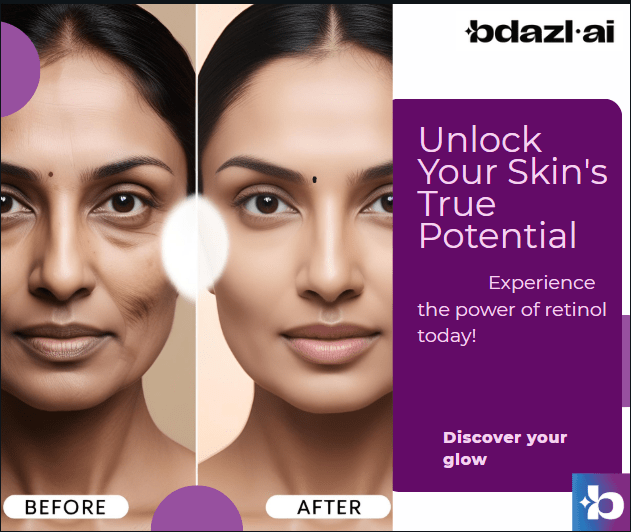
Even low doses (like 0.025%) can start reducing wrinkles in 12 weeks. Regular use boosts firmness, smoothness, and glow over time.
🔥 Acne and Breakouts
Retinol prevents clogged pores and calms inflammation. Adapalene is especially great for acne-prone skin and is gentle enough for long-term use.
☀️ Hyperpigmentation & Uneven Tone
It fades dark spots by speeding up skin renewal and reducing melanin transfer. Works beautifully with vitamin C, niacinamide, and alpha arbutin.
🌾 Texture, Pores, and Glow
If your skin looks dull or feels bumpy, retinol gently exfoliates and smooths things out—leading to refined pores and radiant skin.
🪶 Extra Wins
- Keratosis Pilaris (chicken skin)
- Stretch marks and scars
- Rosacea (only in certain types—use cautiously!)
🧴 Retinoids in Haircare: Yes, It’s a Thing!
Retinoids can also benefit your scalp and hair by:
- Reducing dandruff
- Improving folliculitis or scalp acne
- Supporting hair growth when used with minoxidil
- Gently exfoliating product and oil buildup from your scalp
These are typically found in scalp serums, pre-shampoo masks, and leave-ins. Always go for lower concentrations (0.01–0.05%) and avoid daily use unless your derm recommends it.
⚖️ Which Retinoid Is Right For You?
| Retinoid | Strength | Best For | Notes |
|---|---|---|---|
| Retinol | Moderate | Aging, acne, dullness | Widely available |
| Retinaldehyde (Retinal) | Stronger | Acne + tone | Less irritation than Rx |
| Tretinoin | Very strong | Deep wrinkles, scars | Rx only |
| Adapalene | Gentle + acne-focused | Acne-prone skin | OTC and stable |
| Tazarotene | Very strong | Psoriasis, sun damage | Rx only |
| Retinyl Palmitate | Very mild | Beginners, sensitive skin | Slow results |
🚫 Who Should Not Use Retinol?
- ❌ Pregnant or breastfeeding women
- ❌ Kids under 12 (unless prescribed)
- ❌ Very sensitive skin or eczema (unless dermatologist approves)
- ❌ People planning heavy sun exposure
🧼 How to Use Retinol (Without Wrecking Your Barrier)
✅ DO:
- Start slow: 1–2x/week
- Use at night
- Apply to dry skin
- Moisturize after (or use the “sandwich method”)
- Wear SPF every single day
- Wait 20–30 mins after washing to apply
- Use a pea-sized amount only
❌ DON’T:
- Use with AHAs/BHAs on the same day
- Mix with benzoyl peroxide or high-strength vitamin C
- Overuse or layer with multiple retinoids
- Use during chemical peels or when sunburned
💡 What Ingredients Work Well with Retinol?
| Type | Ingredients |
|---|---|
| 💧Hydration | Hyaluronic Acid, Glycerin, Squalane, Ceramides |
| 🌿 Soothing | Niacinamide, Panthenol, Cica, Aloe Vera |
| ⚡ Antioxidants | Resveratrol, Vitamin E, Ferulic Acid, CoQ10 |
| 🔬 Support | Peptides, Growth Factors, Plant Stem Cells |
🧪 Ingredients to Avoid with Retinol
- AHAs (Glycolic, Lactic Acid)
- BHAs (Salicylic Acid)
- L-Ascorbic Acid (use AM instead)
- Benzoyl Peroxide
- Essential Oils & Fragrance (irritating)
- Alcohol & Sulfates
🧴 Sample Skincare Routine Using Retinol
Morning
- Gentle Cleanser
- Vitamin C Serum
- Hyaluronic Acid
- Moisturizer
- Sunscreen (mandatory!)
Evening
- Cleanser
- (Optional) Hydrating toner
- Retinol (pea-sized, on dry skin)
- Moisturizer
- (Optional) Occlusive balm
Patch testing: Always recommend patch testing a new retinol product on a small, inconspicuous area of skin before applying it to the entire face.
Patience is key: Emphasize that results with retinol are gradual and consistency is crucial. It can take several weeks or months to see noticeable improvements.
Proper storage: Advise on storing retinol products away from direct sunlight and heat to maintain their efficacy. Layering techniques: Briefly mention the “sandwich method” (moisturizer -> retinol -> moisturizer) for buffering potential irritation.
Consult a dermatologist: Encourage individuals with pre-existing skin conditions or concerns about using retinol to consult a dermatologist for personalized advice.
Pro Tip: Alternate nights with exfoliants or recovery nights for barrier repair.
 bdazlai - blog
Leave a comment