Author: bdazlai – Make it personal.

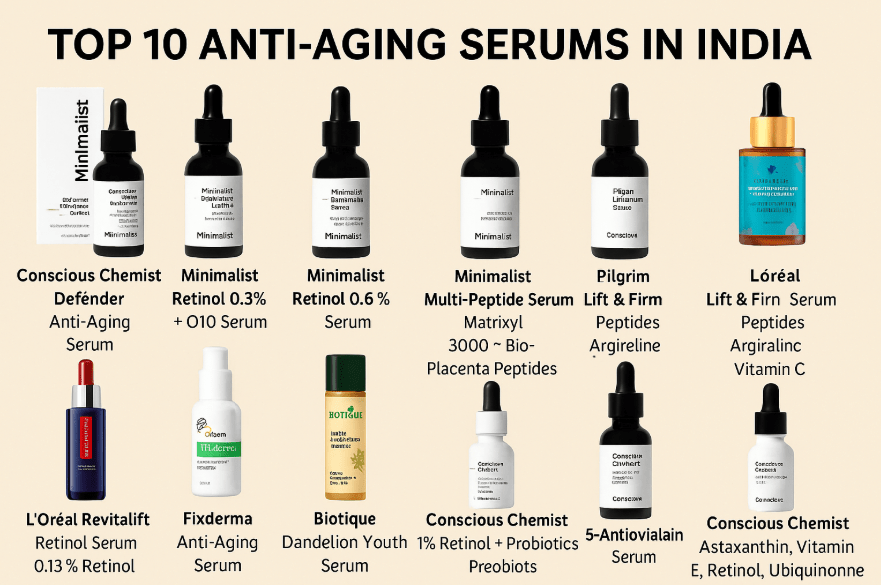
  • Top 10 Best Anti-Aging Serums in India (2025): Ingredients Checked and Skin-Type Matched

    Looking for the best anti-aging serum in India that really works? Whether you’re dealing with fine lines, wrinkles, sagging, or dull skin, choosing the right serum for your skin type, climate, and sensitivity is crucial. We analyzed the top 10 anti-aging serums in India using bdazlai’s ingredient checker — a tool that screens for effective actives and red-flag ingredients like alcohol, BHT, fragrance, and comedogenic oils.

    Let’s decode which anti-aging serum is best for your skin type — with expert recommendations and safe picks for sensitive skin, retinol beginners, and mature skin.


    🥇 Top 10 Anti-Aging Serums in India (2025 Edition)

    #Product NameKey IngredientsAvoid IngredientsSkin TypeBest For Climate
    1Conscious Chemist Defender SerumRetinol (Encapsulated), Copper PeptidesAlcohol, BHT, PhenoxyethanolNormal to Oily, Mature SkinAll Climates
    2Minimalist Retinol 0.3% + Q100.3% Retinol, CoQ10, Bakuchiol, CeramidesBHTNormal to Oily, BeginnersCool or Dry Weather
    3Minimalist Retinol 0.6%0.6% Retinol, CoQ10, Rosehip OilRosehip Oil (comedogenic)Dry to Normal, Not Acne-ProneCool/Dry
    4Minimalist Multi-PeptideMatrixyl 3000, Bio-Placenta PeptidesAll Skin TypesYear-Round
    5Pilgrim Lift & FirmPeptides, Argireline, Vitamin COily to Combo SkinHumid / Monsoon
    6L’Oréal Revitalift Retinol0.13% Retinol, Vitamin B5FragranceAll Except SensitiveAll Year
    7Fixderma Anti-AgingGrowth Factors, PeptidesDry/Mature SkinAll Seasons
    8Biotique Dandelion YouthBotanical Extracts, Vitamin CEssential Oils (Sensitizers)Normal to DryMild Weather
    9Conscious Chemist 1% RetinolHigh Strength Retinol, ProbioticsHigh Retinol = Irritant RiskRetinol-Experienced SkinNight Use
    10Conscious Chemist 5-AntioxidantAstaxanthin, Vit C, Ubiquinone, RetinolRetinol + Vit C (irritation combo)Normal to MatureAll with Moisturizer

    ⚠️ Notable Ingredients to Avoid (Based on bdazlai’s Checker)

    • Alcohol – Found in Defender Serum. Drying in low humidity.
    • BHT – A preservative flagged for long-term hormonal disruption.
    • Phenoxyethanol – Low-risk, but caution for sensitive users.
    • Fragrance – Common allergen; found in L’Oréal Revitalift.
    • Rosehip Oil – Can clog pores in acne-prone skin.
    • Botanical Extracts – In Biotique; patch test if sensitive.

    🧬 Which Anti-Aging Serum Is Best for You?

    Skin Type / ConcernRecommended Serums
    Dry or Mature SkinFixderma, Minimalist 0.3% Q10
    Retinol BeginnersMinimalist 0.3%, L’Oréal Revitalift
    Experienced Retinol UsersMinimalist 0.6%, Conscious Chemist 1%
    Oily/Combination Skin in Humid ClimatePilgrim Lift & Firm Serum
    Sensitive Skin / Herbal LoversBiotique (with patch test)
    Pregnancy-Safe (non-retinol)Minimalist Multi-Peptide, Pilgrim

    🧴 How to Use Anti-Aging Serums for Best Results

    • Start slow with retinol: Use 2–3 times/week at night and increase gradually.
    • Avoid layering with Vitamin C if using retinol at the same time.
    • Always apply SPF in the morning when using actives like retinol, peptides, or Vitamin C.
    • Moisturize generously: Look for ceramides, hyaluronic acid, or glycerin.
    • Patch test any formula with alcohol, fragrance, or essential oils.

    🧠 Final Thoughts

    The best anti-aging serum for Indian skin depends on your skin type, tolerance for actives, and climate. With transparent ingredient screening by bdazlai and usage recommendations tailored to Indian conditions, you can now confidently choose a serum that works hard without harming your skin barrier.

  • The Rise of Skinification: Why Your Haircare Routine Just Got a Major Upgrade

    For years, our haircare routines focused almost exclusively on the strands themselves – moisturizing dry ends, smoothing frizz, or adding shine. The scalp was merely the forgotten foundation, often treated as an afterthought. But a revolutionary shift is underway in the beauty industry: a paradigm known as the “skinification of haircare.”

    This isn’t just a fleeting trend; it’s a science-backed revolution that’s redefining how we approach hair health. It emphasizes a scalp-first, science-led routine and a move toward pro-grade heatless styling, promising not just beautiful hair, but truly healthy hair from the root up.


    Think about it: your scalp is an extension of the skin on your face. It has pores, oil glands, sweat glands, and a delicate microbiome. Yet, we rarely treat it with the same diligence as our facial skin. The skinification movement recognizes that a healthy scalp is the absolute bedrock for healthy hair growth.

    Why the Scalp Matters:

    • The Root of All Hair: Hair follicles are embedded in the scalp. Imbalances and inflammation directly affect hair growth and quality.
    • Living Tissue: Unlike hair strands, the scalp is living and needs nourishment.
    • Common Concerns: Dryness, oiliness, irritation, and hair thinning all mirror facial skin issues.

    How to Adopt a Scalp-First Routine:

    • Cleansing: Use sulfate-free, micellar shampoos to clear buildup and pollution.
    • Exfoliation: Physical or chemical (salicylic acid) exfoliation to unclog follicles.
    • Targeted Treatments: Serums with hyaluronic acid, niacinamide, peptides, salicylic acid, and probiotics.
    • Scalp Protection: Defend against UV rays and environmental stressors.

    Gone are the days when haircare was just about hydration and shine. Now, it’s about real results backed by research. Skinification brings active skincare ingredients to your hair routine.

    Key Active Ingredients:

    • Hyaluronic Acid: Hydrates scalp and strands.
    • Niacinamide (Vitamin B3): Regulates oil, strengthens the barrier, and calms inflammation.
    • Salicylic Acid: Exfoliates and treats dandruff and oiliness.
    • Caffeine: Stimulates follicles and supports hair growth.
    • Peptides: Boost elasticity and strengthen strands.
    • Ceramides: Seal cuticles, reduce moisture loss.
    • Antioxidants (Vitamin C, E, Green Tea): Combat environmental damage.
    • Pre-/Probiotics: Maintain a balanced scalp microbiome.

    Integration Tips: Look for these in hair serums, scalp masks, pre-shampoo treatments, and conditioners. Apply directly to the scalp and let them absorb fully.


    Heat tools can undo all your hair health efforts. Enter heatless styling — a gentler, more effective way to achieve stunning results.

    Tools and Techniques:

    • Advanced Leave-ins: With bond-repair tech to reduce frizz and damage.
    • Smart Styling Tools: Silk rollers, satin scrunchies, flexi-rods.
    • Texture-Enhancers: Lightweight mousses, texturizing sprays.
    • Bond Repair Treatments: Rebuild disulfide bonds (e.g., Olaplex-style).

    Styling Tips:

    • Begin with damp, clean hair.
    • Use silk/satin accessories.
    • Allow overnight drying.
    • Divide hair into sections for better shape.

    The Unstoppable Benefits of Skinification

    • Treats Root Causes: Improves hair health from the scalp level.
    • Reduces Damage: Minimizes breakage and frizz.
    • Supports Growth: Creates ideal conditions for follicles.
    • Customizes Care: Routines are tailored to your unique scalp and hair needs.

    The skinification of haircare represents a profound evolution—from superficial shine to genuine, lasting health. With a focus on scalp care, smart actives, and damage-free styling, you’re not just managing hair but transforming it from the roots up.


    SEO Keywords:
    Skinification of haircare, scalp health, scalp care routine, healthy hair growth, active ingredients haircare, science-backed haircare, heatless styling, hair damage repair, hair growth serums, dandruff treatment, oily scalp treatment, dry scalp remedies, hyaluronic acid for hair, niacinamide for scalp, salicylic acid scalp, caffeine for hair, peptides for hair, ceramides hair, antioxidants hair, hair bonding treatments, silk heatless curls, hair health, hair concerns, hair routine, pro-grade hair styling, hair cuticle repair, environmental hair damage, hair aging, hair care tips, scalp microbiome, personalized hair routine

    Hashtags:
    #Skinification #ScalpCare #HealthyHair #HairRoutine #ScalpHealth #HairGrowth #HeatlessStyling #HairCareTips #HairTransformation #ActiveIngredients #CleanBeauty #HairScience #ProGradeHair #NoMoreBadHairDays

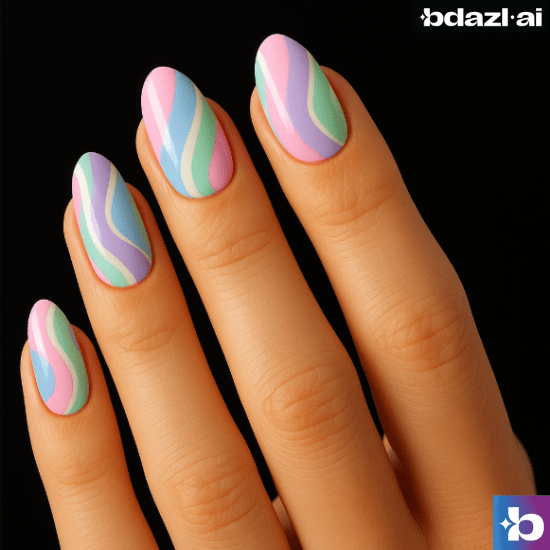
  • 💅 The Truth About Nail Polish: What’s Lurking in Your Mani?

    Meta Title: Nail Polish & Gel Polish: Hidden Toxins, Remover Risks & How to Repair Damaged Nails
    Meta Description: Discover the truth about regular and gel nail polish, toxic ingredients in removers, aftercare tips, and how to choose safer nail products for healthy, beautiful nails.


    1. Regular vs. Gel Nail Polish: What’s the Difference?

    • Regular Nail Polish is quick to apply and air-dries, but chips easily (within 3–7 days).
    • Gel Nail Polish lasts 2–3 weeks and must be cured under UV or LED light, offering durability at the cost of removal challenges.

    Both types often contain toxic ingredients unless labeled as “3-free,” “5-free,” or more.


    2. The Hidden Toxins in Your Polish

    Beware of the Toxic Trio:

    • Toluene – Affects the nervous system.
    • Formaldehyde – A known carcinogen and nail hardener.
    • Dibutyl Phthalate (DBP) – Linked to hormone disruption and reproductive harm.

    Also commonly found:

    • Camphor, Ethyl Tosylamide, Parabens
    • Petroleum-derived polymers in gel polish
    • Fragrance allergens not always disclosed

    3. What’s Inside Nail Polish Removers?

    • Acetone-based removers strip natural oils, weaken nails, and irritate skin and lungs with frequent use.
    • Non-acetone removers often contain ethyl acetate, which is less aggressive but still drying.

    Gel polish removers are harsher and often require:

    • Soaking for 10–20 minutes
    • Filing the surface of the nail
    • Aluminum wraps + acetone → major dehydration risk

    4. How Nail Products Can Damage Your Nails

    Overuse of nail polish, gel, or removers can lead to:

    • Peeling, thinning, cracking
    • Discoloration
    • Inflamed cuticles and nail beds
    • White spots (keratin granulations)
    • Fungal infections or allergies to acrylates

    5. What to Look Out For in Safe Nail Products

    ✅ Look for these on the label:

    • 3-Free, 5-Free, 10-Free, or 13-Free” – Fewer harmful chemicals
    • Certified Cruelty-Free or Vegan
    • No fragrance or phthalates
    • Avoid acrylates (especially if allergic)
    • Acetone-free removers with natural oils

    Avoid greenwashing! Terms like “natural” or “non-toxic” are often unregulated. Use ingredient scanners like bdazlai to verify.


    6. Gel Polish: When It’s Too Much

    While gel nails look glossy and last long, they come with serious risks:

    • UV exposure from curing can accelerate aging and increase skin cancer risk.
    • Acrylates in gel polish are allergens and irritants.
    • Removal damage is common – scraping, buffing, peeling.

    💡 Tip: Use fingerless gloves during UV curing to protect your skin.


    7. Aftercare for Damaged Nails

    🌿 What to Do:

    • Take breaks between manicures.
    • Apply cuticle oils (jojoba, vitamin E) daily.
    • Use biotin supplements and a healthy diet.
    • Avoid filing too thin or buffing natural nails.
    • Apply nail strengtheners with proteins or calcium.
    • Wear gloves during housework and while using acetone.

    Recommended DIY soak:
    🛁 Warm olive oil + a few drops of tea tree oil = deep nourishment.


    8. Safer Alternatives to Try

    • Water-based polishes – Free of the toxic trio and odorless.
    • Breathable polishes – Let oxygen and moisture through the nail plate.
    • Japanese manicures – Natural buffing with beeswax-based pastes.
    • BIAB (Builder in a Bottle) – Strengthens nails with fewer removals.

    9. Quick Comparison Table

    FeatureRegular PolishGel Polish
    Durability3–7 days2–3 weeks
    UV/LED RequiredNoYes
    RemovalEasy with removerRequires soaking/buffing
    Risk of DamageMediumHigh (especially removal)
    Harmful IngredientsToluene, DBP, FormaldehydeAcrylates, methacrylates
    Healthier Alternatives5-Free polish, breathableBIAB, Japanese manicure

    10. Final Thoughts: Healthy Nails, Healthy Choices

    Whether you love classic reds or trendy chrome gels, your nails—and health—deserve transparency. Always read ingredient lists, avoid harsh removers, and take regular polish breaks.

    Trust science-backed tools like bdazlai to decode nail product ingredients and avoid harmful chemicals.

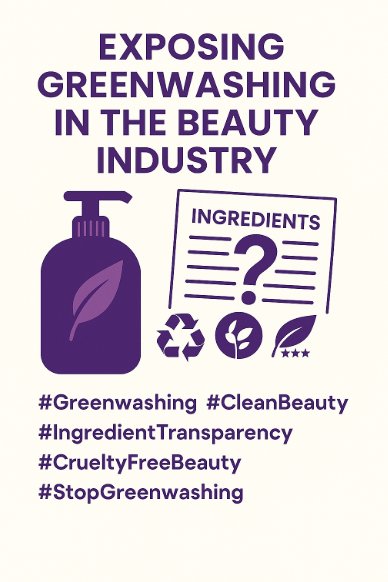
  • Greenwashing in Beauty: How to Spot Fake Eco Claims and Choose Truly Clean Products


    In today’s beauty industry, terms like “natural,” “clean,” and “eco-friendly” are everywhere. But how many of these claims are genuine? Greenwashing—a deceptive marketing practice—has become rampant, making it challenging for consumers to discern truly sustainable products from those merely posing as such.

    🧼 What Does Greenwashing Look Like?

    1. Buzzwords Without Backing:
    Terms like “natural,” “organic,” and “non-toxic” are often used without any standardized definitions or certifications. A product labeled “natural” might still contain synthetic preservatives or fragrances.

    2. Highlighting One Good, Hiding the Bad:
    Brands may advertise being “paraben-free” or “vegan,” yet still include harmful ingredients like synthetic fragrances, silicones, or microplastics. For instance, a product might boast about containing rose water but have it as the last ingredient, with the rest being synthetic fillers.

    3. Misleading Symbols & Faux Certifications:
    Some products display eco-style icons or text like “eco certified” without real third-party verification. These self-created logos can mislead consumers into believing a product is certified when it’s not.

    4. Sustainable Packaging, Unsustainable Formulas:
    A shampoo might come in a recyclable bottle but contain sulfates, PEGs, or petroleum-derived polymers, negating the environmental benefits of its packaging.

    5. Emphasizing One Good Ingredient:
    Marketing phrases like “Infused with rose water” can be misleading if the product is 95% water and full of synthetic fillers.


    🐰 Recognizing Misleading Symbols

    Common Misleading Symbols:

    • ✅ Green leaf or tree icon: Suggests nature or biodegradability but isn’t a certification.
    • ♻️ Recyclable triangle without certification code: Implies recyclability but may not be recyclable in local systems.
    • 🐇 “Cruelty-Free” bunny logo (not Leaping Bunny or PETA): Looks legitimate but isn’t verified unless it’s one of the official ones.

    Verified Third-Party Logos to Trust:

    • Leaping Bunny: Global gold standard for cruelty-free products.
    • ECOCERT: Certified organic cosmetics.
    • COSMOS: European organic and natural standards.
    • USDA Organic: For truly organic formulations.
    • Certified Vegan (by Vegan.org): Ensures products are free from animal-derived ingredients.

    🌿 Why It Matters

    Consumer Deception:
    People seeking healthier, more ethical choices are misled into buying products that don’t align with their values.

    Health Risks:
    Sensitive populations, like pregnant women or teens, may unknowingly use harmful products.

    Environmental Impact:
    Microplastics and persistent ingredients enter water systems, causing long-term ecological damage.

    Erosion of Trust:
    Truly ethical and sustainable brands suffer from skepticism due to widespread greenwashing.


    ✅ How to Spot and Avoid Greenwashing

    • Read the Ingredient List (INCI): Look beyond the front label and scrutinize the actual ingredients.
    • Avoid Vague Claims: Be cautious of terms like “natural” without a certifying body.
    • Check for Real Certifications: Look for logos from reputable organizations like Leaping Bunny or ECOCERT.
    • Be Wary of Unverified Symbols: Symbols without backing organizations can be misleading.
    • Use Tools for Verification: Utilize platforms like Bdazlai to scan and decode product ingredients.

    🔍 bdazlai: Your Ally Against Greenwashing

    At bdazlai, we champion ingredient transparency and ethical beauty. Our platform:

    • Scans Labels: Decodes complex INCI names.
    • Highlights Safe Products: Identifies items free from microplastics, endocrine disruptors, and greenwashed claims.
    • Offers Filters: Allows you to search for certified vegan, cruelty-free, plastic-free, and pregnancy-safe options.

    We’re committed to building a world where beauty is backed by science, ethics, and sustainability.


    📚 Further Reading

  • The Plastic You Can’t See: Microplastics in Skincare and Haircare Products

    Every day, millions of people indulge in self-care rituals with trust—cleansing, exfoliating, moisturizing, brushing. These moments are meant to enhance well-being. But what if your daily beauty routine is silently polluting the oceans—and your own body?

    Unseen and unspoken, microplastics are lurking in products we trust the most. And it’s time to confront this invisible threat—head-on.


    Microplastics are microscopic plastic particles, usually less than 5 millimeters. In skincare and haircare, they are used for:

    • Exfoliation (like microbeads in scrubs)
    • Film-forming (for long wear or frizz control)
    • Viscosity control and texture (for creamy, silky feel)
    • Binding and stability

    Common ingredients include:
    Polyethylene (PE), Polypropylene (PP), PET, PMMA, Nylon-12, Acrylates copolymer, Polyurethane, and Polyquaternium compounds.

    These ingredients may be small, but they create long-lasting impacts—on your skin, your health, and the environment.


    They’re everywhere.

    Your exfoliating scrub? Polyethylene beads.
    Your anti-frizz conditioner? Polyquaterniums.
    That long-lasting lipstick? PET glitter and PMMA.
    Even your sunscreen or face mask could contain acrylates.

    A single scrub can release up to 300,000 plastic particles. Once rinsed, these bypass filters, pollute oceans, and enter the food chain.


    ✔️ Barrier Disruption: Microplastics form occlusive films on skin, disrupting transepidermal water loss and barrier function.
    ✔️ Inflammation: They cause micro-tears, leading to redness, rashes, and irritation.
    ✔️ Acne & Congestion: Clog pores, leading to blackheads and breakouts.
    ✔️ Cell Damage: Penetrate compromised skin, accelerate aging.
    ✔️ Toxic Absorption: Leach additives like flame retardants and phthalates.

    Hair & Scalp Impact:

    • Hair follicle disruption, potential for thinning and alopecia
    • Build-up on strands, leading to dull, heavy hair
    • Scalp irritation, dandruff, and microbiome imbalance
    • Chlorine/heavy metal interaction in water worsens irritation

    Studies have found microplastics in the placenta, amniotic fluid, and even fetal stool.

    During pregnancy, skin is more permeable. Leave-on products with PE, PTFE, or acrylates may increase fetal exposure.

    📌 Avoid plastic-based cosmetics. Focus on minimal, plant-based routines. Look for “Plastic-Free” certification.


    🧴 Cleansing: Use microplastic-free cleansers. Double cleanse gently.
    🧴 Barrier Repair: Apply ceramides, niacinamide, centella, and panthenol.
    🧴 Hydration: Use hyaluronic acid, glycerin, and occlusive moisturizers.
    🧴 Scalp Detox: Clarifying shampoos, ACV rinses, clay masks.
    🧴 Deep Conditioning: Natural oils (coconut, argan), protein treatments.
    🧴 Anti-inflammatory Care: Aloe, tea tree, oatmeal preparations.

    Internal detox support: Hydrate, eat antioxidant-rich foods, consider supplements like glutathione, NAC, and milk thistle.


    Words like “natural,” “eco-friendly,” or “clean” are not regulated.

    These often still contain plastic polymers under names like:

    • Polyethylene (PE)
    • PMMA (Polymethyl Methacrylate)
    • Polyquaternium
    • Acrylates copolymer
    • PTFE (Teflon)

    📌 If it ends in “-polymer” or “-methacrylate,” be suspicious.

    Use tools like Bdazlai to scan and decode ingredient lists.


    🌍 EU: Enforcing bans across product categories under REACH.
    USA: Banned microbeads in rinse-offs only. Leave-ons still allowed.
    India: Proposed bans but many brands still use PE & PQ compounds.

    Brands are slowly self-regulating. Consumers must lead the demand.


    ✔️ Read INCI labels: Learn to spot microplastics.
    ✔️ Use trusted tools: Like Beat the Microbead or Bdazlai AI scanner.
    ✔️ Choose certified brands: “Zero Plastic Inside” certified.
    ✔️ Switch to natural alternatives:

    • Exfoliants: Jojoba beads, sugar, salt
    • Moisturizers: Shea, aloe, oils
    • Haircare: Coconut oil, flaxseed gel, herbal rinses

    Try DIY masks, scrubs, and oils for simple, plastic-free care.


    This isn’t just about marine life. It’s your face, your scalp, your future.

    Microplastics are everywhere. In your bathroom. In your blood. In your baby.

    But you have the power to stop them. One label at a time. One conscious choice at a time.

    Microplastics are not just an environmental problem—they’re a health crisis hiding in your vanity. What seems like a simple scrub, serum, or shampoo may be leaving a lasting impact on your skin, body, and the planet.

    At bdazlai, we help you see beyond the marketing.
    Our AI engine helps decode ingredients and build safer routines for every stage of life.

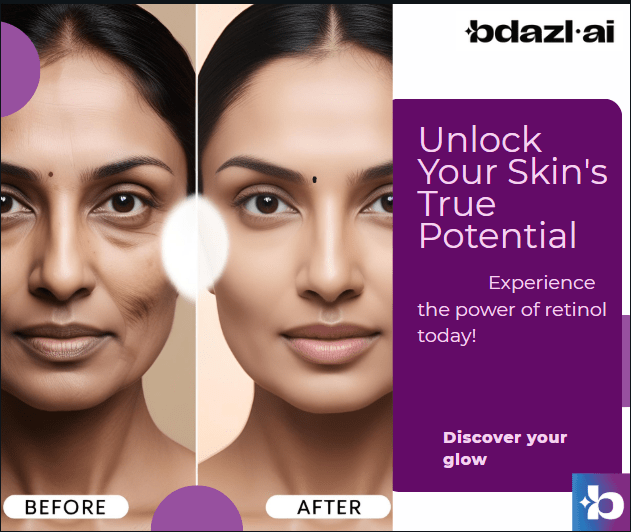
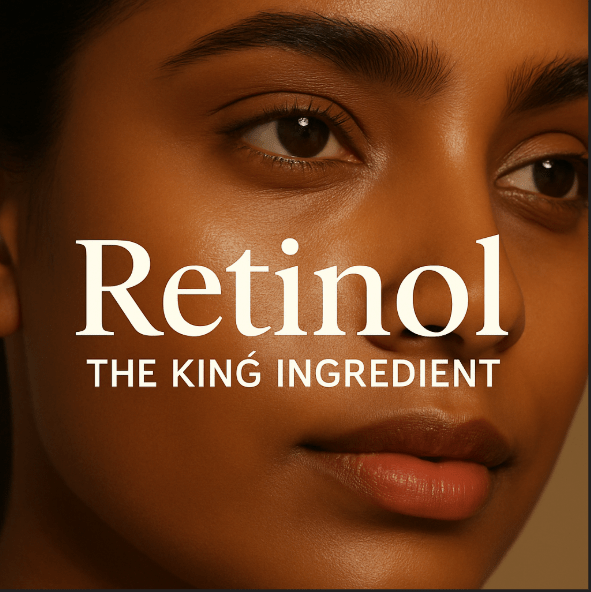
  • 🌟 Retinol Demystified: The Ultimate Guide to Skincare’s King Ingredient (and Its Haircare Cousins)

    If you’ve ever Googled “best anti-aging ingredient”, “how to treat acne with retinol”, or “retinol for beginners”, chances are you’ve seen the name Retinol pop up again and again. It’s not just another trendy skincare ingredient—Retinol is the gold-standard when it comes to anti-aging, acne control, skin texture improvement, and even scalp care.

    But before you dive into using it, let’s take a deep (but friendly!) look at what retinol is, how it works, the many forms it comes in, who should use it (and who shouldn’t), and how to create a safe, effective skincare (and haircare) routine around it.


    ✨ What is Retinol and Why Is Everyone Obsessed With It?

    Retinol is a form of vitamin A, and part of a larger family of compounds called retinoids. It’s fat-soluble, which helps it get deep into your skin where the real magic happens. Unlike prescription retinoids like tretinoin, which are already active, retinol needs to be converted in your skin through a two-step process into retinoic acid—the active form that boosts cell turnover, collagen, and clarity.


    🔬 Retinoid Family Tree: Understanding the Derivatives

    There’s more than one kind of retinoid out there. Here’s a quick cheat sheet:

    🧴 Natural Retinoids (OTC + Prescription)

    • Retinol – Most common OTC form, effective and accessible
    • Retinaldehyde – Stronger than retinol, less irritating than prescription
    • Retinoic Acid (Tretinoin) – Most potent, prescription-only

    🧪 Synthetic Retinoids

    • Adapalene – Great for acne, OTC and Rx versions available
    • Tazarotene – Strongest, used for acne & psoriasis, Rx only
    • Trifarotene – Newest, targets specific skin receptors, Rx only

    💧 Retinyl Esters (Mildest)

    • Retinyl Palmitate, Acetate, Propionate – Great for beginners or sensitive skin

    Each version has a different strength and conversion path. The more steps it takes to convert to retinoic acid, the gentler (but slower) the results.


    🧠 How Retinol Actually Works

    Retinol binds to special receptors (RARs and RXRs) in your skin that control how skin cells grow, shed, and function. Once activated, it triggers a few amazing things:

    • 🚀 Speeds up cell turnover (bye-bye, dullness)
    • 💪 Boosts collagen and elastin (hello, plumpness)
    • 🎯 Reduces pigmentation by regulating melanin transfer
    • 🧽 Clears pores and reduces acne formation
    • 🔥 Reduces inflammation in acne and other conditions

    This explains why retinol is loved for treating fine lines, acne, uneven skin tone, enlarged pores, keratosis pilaris, and even psoriasis.


    🌈 Benefits of Retinol in Skincare

    Let’s break it down by concern:

    👵 Anti-Aging (Fine Lines, Wrinkles, Elasticity)

    Even low doses (like 0.025%) can start reducing wrinkles in 12 weeks. Regular use boosts firmness, smoothness, and glow over time.

    🔥 Acne and Breakouts

    Retinol prevents clogged pores and calms inflammation. Adapalene is especially great for acne-prone skin and is gentle enough for long-term use.

    ☀️ Hyperpigmentation & Uneven Tone

    It fades dark spots by speeding up skin renewal and reducing melanin transfer. Works beautifully with vitamin C, niacinamide, and alpha arbutin.

    🌾 Texture, Pores, and Glow

    If your skin looks dull or feels bumpy, retinol gently exfoliates and smooths things out—leading to refined pores and radiant skin.

    🪶 Extra Wins

    • Keratosis Pilaris (chicken skin)
    • Stretch marks and scars
    • Rosacea (only in certain types—use cautiously!)

    🧴 Retinoids in Haircare: Yes, It’s a Thing!

    Retinoids can also benefit your scalp and hair by:

    • Reducing dandruff
    • Improving folliculitis or scalp acne
    • Supporting hair growth when used with minoxidil
    • Gently exfoliating product and oil buildup from your scalp

    These are typically found in scalp serums, pre-shampoo masks, and leave-ins. Always go for lower concentrations (0.01–0.05%) and avoid daily use unless your derm recommends it.


    ⚖️ Which Retinoid Is Right For You?

    RetinoidStrengthBest ForNotes
    RetinolModerateAging, acne, dullnessWidely available
    Retinaldehyde (Retinal)StrongerAcne + toneLess irritation than Rx
    TretinoinVery strongDeep wrinkles, scarsRx only
    AdapaleneGentle + acne-focusedAcne-prone skinOTC and stable
    TazaroteneVery strongPsoriasis, sun damageRx only
    Retinyl PalmitateVery mildBeginners, sensitive skinSlow results

    🚫 Who Should Not Use Retinol?

    • ❌ Pregnant or breastfeeding women
    • ❌ Kids under 12 (unless prescribed)
    • ❌ Very sensitive skin or eczema (unless dermatologist approves)
    • ❌ People planning heavy sun exposure

    🧼 How to Use Retinol (Without Wrecking Your Barrier)

    ✅ DO:

    • Start slow: 1–2x/week
    • Use at night
    • Apply to dry skin
    • Moisturize after (or use the “sandwich method”)
    • Wear SPF every single day
    • Wait 20–30 mins after washing to apply
    • Use a pea-sized amount only

    ❌ DON’T:

    • Use with AHAs/BHAs on the same day
    • Mix with benzoyl peroxide or high-strength vitamin C
    • Overuse or layer with multiple retinoids
    • Use during chemical peels or when sunburned

    💡 What Ingredients Work Well with Retinol?

    TypeIngredients
    💧HydrationHyaluronic Acid, Glycerin, Squalane, Ceramides
    🌿 SoothingNiacinamide, Panthenol, Cica, Aloe Vera
    ⚡ AntioxidantsResveratrol, Vitamin E, Ferulic Acid, CoQ10
    🔬 SupportPeptides, Growth Factors, Plant Stem Cells

    🧪 Ingredients to Avoid with Retinol

    • AHAs (Glycolic, Lactic Acid)
    • BHAs (Salicylic Acid)
    • L-Ascorbic Acid (use AM instead)
    • Benzoyl Peroxide
    • Essential Oils & Fragrance (irritating)
    • Alcohol & Sulfates

    🧴 Sample Skincare Routine Using Retinol

    Morning

    1. Gentle Cleanser
    2. Vitamin C Serum
    3. Hyaluronic Acid
    4. Moisturizer
    5. Sunscreen (mandatory!)

    Evening

    1. Cleanser
    2. (Optional) Hydrating toner
    3. Retinol (pea-sized, on dry skin)
    4. Moisturizer
    5. (Optional) Occlusive balm

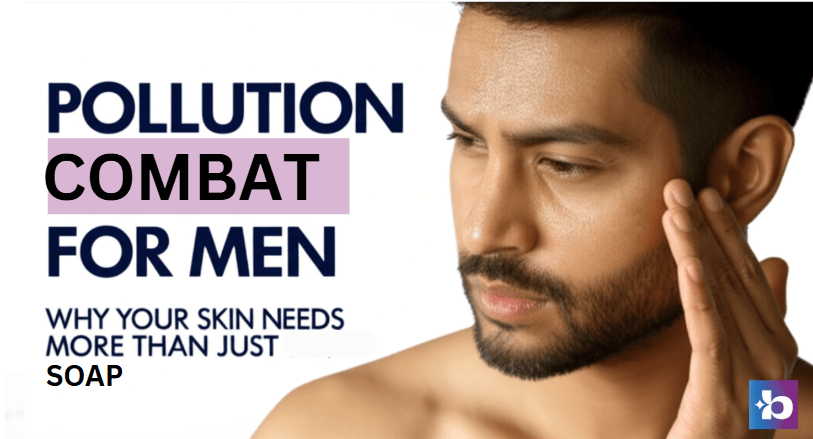
  • Pollution Combat for Men: Why Your Skin Needs More Than Just Soap

    Hey there, urban warriors! Ever feel like your skin’s carrying the weight of the city? You’re not wrong. That daily grind, the hustle and bustle, it all takes a toll, and your skin is often the first to show it. We get it – you’re busy conquering the world, and maybe skincare feels like just another chore. But trust us, giving your skin a little extra love in this polluted environment can make a huge difference.

    Think about it: dust, grime, those sneaky UV rays bouncing off buildings – it’s a constant barrage. And for us guys, with our naturally oilier skin and sometimes larger pores, all that gunk can really settle in, leading to clogged pores, that dull, tired look, and even those annoying breakouts. Sound familiar?

    Why City Life Isn’t Always Kind to Your Face

    Let’s be real, men’s skin has its own set of challenges when it comes to pollution:

    • Bigger Pores, More to Clog: Those larger pores we often have? They’re like open doors for pollutants to sneak in and cause trouble.
    • Sebum City: Higher oil production can act like a magnet, trapping dust and grime and leading to blackheads and whiteheads.
    • Post-Workout Pollution Party: Hitting the gym is great, but sweat mixed with city pollution? That’s a recipe for skin irritation if you don’t cleanse properly.
    • The “Just Soap” Myth: That bar of soap might get you clean, but it often strips your skin’s natural oils, leaving it vulnerable and sometimes even oilier in the long run.  
    • That rough, tight feeling after a day out, like there’s a layer of something you can’t quite wash off.
    • A sudden surge in blackheads or whiteheads, especially on your nose and forehead – those pesky little bumps are often pollution’s calling card.
    • Your skin just looks… blah. Dull, uneven, lacking that healthy glow.  
    • Redness or sensitivity popping up even if you haven’t changed your usual products. Your skin might be reacting to the environmental stress.
    • Noticed some fine lines or puffiness under your eyes creeping in? Pollution can accelerate those early signs of aging.  

    Good news! You don’t need a complicated ten-step routine to protect your skin. Here’s a straightforward approach that fits into a busy lifestyle:

    1. Deep Dive Cleanse (The Right Way): Ditch the harsh soap. Opt for a cleanser specifically designed to tackle grime without stripping your skin dry. Look for heroes like charcoal (it’s like a magnet for dirt!), salicylic acid (great for unclogging pores), or moringa extract (known for its purifying properties). Gently massage it in and rinse thoroughly.
    2. Tone It Up (and Calm It Down): Think of toner as the unsung hero. It helps remove any leftover residue after cleansing, tightens pores, and can deliver a boost of protective antioxidants. Look for ingredients like green tea extract (a powerful antioxidant) or niacinamide (helps with redness and skin barrier function).
    3. Hydrate Like You Mean It (Lightweight is Key): Even oily skin needs moisture! A good moisturizer creates a protective barrier against pollution and keeps your skin balanced. Choose lightweight formulas with ingredients like hyaluronic acid (attracts and retains moisture), glycerin (a great humectant), or panthenol (soothes and hydrates).
    4. Sunscreen: Your Daily Shield (Rain or Shine, Indoors or Out): This is non-negotiable. UV rays aren’t the only culprits; pollution can also generate harmful free radicals that sunscreen helps block. Go for a broad-spectrum SPF (protects against UVA and UVB rays) of at least SPF 30.
    5. Weekly Detox Power-Up (Mask Magic): Treat your skin to a deeper cleanse once or twice a week with a clay mask (like bentonite or kaolin) or a charcoal mask. These draw out impurities, excess oil, and those stubborn pollutants, leaving your skin feeling refreshed and renewed.

    If you’re rocking a beard, remember it can trap pollution and dead skin cells. Use a dedicated beard wash to keep it clean and the skin underneath healthy. A little beard oil can also help moisturize both your beard and the skin beneath.  

    You don’t always need fancy products. Nature offers some amazing remedies to combat pollution’s effects:

    • Green Tea Power: Brew some green tea, let it cool, and use it as a gentle face rinse or toner. Its antioxidants can help fight free radical damage.  
    • Turmeric Time: Mix a pinch of turmeric powder with a little honey or yogurt to create a simple anti-inflammatory and brightening face mask. (Be mindful of potential staining and do a patch test first!)  
    • Aloe Vera Soothe: Pure aloe vera gel is incredibly soothing and can help calm irritated skin caused by pollution. Apply it as a light moisturizer.  
    • Honey Heals: Raw honey has antibacterial and moisturizing properties. Apply a thin layer as a mask for 10-15 minutes, then rinse.

    Feeling a bit overwhelmed figuring out what your skin specifically needs? That’s where bdazlai comes in! Our AI Face Scan is like having a skincare expert in your pocket. Just a quick selfie, and our intelligent system analyzes your unique skin concerns and matches you with safe and effective ingredients and products tailored to you. Think of us as your wingman in the fight against city grime, helping you build a personalized routine that actually works.

    Final Thoughts: Smart Choices for Stronger Skin

    You don’t need a cabinet full of products to combat pollution. It’s about making smart choices and using the right ones consistently. By incorporating these simple steps and maybe even trying some natural remedies, you can build a resilient skincare routine that keeps your skin clear, calm, and feeling confident, no matter how polluted the city gets.

    Ready to give your skin the defense it deserves? Try the bdazlai Face Scan now and unlock your personalized path to healthier, pollution-proofed skin!

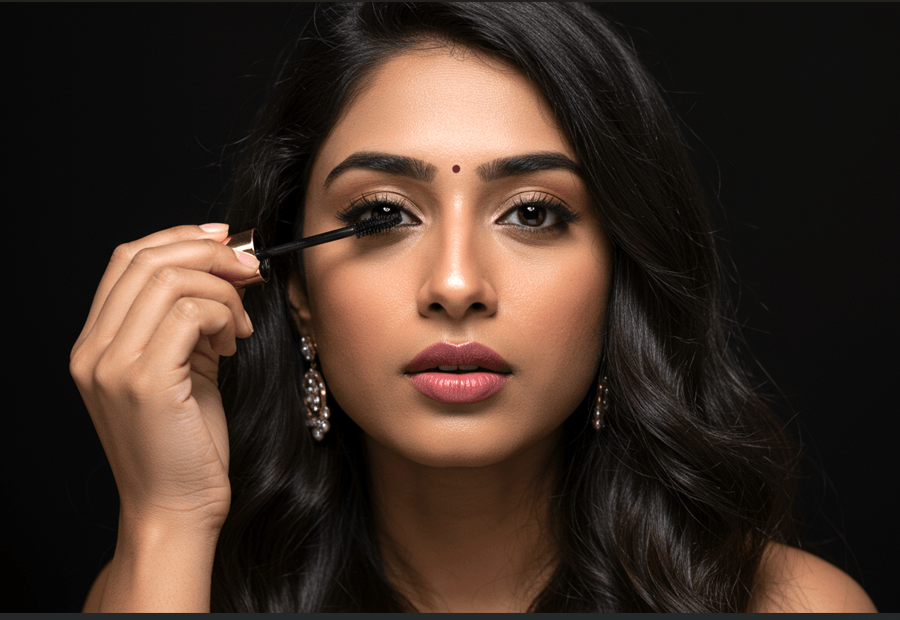
  • Is Waterproof Mascara Bad for Your Eyes and Lashes? Here’s the Truth

    In a world of back-to-back meetings, commutes, workouts, and evening dinners, waterproof mascara can feel like a must-have. It stays put through everything — until it doesn’t. Because while waterproof mascara might be your go-to for long-lasting lashes, it could also be the reason behind dryness, irritation, lash fallout, and more subtle issues you haven’t linked yet.

    If your eyes often feel dry or your lashes seem thinner lately, it may be time to rethink the waterproof wand in your routine.

    What Makes Waterproof Mascara So Durable?

    Waterproof mascaras are designed with ingredients like waxes, alcohols, and synthetic polymers — all of which help the formula adhere tightly to lashes and repel water, sweat, and tears. It’s great for durability but not always for your eye health.

    If you’re unsure about what these ingredients mean for your skin or eyes, you can easily check them using tools like bdazlai’s Ingredient Checker — just scan and chill.
    Because smarter beauty starts with knowing exactly what you’re putting near one of your most sensitive areas.

    The Real Cost: What It Does to Your Lashes

    You might not notice it immediately, but waterproof mascara can quietly compromise the health of your lashes over time.

    1. It Dries Out Lashes

    The alcohols and waxes used to make waterproof mascara long-lasting can dehydrate your lashes, making them brittle and prone to breakage. Much like over-processing hair, overusing waterproof mascara can lead to thinner, weaker lashes.

    2. It Weighs on the Roots

    Because waterproof mascara hardens and clings to each lash, it can put extra stress on the lash follicle. With regular use, this can slow lash growth and cause lashes to fall out prematurely — especially if you’re removing it in a hurry after a long day.

    3. It’s Tough to Remove

    Waterproof means harder to take off. That means more rubbing, tugging, and exposure to stronger removers — all of which strain your lashes and delicate eye area. Over time, this can lead to irritation, puffiness, and even micro-tears in the skin.

    But I Need It — What’s the Alternative?

    We get it: not all mascaras are built for 14-hour days. But the beauty industry has come a long way, and there are now smarter choices that give you staying power without the damage.

    Try These Instead:

    • Smudge-proof mascaras: Great for daily wear, they hold well through long days without the harsh removal process.
    • Tubing mascaras: These create tiny “tubes” around each lash and come off with just warm water and light pressure.
    • Lash-conditioning mascaras: Look for formulas with castor oil, biotin, panthenol, or peptides to nourish while you wear.

    These options are gentler, easier to remove, and reduce the risk of breakage — a win-win for long days and healthy lashes.

    How to Use Waterproof Mascara Without Wrecking Your Lashes

    You don’t have to give up waterproof mascara completely. Just use it strategically and follow a few smart rules:

    1. Save it for special days — not your Monday-to-Friday routine.
    2. Use oil-based makeup removers — press gently and let the formula break down before wiping.
    3. Never sleep in it — not even once.
    4. Apply lash serum at night — this helps strengthen and hydrate lashes to recover between wears.

    Pro tip: take a makeup-free day or two each week to let your lashes breathe, especially if you wear mascara daily.

    Sensitive Eyes? Be Extra Selective

    If your eyes sting after mascara removal or feel gritty mid-day, you might be reacting to your formula. Always check for labels like ophthalmologist-tested,” “fragrance-free,” and “hypoallergenic.” Avoid anything with parabens, phthalates, or synthetic fragrance. They have a lot of drying qualities because you need the mascara to dry out and stay on your lashes, but it can also really dry out your tear film. And a lot of people with sensitive eyes have a dry tear film already, so they don’t need that extra dryness.

    Even among waterproof options, some formulas are gentler than others. Read ingredient lists or ask your dermatologist or optometrist for safe picks — especially if you wear lenses.

    Conclusion: Beauty That Lasts Shouldn’t Hurt

    Waterproof mascara isn’t inherently evil — but it shouldn’t be your everyday essential. The trade-offs (lash thinning, eye dryness, harder removal) aren’t worth it for regular wear, especially when there are smarter alternatives out there.

    For the working woman juggling her glow and her schedule, the goal is simple: look good without compromising comfort or long-term health. That means reaching for products that respect your lashes — not just your calendar.

    Because the best kind of beauty? It lasts way longer than 24 hours.

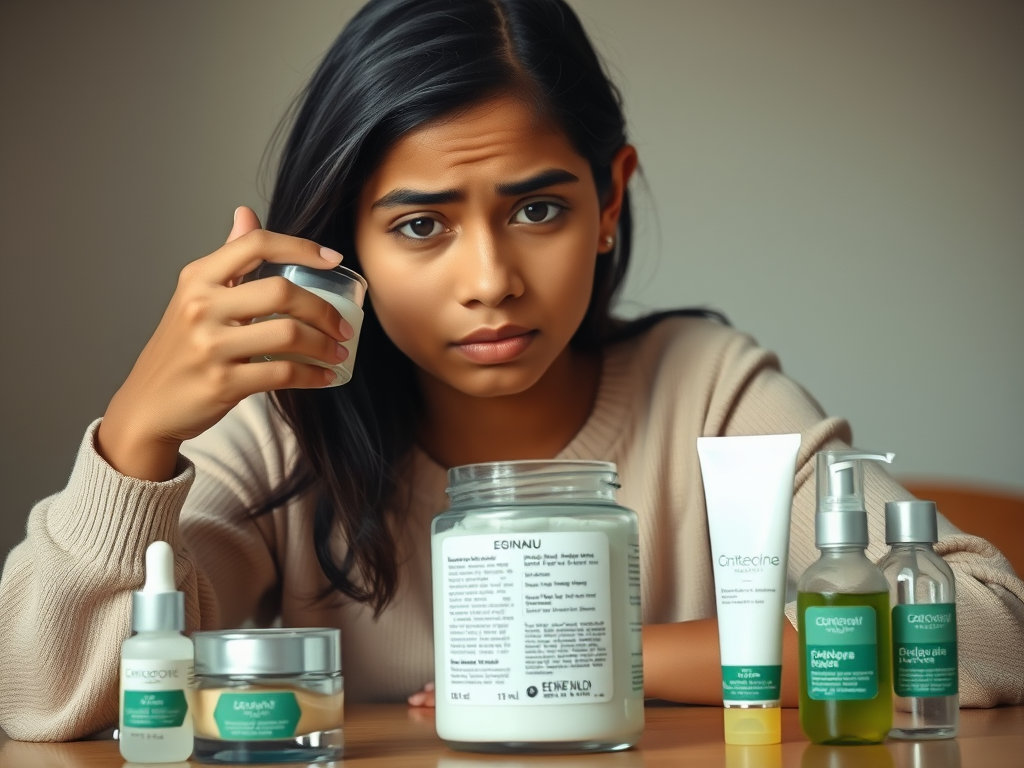
  • How to Read a Skincare Ingredient Label: What to Look For and What to Avoid

    If you’ve ever flipped over a skincare product and felt like you were reading another language, you’re not alone. Skincare labels can be overwhelming, filled with scientific names, unpronounceable ingredients, and vague marketing claims like “clean” or “natural.”

    But once you learn how to decode those ingredient lists, you’ll be empowered to make smarter, healthier choices for your skin and overall wellbeing.


    Why Ingredient Labels Matter

    Reading skincare labels is essential because it helps you:

    • Protect your health: Some ingredients may disrupt hormones, cause allergic reactions, or increase your risk of long-term health issues.
    • Avoid allergens and sensitivities: Especially important for those with eczema, acne, or fragrance sensitivity.
    • Understand what you’re paying for: Marketing claims are often misleading. The real story is in the ingredient list.
    • Support ethical and sustainable products: Knowing what’s inside helps you avoid environmentally harmful or unethical ingredients.

    How to Read a Skincare Label

    1. Ingredients are listed in descending order: The first five ingredients make up the bulk of the product.
    2. Actives are often in the middle: Ingredients like niacinamide or salicylic acid may appear after water, oils, and humectants.
    3. Concentration matters: Anything listed after “fragrance” or “phenoxyethanol” is usually present in amounts less than 1%.

    🚨 Ingredients to Avoid (and Why)

    Preservatives

    • Parabens (methylparaben, propylparaben, butylparaben, ethylparaben): Linked to hormone disruption and potential reproductive harm.
    • Formaldehyde-releasing preservatives (quaternium-15, DMDM hydantoin, imidazolidinyl urea, diazolidinyl urea): Known carcinogens.
    • Methylisothiazolinone & Methylchloroisothiazolinone: Strong allergens; can cause hives and skin burning.
    • BHA & BHT: Potential endocrine disruptors and linked to organ toxicity.

    Cleansers / Surfactants

    • Sodium Lauryl Sulfate (SLS) and Sodium Laureth Sulfate (SLES): Can strip natural oils, cause irritation and dryness.
    • Sodium C14-16 Olefin Sulfonate: Harsh and can disrupt skin barrier.
    • Cocamidopropyl Betaine: Derived from coconut but known to cause allergic contact dermatitis.

    Foaming Agents

    • Cocamide DEA & MEA: Can be irritating; some forms are linked to carcinogenic concerns.

    Emulsifiers & Thickeners

    • PEGs (Polyethylene Glycols): Can be contaminated with 1,4-dioxane, a potential carcinogen.
    • DEA-related compounds (cocamide DEA, lauramide DEA): May form nitrosamines, associated with cancer.

    Fragrances & Dyes

    • Parfum/Fragrance (undisclosed blends): May contain allergens, hormone disruptors, and irritants.
    • Essential Oils (in sensitive formulas): Natural but still common allergens, especially for kids or reactive skin.
    • FD&C and D&C dyes (e.g., Red 33, Yellow 5): Synthetic dyes potentially irritating and linked to sensitivity.

    UV Filters (in Chemical Sunscreens)

    • Oxybenzone: High absorption, endocrine disruptor, linked to cellular damage.
    • Avobenzone: Can degrade in sunlight, releasing free radicals.

    Moisturizing Agents to Avoid

    • Mineral Oil & Petroleum Jelly: Derived from petroleum; can clog pores and hinder skin respiration.
    • Isoparaffin / Isohexadecane: Synthetic hydrocarbons used for slip, but not nourishing.
    • Silicones (dimethicone, cyclopentasiloxane, amodimethicone): Create a silky feel but can cause buildup and don’t truly hydrate.

    Other Additives

    • Phthalates: Often hidden in fragrances; endocrine disruptors.
    • Triclosan: Linked to antibiotic resistance and hormone disruption.
    • Hydroquinone: Can cause organ toxicity and skin damage with long-term use.
    • Resorcinol: Associated with endocrine disruption.

    📊 Ingredients to Look For (and Why)

    Gentle Surfactants / Cleansers

    • Sodium Cocoyl Isethionate: Mild, sulfate-free, and gentle.
    • Decyl Glucoside & Lauryl Glucoside: Non-irritating, safe for sensitive skin.

    Moisturizers & Hydrators

    • Glycerin: A humectant that draws water into the skin.
    • Aloe Vera: Soothes, hydrates, and calms irritation.
    • Squalane (plant-derived): Lightweight, non-comedogenic oil.
    • Jojoba Oil: Mimics skin’s natural oils.
    • Panthenol (Provitamin B5): Improves hydration and soothes skin.

    Emulsifiers & Stabilizers

    • Glyceryl Stearate: Plant-derived; gives a smooth texture.
    • Cetearyl Alcohol: A fatty alcohol that conditions and softens.
    • Lecithin: Natural emulsifier and skin softener.

    Preservatives (Safer Options)

    • Sodium Benzoate: Gentle preservative.
    • Potassium Sorbate: Mild and widely used.
    • Gluconolactone + Sodium Benzoate: Gentle yet broad-spectrum.
    • Caprylyl Glycol + Glycerin + Caprylhydroxamic Acid: Effective and non-sensitizing.

    Final Thoughts: Simple Is Safe

    When in doubt, keep your skincare routine simple. Avoid products with long, complex ingredient lists filled with unknowns. Choose formulas with transparent labeling, minimal ingredients, and no hidden fragrances or harsh preservatives.

    Reading ingredient labels isn’t just for experts—it’s a skill every conscious consumer can learn. And once you do, you’ll feel empowered to choose products that actually care for your skin, not just coat it.

    Your skin deserves clarity, and so do you.

  • India’s Gen Alpha Skincare Craze: Are Kids Glowing Up or Growing Up Too Fast?

    Inside India’s viral “The Tween Beauty Boom” trend, skincare obsession, and the blurry line between wellness and adult beauty standards


    It’s 2025, and in Indian cities, it’s not just 20-somethings swiping on serums anymore. Generation Alpha — kids born between 2010 and 2025 — is living a skincare fantasy, complete with glass skin goals, GRWM videos, and product wishlists longer than your last Nykaa haul.

    From 7-year-olds doing multi-step routines to 10-year-olds asking for retinol, skincare is no longer a teenage or adult concern. It’s the new playground conversation. Welcome to the world of Gen Alpha skincare in India, where K-beauty meets Instagram aesthetics, and self-care often overlaps with early exposure to marketing pressure.


    💄 The Skincare Kids of India: Why Is This Happening So Young?

    “Why is my 9-year-old asking for niacinamide?” is now a legit parent question.

    The answer? Social media — and lots of it.

    Platforms like Instagram Reels, YouTube Shorts, and even other are flooded with beauty content. Kids are watching their favorite creators — many just a few years older — apply products like hyaluronic acid, peptides, and AHAs, claiming it’s the secret to looking “clean” or “glowy.”

    Add to that the rise of GRWM (Get Ready With Me) content, and you have a culture where even third graders know what “slugging” is.

    A recent study shows:

    • 37% of Indian Gen Alpha kids want to be influencers
    • 63% demand skincare and beauty products they see online
    • Parents are spending thousands annually on kids’ product preferences

    This isn’t just a Western trend anymore. It’s very much alive in India’s urban schools, malls, and bedrooms.


    ⚠️ Is Retinol Safe for 10-Year-Olds? The Active Ingredient Dilemma

    Google is flooded with searches like:

    • “Can 11-year-olds use vitamin C serum?”
    • “Is retinol safe for tweens?”
    • “Best skincare routine for a 9-year-old in India”

    What are kids actually using? A lot of the same actives adults use — but with riskier consequences.

    Common ingredients spotted in Gen Alpha routines:

    • Vitamin C – marketed as a brightening essential
    • Niacinamide – for pore control and oil regulation
    • Hyaluronic Acid – for plumping and glow
    • Salicylic Acid – for early acne concerns
    • Retinol / Retinoids – anti-aging products not suited for young skin
    • AHAs/BHAs – for exfoliation (lactic acid, glycolic acid)

    Sounds impressive — until you realize these are potent actives meant for adult or acne-prone skin, not delicate, developing skin barriers.

    Overuse can cause:

    • Irritation, redness, stinging
    • Peeling and dry patches
    • Long-term skin sensitivity
    • Disruption of the skin’s protective barrier

    😰 “The Tween Beauty Boomin India: Skincare or Skindoctrination?

    Welcome to the “The Tween Beauty Boom” phenomenon, where children are exposed to luxury skincare brands before learning algebra. Their routines are increasingly influenced by:

    • Influencer culture and GRWM reels
    • Peer pressure in elite schools
    • Celebrity endorsements targeting younger audiences
    • FOMO marketing by trendy brands

    And while the idea of self-care sounds great, are kids being sold unrealistic beauty standards before they even hit puberty? That’s the concern.


    💡 Is There a Silver Lining? Yes — If It’s Done Right

    Despite the alarm bells, some positive habits are taking root. Many kids are:

    • Learning the value of sun protection
    • Understanding the importance of moisturizing
    • Building daily self-care routines that promote discipline
    • Exploring clean, vegan, and cruelty-free beauty brands

    When guided properly, these routines can boost self-esteem—especially for tweens dealing with early oiliness, clogged pores, or mild acne.

    It’s not skincare that’s the problem — it’s skincare without supervision.


    👪 Parenting Through the Beauty Boom: What Should You Do?

    56% of parents say skincare products are too harsh for their child’s skin.
    42% are worried about overspending.
    29% believe kids are being manipulated by influencer culture.

    But instead of panic or shame, here’s how you can guide them:

    • Watch beauty content together – Break down what’s marketing and what’s real skin science
    • Read labels as a team – Avoid actives like retinol, Vitamin C, and acids unless prescribed
    • Visit a dermatologist – Especially if your child shows signs of acne or oil imbalance
    • Choose age-appropriate skincare – Stick to basics like cleansers, moisturizers, and sunscreen
    • Talk about real skin – Normalize breakouts, texture, and “non-glowy” days

    👨‍⚕️ Dermatologist-Approved Skincare Routine for Kids (Under 13)

    Let’s keep it simple. The best skincare routine for children includes:

    1. Gentle cleanser – Sulfate-free, soap-free, no fragrance
    2. Light moisturizer – Non-comedogenic and fragrance-free
    3. Broad-spectrum sunscreen – SPF 30+, ideally with mineral filters (zinc oxide or titanium dioxide)

    That’s it. No serums. No exfoliants. No anti-aging anything.


    🌿 Clean Beauty & Desi DIY: A Mix of Culture & Consciousness

    Interestingly, Gen Alpha isn’t ignoring tradition. They’re just fact-checking grandma’s nuskhe on Google first. A lot of Indian tweens are trying:

    • Multani mitti (Fuller’s Earth) for oil control
    • Aloe vera for soothing skin
    • Rose water as a gentle toner
    • Haldi (turmeric) masks for glow

    There’s a rise in eco-friendly beauty, too. About 21% of Gen Alpha kids prefer clean, vegan, sustainable brands, and they’re asking brands to be transparent about ingredients.


    🔥 The Real Question: Is It Skincare or Subtle Pressure to Look Perfect?

    The beauty culture among kids is getting complicated. One minute, they’re learning about SPF. The next, they’re upset their cheeks don’t “glow like that girl on Insta.”

    Skincare has become both a form of self-expression and a source of anxiety. So, what do we do?

    We don’t shut it down. We guide it. With the right support, kids can learn that skincare is about health and hygiene, not just filters and fame.


    🧠 Final Thoughts: Let’s Raise Glow-Getters, Not Glow-Chasers

    The skincare boom among Indian kids isn’t a phase — it’s a culture shift. And while it can empower kids to take care of themselves, it also brings unrealistic standards, peer pressure, and product overload.

    So let’s support their curiosity, set safe boundaries, and teach them that healthy skin is more than a viral trend — it’s a lifelong habit. Let them glow — just not grow up too fast.

    If you found these tips helpful, follow us on Instagram, Facebook or Twitter for more clean beauty breakdowns, ingredient spotlights, and personal care realness. 💖