Author: bdazlai – Make it personal.

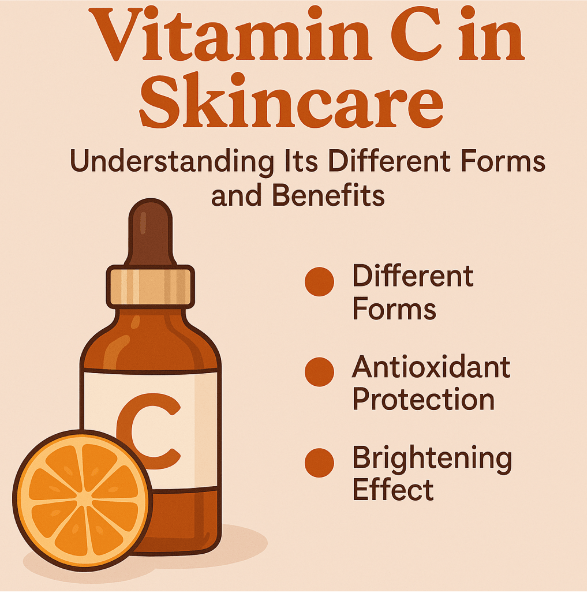
  • Vitamin C in Skincare – Understanding Its Different Forms and Benefits 🍊✨

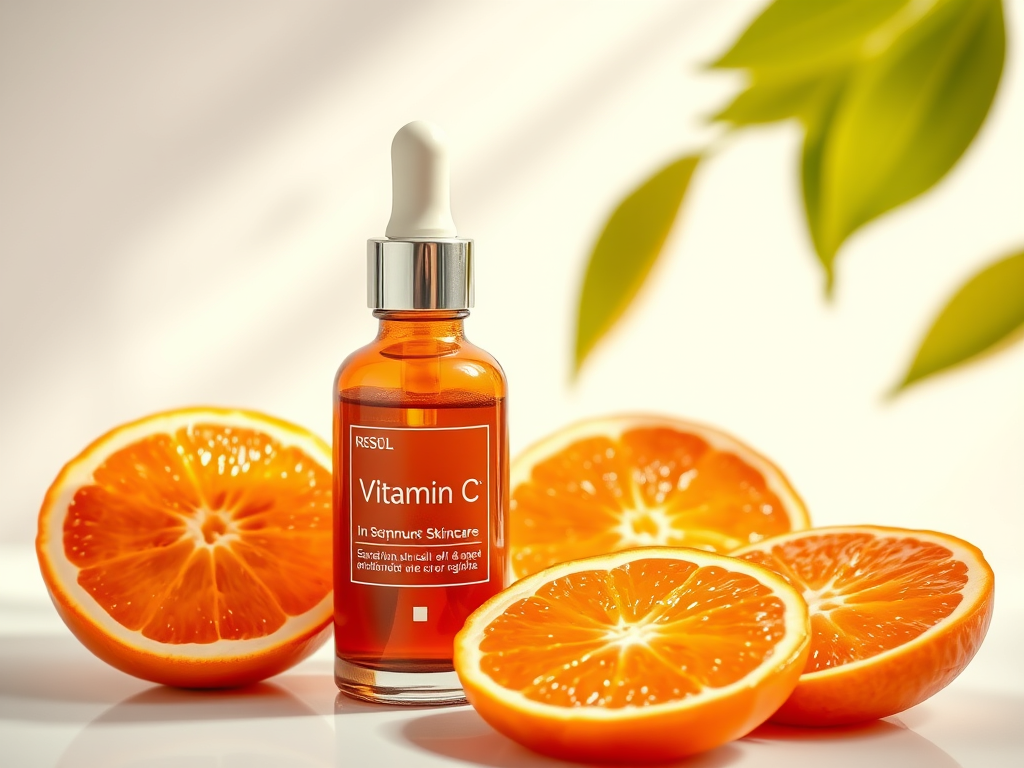
    Vitamin C is a powerhouse ingredient in skincare, known for its brightening, antioxidant, and collagen-boosting properties. However, not all Vitamin C formulations are created equal! The image above breaks down the different types of Vitamin C and their unique benefits, helping you make an informed choice for your skincare routine.


    The Star: Ascorbic Acid 🌟
    Ascorbic acid, also known as L-ascorbic acid, is the purest and most potent form of Vitamin C. It is widely celebrated for:
    Strong antioxidant protection – Neutralizes free radicals and protects against environmental damage.
    Skin brightening – Helps fade dark spots and hyperpigmentation.
    Collagen stimulation – Supports skin elasticity and reduces fine lines.
    The downside? Ascorbic acid is unstable and oxidizes quickly, meaning it can lose its effectiveness if not stored properly. It also works best at a low pH, which might be too harsh for sensitive skin.
    Vitamin C Derivatives: Gentler & More Stable Alternatives
    Since ascorbic acid can be tricky to formulate, many brands use Vitamin C derivatives that are more stable and gentler on the skin.

    These derivatives offer unique benefits:
    Sodium Ascorbyl Phosphate (SAP) 🛡️ – A water-soluble form of Vitamin C that is known for its antioxidant and acne-fighting properties. It converts into ascorbic acid on the skin and is much more stable than pure Vitamin C.


    Magnesium Ascorbyl Phosphate (MAP) 💧 – A hydrating and stable derivative that helps brighten the skin while being gentle enough for sensitive skin types.


    Tetrahexyldecyl Ascorbate (THD Ascorbate) 🌿 – An oil-soluble form of Vitamin C that penetrates deeper into the skin, making it highly effective for collagen production and reducing hyperpigmentation.


    Ascorbyl Glucoside 🌊 – A mild and stable form of Vitamin C that gradually converts to ascorbic acid, making it suitable for sensitive skin.


    Ascorbyl Tetraisopalmitate ✨ – An oil-soluble derivative that works well for moisturizing the skin while delivering brightening benefits.


    3-O-Ethyl Ascorbic Acid ❓ – A relatively new derivative with promising antioxidant and brightening effects, but more research is needed to confirm its full benefits.


    Choosing the Right Vitamin C for Your Skin 🧴
    For sensitive skin – Opt for MAP, THD Ascorbate, or Ascorbyl Glucoside for a gentle yet effective glow.
    For oily or acne-prone skin – SAP is a great choice due to its ability to fight breakouts while brightening the skin.
    For deep penetration and long-term benefits – THD Ascorbate and Ascorbyl Tetraisopalmitate are excellent as they are oil-soluble and absorb well into the skin.
    For maximum potency – If your skin can tolerate it, ascorbic acid in a well-formulated serum (with ferulic acid and vitamin E) will deliver the most powerful results.
    Final Thoughts
    Vitamin C is a must-have in any skincare routine, but choosing the right type for your skin concerns is key! Whether you go for pure ascorbic acid or a gentler derivative, incorporating Vitamin C can brighten your complexion, protect against environmental damage, and boost collagen for youthful skin.

    Vitamin C TypeSolubilityStabilityKey BenefitsBest For
    Ascorbic Acid (L-Ascorbic Acid)Water-solubleLow (oxidizes easily)Brightens skin, reduces hyperpigmentation, boosts collagen, strong antioxidantNormal to oily skin, not ideal for sensitive
    Sodium Ascorbyl Phosphate (SAP)Water-solubleHighAntioxidant, fights acne, brightens skin, converts to ascorbic acidOily/acne-prone, sensitive skin
    Magnesium Ascorbyl Phosphate (MAP)Water-solubleHighHydrating, brightening, gentle antioxidantDry, sensitive, and mature skin
    Tetrahexyldecyl Ascorbate (THD Ascorbate)Oil-solubleVery HighDeep penetration, collagen support, reduces pigmentationAll skin types, including sensitive
    Ascorbyl GlucosideWater-solubleHighMild brightening, antioxidant, suitable for sensitive skinSensitive skin, daily use
    Ascorbyl TetraisopalmitateOil-solubleHighMoisturizing, brightens, antioxidant, improves skin textureDry and sensitive skin, anti-aging focus
    3-O-Ethyl Ascorbic AcidWater-solubleModerate to HighBrightening, antioxidant, possibly anti-inflammatory (research still growing)All skin types, especially uneven tone


    💡 Pro Tip: Always use it in the morning, pair Vitamin C with sunscreen ☀️ to maximize its benefits and prevent oxidation on the skin!


    Have you tried any of these Vitamin C forms? Which one works best for you? Let us know in the comments! And don’t forget to follow us for more skincare insights! ✨😊

  • The Ultimate Anti-Aging Skincare Routine: Simple 6 Steps Derms Swear By

    Aging is a natural part of life, but premature aging? That’s something you can control. Forget the hype of trendy miracle creams—true anti-aging skincare is rooted in consistency, proven ingredients, and healthy lifestyle habits. Whether you’re just noticing fine lines or looking to refresh your routine, this dermatologist-backed 6-step guide will help you maintain youthful, glowing skin for years to come.

    Step 1: Cleanse Gently – Start with a Clean Slate 🧼
    A gentle cleanser removes dirt, oil, and pollutants without stripping your skin of essential moisture. Harsh scrubbing or strong soaps can damage the skin barrier, accelerating aging.

    Expert Tip:
    Use lukewarm water and a mild, non-foaming cleanser that preserves the skin’s natural oils. Avoid products that leave your skin feeling tight.

    Step 2: Antioxidant Serum – Protect and Brighten with Vitamin C 🍊
    Vitamin C (Ascorbic Acid) is a powerful antioxidant that neutralizes free radicals from UV rays and pollution—two major contributors to skin aging. It also brightens skin tone and stimulates collagen production for firmer skin.

    Pro Picks:
    Pure L-Ascorbic Acid (for potent results) or
    Magnesium Ascorbyl Phosphate (MAP) or
    Tetrahexyldecyl Ascorbate (THD) for sensitive skin
    Expert Tip:
    Apply in the morning before sunscreen. Pair with Vitamin E and Ferulic Acid for enhanced antioxidant protection.

    Step 3: Retinoids – The Gold Standard for Wrinkles & Texture
    Retinoids (Vitamin A derivatives) are clinically proven to reduce fine lines, improve texture, and boost collagen. They accelerate cell turnover, fading dark spots and smoothing skin.

    Types to Try:
    Retinol – Best for beginners
    Retinal (Retinaldehyde) – Potent, faster-acting
    Tretinoin (Retinoic Acid) – Prescription strength
    Adapalene – Great for acne and aging
    Expert Tip:
    Start 2–3 nights a week, then increase frequency. Always moisturize after applying retinoids and use SPF daily—retinoids increase sun sensitivity.

    Step 4: Moisturize – Lock in Hydration 💧
    A moisturizer helps maintain your skin’s barrier, reducing dryness and the appearance of fine lines. Hydrating ingredients plump the skin, while ceramides repair and protect.

    Key Ingredients:
    Hyaluronic Acid – Attracts moisture
    Ceramides – Strengthens skin barrier
    Glycerin – Humectant that draws in water
    Expert Tip:
    Apply on damp skin to maximize hydration. In dry climates or winter, opt for a richer cream.

    Step 5: Sunscreen – Your #1 Anti-Aging Shield ☀️
    Dermatologists agree: Daily sunscreen is the most important anti-aging product. UV rays cause up to 80% of visible aging, including wrinkles, dark spots, and sagging.

    What to Look For:
    Broad-spectrum SPF 30+
    Zinc Oxide or Titanium Dioxide (for sensitive skin)
    Water-resistant if sweating or swimming
    Expert Tip:
    Apply every morning, even on cloudy days. Reapply every 2–3 hours if outdoors.

    Step 6: Weekly Treatments – Exfoliate for Glow 🌟
    Exfoliation helps remove dead skin cells and boosts the effectiveness of other products. Chemical exfoliants like AHAs (e.g., glycolic acid, lactic acid) promote radiance and reduce fine lines.

    Expert Tip:
    Use 1–2 times per week. Avoid scrubs—opt for gentle exfoliants especially if using retinoids.

    Bonus: Lifestyle Habits for Youthful Skin 🥗💤💧
    Anti-aging isn’t just topical—it’s whole-body care. Dermatologists recommend these lifestyle essentials:

    Eat antioxidant-rich foods (berries, leafy greens, nuts)
    Stay hydrated – 8+ glasses of water daily
    Get quality sleep – 7–9 hours per night for optimal skin repair
    Exercise regularly – boosts circulation and collagen
    Avoid smoking and limit alcohol – both accelerate aging and dehydrate skin
    Manage stress – chronic stress depletes collagen and elasticity
    Final Thoughts
    A glowing, youthful complexion comes from smart skincare, consistency, and healthy living. Focus on proven ingredients like retinoids, vitamin C, peptides, and sun protection, and you’ll see visible results over time. Remember: simple is powerful—build a routine you can stick to, and your skin will thank you for years to come.

    🌟 What’s your must-have anti-aging ingredient? Share in the comments & follow us for more skincare tips!

  • The Ultimate Guide to Skin Brightening – How Ingredients Target Melanin Production

    Achieving radiant, even-toned skin is a common goal for many skincare enthusiasts. One of the most effective ways to combat dark spots and hyperpigmentation is by targeting melanin production. But with so many brightening ingredients available, understanding how they work can help you build an effective skincare routine.
    In this blog, we break down how different ingredients work at various stages of melanin production and how to combine them for the best results.


    How Skin Brightening Ingredients Work
    Melanin is the pigment responsible for skin color. When overproduced, it can lead to dark spots, uneven skin tone, and hyperpigmentation. Brightening ingredients function at different stages of this process, categorized into:
    Before Melanin Production – Preventing the enzyme tyrosinase from triggering melanin synthesis.
    During Melanin Production – Controlling or slowing melanin synthesis while it’s happening.
    After Melanin Production – Breaking down existing pigmentation and preventing its transfer.


    Best Ingredients for Skin Brightening

    1. Ingredients That Work Before Melanin Production
      These ingredients inhibit the early stages of melanin formation, reducing how much pigment is produced.
      ✅ Retinol – Promotes skin renewal, preventing pigmentation buildup. ✅ N-Acetyl Glucosamine – Works with niacinamide to reduce melanin synthesis. ✅ Ceramides – Strengthen the skin barrier to prevent environmental damage that triggers pigmentation. ✅ Sphingosines – Help maintain the skin’s protective barrier and prevent melanin overproduction. ✅ Tranexamic Acid – Reduces inflammation that can lead to hyperpigmentation.
    2. Ingredients That Work During Melanin Production
      These ingredients control melanin formation, preventing excessive pigmentation.
      ✅ Arbutin – A gentler alternative to hydroquinone that slows melanin production. ✅ Kojic Acid – A byproduct of fermentation that inhibits tyrosinase activity. ✅ Green Tea – Rich in antioxidants that help regulate melanin formation. ✅ Resveratrol – Protects against oxidative stress, reducing excess melanin production. ✅ Aloe Vera – Soothes the skin while minimizing melanin synthesis. ✅ Azelaic Acid – Helps treat post-inflammatory hyperpigmentation by blocking tyrosinase. ✅ Zinc – Helps regulate enzyme activity related to melanin production. ✅ AHAs (Alpha Hydroxy Acids) – Exfoliate the skin to reduce pigment buildup.
    3. Ingredients That Work After Melanin Production
      These ingredients help fade existing dark spots and prevent their spread.
      ✅ Niacinamide – Prevents melanin transfer and strengthens the skin barrier. ✅ Soybean Extracts – Natural brighteners that reduce hyperpigmentation. ✅ Licorice Extracts – Inhibits pigmentation while soothing the skin. ✅ Linoleic Acid – Helps break down existing pigmentation. ✅ Vitamin E – Protects skin from free radical damage. ✅ Vitamin C – A powerful antioxidant that reduces pigmentation and brightens skin. ✅ Alpha-Lipoic Acid – Works as an antioxidant to improve overall skin texture and tone.
      How to Use These Ingredients for Maximum Results
      For best results, combine multiple ingredients to target melanin production at different levels:
      🔹 Pair a tyrosinase inhibitor (e.g., Kojic Acid or Arbutin) with exfoliants (AHAs or Azelaic Acid) to remove existing pigmentation. 🔹 Use antioxidants like Vitamin C and Resveratrol in your morning routine to fight oxidative stress. 🔹 Apply barrier-strengthening ingredients like Niacinamide and Ceramides for long-term skin health. 🔹 Always wear sunscreen! Many brightening ingredients make skin sensitive to UV rays.
      Final Thoughts
      A well-rounded skincare routine should include ingredients that work at different stages of melanin production. Whether you’re looking to prevent pigmentation or fade existing dark spots, combining the right actives will help you achieve a luminous, even complexion.
      🌟 Ready to build your perfect brightening routine? Let us know your favorite ingredients in the comments below!

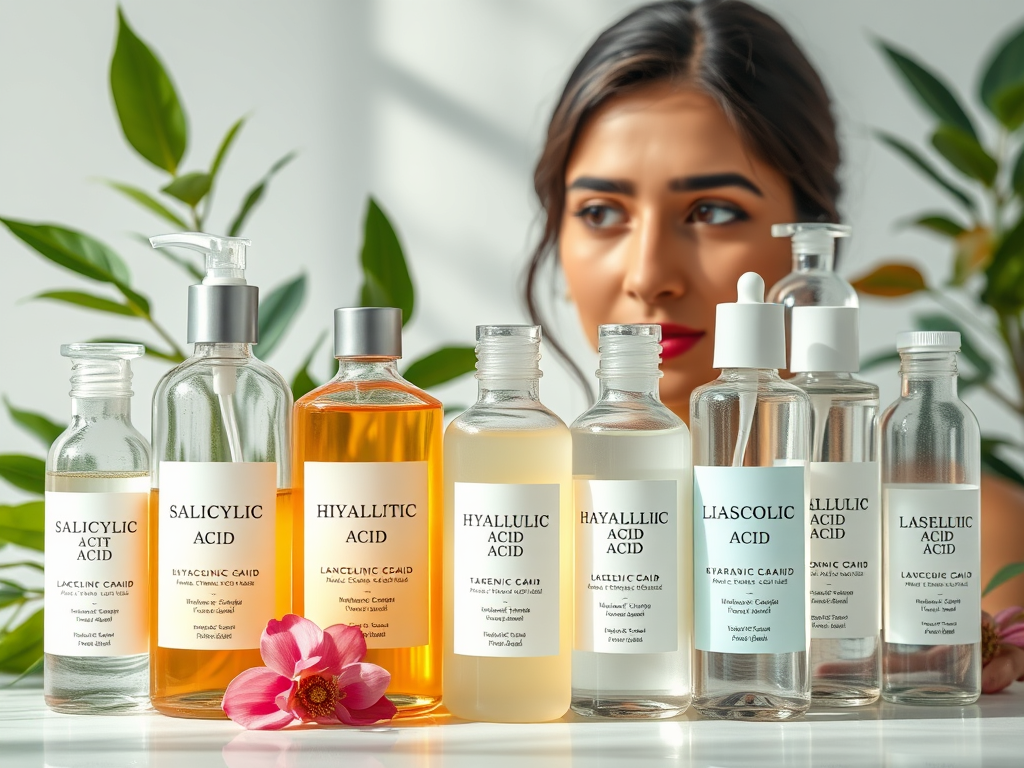
  • The Ultimate Skincare Acids Cheat Sheet: Which One is Right for You? ✨

    When it comes to skincare acids, choosing the right one can be overwhelming. With so many options—salicylic acid, glycolic acid, lactic acid, and more—it’s important to understand what each one does and how it benefits your skin. Whether you’re battling acne, dullness, wrinkles, or dryness, this cheat sheet will help you navigate the world of skincare acids like a pro!


    🧪 Salicylic Acid: The Acne Fighter
    Best for oily, acne-prone skin
    Exfoliates deep into pores, removing excess oil & debris
    Reduces blackheads, whiteheads, and breakouts
    Improves skin texture
    💡 Tip: Use it in spot treatments or cleansers for gentle daily exfoliation.


    💧 Hyaluronic Acid: The Hydration Hero
    A powerful humectant that attracts moisture
    Helps plump fine lines and wrinkles
    Suitable for all skin types, especially dry skin
    Provides long-lasting hydration
    💡 Tip: Always apply on damp skin and follow with a moisturizer to lock in hydration.


    🌟 Glycolic Acid: The Glow Booster
    An AHA that resurfaces and smooths skin
    Brightens dull, tired skin
    Helps with fine lines and hyperpigmentation
    Improves skin texture
    💡 Tip: Start with a lower percentage (5–10%) if you’re new to exfoliation.


    🥛 Lactic Acid: The Gentle Exfoliator
    A mild AHA that exfoliates without irritation
    Provides hydration while improving skin tone
    Ideal for sensitive & dry skin
    Helps fade dark spots and fine lines
    💡 Tip: Great for those new to chemical exfoliation—it’s gentler than glycolic acid!


    🌿 Mandelic Acid: The Sensitive Skin Savior
    A gentle AHA with antibacterial properties
    Helps with acne, hyperpigmentation, and wrinkles
    Best for sensitive skin and deeper skin tones
    Improves skin texture and tone
    💡 Tip: If glycolic acid is too strong for you, mandelic acid is a great alternative.


    🔥 Azelaic Acid: The Redness Reducer
    Fights acne and inflammation
    Reduces redness and rosacea
    Helps fade hyperpigmentation and acne scars
    Smooths skin texture
    💡 Tip: Works well in combination with niacinamide for extra calming effects.


    🛡️ Ferulic Acid: The Antioxidant Protector
    A powerful antioxidant that fights free radicals
    Protects skin from UV damage and pollution
    Enhances the effectiveness of Vitamin C and E
    Brightens and evens out skin tone
    💡 Tip: Look for serums that combine ferulic acid with vitamin C for a stronger antioxidant boost.


    🍊 Kojic Acid: The Hyperpigmentation Eraser
    Reduces dark spots and discoloration
    Brightens and evens skin tone
    Often used for melasma and sun spots
    Works well with Vitamin C and AHAs
    💡 Tip: Use SPF religiously, as kojic acid can make skin more sensitive to the sun.


    🌞 L-Ascorbic Acid: The Vitamin C Superstar
    A potent antioxidant that brightens skin
    Helps fade hyperpigmentation and acne scars
    Boosts collagen production, reducing wrinkles
    Protects skin from environmental damage
    💡 Tip: Use in the morning under SPF for maximum protection and glow!


    Which Acid Should You Choose? 🤔
    Acne & clogged pores? → Salicylic acid, Azelaic acid
    ✔ Dry or sensitive skin? → Lactic acid, Mandelic acid, Hyaluronic acid
    ✔ Hyperpigmentation & dark spots? → Kojic acid, Glycolic acid, L-Ascorbic acid
    ✔ Anti-aging & fine lines? → Ferulic acid, Glycolic acid, Lactic acid
    ✔ Dull skin? → Glycolic acid, L-Ascorbic acid, Ferulic acid


    Using the right acid for your skin type can transform your routine, giving you clearer, brighter, and healthier skin!

    🌟 Just remember to introduce acids slowly and always wear sunscreen to protect your skin.
    💬 Which skincare acid is your favorite? Let’s chat in the comments! 👇💖

  • The Top Hair-Care Trends of 2025 – Innovative Everyday Essentials

    Addressing Hair Health, Sustainability, and Affordable Solutions
    The hair-care industry continues to evolve, driven by scientific advancements and growing consumer awareness. With social media trends, eco-conscious choices, and ingredient-focused formulations, 2025 introduces solutions that cater to scalp health, stress-related hair loss, sustainable packaging, and high-performance hair treatments—all at more accessible price points.

    A New Generation of Dandruff Treatments
    Traditional dandruff treatments have long been associated with harsh formulas, strong medicinal scents, and drying effects. However, a shift in formulations is making these products more effective, gentle, and pleasant to use. Instead of relying solely on selenium sulfide, pyrithione zinc, or coal tar, newer formulations incorporate hydrating and soothing ingredients like ceramides, hyaluronic acid, glycerin, and oleanolic acid to help maintain scalp moisture balance while reducing flakes and irritation. The goal is to create scalp treatments that treat dandruff without stripping natural oils, making them more suitable for frequent use.

    Peptides Are the New Hair-Care Essential
    Peptides, long used in skincare for anti-aging and collagen support, are now being incorporated into shampoos, scalp serums, and treatments to nourish hair follicles and promote healthier hair growth. These small protein-building molecules help create an optimal scalp environment by supporting follicle health and reducing inflammation, which can contribute to hair thinning. Some formulations combine peptides with caffeine and zinc to further stimulate scalp circulation and follicle strength. With increasing consumer awareness, peptide-infused hair products are expected to gain widespread popularity.

    The Growing Demand for Glossy, Reflective Hair
    The pursuit of mirror-like shine in hair is not new, but it has become a major priority for many consumers. Hydrating and shine-enhancing treatments are seeing a surge in demand, with products incorporating conditioning silicones like amodimethicone, botanical oils, and humectants to smooth hair cuticles and boost light reflection. Many formulas also feature prickly pear seed oil, olive oil, and lightweight silicones to create a long-lasting, high-gloss finish. With increased searches for hair-glossing treatments and home-friendly solutions, this trend is expected to continue into 2025.

    Solutions for Stress-Related Hair Thinning
    The impact of chronic stress, hormonal imbalances, and environmental factors on hair health is becoming more apparent, leading to a rise in treatments for stress-related hair loss. Conditions like telogen effluvium, where stress disrupts the natural hair cycle, are driving demand for scalp-stimulating treatments with ingredients like niacinamide, minoxidil, and biotin. These ingredients help support the hair’s natural growth cycle, strengthen strands, and improve density.

    Aside from topical treatments, there is a growing interest in holistic hair care, where lifestyle adjustments, nutrition, and mindfulness practices are considered essential for long-term hair health.

    The Shift Toward Non-Aerosol Dry Shampoos
    With increasing concerns over the environmental impact of aerosol products, non-aerosol dry shampoos are gaining traction. Traditionally, dry shampoos have relied on aerosol sprays containing volatile propellants, but newer alternatives are focusing on powder, lotion, and cream-based formulations that absorb oil without the need for aerosol delivery. These non-aerosol options use oil-absorbing starches, clay, and rice powder to refresh the scalp and provide volume without harmful propellants.
    Consumers are also seeing more sustainable and mess-free application methods, such as dry shampoo puffs and scalp brushes, which help distribute the product evenly without creating buildup.

    What to Expect in 2025 and Beyond
    As technology, sustainability, and ingredient research continue to shape the beauty industry, 2025 is expected to bring more advanced hair-care solutions that cater to scalp health, hydration, hair shine, and eco-friendly formulations. The industry is adapting to consumer expectations for high-performance products that balance efficacy, safety, and environmental responsibility.

    Whether focusing on dandruff control, hair growth, shine, or sustainable alternatives, the future of hair care is driven by science-backed ingredients and consumer-conscious innovation.

    What is the next article you want to read?

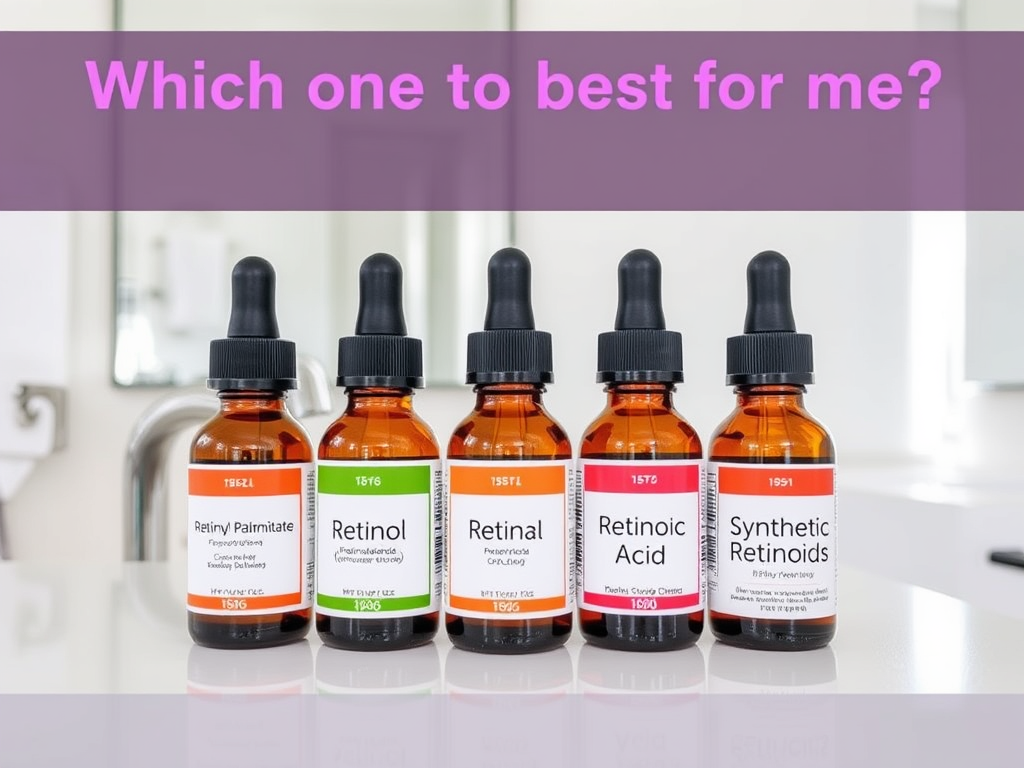
  • The Retinoid Family – Understanding the Strengths & Benefits

    Retinoids are one of the most powerful and widely researched ingredients in skincare, known for their incredible ability to combat acne, signs of aging, and improve overall skin texture. But with different types of retinoids available, choosing the right one for your skin can be confusing. This guide will help you understand the retinoid family and their varying strengths so you can select the best option for your needs.

    What Are Retinoids?
    Retinoids are derivatives of Vitamin A that work by increasing cell turnover, promoting collagen production, and reducing acne formation. They help improve skin texture, reduce fine lines, and fade hyperpigmentation. However, not all retinoids are created equal—some are gentler, while others are prescription-strength and highly potent.
    To simplify things, let’s break down the Retinoid Family from the least potent to the most powerful.

    1. Retinyl Palmitate: The Mildest Option 🍰
      ✅ Best for: Beginners and those with sensitive skin. ✅ Potency: Least potent form of retinoid, requires multiple conversions to become active in the skin. ✅ Benefits: Gentle, less irritating, great for introducing retinoids into your routine.
      💡 Tip: If you’re new to retinoids and have sensitive skin, start with Retinyl Palmitate before moving to stronger forms.
    2. Retinal (Retinaldehyde): One Step Closer to Power 🍒
      ✅ Best for: Faster results in anti-aging and acne treatment. ✅ Potency: More potent than Retinol, only one conversion away from active Retinoic Acid. ✅ Benefits: Works faster than retinol, reduces wrinkles, and improves skin texture effectively.
      💡 Tip: If you’ve already used Retinol and want to level up your routine, Retinal is a great choice.
    3. Retinol: The Popular OTC Choice 🧁
      ✅ Best for: Anti-aging, acne, and general skin renewal. ✅ Potency: Mildly potent, needs to be converted into Retinoic Acid by the skin. ✅ Benefits: Reduces fine lines, improves skin texture, and clears pores over time.
      💡 Tip: Retinol is widely available in over-the-counter (OTC) products. Start with a low concentration (0.3%-0.5%) and work your way up to 1%.
    4. Retinoic Acid: The Prescription Powerhouse 🍰
      ✅ Best for: Severe acne, deep wrinkles, and advanced anti-aging. ✅ Potency: Most potent natural retinoid, does not require conversion—works immediately. ✅ Benefits: Faster skin renewal, collagen boost, and stronger acne-fighting properties.
      💡 Tip: Available only through prescription (Tretinoin, Retin-A). It can cause dryness and irritation, so use with a moisturizer and start slow.
    5. Synthetic Retinoids: Lab-Designed for Enhanced Effects 🍫
      ✅ Best for: Acne, severe sun damage, and those who cannot tolerate traditional retinoids. ✅ Potency: Highly potent, specially formulated for enhanced stability and effects. ✅ Examples:
      Adapalene (Differin) – Available OTC, great for acne with fewer irritation risks.
      Tazarotene (Tazorac) – Prescription-only, stronger than Tretinoin.
      Trifarotene – A newer prescription retinoid used for acne and anti-aging.
      💡 Tip: If you’ve struggled with irritation from traditional retinoids, Adapalene is a great starting point.

    How to Use Retinoids Safely
    While retinoids offer amazing benefits, they can also cause dryness, peeling, and sensitivity. Here are some tips to use them effectively:
    ✔ Start Slow: Begin with a low concentration and gradually increase usage.

    ✔ Use at Night: Retinoids break down in sunlight, so apply them in your nighttime routine.

    ✔ Always Use Sunscreen: Retinoids make the skin more sensitive to UV damage—never skip SPF.

    ✔ Moisturize Well: Pair with hydrating ingredients like hyaluronic acid and ceramides.

    Avoid Mixing with Harsh Actives: Don’t use with AHAs, BHAs, or Vitamin C in the same routine.

    Final Thoughts
    The Retinoid Family offers solutions for all skin types and concerns, from beginners looking for gentle options to advanced users needing prescription-strength results. Understanding the strengths and functions of each retinoid will help you make an informed decision and build an effective skincare routine.

    🌿 Which retinoid have you used? Share your experience in the comments below!

  • What Is the Korean 10-Step Hair Care Routine for Men and Women?

    Originally inspired by the popular Korean 10-step skincare routine, the Korean hair care routine treats the scalp like skin, focusing on deep cleansing, nourishment, hydration, and protection. It’s about achieving healthier, shinier, and stronger hair through consistent care—not just quick fixes.

    The 10 Steps (for Men and Women Alike):
    Scalp Scaler

    Removes dead skin cells, oil, and product buildup from the scalp. Key ingredients: salicylic acid, tea tree oil.

    Scalp Massage
    Stimulates blood circulation and relaxes tension, promoting healthy hair growth. Oils like peppermint oil or ginger extract enhance the effect.

    Pre-Shampoo Treatment
    Nourishes and protects hair before cleansing, often with argan oil or jojoba oil.

    Shampoo
    Gently cleanses the scalp and hair. Choose formulas with caffeine, charcoal, or biotin for targeted care.

    Conditioner
    Moisturizes and detangles. Look for keratin, ceramides, or glycerin.

    Hair Mask (1–2 times a week)
    Deep hydration and repair for damaged hair. Ingredients: shea butter, collagen, panthenol.

    Vinegar Rinse
    Balances scalp pH and adds shine. Commonly made with apple cider vinegar.

    Scalp Tonic/Serum
    Treats scalp issues like dandruff or thinning. Key ingredients: niacinamide, peptides, panthenol.

    Leave-In Conditioner
    Offers protection, hydration, and ease of styling. Look for silk proteins, hyaluronic acid.

    Hair Oil or Essence
    Locks in moisture and adds shine. Popular options include camellia oil, argan oil, or squalane.

    Is It Necessary ?
    Not strictly necessary—but highly beneficial if tailored to your needs.
    Most men can benefit from a simplified version of this routine based on personal concerns like hair thinning, scalp dryness, or dandruff.

    For example:
    If you have oily scalp or dandruff → Steps 1, 2, 4, 8
    If you have dry or damaged hair → Steps 3, 5, 6, 10
    If you want healthier, shinier hair → Steps 4, 5, 9, 10
    Bottom line: It’s not about doing all 10 steps daily—it’s about consistent, targeted care. Men can adapt 3–5 steps based on their hair type and concerns, especially if they want long-term improvements in hair health.

    What Is “Skinification of Hair”?
    Skinification of hair refers to the treatment of the scalp and hair with the same care and ingredients typically reserved for skincare. It’s about shifting focus to scalp health, much like we do with facial skin, using serums, tonics, exfoliants, and masks.

    Why It Matters:
    Healthy scalp = healthier hair growth.
    Scalp issues (oil, dryness, buildup) are treated with skincare-like ingredients: salicylic acid, niacinamide, hyaluronic acid, vitamin C.
    Products are lighter, multifunctional, and ingredient-focused, not just for cleansing or styling.
    Result: More men are embracing scalp care as part of their grooming routine, realizing that good hair starts at the root—literally.

    Final Thoughts
    The Korean 10-step hair routine and the concept of skinification reflect a shift towards holistic, long-term grooming. Men don’t need to do all 10 steps but can see great results with tailored care. Focusing on scalp health, hydration, and protection can lead to stronger, shinier, and better-managed hair—without extra effort every day.

    Want this added to your blog or turned into a guide? Let me know!

  • The Truth About Sunscreen – Mineral vs. Chemical Protection

    When it comes to sunscreen, not all formulas are created equal. While we all want to shield our skin from harmful UV rays, it’s important to know what’s inside your sunscreen bottle. The choice between mineral and chemical sunscreens can have a big impact on your skin health and even the environment! So, what’s the best option for you? Let’s break it down.


    Say YES to Minerals 🌿
    Mineral sunscreens contain natural UV-blocking ingredients like zinc oxide and titanium dioxide. These act as a physical barrier, reflecting the sun’s rays away from your skin rather than absorbing them.


    Gentle & Safe – Because minerals sit on top of the skin rather than being absorbed, they are less likely to cause irritation, making them ideal for sensitive skin.


    Instant Protection – No waiting time! Unlike chemical sunscreens, which take about 20 minutes to activate, mineral sunscreens work immediately after application.


    Eco-Friendly – Mineral sunscreens are safer for marine life, particularly coral reefs, as they do not contain toxic chemicals that contribute to coral bleaching.

    Anti-Aging Benefits – Zinc oxide has skin-soothing properties and is often used in skincare products to help reduce redness and inflammation.


    Say NO to Chemicals 🚫
    Chemical sunscreens contain synthetic ingredients such as oxybenzone, octinoxate, homosalate, and octocrylene. These work by absorbing UV rays and converting them into heat, which the skin then releases.

    Absorbed Into the Skin – Chemical sunscreens penetrate the skin, and some studies suggest that ingredients like oxybenzone can enter the bloodstream and remain in the body for an extended period.

    Potential Health Risks – Some of these chemicals have been linked to hormone disruption, allergies, and even reproductive issues.
    Takes Time to Work – Unlike mineral sunscreens, chemical sunscreens need at least 20 minutes to be fully effective, which means you might still be exposed to UV damage during that time.

    Harmful to the Environment – Many chemical sunscreen ingredients have been found to contribute to coral reef destruction, harming marine ecosystems worldwide.
    Which One Should You Choose?


    If you’re looking for a sunscreen that’s gentle on your skin and safe for the environment, mineral sunscreen is the clear winner. It offers immediate protection, is free from harmful chemicals, and is especially great for those with sensitive skin or allergies.

    Here’s a comparison table for Mineral Sunscreen vs. Chemical Sunscreen to clearly highlight the differences:

    FeatureMineral SunscreenChemical Sunscreen
    Key IngredientsZinc Oxide, Titanium DioxideOxybenzone, Octinoxate, Homosalate, Octocrylene
    How It WorksReflects UV rays (sits on skin’s surface)Absorbs UV rays and converts to heat (absorbed into skin)
    Time to ActivateImmediate protection after applicationRequires 15–20 minutes to become effective
    Skin SensitivityGentle, ideal for sensitive or acne-prone skinMay cause irritation or allergies, especially on sensitive skin
    Environmental ImpactReef-safe, eco-friendlyLinked to coral bleaching and harmful to marine life
    Health ConcernsLow risk; does not enter bloodstreamSome ingredients may disrupt hormones and remain in the body
    Texture & AppearanceMay leave white cast (especially on deeper skin tones)Usually blends into skin without residue
    Best ForBabies, sensitive skin, daily wear, environmentally conscious usersWater sports, those wanting lightweight or invisible formulas
    Common Labels“Reef-safe,” “Non-nano Zinc,” “Physical Sunscreen”“Broad Spectrum SPF,” “Chemical UV Filters”
    Anti-Aging BenefitsZinc oxide can soothe skin and reduce rednessSome formulas include antioxidants but may irritate sensitive skin
    CostOften slightly more expensive due to natural ingredientsGenerally more affordable and widely available


    💡 Pro Tip: Look for sunscreens labeled “reef-safe” or “non-nano zinc oxide”, as these are better for the environment and don’t get absorbed into your bloodstream.


    Final Thoughts
    Sunscreen is an essential part of any skincare routine, but knowing what’s in it can make all the difference. Choosing a mineral-based sunscreen means prioritizing your skin’s health and the planet. Next time you shop for sun protection, check the label and make a conscious choice for yourself and the environment. 🌍☀️


    Have you tried switching to a mineral sunscreen? Let us know your experience in the comments! Don’t forget to share this with friends and follow us for more skincare tips. ✨

  • Summer Glow – Keep Your Skin, Hair & Health Happy in the Heat ☀️

    As the temperatures rise, so do skin concerns like sunburn, dehydration, excess oil, and hair damage. The scorching heat, humidity, and UV exposure can take a toll on your skin, hair, and overall health. But with the right care, you can maintain a fresh, radiant glow all summer long!

    Skin Care: Stay Hydrated & Sun-Protected 🌊💆‍♀️
    Lightweight Cleansing: Ditch heavy cleansers and switch to a gentle, foaming face wash with ingredients like aloe vera, green tea, or cucumber to keep your skin fresh and oil-free.
    Hydration is Key: Swap thick creams for gel-based moisturizers with hyaluronic acid or squalane to prevent clogged pores and keep your skin supple.
    Sunscreen, Always! A broad-spectrum SPF 50 with PA+++ is your best friend in summer. Look for zinc oxide or titanium dioxide for the best sun protection. Reapply every 2-3 hours, especially if you’re outdoors.
    Cooling Face Mists: Keep a rose water or thermal water mist handy to refresh and soothe your skin throughout the day.
    Exfoliation for Glow: Use a mild exfoliator with AHAs or fruit enzymes to remove dead skin and prevent breakouts. Avoid harsh scrubs that can irritate sun-exposed skin.


    Hair Care: Beat the Heat & Humidity 💇‍♀️🌴
    Wash Wisely: Summer heat makes your scalp sweaty and prone to dandruff. Wash your hair 2-3 times a week with a sulfate-free shampoo infused with tea tree oil or neem for a clean, fresh scalp.
    Condition & Protect: Use a leave-in conditioner with UV filters or a hair serum with argan oil to prevent sun damage and frizz.
    Avoid Heat Styling: Ditch the blow dryer and let your hair air-dry to prevent further dehydration. If needed, use a heat protectant spray before styling.


    DIY Hair Mask: A cooling yogurt and aloe vera mask can deeply hydrate and repair sun-stressed hair.
    Healthy Summer Habits 🌿💧
    Stay Hydrated: Drink at least 8-10 glasses of water daily and include coconut water, fresh juices, or infused water for an extra boost of hydration.
    Eat Water-Rich Foods: Watermelon, cucumber, oranges, and berries help keep your skin glowing and your body cool.
    Light & Fresh Diet: Avoid heavy, oily foods that can trigger acne. Opt for fresh salads, yogurt, and cooling herbs like mint & coriander for a refreshing diet.
    Wear Breathable Clothing: Cotton and linen fabrics help prevent excessive sweating and heat rashes.
    Aloe Vera for Sunburns: If you get sunburned, apply pure aloe vera gel or a cooling cucumber pack to soothe inflammation.


    💡 Pro Tip: Avoid stepping out in peak sun hours (12 PM – 4 PM) and always wear sunglasses, a wide-brim hat, and SPF lip balm to protect against UV damage.

    What’s your go-to summer skincare or haircare tip? Share your thoughts in the comments! 💬✨ Follow for more beauty tips! 🌞💖 #SummerGlow #SkinCare #HairCare #StayHydrated

  • Scalp Health – The Foundation of Beautiful Hair 💆‍♀️✨

    When it comes to hair care, most of us focus on shampoos, conditioners, and styling products, but healthy hair starts with a healthy scalp! A well-balanced scalp ensures stronger, shinier, and more manageable hair. But how do you know if your scalp is healthy? And what should you look for in shampoos and conditioners to maintain it? Let’s dive in!


    Signs of a Healthy Scalp 🌿
    A healthy scalp should feel comfortable, hydrated, and balanced—not too dry, not too oily. Here’s what to look for:
    No excessive flaking or itchiness – A well-hydrated scalp shouldn’t be irritated or peeling.
    Minimal oiliness – Some natural oil is necessary, but excessive grease buildup can indicate an imbalance.
    No redness or tenderness – Scalp inflammation can lead to hair loss or discomfort.
    Strong, healthy hair growth – If your hair is thinning, breaking, or shedding more than usual, your scalp may need extra care.


    Common Scalp Issues & Their Causes 🚨
    Dry, flaky scalp ❄️ – Can be caused by harsh shampoos, over-washing, or lack of hydration.
    Oily scalp 💦 – Overactive sebaceous glands, buildup from heavy products, or not washing often enough.
    Itchy, irritated scalp 🔥 – Can result from product buildup, allergens, or scalp conditions like dandruff or eczema.
    Thinning hair 🧑‍🦲 – Poor circulation, stress, hormonal imbalances, or clogged follicles can contribute to hair loss.
    What to Look for in Shampoos & Conditioners 🧴
    Your hair products should support scalp health while nourishing your hair. Here’s how to choose wisely:
    Shampoo Ingredients to Look For ✅


    🌿 For Dry, Flaky Scalp:
    Aloe vera – Soothes irritation and hydrates.
    Glycerin – Helps lock in moisture.
    Tea tree oil – Has antifungal properties to combat dandruff.


    💦 For Oily Scalp:
    Salicylic acid – Gently exfoliates to remove excess oil and buildup.
    Witch hazel
    – Balances oil production.
    Peppermint oil – Refreshes the scalp and helps control grease.


    🔥 For Itchy, Sensitive Scalp:
    Colloidal oatmeal – Soothes irritation.
    Chamomile extract – Calms inflammation.
    Zinc pyrithione – Fights dandruff and scalp conditions.


    Conditioner Ingredients to Look For
    Hyaluronic acid – Hydrates without making the scalp greasy.
    Argan oil & coconut oil – Nourish and strengthen hair without clogging pores.
    Panthenol (Vitamin B5) – Helps maintain a healthy moisture balance.


    Ingredients to Avoid in Hair Products
    🚫 Sulfates (SLS, SLES) – Can strip natural oils, making the scalp dry and irritated.
    🚫 Silicones – Can cause buildup, weighing hair down and clogging follicles.
    🚫 Alcohol-based ingredients – May dry out the scalp and cause sensitivity.
    🚫 Artificial fragrances & dyes – Can trigger allergic reactions or irritation.


    Final Thoughts 💡
    Your scalp is just as important as your hair—taking care of it ensures better hair growth, less irritation, and stronger strands! When choosing shampoos and conditioners, always look for scalp-friendly, nourishing ingredients and avoid harsh chemicals that can disrupt your scalp’s natural balance.

    Do you have a favorite scalp-friendly shampoo or conditioner? Share your recommendations in the comments! And don’t forget to follow us for more haircare tips. ✨💖