Author: bdazlai – Make it personal.

  • Men’s Body Care Guide – Combat Body Odor and Back Acne Like a Pro

    Body care is just as important as skincare, especially when it comes to managing body odor and preventing body acne (“bacne”). Whether you’re active, dealing with hot weather, or just want to feel fresh all day, having the right routine and understanding what to look for in products makes a big difference. Here’s everything men need to know about body odor control, back acne prevention, and choosing the best deodorants.

    Body Odor Control
    Goal: Stay fresh, prevent odor, and avoid skin irritation.
    Daily Tips:
    Shower Daily: Use a body wash with tea tree oil, charcoal, or salicylic acid to cleanse bacteria and reduce odor.
    Dry Off Properly: Focus on moisture-prone areas (underarms, groin, feet) to prevent bacterial buildup.

    Deodorant vs. Antiperspirant:
    Deodorant: Neutralizes odor by killing bacteria. Good for everyday use.
    Antiperspirant: Contains ingredients to block sweat glands and reduce sweating.
    What to Look for in Deodorants:
    Good Ingredients:
    Baking Soda: Neutralizes odor naturally.
    Zinc Ricinoleate: Absorbs and traps odor molecules.
    Witch Hazel: Natural astringent that reduces sweat and soothes skin.
    Shea Butter: Moisturizes and protects sensitive underarm skin.
    Avoid:
    Alcohol-Based Sprays: Can dry out and irritate skin.
    Heavy Fragrances: May cause irritation and mask odor rather than neutralize it.
    Pore-Clogging Ingredients: Can lead to underarm acne or irritation.

    Back Acne (“Bacne”)
    Goal: Clear clogged pores, reduce breakouts, and prevent recurrence.

    Body Care Routine:
    Cleanse: Use a body wash with salicylic acid or benzoyl peroxide to target acne-causing bacteria.
    Exfoliate: 1–2 times per week with scrubs containing lactic acid or glycolic acid to remove dead skin cells and prevent clogged pores.
    Moisturize: Non-comedogenic lotion with niacinamide to soothe and hydrate without causing breakouts.
    Clothing: Wear breathable, moisture-wicking fabrics to reduce sweat and irritation.

    Lifestyle Tips:
    Shower after workouts to remove sweat and bacteria.
    Wash bedding and workout clothes regularly to avoid bacteria buildup.

    Final Body Care Tips:
    Stay consistent: Daily habits make a difference.
    Choose body products with effective, skin-friendly ingredients.
    Avoid overusing harsh scrubs or strong fragrances.
  • The Ultimate Guide: Men’s Simple 3 step Skincare and Haircare Routine for Healthier, Handsome Results

    In today’s world, grooming is more than just a trend—it’s about looking your best and feeling confident. Whether you’re new to skincare or looking to level up your routine, having a simple and effective plan is key. Here’s a quick and practical guide to men’s skincare and haircare—focusing on efficiency, results, and using the right ingredients.

    Men’s Skincare Routine: Look Fresh, Feel Confident

    Cleanse (Morning and Night)Start and end your day by washing your face with a gentle cleanser. Cleansing removes dirt, sweat, oil, and pollutants that can clog pores and cause breakouts. Look for ingredients like salicylic acid (for acne-prone skin), glycolic acid (for dull skin), or ceramides (for hydration and barrier repair).

    Moisturize

    Hydration is key for maintaining healthy skin, even if you have oily skin. A lightweight, non-greasy moisturizer can balance oil and prevent dryness. Seek ingredients like hyaluronic acid, niacinamide, or squalane for hydration, oil control, and skin repair.

    Sun Protection (Every Morning)

    UV rays can damage skin and speed up aging. Applying sunscreen daily protects your face and helps prevent fine lines and sun spots. Use a broad-spectrum SPF 30 or higher. Look for zinc oxide, titanium dioxide, or octinoxate for effective UV defense.

    Men’s Haircare Routine: Stronger, Healthier Hair Starts Here

    Shampoo (2–3 Times a Week)

    Over-washing can strip natural oils. Shampooing a few times a week keeps your scalp clean without over-drying. Use shampoos with tea tree oil (for oily scalp), caffeine (for hair strength), or biotin (for hair growth support).

    Conditioner (Every Time You Wash)

    Conditioning keeps hair soft, manageable, and helps prevent breakage. Ingredients like keratin, argan oil, and glycerin nourish and protect your hair.

    Scalp Care & Styling

    A healthy scalp means better hair. Use a scalp scrub or serum weekly with ingredients like peppermint oil (to stimulate circulation), salicylic acid (to remove buildup), or niacinamide (to soothe irritation). For styling, go light—choose products without heavy waxes that can clog scalp pores.

    Final Thoughts: Simple Routine, Big Impact

    You don’t need a complicated routine to see results. Stick to the basics—cleanse, moisturize, protect your skin, and care for your hair. With consistent effort and smart ingredient choices, you’ll notice fresher, healthier skin and stronger, better-looking hair. Grooming isn’t just about appearance—it’s self-care that helps you feel your best every day.

  • Prebiotics, Probiotics, and Postbiotics – The Science of Microbiome Skincare

    Skincare is more than just hydration and anti-aging ingredients; it’s also about balancing your skin’s microbiome—the ecosystem of good bacteria that helps keep your skin healthy. That’s where prebiotics, probiotics, and postbiotics come into play. These ingredients support the skin’s natural barrier, reducing inflammation, acne, and sensitivity.
    In this guide, we’ll explore how prebiotics, probiotics, and postbiotics work in skincare, their benefits, and how to layer them effectively.


    What Are Prebiotics, Probiotics, and Postbiotics?
    Prebiotics – Non-living compounds that feed beneficial bacteria on the skin, supporting a healthy microbiome.
    Probiotics – Live bacteria or lysates that balance the skin’s natural flora, improving hydration and calming irritation.
    Postbiotics – The byproducts of probiotic bacteria (like enzymes and peptides) that help soothe inflammation and enhance skin repair.
    Each plays a unique role in maintaining a healthy and resilient skin barrier.

    Prebiotics: Nourishing Your Skin’s Good Bacteria
    Prebiotics act as food for beneficial bacteria, helping them thrive and outcompete harmful microbes. They strengthen the skin barrier, making them ideal for sensitive, dry, and compromised skin.
    Key Prebiotic Ingredients:
    ✅ Inulin – A plant-based carbohydrate that feeds skin-friendly bacteria.
    ✅ Fructooligosaccharides (FOS) – Supports good bacteria growth with plant-based sugars.
    ✅ Beta-Glucans – Derived from oats and fungi, known for strengthening the skin’s immune function.
    ✅ Glucomannan – Extracted from the konjac plant, helps balance the microbiome.
    ✅ Galacto-Oligosaccharides (GOS) – Helps maintain a healthy balance of good bacteria.

    How to Use & Pair Prebiotics
    ✔ When to apply: AM or PM after cleansing.
    ✔ Best paired with: Niacinamide, fatty acids, ceramides, and hyaluronic acid.
    ✔ Best for: Sensitive skin, dryness, and compromised barriers.

    Probiotics: Restoring Balance for a Healthy Microbiome
    Probiotics introduce live bacteria or lysates that restore balance to the skin’s natural flora, improving hydration and calming irritation. They’re excellent for acne-prone, irritated, and dull skin.
    Key Probiotic Ingredients:
    ✅ Lactobacillus Ferment – Helps balance the skin’s microbiome.
    ✅ Bifidobacterium – Strengthens the skin barrier and boosts hydration.
    ✅ Saccharomyces Cerevisiae Extract – A fermented yeast that provides antioxidant and microbiome-balancing benefits.
    ✅ Lactococcus Lactis – Regulates immune response and provides anti-inflammatory benefits.

    How to Use & Pair Probiotics
    ✔ When to apply: As a serum or cream in AM or PM.
    ✔ Best paired with: Ceramides, copper peptides, and resveratrol.
    ✔ Best for: Acne-prone skin, irritation, and dullness.

    Postbiotics: The Skin-Repairing Power of Fermentation
    Postbiotics are the beneficial byproducts of probiotics, including enzymes, peptides, and fatty acids that soothe and repair skin. They are best for inflammation, rosacea, and sensitive skin.
    Key Postbiotic Ingredients:
    ✅ Lactic Acid – Gently exfoliates while improving skin texture.
    ✅ Peptidoglycans – Anti-inflammatory compounds found in bacterial cell walls.
    ✅ Postbiotic Ferment Extracts (Lactobacillus Ferment, etc.) – Calms irritation and enhances healing.
    ✅ Bacterial Lysates – Promote skin healing and reduce inflammation.

    How to Use & Pair Postbiotics
    ✔ When to apply: PM as part of a moisturizer or treatment.
    ✔ Best paired with: Superoxide Dismutase (SOD), Matrixyl 3000, or Ferulic Acid.
    ✔ Best for: Inflammation, rosacea, and sensitive skin.

    How to Layer Prebiotics, Probiotics & Postbiotics for Maximum Benefits
    To get the most out of microbiome skincare, layering ingredients correctly is key:
    1️⃣ Start with prebiotics – Apply a prebiotic-rich toner or essence after cleansing to feed the skin’s good bacteria.
    2️⃣ Follow with probiotics – Use a probiotic serum to introduce beneficial bacteria.
    3️⃣ Lock in with postbiotics – Finish with a postbiotic-infused moisturizer to calm and repair the skin barrier.

    Final Thoughts
    Skincare is evolving beyond just hydration and anti-aging—it’s about supporting your skin’s microbiome for long-term health. Whether you’re dealing with sensitivity, acne, dryness, or inflammation, incorporating prebiotics, probiotics, and postbiotics can help balance and strengthen your skin barrier.

    🌿 Have you tried microbiome skincare? Let us know your experience in the comments!

  • Chemical Exfoliants: AHA vs BHA vs PHA Explained

    If you’ve ever dived into the world of skincare, you’ve probably come across the terms AHA, BHA and PHA. These chemical exfoliants have revolutionized skincare routines, offering a way to achieve smooth, glowing skin without the harshness of physical scrubs. But what exactly are they, and which one is best for your skin? Let’s break it down!


    🔍 Understanding AHA (Alpha Hydroxy Acids)
    AHAs are water-soluble acids derived from natural sources like sugarcane, apples, and almonds. They work by loosening the glue that holds dead skin cells together, allowing them to shed and reveal brighter, smoother skin underneath.
    ✔️ Common AHAs: Glycolic acid, Lactic acid, Mandelic acid, Malic acid
    ✔️ Best for: Dry, dull, aging, or sun-damaged skin
    ✔️ Benefits:
    Improves skin texture and radiance
    Reduces hyperpigmentation and dark spots
    Helps with fine lines and wrinkles
    Hydrates and brightens skin
    💡 Pro tip: If you have sensitive skin, go for lactic or mandelic acid as they are gentler than glycolic acid. Always follow with sunscreen, as AHAs can increase sun sensitivity!


    🔍 Understanding BHA (Beta Hydroxy Acids)
    BHAs are oil-soluble, meaning they penetrate deep into pores to dissolve excess oil and dirt. This makes them perfect for acne-prone and oily skin types.
    ✔️ Common BHAs: Salicylic acid, Citric acid
    ✔️ Best for: Oily, acne-prone skin, blackheads, whiteheads
    ✔️ Benefits:
    Clears clogged pores and blackheads
    Reduces inflammation and redness
    Controls excess oil and breakouts
    Soothes irritated skin
    💡 Pro tip: Salicylic acid is your best friend if you struggle with breakouts or enlarged pores! Start with a lower concentration (0.5–2%) to avoid over-drying your skin.


    🔍 Understanding PHA (Poly Hydroxy Acids)
    PHAs are the gentlest exfoliants among the three. They have larger molecules, meaning they work on the surface of the skin without deeply penetrating, making them ideal for sensitive skin.
    ✔️ Common PHAs: Lactobionic acid, Gluconolactone, Galactose acid
    ✔️ Best for: Sensitive skin, rosacea, eczema, or skin with a damaged barrier
    ✔️ Benefits:
    Gently exfoliates without irritation
    Moisturizes and improves skin barrier function
    Reduces redness and smooths rough skin
    Minimizes fine lines and dullness
    💡 Pro tip: If AHAs and BHAs feel too harsh for your skin, PHAs are the perfect alternative! They also work as humectants, meaning they help skin retain moisture.
    Which One Should You Choose? 🤔
    ✔️ Dry & dull skin → AHA (for hydration & glow)
    ✔️ Oily & acne-prone skin → BHA (for deep pore cleansing)
    ✔️ Sensitive or damaged skin → PHA (for gentle exfoliation)


    No matter which exfoliant you choose, always remember to introduce them gradually into your routine and follow up with a good moisturizer and sunscreen! 🌞

    Here’s a comparison table for AHA, BHA, and PHA – the three most common types of exfoliating acids used in skincare:

    FeatureAHA (Alpha Hydroxy Acid)BHA (Beta Hydroxy Acid)PHA (Polyhydroxy Acid)
    SolubilityWater-solubleOil-solubleWater-soluble
    Penetration DepthWorks on skin surfacePenetrates deeper into poresWorks on surface (gentler than AHA)
    Best ForDry, dull, sun-damaged skinOily, acne-prone, blackhead-prone skinSensitive, dry, or mature skin
    Key BenefitsExfoliates, brightens, evens tone, hydratesUnclogs pores, reduces acne, controls oil, anti-inflammatoryGently exfoliates, hydrates, has antioxidant properties
    Common IngredientsGlycolic Acid, Lactic Acid, Mandelic AcidSalicylic AcidGluconolactone, Lactobionic Acid
    Irritation LevelModerate (can cause tingling or dryness)Can be drying/irritating for sensitive skinVery low; ideal for sensitive or rosacea-prone skin
    Sun Sensitivity RiskIncreases sun sensitivitySlightly increases sun sensitivityMinimal sun sensitivity
    Frequency of Use1–3 times per week (depending on skin tolerance)2–3 times per week (or as tolerated)Can be used more frequently (gentle)
    Hydration PropertiesSome (Lactic Acid has humectant properties)No direct hydration; often combined with soothing agentsHydrating; attracts moisture to skin
    Anti-Aging BenefitsStimulates collagen, reduces fine linesReduces acne-induced pigmentation and inflammationImproves texture, reduces signs of aging gently
    Best For Skin TypesNormal to dry, uneven, aging skinOily, combination, acne-prone skinSensitive, dry, aging, or rosacea-prone skin


    💬 What’s your favorite exfoliant? Share your skincare journey below! 👇💖

  • AI-Powered Face Scanning -The Future of Personalized Beauty

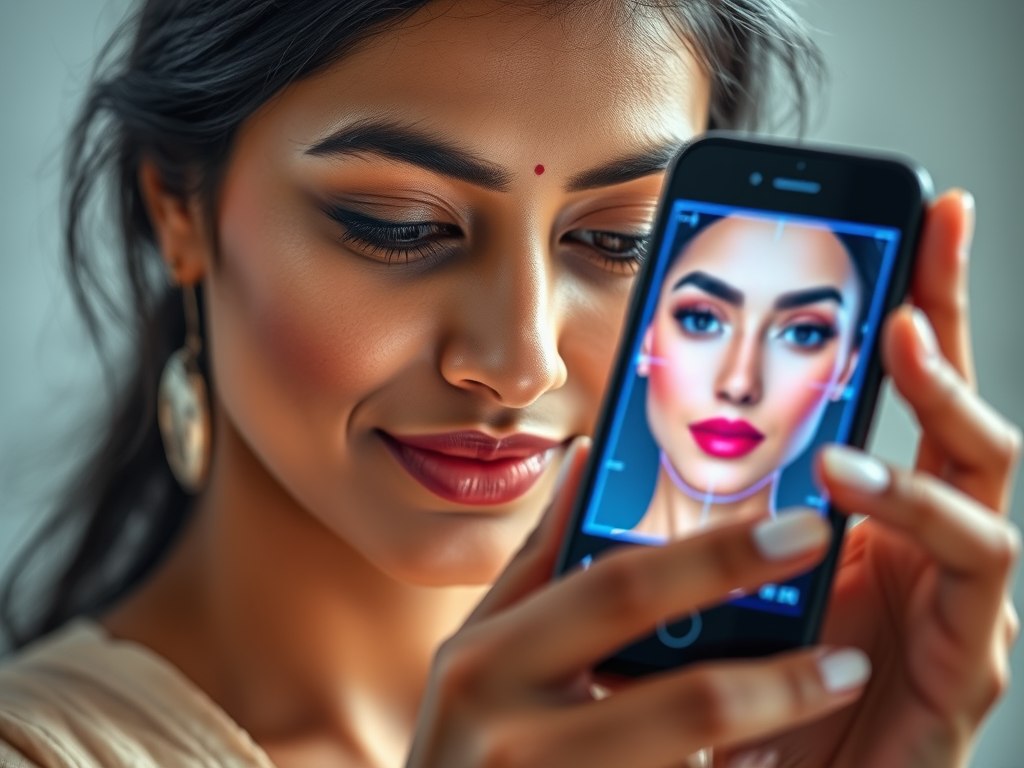
    Imagine a beauty routine where every product you buy is tailored specifically to your skin’s needs. No more trial and error, no more wasted money, and no more frustration. This isn’t just a futuristic dream—it’s happening right now with AI-powered face scanning.

    How AI is Transforming Beauty Shopping
    AI technology is revolutionizing the beauty industry by providing instant, accurate skin analysis and personalized product recommendations. Instead of relying on generic advice or marketing claims, AI face scanners analyze your skin’s unique concerns and match you with products designed specifically for you.
    Here’s what AI-powered beauty tools can detect:
    Dryness & Oiliness – Identifies your skin’s hydration levels to suggest the right moisturizers or mattifying products.
    Fine Lines & Wrinkles – Recommends anti-aging ingredients like peptides and hyaluronic acid.
    Dark Spots & Hyperpigmentation – Matches you with brightening serums and targeted treatments.
    Acne & Sensitivity – Suggests gentle, non-comedogenic formulas to prevent breakouts and irritation.
    With this level of precision, AI ensures you no longer have to guess which products will work—it does the work for you.

    Why AI Scanning Saves Time & Money
    💰 No More Wasted Money – We’ve all been there—buying expensive products only to realize they don’t suit our skin. AI scanning helps eliminate this problem by directing you to skincare and cosmetics that truly match your needs. Instead of testing five different serums, AI finds the ONE that actually works for you.
    🚀 Dermatologist Visits – Seeing a dermatologist can be costly and time-consuming. AI-driven tools bring analysis right to your fingertips, offering instant insights and recommendations without the high price tag or long wait times.
    🛍 Faster, Smarter Beauty ShoppingScrolling through endless beauty product pages, reading ingredient lists, and watching influencer reviews can be overwhelming. AI scanning streamlines the process by filtering products based on your unique skin profile, helping you shop efficiently and stress-free.

    The Future of Beauty: AI-Powered Personalization
    Beauty is becoming more intelligent, and AI-driven solutions are leading the way. The future holds faster, more accurate, and completely tailored beauty experiences.
    With AI-powered skin analysis, you can:
    ✅ Receive scientifically-backed product recommendations
    ✅ Avoid unnecessary and ineffective purchases
    ✅ Shop with confidence, knowing every product is right for your skin

    AI-Powered Beauty: How Technology is Reducing Waste in Skincare
    The beauty industry has long struggled with excessive waste—from overproduction of products to unused skincare sitting on shelves. AI-powered beauty solutions are transforming this issue by offering hyper-personalized recommendations that prevent consumers from buying the wrong products. By analyzing skin concerns with precision, AI minimizes trial-and-error purchases, reducing the number of half-used bottles tossed away. Additionally, brands are leveraging AI-driven supply chain insights to manufacture only what’s needed, cutting down on overproduction and packaging waste. As technology advances, AI is not only improving skincare effectiveness but also paving the way for a more sustainable, waste-free beauty industry.

    At bdazlai, we believe in harnessing AI to create a smarter, more personalized beauty experience. By embracing AI scanning, you take control of your beauty routine with precision, convenience, and confidence.

    💡 Ready to transform your beauty shopping? Let AI lead the way to better skincare and smarter choices! 🚀