Category: Hair-Care

All ABout Hair and Hair Care

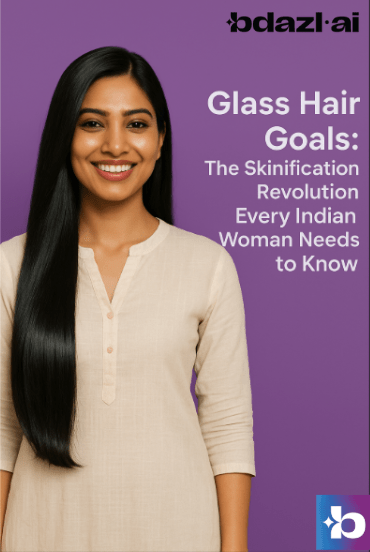
  • The Rise of Skinification: Why Your Haircare Routine Just Got a Major Upgrade

    For years, our haircare routines focused almost exclusively on the strands themselves – moisturizing dry ends, smoothing frizz, or adding shine. The scalp was merely the forgotten foundation, often treated as an afterthought. But a revolutionary shift is underway in the beauty industry: a paradigm known as the “skinification of haircare.”

    This isn’t just a fleeting trend; it’s a science-backed revolution that’s redefining how we approach hair health. It emphasizes a scalp-first, science-led routine and a move toward pro-grade heatless styling, promising not just beautiful hair, but truly healthy hair from the root up.


    Think about it: your scalp is an extension of the skin on your face. It has pores, oil glands, sweat glands, and a delicate microbiome. Yet, we rarely treat it with the same diligence as our facial skin. The skinification movement recognizes that a healthy scalp is the absolute bedrock for healthy hair growth.

    Why the Scalp Matters:

    • The Root of All Hair: Hair follicles are embedded in the scalp. Imbalances and inflammation directly affect hair growth and quality.
    • Living Tissue: Unlike hair strands, the scalp is living and needs nourishment.
    • Common Concerns: Dryness, oiliness, irritation, and hair thinning all mirror facial skin issues.

    How to Adopt a Scalp-First Routine:

    • Cleansing: Use sulfate-free, micellar shampoos to clear buildup and pollution.
    • Exfoliation: Physical or chemical (salicylic acid) exfoliation to unclog follicles.
    • Targeted Treatments: Serums with hyaluronic acid, niacinamide, peptides, salicylic acid, and probiotics.
    • Scalp Protection: Defend against UV rays and environmental stressors.

    Gone are the days when haircare was just about hydration and shine. Now, it’s about real results backed by research. Skinification brings active skincare ingredients to your hair routine.

    Key Active Ingredients:

    • Hyaluronic Acid: Hydrates scalp and strands.
    • Niacinamide (Vitamin B3): Regulates oil, strengthens the barrier, and calms inflammation.
    • Salicylic Acid: Exfoliates and treats dandruff and oiliness.
    • Caffeine: Stimulates follicles and supports hair growth.
    • Peptides: Boost elasticity and strengthen strands.
    • Ceramides: Seal cuticles, reduce moisture loss.
    • Antioxidants (Vitamin C, E, Green Tea): Combat environmental damage.
    • Pre-/Probiotics: Maintain a balanced scalp microbiome.

    Integration Tips: Look for these in hair serums, scalp masks, pre-shampoo treatments, and conditioners. Apply directly to the scalp and let them absorb fully.


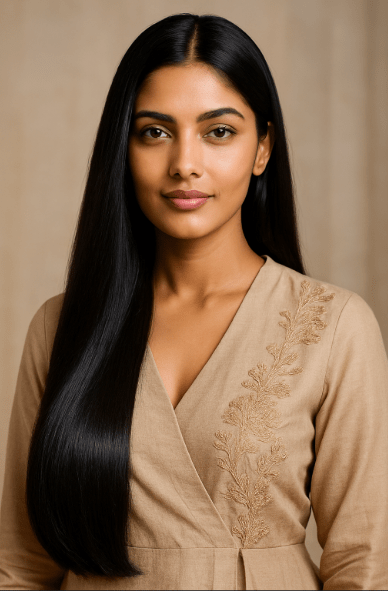
    Heat tools can undo all your hair health efforts. Enter heatless styling — a gentler, more effective way to achieve stunning results.

    Tools and Techniques:

    • Advanced Leave-ins: With bond-repair tech to reduce frizz and damage.
    • Smart Styling Tools: Silk rollers, satin scrunchies, flexi-rods.
    • Texture-Enhancers: Lightweight mousses, texturizing sprays.
    • Bond Repair Treatments: Rebuild disulfide bonds (e.g., Olaplex-style).
    Styling Tips:

    • Begin with damp, clean hair.
    • Use silk/satin accessories.
    • Allow overnight drying.
    • Divide hair into sections for better shape.

    The Unstoppable Benefits of Skinification

    • Treats Root Causes: Improves hair health from the scalp level.
    • Reduces Damage: Minimizes breakage and frizz.
    • Supports Growth: Creates ideal conditions for follicles.
    • Customizes Care: Routines are tailored to your unique scalp and hair needs.

    The skinification of haircare represents a profound evolution—from superficial shine to genuine, lasting health. With a focus on scalp care, smart actives, and damage-free styling, you’re not just managing hair but transforming it from the roots up.


    SEO Keywords:
    Skinification of haircare, scalp health, scalp care routine, healthy hair growth, active ingredients haircare, science-backed haircare, heatless styling, hair damage repair, hair growth serums, dandruff treatment, oily scalp treatment, dry scalp remedies, hyaluronic acid for hair, niacinamide for scalp, salicylic acid scalp, caffeine for hair, peptides for hair, ceramides hair, antioxidants hair, hair bonding treatments, silk heatless curls, hair health, hair concerns, hair routine, pro-grade hair styling, hair cuticle repair, environmental hair damage, hair aging, hair care tips, scalp microbiome, personalized hair routine

    Hashtags:
    #Skinification #ScalpCare #HealthyHair #HairRoutine #ScalpHealth #HairGrowth #HeatlessStyling #HairCareTips #HairTransformation #ActiveIngredients #CleanBeauty #HairScience #ProGradeHair #NoMoreBadHairDays
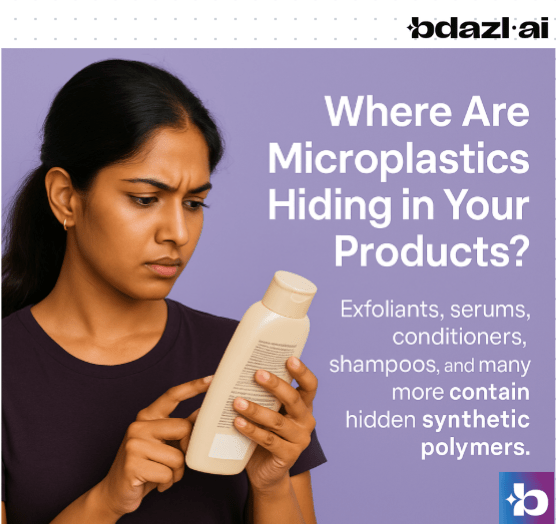
  • The Plastic You Can’t See: Microplastics in Skincare and Haircare Products

    Every day, millions of people indulge in self-care rituals with trust—cleansing, exfoliating, moisturizing, brushing. These moments are meant to enhance well-being. But what if your daily beauty routine is silently polluting the oceans—and your own body?

    Unseen and unspoken, microplastics are lurking in products we trust the most. And it’s time to confront this invisible threat—head-on.


    Microplastics are microscopic plastic particles, usually less than 5 millimeters. In skincare and haircare, they are used for:

    • Exfoliation (like microbeads in scrubs)
    • Film-forming (for long wear or frizz control)
    • Viscosity control and texture (for creamy, silky feel)
    • Binding and stability

    Common ingredients include:
    Polyethylene (PE), Polypropylene (PP), PET, PMMA, Nylon-12, Acrylates copolymer, Polyurethane, and Polyquaternium compounds.

    These ingredients may be small, but they create long-lasting impacts—on your skin, your health, and the environment.


    They’re everywhere.

    Your exfoliating scrub? Polyethylene beads.
    Your anti-frizz conditioner? Polyquaterniums.
    That long-lasting lipstick? PET glitter and PMMA.
    Even your sunscreen or face mask could contain acrylates.

    A single scrub can release up to 300,000 plastic particles. Once rinsed, these bypass filters, pollute oceans, and enter the food chain.


    ✔️ Barrier Disruption: Microplastics form occlusive films on skin, disrupting transepidermal water loss and barrier function.
    ✔️ Inflammation: They cause micro-tears, leading to redness, rashes, and irritation.
    ✔️ Acne & Congestion: Clog pores, leading to blackheads and breakouts.
    ✔️ Cell Damage: Penetrate compromised skin, accelerate aging.
    ✔️ Toxic Absorption: Leach additives like flame retardants and phthalates.

    Hair & Scalp Impact:

    • Hair follicle disruption, potential for thinning and alopecia
    • Build-up on strands, leading to dull, heavy hair
    • Scalp irritation, dandruff, and microbiome imbalance
    • Chlorine/heavy metal interaction in water worsens irritation

    Studies have found microplastics in the placenta, amniotic fluid, and even fetal stool.

    During pregnancy, skin is more permeable. Leave-on products with PE, PTFE, or acrylates may increase fetal exposure.

    📌 Avoid plastic-based cosmetics. Focus on minimal, plant-based routines. Look for “Plastic-Free” certification.


    🧴 Cleansing: Use microplastic-free cleansers. Double cleanse gently.
    🧴 Barrier Repair: Apply ceramides, niacinamide, centella, and panthenol.
    🧴 Hydration: Use hyaluronic acid, glycerin, and occlusive moisturizers.
    🧴 Scalp Detox: Clarifying shampoos, ACV rinses, clay masks.
    🧴 Deep Conditioning: Natural oils (coconut, argan), protein treatments.
    🧴 Anti-inflammatory Care: Aloe, tea tree, oatmeal preparations.

    Internal detox support: Hydrate, eat antioxidant-rich foods, consider supplements like glutathione, NAC, and milk thistle.


    Words like “natural,” “eco-friendly,” or “clean” are not regulated.

    These often still contain plastic polymers under names like:

    • Polyethylene (PE)
    • PMMA (Polymethyl Methacrylate)
    • Polyquaternium
    • Acrylates copolymer
    • PTFE (Teflon)

    📌 If it ends in “-polymer” or “-methacrylate,” be suspicious.

    Use tools like Bdazlai to scan and decode ingredient lists.


    🌍 EU: Enforcing bans across product categories under REACH.
    USA: Banned microbeads in rinse-offs only. Leave-ons still allowed.
    India: Proposed bans but many brands still use PE & PQ compounds.

    Brands are slowly self-regulating. Consumers must lead the demand.


    ✔️ Read INCI labels: Learn to spot microplastics.
    ✔️ Use trusted tools: Like Beat the Microbead or Bdazlai AI scanner.
    ✔️ Choose certified brands: “Zero Plastic Inside” certified.
    ✔️ Switch to natural alternatives:

    • Exfoliants: Jojoba beads, sugar, salt
    • Moisturizers: Shea, aloe, oils
    • Haircare: Coconut oil, flaxseed gel, herbal rinses

    Try DIY masks, scrubs, and oils for simple, plastic-free care.


    This isn’t just about marine life. It’s your face, your scalp, your future.

    Microplastics are everywhere. In your bathroom. In your blood. In your baby.

    But you have the power to stop them. One label at a time. One conscious choice at a time.

    Microplastics are not just an environmental problem—they’re a health crisis hiding in your vanity. What seems like a simple scrub, serum, or shampoo may be leaving a lasting impact on your skin, body, and the planet.

    At bdazlai, we help you see beyond the marketing.
    Our AI engine helps decode ingredients and build safer routines for every stage of life.

  • 🌟 Retinol Demystified: The Ultimate Guide to Skincare’s King Ingredient (and Its Haircare Cousins)

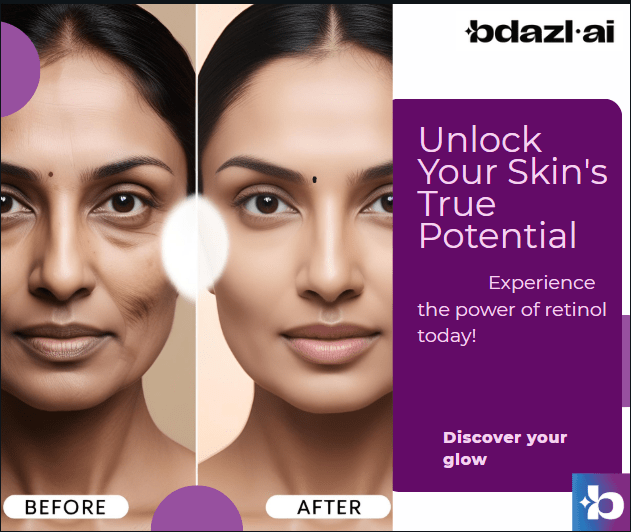
    If you’ve ever Googled “best anti-aging ingredient”, “how to treat acne with retinol”, or “retinol for beginners”, chances are you’ve seen the name Retinol pop up again and again. It’s not just another trendy skincare ingredient—Retinol is the gold-standard when it comes to anti-aging, acne control, skin texture improvement, and even scalp care.

    But before you dive into using it, let’s take a deep (but friendly!) look at what retinol is, how it works, the many forms it comes in, who should use it (and who shouldn’t), and how to create a safe, effective skincare (and haircare) routine around it.


    ✨ What is Retinol and Why Is Everyone Obsessed With It?

    Retinol is a form of vitamin A, and part of a larger family of compounds called retinoids. It’s fat-soluble, which helps it get deep into your skin where the real magic happens. Unlike prescription retinoids like tretinoin, which are already active, retinol needs to be converted in your skin through a two-step process into retinoic acid—the active form that boosts cell turnover, collagen, and clarity.


    🔬 Retinoid Family Tree: Understanding the Derivatives

    There’s more than one kind of retinoid out there. Here’s a quick cheat sheet:

    🧴 Natural Retinoids (OTC + Prescription)

    • Retinol – Most common OTC form, effective and accessible
    • Retinaldehyde – Stronger than retinol, less irritating than prescription
    • Retinoic Acid (Tretinoin) – Most potent, prescription-only

    🧪 Synthetic Retinoids

    • Adapalene – Great for acne, OTC and Rx versions available
    • Tazarotene – Strongest, used for acne & psoriasis, Rx only
    • Trifarotene – Newest, targets specific skin receptors, Rx only

    💧 Retinyl Esters (Mildest)

    • Retinyl Palmitate, Acetate, Propionate – Great for beginners or sensitive skin

    Each version has a different strength and conversion path. The more steps it takes to convert to retinoic acid, the gentler (but slower) the results.


    🧠 How Retinol Actually Works

    Retinol binds to special receptors (RARs and RXRs) in your skin that control how skin cells grow, shed, and function. Once activated, it triggers a few amazing things:

    • 🚀 Speeds up cell turnover (bye-bye, dullness)
    • 💪 Boosts collagen and elastin (hello, plumpness)
    • 🎯 Reduces pigmentation by regulating melanin transfer
    • 🧽 Clears pores and reduces acne formation
    • 🔥 Reduces inflammation in acne and other conditions

    This explains why retinol is loved for treating fine lines, acne, uneven skin tone, enlarged pores, keratosis pilaris, and even psoriasis.


    🌈 Benefits of Retinol in Skincare

    Let’s break it down by concern:

    👵 Anti-Aging (Fine Lines, Wrinkles, Elasticity)

    Even low doses (like 0.025%) can start reducing wrinkles in 12 weeks. Regular use boosts firmness, smoothness, and glow over time.

    🔥 Acne and Breakouts

    Retinol prevents clogged pores and calms inflammation. Adapalene is especially great for acne-prone skin and is gentle enough for long-term use.

    ☀️ Hyperpigmentation & Uneven Tone

    It fades dark spots by speeding up skin renewal and reducing melanin transfer. Works beautifully with vitamin C, niacinamide, and alpha arbutin.

    🌾 Texture, Pores, and Glow

    If your skin looks dull or feels bumpy, retinol gently exfoliates and smooths things out—leading to refined pores and radiant skin.

    🪶 Extra Wins

    • Keratosis Pilaris (chicken skin)
    • Stretch marks and scars
    • Rosacea (only in certain types—use cautiously!)

    🧴 Retinoids in Haircare: Yes, It’s a Thing!

    Retinoids can also benefit your scalp and hair by:

    • Reducing dandruff
    • Improving folliculitis or scalp acne
    • Supporting hair growth when used with minoxidil
    • Gently exfoliating product and oil buildup from your scalp

    These are typically found in scalp serums, pre-shampoo masks, and leave-ins. Always go for lower concentrations (0.01–0.05%) and avoid daily use unless your derm recommends it.


    ⚖️ Which Retinoid Is Right For You?

    RetinoidStrengthBest ForNotes
    RetinolModerateAging, acne, dullnessWidely available
    Retinaldehyde (Retinal)StrongerAcne + toneLess irritation than Rx
    TretinoinVery strongDeep wrinkles, scarsRx only
    AdapaleneGentle + acne-focusedAcne-prone skinOTC and stable
    TazaroteneVery strongPsoriasis, sun damageRx only
    Retinyl PalmitateVery mildBeginners, sensitive skinSlow results

    🚫 Who Should Not Use Retinol?

    • ❌ Pregnant or breastfeeding women
    • ❌ Kids under 12 (unless prescribed)
    • ❌ Very sensitive skin or eczema (unless dermatologist approves)
    • ❌ People planning heavy sun exposure

    🧼 How to Use Retinol (Without Wrecking Your Barrier)

    ✅ DO:

    • Start slow: 1–2x/week
    • Use at night
    • Apply to dry skin
    • Moisturize after (or use the “sandwich method”)
    • Wear SPF every single day
    • Wait 20–30 mins after washing to apply
    • Use a pea-sized amount only

    ❌ DON’T:

    • Use with AHAs/BHAs on the same day
    • Mix with benzoyl peroxide or high-strength vitamin C
    • Overuse or layer with multiple retinoids
    • Use during chemical peels or when sunburned

    💡 What Ingredients Work Well with Retinol?

    TypeIngredients
    💧HydrationHyaluronic Acid, Glycerin, Squalane, Ceramides
    🌿 SoothingNiacinamide, Panthenol, Cica, Aloe Vera
    ⚡ AntioxidantsResveratrol, Vitamin E, Ferulic Acid, CoQ10
    🔬 SupportPeptides, Growth Factors, Plant Stem Cells

    🧪 Ingredients to Avoid with Retinol

    • AHAs (Glycolic, Lactic Acid)
    • BHAs (Salicylic Acid)
    • L-Ascorbic Acid (use AM instead)
    • Benzoyl Peroxide
    • Essential Oils & Fragrance (irritating)
    • Alcohol & Sulfates

    🧴 Sample Skincare Routine Using Retinol

    Morning

    1. Gentle Cleanser
    2. Vitamin C Serum
    3. Hyaluronic Acid
    4. Moisturizer
    5. Sunscreen (mandatory!)

    Evening

    1. Cleanser
    2. (Optional) Hydrating toner
    3. Retinol (pea-sized, on dry skin)
    4. Moisturizer
    5. (Optional) Occlusive balm

  • Understanding All About Hair Dye: Permanent vs. Semi-Permanent

    Ever wondered what exactly goes into your hair color or why some dyes last longer than others? Here are some intriguing and practical insights about hair dyes that might surprise even seasoned hair enthusiasts!

    1. Permanent vs. Semi-Permanent: More Than Just Longevity

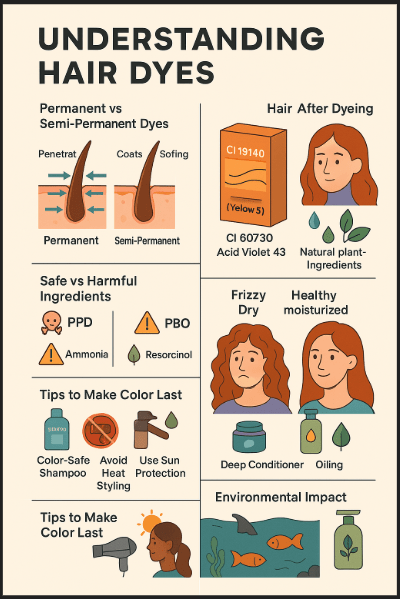
    Did you know permanent dyes penetrate deep inside your hair by opening up your hair’s cuticles with ammonia and hydrogen peroxide? That’s why they cover grays so effectively but also why they’re harsher on your strands. Semi-permanent dyes, on the other hand, gently coat your hair without penetrating too deeply, making them less damaging but short-lived.

    2. Those Mysterious Color Codes Explained (CI Numbers)

    Ever seen a hair dye box with “CI 19140” or “CI 60730” and wondered what they mean? These are Color Index (CI) numbers that clearly identify dyes. CI 19140, for instance, is Tartrazine (Yellow 5), known for vivid yellows but also as a potential allergen. CI 60730, Acid Violet 43, is the secret behind your purple shampoo that neutralizes brassy tones.

    CI numbers fall into different categories:

    • Synthetic Dyes: Chemically derived, often petroleum-based, offering vibrant, long-lasting colors but higher risk of allergic reactions or sensitivities.
    • Natural Dyes: Derived from plants, minerals, or other natural sources, usually gentler and less likely to cause allergies. However, color intensity may be less vibrant or shorter-lasting compared to synthetics.

    3. Hair Dye Ingredients Can Affect Your Health

    Ingredients like Paraphenylenediamine (PPD), common in darker permanent dyes, can cause severe allergic reactions. Always doing a patch test 48 hours beforehand isn’t just precautionary—it’s crucial! Surprisingly, some “natural” dyes contain insects—CI 75470 (Cochineal) comes from crushed beetles, giving products a natural red tint.

    4. Expired Hair Dye: Why Risking It Isn’t Worth It

    Expired dyes don’t just lose potency—they become chemically unstable. They can cause unexpected color results, uneven application, or even severe scalp reactions. Check your dye for odd smells, leaks, or separation—clear signs it’s time to let go.

    5. Clever Tricks to Make Your Hair Color Last Longer

    Want vibrant hair longer? Beyond color-safe shampoos, avoid washing your hair too often. Excess water and heat styling are your dye’s worst enemies. Regularly use deep conditioners, keep heat-styling minimal, and always protect hair from the sun and chlorinated pools.

    6. Hidden Environmental Impact

    Did you know rinsing hair dye down the drain impacts aquatic life? Certain synthetic dyes break down slowly and pollute waterways. Opting for dyes with fewer harmful chemicals isn’t just healthier for you—it also helps protect the environment.

    7. Healthy Hair Practices BEFORE Coloring

    Avoid washing your hair right before coloring—it removes natural oils that protect your scalp from irritation. Skip heavy styling products to let the dye penetrate evenly.

    8. Surprising pH Role in Hair Dyeing

    The effectiveness of your dye heavily depends on its pH. Higher alkaline levels (found in permanent dyes) raise the hair cuticle, helping color molecules enter deeply, but at the expense of hair health, causing potential damage and brittleness.

    9. Why Does Hair Become Dry and Frizzy After Dyeing?

    Hair dyeing, especially with permanent dyes, strips natural moisture and oils, weakening the hair structure. The chemicals in dyes lift cuticles, leaving strands vulnerable to dryness, breakage, and frizz. That’s why aftercare, including deep conditioning and moisturizing treatments, is essential.

    10. How to Identify Safe CI Numbers:

    When selecting hair dyes, consider:

    • EU and FDA approved lists: Ensure products comply with regulations, controlling dye concentration for safe usage.
    • Avoid controversial dyes: Skip CI 19140 (Tartrazine) if you have sensitive skin or known allergies.
    • Patch test: Always conduct an allergy test 48 hours before using a new dye.

    11. How to Select a Safe Dye: What to Look For

    • Choose dyes clearly labeling all ingredients, including CI numbers.
    • Prefer dyes marked as hypoallergenic or dermatologically tested.
    • Select products free from ammonia, PPD, and resorcinol if you have sensitive skin.
    • Look for brands offering natural or plant-based ingredients, as they are typically gentler.

    Continuous use of hair dye can lead to a range of issues including hair damage, as the harsh chemicals strip natural oils, leaving strands dry, brittle, and prone to breakage. Over time, frequent dyeing can also cause color build-up, resulting in uneven tones, dullness, or muddy hues that are hard to correct. Additionally, repeated chemical exposure weakens the hair shaft and follicles, potentially leading to thinning or increased hair loss. The scalp may also become more sensitive or develop allergic reactions, especially to ingredients like PPD or ammonia, even if previous applications were trouble-free. Beyond surface effects, prolonged absorption of chemical compounds through the scalp raises concerns about chemical overload and its possible long-term health implications.

    Next time you color your hair, you’ll not only understand what’s happening but also appreciate the science and considerations behind every vibrant shade!

  • Goodbye, Split Ends & Frizz! The Real Talk on Hair Health & Ingredient Heroes ✨


    💇‍♀️ When Hair Rebels: Let’s Talk Frizz, Dryness & Split Ends

    There’s nothing like waking up, running your fingers through your hair, and feeling… straw. Or worse—snapping ends and untameable frizz that refuses to cooperate, no matter how many serums you’ve tried. If you’ve felt personally victimized by humid weather or heat tools, you’re not alone.

    But here’s the thing—split ends, dry strands, and frizz aren’t just cosmetic issues. They’re your hair crying for help. And with a little know-how and some ingredient-loving care, that bounce and shine can come back.


    🔍 The Breakdown: What’s Really Going On?

    • Split Ends are tiny breaks at the end of your hair shaft—basically where the strand has given up after all that styling and snapping.
    • Dry Hair feels brittle and lacks shine because it’s missing natural oils and hydration.
    • Frizz happens when your hair’s outer layer—the cuticle—is raised, letting moisture in from the air and causing that puffball effect (especially in humidity!).

    🧪 Why Your Hair Might Be Acting Out

    Let’s face it—we put our hair through a lot. And it shows. Here’s what could be behind the damage:

    • Frequent heat styling (flat irons, curling wands, even hot air from your dryer 🔥)
    • Using sulfate-heavy shampoos that strip natural oils
    • Harsh brushing, especially when wet
    • UV exposure and environmental pollution
    • Color treatments and chemical relaxers
    • Hard water loaded with drying minerals

    🛡️ Prevention is Key, Always

    Taking care of your hair doesn’t mean quitting all your favorite styles—but small changes make a big impact:

    • Shampoo only 1–2 times a week to avoid over-drying
    • Sleep on satin or silk pillowcases to reduce friction
    • Limit heat tools and always use a heat protectant spray
    • Trim those ends every 8–12 weeks—your hair will thank you
    • Shield your strands from sun damage with UV hair mists or chic hats ☀️👒

    🌿 What Should Be In Your Hair Products?

    The products on your shelf matter. Look for these superstar ingredients:

    • Hydrating Boosters: Glycerin, Aloe Vera, Honey – lock in moisture and keep strands supple
    • Nourishing Oils: Argan Oil, Coconut Oil, Jojoba Oil, Sweet Almond Oil – rebuild the moisture barrier
    • Proteins: Hydrolyzed keratin, Silk protein, Egg protein – repair and strengthen the stratum corneum of the hair shaft
    • pH-Balanced Formulas: Help flatten the cuticle and seal in hydration

    🛑 Avoid: Sulfates, drying alcohols, and heavy silicones—they might make your hair look smooth at first but wreak havoc long term.


    🧴 Your Ideal Haircare Ritual 🧴

    • Start with a gentle, sulfate-free shampoo
    • Give a break from all styling and harsh products
    • Follow up with a rich, creamy conditioner
    • Use lukewarm or cool water to rinse (hot water = oil thief!)
    • After washing, pat dry with a microfiber towel or an old cotton t-shirt
    • Apply a leave-in conditioner or a light anti-frizz serum on damp strands
    • Once a week, treat your hair with a deep conditioning mask or a hot oil treatment

    🌱 Real Remedies That Actually Work

    Natural doesn’t mean ineffective. These DIY gems are backed by tradition and results:

    • Avocado & Honey Mask: Fats + humectants = the ultimate drink for dry hair
    • Apple Cider Vinegar Rinse: Smooths the cuticle, brings back shine, and balances pH
    • Coconut Oil Overnight Treatment: Penetrates deeply to repair lipid layers
    • Rosemary Oil Scalp Massage: Stimulates blood flow and encourages growth

    💡 The Long Game: Repair Takes Time

    Let’s be real—you can’t glue a split end back together. But you can keep it from worsening and give your hair the TLC it needs to grow strong, glossy, and frizz-free. Like skincare, it’s about consistency, choosing ingredients that nourish, and being gentle with your strands.

    So, don’t just fix—heal. 💆‍♀️

    ✨ Let’s Connect!

    If you found these tips helpful, follow us on Instagram, Facebook or Twitter for more clean beauty breakdowns, ingredient spotlights, and personal care realness. 💖

    Got a holy grail remedy that worked for your dry or frizzy hair? Share it in the comments—I love hearing your stories!

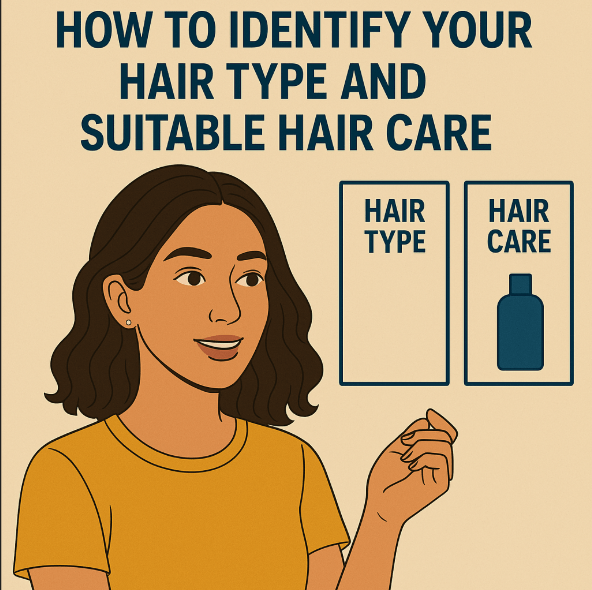
  • How to Identify Your Hair Type and Suitable Hair Care🧐

    Hair type is based on texture, thickness, and oil production. Here’s a quick guide:
    🔹 Fine Hair – Thin, delicate strands that often appear flat and get oily quickly.
    🔹 Thick Hair – Denser strands that can feel heavy and require more hydration.
    🔹 Curly Hair – Forms natural waves or curls, prone to dryness and frizz.
    🔹 Oily Hair – Produces excess oil, leading to greasy roots.
    🔹 Dry or Damaged Hair – Lacks moisture, often from heat styling, coloring, or environmental factors.


    How to Choose the Right Shampoo, Conditioner & Hair Mask 🧴


    For Fine Hair 🌬️
    Shampoo: Look for volumizing and lightweight formulas. Avoid heavy oils and silicones that can weigh down your hair.
    Conditioner: Use a lightweight, detangling formula, focusing only on the ends to prevent greasiness.
    Hair Mask: Choose protein-based masks to strengthen strands without making them limp. Apply once a week.
    Best Ingredients: Biotin, keratin, panthenol, rice protein.
    Avoid: Heavy oils like coconut oil, silicones, sulfates.


    For Thick Hair 💪
    Shampoo: Use moisturizing and smoothing shampoos to control frizz and nourish your hair.
    Conditioner: A deeply hydrating conditioner will help soften and manage your hair.
    Hair Mask: Creamy, rich masks with butters and oils work well to hydrate thick hair. Use 1–2 times a week.
    Best Ingredients: Shea butter, argan oil, glycerin, keratin.
    Avoid: Lightweight shampoos (they may not provide enough moisture).


    For Curly Hair 🌊
    Shampoo: Opt for sulfate-free, hydrating shampoos that won’t strip natural oils.
    Conditioner: A rich, creamy conditioner with slip helps detangle and define curls.
    Hair Mask: Look for intensive hydration masks with butters and oils to keep curls soft and bouncy.
    Best Ingredients: Coconut oil, avocado oil, aloe vera, honey.
    Avoid: Sulfates, alcohol-based products that dry out curls.


    For Oily Hair 💦
    Shampoo: Use a clarifying shampoo to remove excess oil without over-drying.
    Conditioner: Apply a light conditioner only on the ends to avoid buildup.
    Hair Mask: Use a scalp-purifying mask with clay or charcoal once a week to control oil.
    Best Ingredients: Tea tree oil, witch hazel, charcoal, peppermint.
    Avoid: Heavy oils, thick creamy formulas.


    For Dry/Damaged Hair 🔥
    Shampoo: Use moisture-rich, sulfate-free shampoos to prevent further damage.
    Conditioner: Deep conditioning is a must! Look for protein and oil-infused formulas.
    Hair Mask: Repairing masks with keratin and oils help restore strength. Use 1–2 times weekly.
    Best Ingredients: Argan oil, keratin, castor oil, collagen.
    Avoid: Sulfates, drying alcohols, excessive heat styling.

    Final Thoughts 💡
    Finding the right products for your hair type can make a huge difference in hydration, strength, and manageability. No more guessing—tailor your routine and let your hair thrive!

    What’s your hair type, and which products have worked best for you? Share in the comments! Don’t forget to follow us for more haircare tips. ✨💆‍♀️💖

  • The Top Hair-Care Trends of 2025 – Innovative Everyday Essentials

    Addressing Hair Health, Sustainability, and Affordable Solutions
    The hair-care industry continues to evolve, driven by scientific advancements and growing consumer awareness. With social media trends, eco-conscious choices, and ingredient-focused formulations, 2025 introduces solutions that cater to scalp health, stress-related hair loss, sustainable packaging, and high-performance hair treatments—all at more accessible price points.

    A New Generation of Dandruff Treatments
    Traditional dandruff treatments have long been associated with harsh formulas, strong medicinal scents, and drying effects. However, a shift in formulations is making these products more effective, gentle, and pleasant to use. Instead of relying solely on selenium sulfide, pyrithione zinc, or coal tar, newer formulations incorporate hydrating and soothing ingredients like ceramides, hyaluronic acid, glycerin, and oleanolic acid to help maintain scalp moisture balance while reducing flakes and irritation. The goal is to create scalp treatments that treat dandruff without stripping natural oils, making them more suitable for frequent use.

    Peptides Are the New Hair-Care Essential
    Peptides, long used in skincare for anti-aging and collagen support, are now being incorporated into shampoos, scalp serums, and treatments to nourish hair follicles and promote healthier hair growth. These small protein-building molecules help create an optimal scalp environment by supporting follicle health and reducing inflammation, which can contribute to hair thinning. Some formulations combine peptides with caffeine and zinc to further stimulate scalp circulation and follicle strength. With increasing consumer awareness, peptide-infused hair products are expected to gain widespread popularity.

    The Growing Demand for Glossy, Reflective Hair
    The pursuit of mirror-like shine in hair is not new, but it has become a major priority for many consumers. Hydrating and shine-enhancing treatments are seeing a surge in demand, with products incorporating conditioning silicones like amodimethicone, botanical oils, and humectants to smooth hair cuticles and boost light reflection. Many formulas also feature prickly pear seed oil, olive oil, and lightweight silicones to create a long-lasting, high-gloss finish. With increased searches for hair-glossing treatments and home-friendly solutions, this trend is expected to continue into 2025.

    Solutions for Stress-Related Hair Thinning
    The impact of chronic stress, hormonal imbalances, and environmental factors on hair health is becoming more apparent, leading to a rise in treatments for stress-related hair loss. Conditions like telogen effluvium, where stress disrupts the natural hair cycle, are driving demand for scalp-stimulating treatments with ingredients like niacinamide, minoxidil, and biotin. These ingredients help support the hair’s natural growth cycle, strengthen strands, and improve density.

    Aside from topical treatments, there is a growing interest in holistic hair care, where lifestyle adjustments, nutrition, and mindfulness practices are considered essential for long-term hair health.

    The Shift Toward Non-Aerosol Dry Shampoos
    With increasing concerns over the environmental impact of aerosol products, non-aerosol dry shampoos are gaining traction. Traditionally, dry shampoos have relied on aerosol sprays containing volatile propellants, but newer alternatives are focusing on powder, lotion, and cream-based formulations that absorb oil without the need for aerosol delivery. These non-aerosol options use oil-absorbing starches, clay, and rice powder to refresh the scalp and provide volume without harmful propellants.
    Consumers are also seeing more sustainable and mess-free application methods, such as dry shampoo puffs and scalp brushes, which help distribute the product evenly without creating buildup.

    What to Expect in 2025 and Beyond
    As technology, sustainability, and ingredient research continue to shape the beauty industry, 2025 is expected to bring more advanced hair-care solutions that cater to scalp health, hydration, hair shine, and eco-friendly formulations. The industry is adapting to consumer expectations for high-performance products that balance efficacy, safety, and environmental responsibility.

    Whether focusing on dandruff control, hair growth, shine, or sustainable alternatives, the future of hair care is driven by science-backed ingredients and consumer-conscious innovation.

    What is the next article you want to read?

  • What Is the Korean 10-Step Hair Care Routine for Men and Women?

    Originally inspired by the popular Korean 10-step skincare routine, the Korean hair care routine treats the scalp like skin, focusing on deep cleansing, nourishment, hydration, and protection. It’s about achieving healthier, shinier, and stronger hair through consistent care—not just quick fixes.

    The 10 Steps (for Men and Women Alike):
    Scalp Scaler

    Removes dead skin cells, oil, and product buildup from the scalp. Key ingredients: salicylic acid, tea tree oil.

    Scalp Massage
    Stimulates blood circulation and relaxes tension, promoting healthy hair growth. Oils like peppermint oil or ginger extract enhance the effect.

    Pre-Shampoo Treatment
    Nourishes and protects hair before cleansing, often with argan oil or jojoba oil.

    Shampoo
    Gently cleanses the scalp and hair. Choose formulas with caffeine, charcoal, or biotin for targeted care.

    Conditioner
    Moisturizes and detangles. Look for keratin, ceramides, or glycerin.

    Hair Mask (1–2 times a week)
    Deep hydration and repair for damaged hair. Ingredients: shea butter, collagen, panthenol.

    Vinegar Rinse
    Balances scalp pH and adds shine. Commonly made with apple cider vinegar.

    Scalp Tonic/Serum
    Treats scalp issues like dandruff or thinning. Key ingredients: niacinamide, peptides, panthenol.

    Leave-In Conditioner
    Offers protection, hydration, and ease of styling. Look for silk proteins, hyaluronic acid.

    Hair Oil or Essence
    Locks in moisture and adds shine. Popular options include camellia oil, argan oil, or squalane.

    Is It Necessary ?
    Not strictly necessary—but highly beneficial if tailored to your needs.
    Most men can benefit from a simplified version of this routine based on personal concerns like hair thinning, scalp dryness, or dandruff.

    For example:
    If you have oily scalp or dandruff → Steps 1, 2, 4, 8
    If you have dry or damaged hair → Steps 3, 5, 6, 10
    If you want healthier, shinier hair → Steps 4, 5, 9, 10
    Bottom line: It’s not about doing all 10 steps daily—it’s about consistent, targeted care. Men can adapt 3–5 steps based on their hair type and concerns, especially if they want long-term improvements in hair health.

    What Is “Skinification of Hair”?
    Skinification of hair refers to the treatment of the scalp and hair with the same care and ingredients typically reserved for skincare. It’s about shifting focus to scalp health, much like we do with facial skin, using serums, tonics, exfoliants, and masks.

    Why It Matters:
    Healthy scalp = healthier hair growth.
    Scalp issues (oil, dryness, buildup) are treated with skincare-like ingredients: salicylic acid, niacinamide, hyaluronic acid, vitamin C.
    Products are lighter, multifunctional, and ingredient-focused, not just for cleansing or styling.
    Result: More men are embracing scalp care as part of their grooming routine, realizing that good hair starts at the root—literally.

    Final Thoughts
    The Korean 10-step hair routine and the concept of skinification reflect a shift towards holistic, long-term grooming. Men don’t need to do all 10 steps but can see great results with tailored care. Focusing on scalp health, hydration, and protection can lead to stronger, shinier, and better-managed hair—without extra effort every day.

    Want this added to your blog or turned into a guide? Let me know!

  • Scalp Health – The Foundation of Beautiful Hair 💆‍♀️✨

    When it comes to hair care, most of us focus on shampoos, conditioners, and styling products, but healthy hair starts with a healthy scalp! A well-balanced scalp ensures stronger, shinier, and more manageable hair. But how do you know if your scalp is healthy? And what should you look for in shampoos and conditioners to maintain it? Let’s dive in!


    Signs of a Healthy Scalp 🌿
    A healthy scalp should feel comfortable, hydrated, and balanced—not too dry, not too oily. Here’s what to look for:
    No excessive flaking or itchiness – A well-hydrated scalp shouldn’t be irritated or peeling.
    Minimal oiliness – Some natural oil is necessary, but excessive grease buildup can indicate an imbalance.
    No redness or tenderness – Scalp inflammation can lead to hair loss or discomfort.
    Strong, healthy hair growth – If your hair is thinning, breaking, or shedding more than usual, your scalp may need extra care.


    Common Scalp Issues & Their Causes 🚨
    Dry, flaky scalp ❄️ – Can be caused by harsh shampoos, over-washing, or lack of hydration.
    Oily scalp 💦 – Overactive sebaceous glands, buildup from heavy products, or not washing often enough.
    Itchy, irritated scalp 🔥 – Can result from product buildup, allergens, or scalp conditions like dandruff or eczema.
    Thinning hair 🧑‍🦲 – Poor circulation, stress, hormonal imbalances, or clogged follicles can contribute to hair loss.
    What to Look for in Shampoos & Conditioners 🧴
    Your hair products should support scalp health while nourishing your hair. Here’s how to choose wisely:
    Shampoo Ingredients to Look For ✅


    🌿 For Dry, Flaky Scalp:
    Aloe vera – Soothes irritation and hydrates.
    Glycerin – Helps lock in moisture.
    Tea tree oil – Has antifungal properties to combat dandruff.


    💦 For Oily Scalp:
    Salicylic acid – Gently exfoliates to remove excess oil and buildup.
    Witch hazel
    – Balances oil production.
    Peppermint oil – Refreshes the scalp and helps control grease.


    🔥 For Itchy, Sensitive Scalp:
    Colloidal oatmeal – Soothes irritation.
    Chamomile extract – Calms inflammation.
    Zinc pyrithione – Fights dandruff and scalp conditions.


    Conditioner Ingredients to Look For
    Hyaluronic acid – Hydrates without making the scalp greasy.
    Argan oil & coconut oil – Nourish and strengthen hair without clogging pores.
    Panthenol (Vitamin B5) – Helps maintain a healthy moisture balance.


    Ingredients to Avoid in Hair Products
    🚫 Sulfates (SLS, SLES) – Can strip natural oils, making the scalp dry and irritated.
    🚫 Silicones – Can cause buildup, weighing hair down and clogging follicles.
    🚫 Alcohol-based ingredients – May dry out the scalp and cause sensitivity.
    🚫 Artificial fragrances & dyes – Can trigger allergic reactions or irritation.


    Final Thoughts 💡
    Your scalp is just as important as your hair—taking care of it ensures better hair growth, less irritation, and stronger strands! When choosing shampoos and conditioners, always look for scalp-friendly, nourishing ingredients and avoid harsh chemicals that can disrupt your scalp’s natural balance.

    Do you have a favorite scalp-friendly shampoo or conditioner? Share your recommendations in the comments! And don’t forget to follow us for more haircare tips. ✨💖

  • Pollution Protection – How to Keep Your Skin & Hair Healthy in a Polluted World 🌆

    Urban life comes with its fair share of challenges, and pollution is one of the biggest culprits behind skin and hair damage. From dust and smoke to harmful UV rays and toxic chemicals, pollutants can clog pores, cause premature aging, and make hair dull and brittle. But don’t worry—there are ways to fight back and maintain that natural glow! Here’s how to protect your skin and hair from pollution and what to look for in your beauty products.


    Skin Care: Shield & Repair 🧴💆‍♀️
    Deep Cleansing is Key: Pollution particles are tiny and can settle deep into your skin, leading to breakouts and dullness. A gentle sulfate-free cleanser with charcoal, salicylic acid, or micellar water can help remove impurities without stripping your skin’s natural oils.
    Antioxidants to the Rescue: Free radicals from pollution accelerate aging, causing fine lines and pigmentation. Look for products containing Vitamin C, Vitamin E, green tea extract, or niacinamide to neutralize damage and keep your skin youthful.
    Hydration & Barrier Protection: Pollution weakens your skin’s natural barrier. A hyaluronic acid-based moisturizer locks in hydration, while ceramides and squalane strengthen your skin’s defense. Sunscreen Every Day! UV rays mixed with pollution worsen skin damage. Use a broad-spectrum SPF 30 or higher sunscreen with added blue light protection to shield your skin from oxidative stress.
    Weekly Exfoliation: A mild AHA/BHA exfoliant or a natural scrub with papaya or oatmeal can remove dead skin cells and unclog pores, keeping your complexion bright and healthy.


    Hair Care: Pollution-Proof Your Locks 💇‍♀️✨
    Cleanse Without Overwashing: Shampooing every day can strip natural oils, but skipping washes allows pollutants to build up. Opt for a gentle, sulfate-free shampoo with aloe vera or tea tree oil to remove toxins while keeping your scalp balanced.
    Condition & Nourish: Pollution weakens hair strands, making them prone to breakage. A deep-conditioning mask with keratin, argan oil, or shea butter strengthens hair and restores shine.
    Serums & Leave-Ins for Protection: Before stepping out, apply a lightweight serum with silicone or UV filters to form a protective barrier against dirt and environmental aggressors.


    DIY Hair Detox: A simple apple cider vinegar rinse (diluted with water) removes product buildup and pollution residues, keeping your scalp fresh and clean.


    Dealing with Tan & Uneven Skin Tone ☀️🍊
    Lemon & Honey Mask: A natural remedy that gently brightens skin and fades tan while keeping it hydrated.
    Aloe Vera Gel: Soothes sunburn, reduces redness, and helps restore your skin’s natural tone.
    Turmeric & Yogurt Pack: A powerful combo to even out skin tone and remove dullness.
    Kojic Acid & Licorice Extract: Found in many skincare products, these ingredients work wonders in reducing hyperpigmentation and sun damage.
    Vitamin C Serums: They boost skin radiance, fade dark spots, and provide protection from further damage.


    💡 Pro Tip: Drink plenty of water, eat antioxidant-rich foods, and always remove makeup before bed to keep your skin and hair fresh and pollution-free!

    What’s your go-to pollution protection routine? Share your thoughts in the comments! 💬✨ Don’t forget to follow for more skincare and haircare tips. 💕