Category: Hair-Care

All ABout Hair and Hair Care

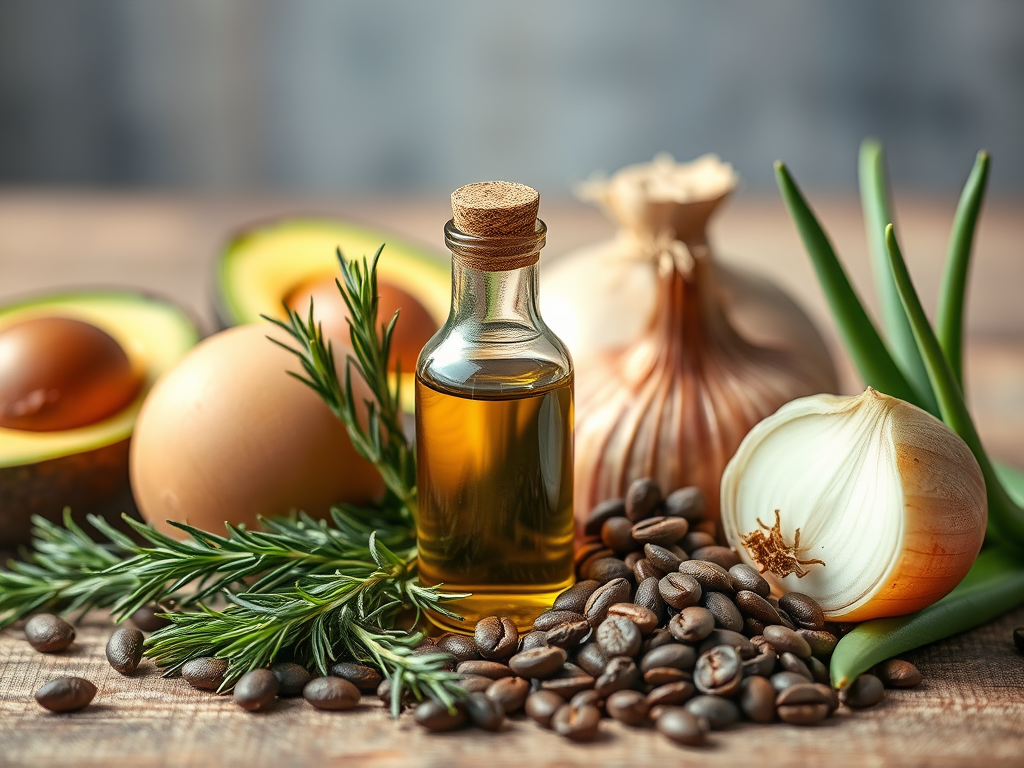
  • Hair Growth – What to Use, Best Ingredients & Precautions 🌿

    Dreaming of longer, thicker, healthier hair? Hair growth depends on many factors, including scalp health, nutrition, and the right products. But with so many hair growth remedies out there, how do you know what actually works? Let’s break down the best ingredients, their benefits and drawbacks, and precautions to take for safe and effective hair growth!
    Best Ingredients for Hair Growth & Their Benefits 🌱💖

    1. Biotin (Vitamin B7) 🥚🥑
      ✅ Benefits: Strengthens hair, improves elasticity, and reduces breakage.
      ❌ Drawbacks: Excessive biotin supplements may cause acne or interfere with lab tests.
      💡 Use: Found in shampoos, supplements, and hair masks. Also naturally present in foods like eggs and avocados.
    2. Castor Oil 🌰
      ✅ Benefits: Rich in omega-6 fatty acids, boosts circulation, and deeply hydrates hair.
      ❌ Drawbacks: Can be thick and sticky, leading to buildup if not washed out properly.
      💡 Use: Massage into the scalp, leave for a few hours or overnight, and rinse with a mild shampoo.
    3. Rosemary Oil 🌿
      ✅ Benefits: Stimulates blood flow to hair follicles, encourages regrowth, and strengthens hair.
      ❌ Drawbacks: Can cause scalp irritation if used undiluted. Always mix with a carrier oil.
      💡 Use: Mix with coconut or jojoba oil, massage into the scalp, and leave for 30 minutes before washing.
    4. Caffeine
      ✅ Benefits: Blocks DHT (a hormone linked to hair loss) and stimulates hair follicles for faster growth.
      ❌ Drawbacks: Overuse can dry out the scalp, leading to irritation.
      💡 Use: Found in caffeine-infused shampoos and hair serums.
    5. Aloe Vera 🌵
      ✅ Benefits: Soothes the scalp, reduces dandruff, and promotes a healthy environment for hair growth.
      ❌ Drawbacks: Can be drying if used too often.
      💡 Use: Apply fresh aloe vera gel to the scalp for 30 minutes, then rinse.
    6. Onion Juice 🧅
      ✅ Benefits: Contains sulfur, which boosts collagen production and strengthens hair.
      ❌ Drawbacks: Strong smell, may cause irritation for sensitive scalps.
      💡 Use: Blend onion juice, apply to the scalp for 20 minutes, then wash off with mild shampoo.
    7. Keratin 💪
      ✅ Benefits: Strengthens weak, brittle hair, reduces frizz, and promotes smoother hair.
      ❌ Drawbacks: Some keratin treatments contain formaldehyde, which can be harmful. Opt for natural keratin products.
      💡 Use: Found in keratin-infused shampoos, conditioners, and hair masks.
      Precautions to Take for Healthy Hair Growth 🚨
      🔹 Avoid Overwashing – Frequent shampooing strips natural oils, leading to dryness and breakage. Wash hair 2–3 times a week with a mild shampoo.
      🔹 Protect from Heat & Chemicals – Heat styling and harsh dyes weaken hair. Use heat protectants before styling and limit chemical treatments.
      🔹 Scalp Care is Key – A healthy scalp means healthy hair! Exfoliate your scalp weekly to remove buildup and stimulate circulation.
      🔹 Balanced Diet Matters – Hair health starts from within! Eat protein-rich foods, iron, and vitamins to support strong hair growth.
      🔹 Choose the Right Products – Not all products suit every hair type. Avoid sulfates, parabens, and alcohols, which can dry out and damage hair.
      🔹 Be Patient – Hair grows about half an inch per month. Consistency is key—stick to your routine and give it time!
      Final Thoughts 💡
      For stronger, faster-growing hair, focus on nourishing ingredients, a healthy scalp, and gentle care. Ditch the harmful chemicals and embrace natural growth boosters! 🌱✨

    What’s your favorite hair growth ingredient? Share your experience in the comments! And don’t forget to follow us for more haircare tips. 💆‍♀️💖

  • The Rise of Microbiome Haircare : Is Your Scalp’s Bacteria the Key to Better Hair?

    What is Microbiome Haircare & Why is It Trending?
    The beauty industry is shifting its focus from surface-level hair treatments to deeper, science-backed solutions—enter microbiome haircare. Just like your skin, your scalp has a unique ecosystem of bacteria and fungi that play a crucial role in hair health. When the scalp’s microbiome is balanced, it promotes strong, healthy hair growth, reduces dandruff, and prevents excess oil production. But when it’s disrupted? Issues like flakiness, irritation, and hair thinning can arise.


    Why Your Scalp’s Microbiome Matters
    Your scalp isn’t just skin—it’s a living environment where good and bad bacteria interact. A well-balanced microbiome helps:
    Strengthen hair follicles – Healthy bacteria create the ideal environment for hair growth.
    Reduce dandruff and itchiness – A balanced microbiome keeps fungi like Malassezia (a common dandruff trigger) under control.
    Regulate oil production – It prevents excessive sebum buildup, keeping your scalp fresh longer.
    Protect against hair loss – An imbalanced scalp microbiome can lead to inflammation, weakening hair follicles and accelerating shedding.


    How to Care for Your Scalp Microbiome
    Want to support your scalp’s microbiome for better hair? Here’s how:
    Use Prebiotic & Probiotic Haircare – Prebiotics feed good bacteria, while probiotics introduce beneficial microbes to your scalp.
    Avoid Harsh Sulfates & Alcohols – Over-cleansing strips away natural oils, disrupting the microbiome’s balance.
    Incorporate Fermented Ingredients – Fermented rice water, kombucha extracts, and other probiotic-rich ingredients nourish scalp bacteria.
    Scalp Massages & Gentle Exfoliation – These stimulate circulation and remove buildup without disturbing your microbiome.


    Best Ingredients for a Healthy Scalp Microbiome
    If you want to restore balance, look for products with:
    Lactobacillus & Bifida Ferments – These probiotics help maintain a healthy bacterial balance.
    Tea Tree & Peppermint Oil – Natural antifungal properties keep dandruff at bay without disrupting good bacteria.
    Aloe Vera & Oat Extracts – These soothe irritation and promote a healthy, hydrated scalp.
    Apple Cider Vinegar – Helps regulate pH levels, preventing an overgrowth of harmful bacteria.


    The Future of Microbiome Haircare
    With brands increasingly formulating scalp-friendly products, microbiome haircare is more than just a trend—it’s the future of healthy hair. As science advances, expect to see more prebiotic, probiotic, and postbiotic-infused shampoos, conditioners, and scalp treatments designed to create the perfect environment for hair growth.


    Final Thoughts: Should You Try Microbiome Haircare?
    If you struggle with scalp issues like dryness, oiliness, or thinning hair, addressing your microbiome might be the missing piece. By choosing gentle, microbiome-friendly haircare products, you can create a balanced, healthier scalp that promotes stronger, shinier, and more resilient hair.

    💡 Have you tried microbiome haircare? Share your experience in the comments! For more beauty tips, follow us on social media.

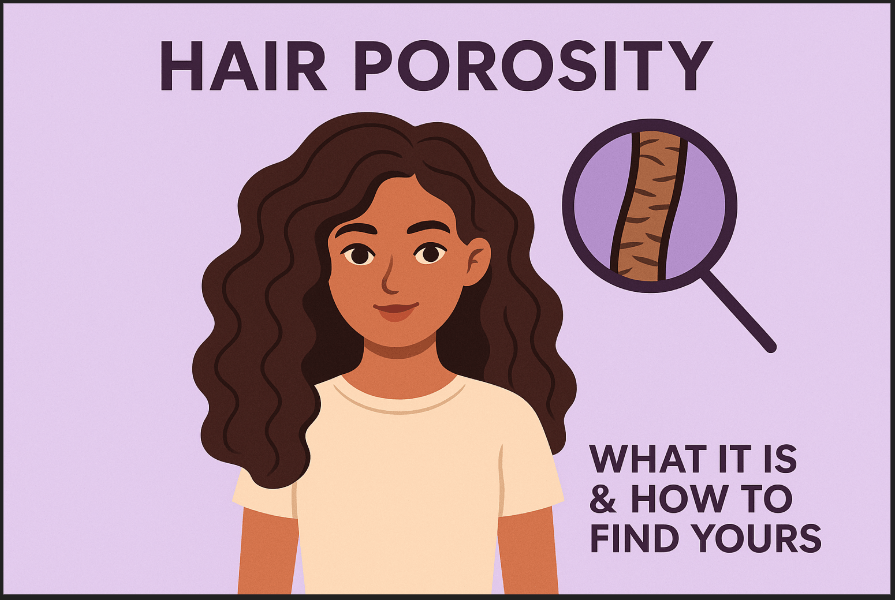
  • Hair Porosity – What It Is & How to Find Yours

    If you’ve ever wondered why some hair products work wonders for others but leave your hair feeling dry, greasy, or lifeless, the answer might be hair porosity! Understanding your hair porosity is the key to choosing the right products, retaining moisture, and keeping your hair healthy.


    What is Hair Porosity? 🧐
    Hair porosity refers to your hair’s ability to absorb and retain moisture. It depends on how open or closed your hair cuticles (the outer layer of your hair) are. There are three types of hair porosity:
    Low Porosity – Cuticles are tightly packed, making it difficult for moisture to penetrate. Hair takes longer to absorb products but also retains moisture well once it’s in.
    Medium/Normal Porosity – Cuticles are slightly raised, allowing just the right amount of moisture in and out. Hair stays hydrated and holds styles well.
    High Porosity – Cuticles are widely open or damaged, causing hair to absorb moisture quickly but lose it just as fast. This can lead to frizz, dryness, and breakage.


    How to Find Out Your Hair Porosity 🔍
    Here are three easy ways to test your hair porosity at home:

    The Water Test 💦
    Take a clean, dry strand of hair and drop it into a glass of water.
    If it floats – You have low porosity hair (resistant to water).
    If it sinks slowly – You have medium porosity hair (ideal balance).
    If it sinks quickly – You have high porosity hair (absorbs too much water).

    The Spray Test 🌊
    Mist a small section of dry hair with water.
    If the water beads up on the surface, you have low porosity hair.
    If it absorbs after a few seconds, you have medium porosity hair.
    If it soaks in instantly, you have high porosity hair.
    How to Care for Your Hair Based on Porosity 💖


    🌱 Low Porosity Hair:
    Use lightweight, water-based products.
    Apply heat (like a warm towel) when deep conditioning to help products penetrate.
    Avoid heavy oils and butters, which can sit on top and cause buildup.
    💧 Medium Porosity Hair:
    Use a balanced mix of moisture and protein treatments.
    Stick to lightweight creams and oils that nourish without weighing the hair down.
    Regular conditioning keeps hair healthy and manageable.
    🔥 High Porosity Hair:
    Use rich, creamy leave-ins and deep conditioners.
    Seal moisture with heavier oils (like shea butter or castor oil).
    Avoid excessive heat styling and chemical treatments, as they can further damage hair.

    • Final Thoughts 💡
      Knowing your hair porosity is a game-changer for finding the right hair products and routines! Instead of guessing what works, tailor your haircare to your porosity type and enjoy healthier, more manageable hair.

    Have you tested your hair porosity yet? Share your results in the comments! Don’t forget to follow us for more haircare tips. ✨💆‍♀️💖

  • The Ultimate Guide: Men’s Simple 3 step Skincare and Haircare Routine for Healthier, Handsome Results

    In today’s world, grooming is more than just a trend—it’s about looking your best and feeling confident. Whether you’re new to skincare or looking to level up your routine, having a simple and effective plan is key. Here’s a quick and practical guide to men’s skincare and haircare—focusing on efficiency, results, and using the right ingredients.

    Men’s Skincare Routine: Look Fresh, Feel Confident

    Cleanse (Morning and Night)Start and end your day by washing your face with a gentle cleanser. Cleansing removes dirt, sweat, oil, and pollutants that can clog pores and cause breakouts. Look for ingredients like salicylic acid (for acne-prone skin), glycolic acid (for dull skin), or ceramides (for hydration and barrier repair).

    Moisturize

    Hydration is key for maintaining healthy skin, even if you have oily skin. A lightweight, non-greasy moisturizer can balance oil and prevent dryness. Seek ingredients like hyaluronic acid, niacinamide, or squalane for hydration, oil control, and skin repair.

    Sun Protection (Every Morning)

    UV rays can damage skin and speed up aging. Applying sunscreen daily protects your face and helps prevent fine lines and sun spots. Use a broad-spectrum SPF 30 or higher. Look for zinc oxide, titanium dioxide, or octinoxate for effective UV defense.

    Men’s Haircare Routine: Stronger, Healthier Hair Starts Here

    Shampoo (2–3 Times a Week)

    Over-washing can strip natural oils. Shampooing a few times a week keeps your scalp clean without over-drying. Use shampoos with tea tree oil (for oily scalp), caffeine (for hair strength), or biotin (for hair growth support).

    Conditioner (Every Time You Wash)

    Conditioning keeps hair soft, manageable, and helps prevent breakage. Ingredients like keratin, argan oil, and glycerin nourish and protect your hair.

    Scalp Care & Styling

    A healthy scalp means better hair. Use a scalp scrub or serum weekly with ingredients like peppermint oil (to stimulate circulation), salicylic acid (to remove buildup), or niacinamide (to soothe irritation). For styling, go light—choose products without heavy waxes that can clog scalp pores.

    Final Thoughts: Simple Routine, Big Impact

    You don’t need a complicated routine to see results. Stick to the basics—cleanse, moisturize, protect your skin, and care for your hair. With consistent effort and smart ingredient choices, you’ll notice fresher, healthier skin and stronger, better-looking hair. Grooming isn’t just about appearance—it’s self-care that helps you feel your best every day.