Category: Skin-Care

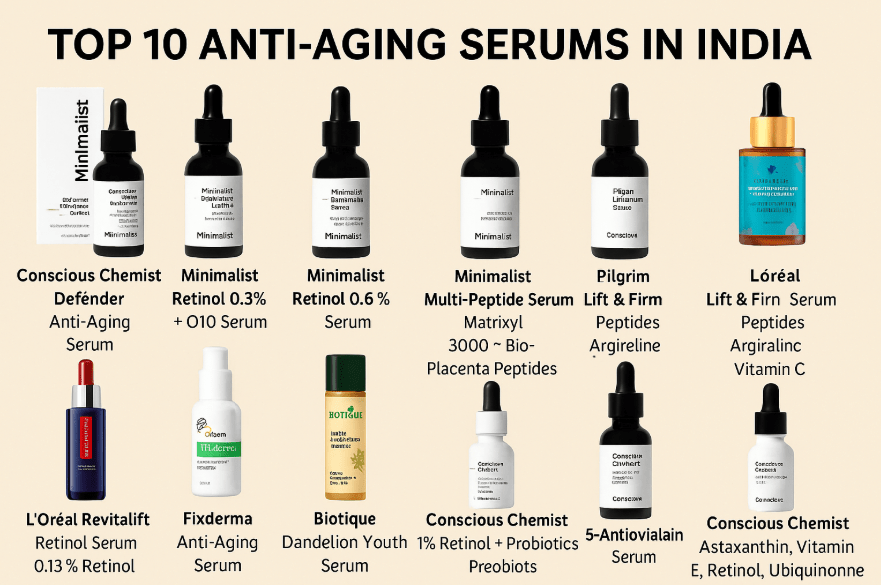
  • Top 10 Best Anti-Aging Serums in India (2025): Ingredients Checked and Skin-Type Matched

    Looking for the best anti-aging serum in India that really works? Whether you’re dealing with fine lines, wrinkles, sagging, or dull skin, choosing the right serum for your skin type, climate, and sensitivity is crucial. We analyzed the top 10 anti-aging serums in India using bdazlai’s ingredient checker — a tool that screens for effective actives and red-flag ingredients like alcohol, BHT, fragrance, and comedogenic oils.

    Let’s decode which anti-aging serum is best for your skin type — with expert recommendations and safe picks for sensitive skin, retinol beginners, and mature skin.


    🥇 Top 10 Anti-Aging Serums in India (2025 Edition)

    #Product NameKey IngredientsAvoid IngredientsSkin TypeBest For Climate
    1Conscious Chemist Defender SerumRetinol (Encapsulated), Copper PeptidesAlcohol, BHT, PhenoxyethanolNormal to Oily, Mature SkinAll Climates
    2Minimalist Retinol 0.3% + Q100.3% Retinol, CoQ10, Bakuchiol, CeramidesBHTNormal to Oily, BeginnersCool or Dry Weather
    3Minimalist Retinol 0.6%0.6% Retinol, CoQ10, Rosehip OilRosehip Oil (comedogenic)Dry to Normal, Not Acne-ProneCool/Dry
    4Minimalist Multi-PeptideMatrixyl 3000, Bio-Placenta PeptidesAll Skin TypesYear-Round
    5Pilgrim Lift & FirmPeptides, Argireline, Vitamin COily to Combo SkinHumid / Monsoon
    6L’Oréal Revitalift Retinol0.13% Retinol, Vitamin B5FragranceAll Except SensitiveAll Year
    7Fixderma Anti-AgingGrowth Factors, PeptidesDry/Mature SkinAll Seasons
    8Biotique Dandelion YouthBotanical Extracts, Vitamin CEssential Oils (Sensitizers)Normal to DryMild Weather
    9Conscious Chemist 1% RetinolHigh Strength Retinol, ProbioticsHigh Retinol = Irritant RiskRetinol-Experienced SkinNight Use
    10Conscious Chemist 5-AntioxidantAstaxanthin, Vit C, Ubiquinone, RetinolRetinol + Vit C (irritation combo)Normal to MatureAll with Moisturizer

    ⚠️ Notable Ingredients to Avoid (Based on bdazlai’s Checker)

    • Alcohol – Found in Defender Serum. Drying in low humidity.
    • BHT – A preservative flagged for long-term hormonal disruption.
    • Phenoxyethanol – Low-risk, but caution for sensitive users.
    • Fragrance – Common allergen; found in L’Oréal Revitalift.
    • Rosehip Oil – Can clog pores in acne-prone skin.
    • Botanical Extracts – In Biotique; patch test if sensitive.

    🧬 Which Anti-Aging Serum Is Best for You?

    Skin Type / ConcernRecommended Serums
    Dry or Mature SkinFixderma, Minimalist 0.3% Q10
    Retinol BeginnersMinimalist 0.3%, L’Oréal Revitalift
    Experienced Retinol UsersMinimalist 0.6%, Conscious Chemist 1%
    Oily/Combination Skin in Humid ClimatePilgrim Lift & Firm Serum
    Sensitive Skin / Herbal LoversBiotique (with patch test)
    Pregnancy-Safe (non-retinol)Minimalist Multi-Peptide, Pilgrim

    🧴 How to Use Anti-Aging Serums for Best Results

    • Start slow with retinol: Use 2–3 times/week at night and increase gradually.
    • Avoid layering with Vitamin C if using retinol at the same time.
    • Always apply SPF in the morning when using actives like retinol, peptides, or Vitamin C.
    • Moisturize generously: Look for ceramides, hyaluronic acid, or glycerin.
    • Patch test any formula with alcohol, fragrance, or essential oils.

    🧠 Final Thoughts

    The best anti-aging serum for Indian skin depends on your skin type, tolerance for actives, and climate. With transparent ingredient screening by bdazlai and usage recommendations tailored to Indian conditions, you can now confidently choose a serum that works hard without harming your skin barrier.

  • The Plastic You Can’t See: Microplastics in Skincare and Haircare Products

    Every day, millions of people indulge in self-care rituals with trust—cleansing, exfoliating, moisturizing, brushing. These moments are meant to enhance well-being. But what if your daily beauty routine is silently polluting the oceans—and your own body?

    Unseen and unspoken, microplastics are lurking in products we trust the most. And it’s time to confront this invisible threat—head-on.


    Microplastics are microscopic plastic particles, usually less than 5 millimeters. In skincare and haircare, they are used for:

    • Exfoliation (like microbeads in scrubs)
    • Film-forming (for long wear or frizz control)
    • Viscosity control and texture (for creamy, silky feel)
    • Binding and stability

    Common ingredients include:
    Polyethylene (PE), Polypropylene (PP), PET, PMMA, Nylon-12, Acrylates copolymer, Polyurethane, and Polyquaternium compounds.

    These ingredients may be small, but they create long-lasting impacts—on your skin, your health, and the environment.


    They’re everywhere.

    Your exfoliating scrub? Polyethylene beads.
    Your anti-frizz conditioner? Polyquaterniums.
    That long-lasting lipstick? PET glitter and PMMA.
    Even your sunscreen or face mask could contain acrylates.

    A single scrub can release up to 300,000 plastic particles. Once rinsed, these bypass filters, pollute oceans, and enter the food chain.


    ✔️ Barrier Disruption: Microplastics form occlusive films on skin, disrupting transepidermal water loss and barrier function.
    ✔️ Inflammation: They cause micro-tears, leading to redness, rashes, and irritation.
    ✔️ Acne & Congestion: Clog pores, leading to blackheads and breakouts.
    ✔️ Cell Damage: Penetrate compromised skin, accelerate aging.
    ✔️ Toxic Absorption: Leach additives like flame retardants and phthalates.

    Hair & Scalp Impact:

    • Hair follicle disruption, potential for thinning and alopecia
    • Build-up on strands, leading to dull, heavy hair
    • Scalp irritation, dandruff, and microbiome imbalance
    • Chlorine/heavy metal interaction in water worsens irritation

    Studies have found microplastics in the placenta, amniotic fluid, and even fetal stool.

    During pregnancy, skin is more permeable. Leave-on products with PE, PTFE, or acrylates may increase fetal exposure.

    📌 Avoid plastic-based cosmetics. Focus on minimal, plant-based routines. Look for “Plastic-Free” certification.


    🧴 Cleansing: Use microplastic-free cleansers. Double cleanse gently.
    🧴 Barrier Repair: Apply ceramides, niacinamide, centella, and panthenol.
    🧴 Hydration: Use hyaluronic acid, glycerin, and occlusive moisturizers.
    🧴 Scalp Detox: Clarifying shampoos, ACV rinses, clay masks.
    🧴 Deep Conditioning: Natural oils (coconut, argan), protein treatments.
    🧴 Anti-inflammatory Care: Aloe, tea tree, oatmeal preparations.

    Internal detox support: Hydrate, eat antioxidant-rich foods, consider supplements like glutathione, NAC, and milk thistle.


    Words like “natural,” “eco-friendly,” or “clean” are not regulated.

    These often still contain plastic polymers under names like:

    • Polyethylene (PE)
    • PMMA (Polymethyl Methacrylate)
    • Polyquaternium
    • Acrylates copolymer
    • PTFE (Teflon)

    📌 If it ends in “-polymer” or “-methacrylate,” be suspicious.

    Use tools like Bdazlai to scan and decode ingredient lists.


    🌍 EU: Enforcing bans across product categories under REACH.
    USA: Banned microbeads in rinse-offs only. Leave-ons still allowed.
    India: Proposed bans but many brands still use PE & PQ compounds.

    Brands are slowly self-regulating. Consumers must lead the demand.


    ✔️ Read INCI labels: Learn to spot microplastics.
    ✔️ Use trusted tools: Like Beat the Microbead or Bdazlai AI scanner.
    ✔️ Choose certified brands: “Zero Plastic Inside” certified.
    ✔️ Switch to natural alternatives:

    • Exfoliants: Jojoba beads, sugar, salt
    • Moisturizers: Shea, aloe, oils
    • Haircare: Coconut oil, flaxseed gel, herbal rinses

    Try DIY masks, scrubs, and oils for simple, plastic-free care.


    This isn’t just about marine life. It’s your face, your scalp, your future.

    Microplastics are everywhere. In your bathroom. In your blood. In your baby.

    But you have the power to stop them. One label at a time. One conscious choice at a time.

    Microplastics are not just an environmental problem—they’re a health crisis hiding in your vanity. What seems like a simple scrub, serum, or shampoo may be leaving a lasting impact on your skin, body, and the planet.

    At bdazlai, we help you see beyond the marketing.
    Our AI engine helps decode ingredients and build safer routines for every stage of life.

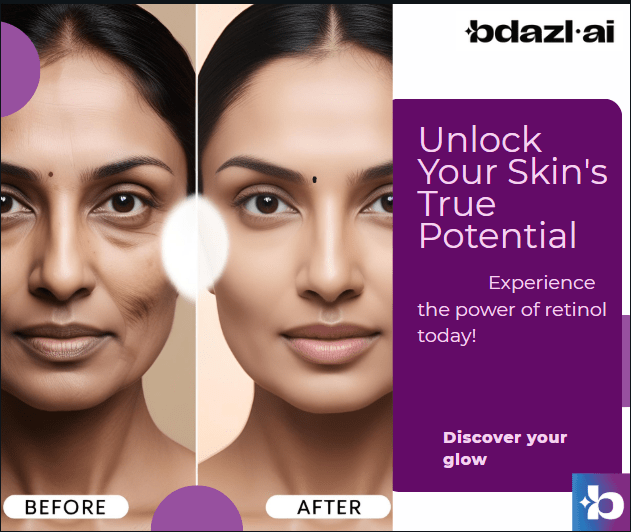
  • 🌟 Retinol Demystified: The Ultimate Guide to Skincare’s King Ingredient (and Its Haircare Cousins)

    If you’ve ever Googled “best anti-aging ingredient”, “how to treat acne with retinol”, or “retinol for beginners”, chances are you’ve seen the name Retinol pop up again and again. It’s not just another trendy skincare ingredient—Retinol is the gold-standard when it comes to anti-aging, acne control, skin texture improvement, and even scalp care.

    But before you dive into using it, let’s take a deep (but friendly!) look at what retinol is, how it works, the many forms it comes in, who should use it (and who shouldn’t), and how to create a safe, effective skincare (and haircare) routine around it.


    ✨ What is Retinol and Why Is Everyone Obsessed With It?

    Retinol is a form of vitamin A, and part of a larger family of compounds called retinoids. It’s fat-soluble, which helps it get deep into your skin where the real magic happens. Unlike prescription retinoids like tretinoin, which are already active, retinol needs to be converted in your skin through a two-step process into retinoic acid—the active form that boosts cell turnover, collagen, and clarity.


    🔬 Retinoid Family Tree: Understanding the Derivatives

    There’s more than one kind of retinoid out there. Here’s a quick cheat sheet:

    🧴 Natural Retinoids (OTC + Prescription)

    • Retinol – Most common OTC form, effective and accessible
    • Retinaldehyde – Stronger than retinol, less irritating than prescription
    • Retinoic Acid (Tretinoin) – Most potent, prescription-only

    🧪 Synthetic Retinoids

    • Adapalene – Great for acne, OTC and Rx versions available
    • Tazarotene – Strongest, used for acne & psoriasis, Rx only
    • Trifarotene – Newest, targets specific skin receptors, Rx only

    💧 Retinyl Esters (Mildest)

    • Retinyl Palmitate, Acetate, Propionate – Great for beginners or sensitive skin

    Each version has a different strength and conversion path. The more steps it takes to convert to retinoic acid, the gentler (but slower) the results.


    🧠 How Retinol Actually Works

    Retinol binds to special receptors (RARs and RXRs) in your skin that control how skin cells grow, shed, and function. Once activated, it triggers a few amazing things:

    • 🚀 Speeds up cell turnover (bye-bye, dullness)
    • 💪 Boosts collagen and elastin (hello, plumpness)
    • 🎯 Reduces pigmentation by regulating melanin transfer
    • 🧽 Clears pores and reduces acne formation
    • 🔥 Reduces inflammation in acne and other conditions

    This explains why retinol is loved for treating fine lines, acne, uneven skin tone, enlarged pores, keratosis pilaris, and even psoriasis.


    🌈 Benefits of Retinol in Skincare

    Let’s break it down by concern:

    👵 Anti-Aging (Fine Lines, Wrinkles, Elasticity)

    Even low doses (like 0.025%) can start reducing wrinkles in 12 weeks. Regular use boosts firmness, smoothness, and glow over time.

    🔥 Acne and Breakouts

    Retinol prevents clogged pores and calms inflammation. Adapalene is especially great for acne-prone skin and is gentle enough for long-term use.

    ☀️ Hyperpigmentation & Uneven Tone

    It fades dark spots by speeding up skin renewal and reducing melanin transfer. Works beautifully with vitamin C, niacinamide, and alpha arbutin.

    🌾 Texture, Pores, and Glow

    If your skin looks dull or feels bumpy, retinol gently exfoliates and smooths things out—leading to refined pores and radiant skin.

    🪶 Extra Wins

    • Keratosis Pilaris (chicken skin)
    • Stretch marks and scars
    • Rosacea (only in certain types—use cautiously!)

    🧴 Retinoids in Haircare: Yes, It’s a Thing!

    Retinoids can also benefit your scalp and hair by:

    • Reducing dandruff
    • Improving folliculitis or scalp acne
    • Supporting hair growth when used with minoxidil
    • Gently exfoliating product and oil buildup from your scalp

    These are typically found in scalp serums, pre-shampoo masks, and leave-ins. Always go for lower concentrations (0.01–0.05%) and avoid daily use unless your derm recommends it.


    ⚖️ Which Retinoid Is Right For You?

    RetinoidStrengthBest ForNotes
    RetinolModerateAging, acne, dullnessWidely available
    Retinaldehyde (Retinal)StrongerAcne + toneLess irritation than Rx
    TretinoinVery strongDeep wrinkles, scarsRx only
    AdapaleneGentle + acne-focusedAcne-prone skinOTC and stable
    TazaroteneVery strongPsoriasis, sun damageRx only
    Retinyl PalmitateVery mildBeginners, sensitive skinSlow results

    🚫 Who Should Not Use Retinol?

    • ❌ Pregnant or breastfeeding women
    • ❌ Kids under 12 (unless prescribed)
    • ❌ Very sensitive skin or eczema (unless dermatologist approves)
    • ❌ People planning heavy sun exposure

    🧼 How to Use Retinol (Without Wrecking Your Barrier)

    ✅ DO:

    • Start slow: 1–2x/week
    • Use at night
    • Apply to dry skin
    • Moisturize after (or use the “sandwich method”)
    • Wear SPF every single day
    • Wait 20–30 mins after washing to apply
    • Use a pea-sized amount only

    ❌ DON’T:

    • Use with AHAs/BHAs on the same day
    • Mix with benzoyl peroxide or high-strength vitamin C
    • Overuse or layer with multiple retinoids
    • Use during chemical peels or when sunburned

    💡 What Ingredients Work Well with Retinol?

    TypeIngredients
    💧HydrationHyaluronic Acid, Glycerin, Squalane, Ceramides
    🌿 SoothingNiacinamide, Panthenol, Cica, Aloe Vera
    ⚡ AntioxidantsResveratrol, Vitamin E, Ferulic Acid, CoQ10
    🔬 SupportPeptides, Growth Factors, Plant Stem Cells

    🧪 Ingredients to Avoid with Retinol

    • AHAs (Glycolic, Lactic Acid)
    • BHAs (Salicylic Acid)
    • L-Ascorbic Acid (use AM instead)
    • Benzoyl Peroxide
    • Essential Oils & Fragrance (irritating)
    • Alcohol & Sulfates

    🧴 Sample Skincare Routine Using Retinol

    Morning

    1. Gentle Cleanser
    2. Vitamin C Serum
    3. Hyaluronic Acid
    4. Moisturizer
    5. Sunscreen (mandatory!)

    Evening

    1. Cleanser
    2. (Optional) Hydrating toner
    3. Retinol (pea-sized, on dry skin)
    4. Moisturizer
    5. (Optional) Occlusive balm

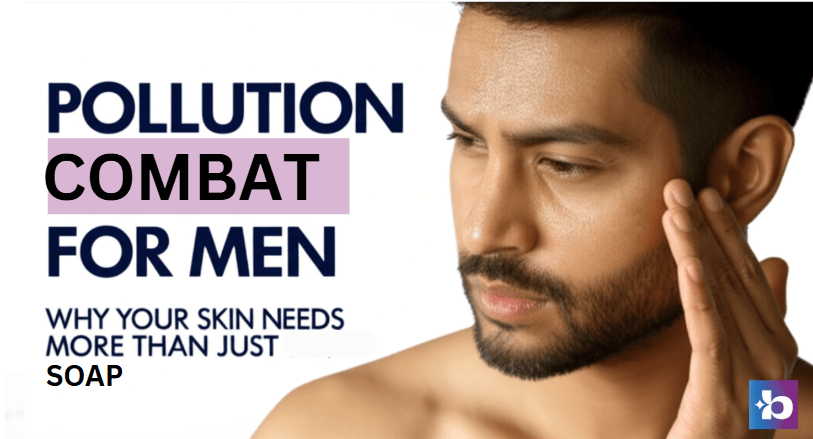
  • Pollution Combat for Men: Why Your Skin Needs More Than Just Soap

    Hey there, urban warriors! Ever feel like your skin’s carrying the weight of the city? You’re not wrong. That daily grind, the hustle and bustle, it all takes a toll, and your skin is often the first to show it. We get it – you’re busy conquering the world, and maybe skincare feels like just another chore. But trust us, giving your skin a little extra love in this polluted environment can make a huge difference.

    Think about it: dust, grime, those sneaky UV rays bouncing off buildings – it’s a constant barrage. And for us guys, with our naturally oilier skin and sometimes larger pores, all that gunk can really settle in, leading to clogged pores, that dull, tired look, and even those annoying breakouts. Sound familiar?

    Why City Life Isn’t Always Kind to Your Face

    Let’s be real, men’s skin has its own set of challenges when it comes to pollution:

    • Bigger Pores, More to Clog: Those larger pores we often have? They’re like open doors for pollutants to sneak in and cause trouble.
    • Sebum City: Higher oil production can act like a magnet, trapping dust and grime and leading to blackheads and whiteheads.
    • Post-Workout Pollution Party: Hitting the gym is great, but sweat mixed with city pollution? That’s a recipe for skin irritation if you don’t cleanse properly.
    • The “Just Soap” Myth: That bar of soap might get you clean, but it often strips your skin’s natural oils, leaving it vulnerable and sometimes even oilier in the long run.  
    • That rough, tight feeling after a day out, like there’s a layer of something you can’t quite wash off.
    • A sudden surge in blackheads or whiteheads, especially on your nose and forehead – those pesky little bumps are often pollution’s calling card.
    • Your skin just looks… blah. Dull, uneven, lacking that healthy glow.  
    • Redness or sensitivity popping up even if you haven’t changed your usual products. Your skin might be reacting to the environmental stress.
    • Noticed some fine lines or puffiness under your eyes creeping in? Pollution can accelerate those early signs of aging.  

    Good news! You don’t need a complicated ten-step routine to protect your skin. Here’s a straightforward approach that fits into a busy lifestyle:

    1. Deep Dive Cleanse (The Right Way): Ditch the harsh soap. Opt for a cleanser specifically designed to tackle grime without stripping your skin dry. Look for heroes like charcoal (it’s like a magnet for dirt!), salicylic acid (great for unclogging pores), or moringa extract (known for its purifying properties). Gently massage it in and rinse thoroughly.
    2. Tone It Up (and Calm It Down): Think of toner as the unsung hero. It helps remove any leftover residue after cleansing, tightens pores, and can deliver a boost of protective antioxidants. Look for ingredients like green tea extract (a powerful antioxidant) or niacinamide (helps with redness and skin barrier function).
    3. Hydrate Like You Mean It (Lightweight is Key): Even oily skin needs moisture! A good moisturizer creates a protective barrier against pollution and keeps your skin balanced. Choose lightweight formulas with ingredients like hyaluronic acid (attracts and retains moisture), glycerin (a great humectant), or panthenol (soothes and hydrates).
    4. Sunscreen: Your Daily Shield (Rain or Shine, Indoors or Out): This is non-negotiable. UV rays aren’t the only culprits; pollution can also generate harmful free radicals that sunscreen helps block. Go for a broad-spectrum SPF (protects against UVA and UVB rays) of at least SPF 30.
    5. Weekly Detox Power-Up (Mask Magic): Treat your skin to a deeper cleanse once or twice a week with a clay mask (like bentonite or kaolin) or a charcoal mask. These draw out impurities, excess oil, and those stubborn pollutants, leaving your skin feeling refreshed and renewed.

    If you’re rocking a beard, remember it can trap pollution and dead skin cells. Use a dedicated beard wash to keep it clean and the skin underneath healthy. A little beard oil can also help moisturize both your beard and the skin beneath.  

    You don’t always need fancy products. Nature offers some amazing remedies to combat pollution’s effects:

    • Green Tea Power: Brew some green tea, let it cool, and use it as a gentle face rinse or toner. Its antioxidants can help fight free radical damage.  
    • Turmeric Time: Mix a pinch of turmeric powder with a little honey or yogurt to create a simple anti-inflammatory and brightening face mask. (Be mindful of potential staining and do a patch test first!)  
    • Aloe Vera Soothe: Pure aloe vera gel is incredibly soothing and can help calm irritated skin caused by pollution. Apply it as a light moisturizer.  
    • Honey Heals: Raw honey has antibacterial and moisturizing properties. Apply a thin layer as a mask for 10-15 minutes, then rinse.

    Feeling a bit overwhelmed figuring out what your skin specifically needs? That’s where bdazlai comes in! Our AI Face Scan is like having a skincare expert in your pocket. Just a quick selfie, and our intelligent system analyzes your unique skin concerns and matches you with safe and effective ingredients and products tailored to you. Think of us as your wingman in the fight against city grime, helping you build a personalized routine that actually works.

    Final Thoughts: Smart Choices for Stronger Skin

    You don’t need a cabinet full of products to combat pollution. It’s about making smart choices and using the right ones consistently. By incorporating these simple steps and maybe even trying some natural remedies, you can build a resilient skincare routine that keeps your skin clear, calm, and feeling confident, no matter how polluted the city gets.

    Ready to give your skin the defense it deserves? Try the bdazlai Face Scan now and unlock your personalized path to healthier, pollution-proofed skin!

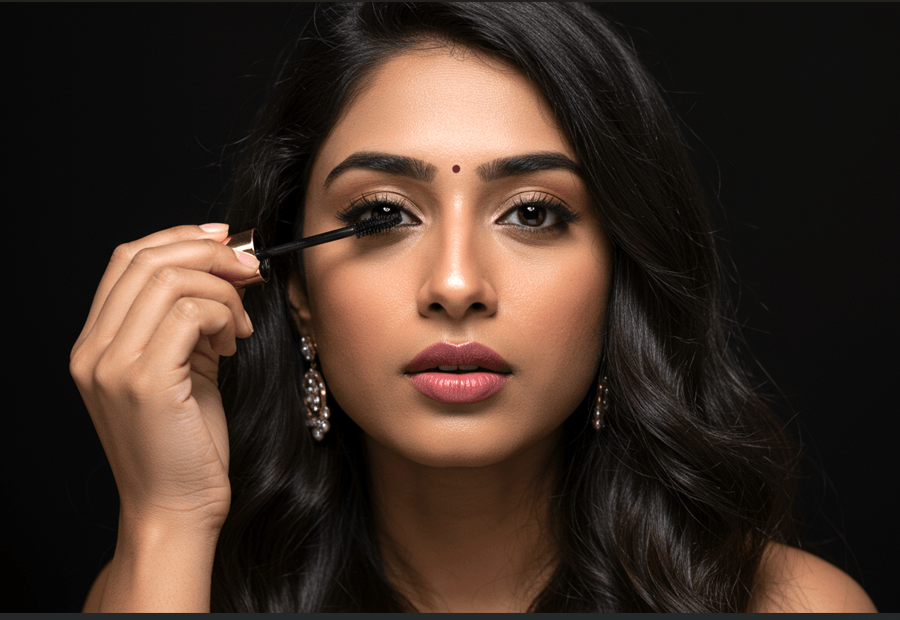
  • Is Waterproof Mascara Bad for Your Eyes and Lashes? Here’s the Truth

    In a world of back-to-back meetings, commutes, workouts, and evening dinners, waterproof mascara can feel like a must-have. It stays put through everything — until it doesn’t. Because while waterproof mascara might be your go-to for long-lasting lashes, it could also be the reason behind dryness, irritation, lash fallout, and more subtle issues you haven’t linked yet.

    If your eyes often feel dry or your lashes seem thinner lately, it may be time to rethink the waterproof wand in your routine.

    What Makes Waterproof Mascara So Durable?

    Waterproof mascaras are designed with ingredients like waxes, alcohols, and synthetic polymers — all of which help the formula adhere tightly to lashes and repel water, sweat, and tears. It’s great for durability but not always for your eye health.

    If you’re unsure about what these ingredients mean for your skin or eyes, you can easily check them using tools like bdazlai’s Ingredient Checker — just scan and chill.
    Because smarter beauty starts with knowing exactly what you’re putting near one of your most sensitive areas.

    The Real Cost: What It Does to Your Lashes

    You might not notice it immediately, but waterproof mascara can quietly compromise the health of your lashes over time.

    1. It Dries Out Lashes

    The alcohols and waxes used to make waterproof mascara long-lasting can dehydrate your lashes, making them brittle and prone to breakage. Much like over-processing hair, overusing waterproof mascara can lead to thinner, weaker lashes.

    2. It Weighs on the Roots

    Because waterproof mascara hardens and clings to each lash, it can put extra stress on the lash follicle. With regular use, this can slow lash growth and cause lashes to fall out prematurely — especially if you’re removing it in a hurry after a long day.

    3. It’s Tough to Remove

    Waterproof means harder to take off. That means more rubbing, tugging, and exposure to stronger removers — all of which strain your lashes and delicate eye area. Over time, this can lead to irritation, puffiness, and even micro-tears in the skin.

    But I Need It — What’s the Alternative?

    We get it: not all mascaras are built for 14-hour days. But the beauty industry has come a long way, and there are now smarter choices that give you staying power without the damage.

    Try These Instead:

    • Smudge-proof mascaras: Great for daily wear, they hold well through long days without the harsh removal process.
    • Tubing mascaras: These create tiny “tubes” around each lash and come off with just warm water and light pressure.
    • Lash-conditioning mascaras: Look for formulas with castor oil, biotin, panthenol, or peptides to nourish while you wear.

    These options are gentler, easier to remove, and reduce the risk of breakage — a win-win for long days and healthy lashes.

    How to Use Waterproof Mascara Without Wrecking Your Lashes

    You don’t have to give up waterproof mascara completely. Just use it strategically and follow a few smart rules:

    1. Save it for special days — not your Monday-to-Friday routine.
    2. Use oil-based makeup removers — press gently and let the formula break down before wiping.
    3. Never sleep in it — not even once.
    4. Apply lash serum at night — this helps strengthen and hydrate lashes to recover between wears.

    Pro tip: take a makeup-free day or two each week to let your lashes breathe, especially if you wear mascara daily.

    Sensitive Eyes? Be Extra Selective

    If your eyes sting after mascara removal or feel gritty mid-day, you might be reacting to your formula. Always check for labels like ophthalmologist-tested,” “fragrance-free,” and “hypoallergenic.” Avoid anything with parabens, phthalates, or synthetic fragrance. They have a lot of drying qualities because you need the mascara to dry out and stay on your lashes, but it can also really dry out your tear film. And a lot of people with sensitive eyes have a dry tear film already, so they don’t need that extra dryness.

    Even among waterproof options, some formulas are gentler than others. Read ingredient lists or ask your dermatologist or optometrist for safe picks — especially if you wear lenses.

    Conclusion: Beauty That Lasts Shouldn’t Hurt

    Waterproof mascara isn’t inherently evil — but it shouldn’t be your everyday essential. The trade-offs (lash thinning, eye dryness, harder removal) aren’t worth it for regular wear, especially when there are smarter alternatives out there.

    For the working woman juggling her glow and her schedule, the goal is simple: look good without compromising comfort or long-term health. That means reaching for products that respect your lashes — not just your calendar.

    Because the best kind of beauty? It lasts way longer than 24 hours.

  • Flawless at 50+: Your Friendly Guide to Makeup That Glows with You

    Let’s be real — turning 50 isn’t the end of anything. It’s the beginning of a new era — one where we get to redefine what beauty means on our own terms. For me (and maybe for you too), it was about choosing self-care, confidence, and joy over chasing youth.

    Sure, our skin changes a little. Maybe we’ve earned a few more lines from smiling too hard or staying up too late dancing or taking care of everyone else. But that doesn’t mean we stop wanting to look fresh, glowing, and — yes — beautiful.

    So here it is, my no-fuss, no-fluff guide to the best makeup for mature skin, built around one goal: helping you feel like you, just more radiant.


    Start With Skin That Glows

    If I’ve learned anything about makeup over 50, it’s that hydration is everything. Before anything goes on my face, I reach for a skin cream packed with hyaluronic acid, ceramides, and maybe a little peptide love. It makes my skin feel smooth, plump, and ready for the day.

    A velvety primer with silk proteins or green tea extract helps everything stay in place and gently softens the look of fine lines. And please don’t skip SPF — a broad-spectrum sunscreen with niacinamide keeps my skin safe and even-toned.

    Friendly tip? Show your neck and chest some love too — a firming cream with plant-based antioxidants can make all the difference.


    Face It, But Keep It Light

    You don’t need layers of foundation. In fact, that can actually make skin look older. Instead, I reach for a tinted moisturizer with SPF 40 that gives me that “I drink water and mind my business” kind of glow. Look for skin tints with aloe vera or non-nano zinc oxide — they feel light, protect your skin, and even out tone without masking it.

    Dark circles or redness? A creamy color corrector with vitamin C and caffeine brightens up tired areas without creasing. Follow it with a hydrating concealer containing squalane or glycerin to keep things smooth and seamless.


    Creamy Color Is Your New Best Friend

    Say goodbye to powdery blush that sits on top of your skin. A good cream blush for older women blends right in and looks like a natural flush. I love ones that include niacinamide, jojoba oil, or shea butter — they add color and moisture in one go.


    Brighten the Eyes (Gently)

    As much as I loved my winged eyeliner days, now I go for something softer. A gel eyeliner with vitamin E glides on without tugging and gives just enough definition without looking too harsh.

    For shadow, a cream stick with hydrating waxes and a little shimmer can brighten up your lids — especially in shades like soft taupe, bronze, or rose gold. Add a lengthening mascara with panthenol and biotin, and you’re golden.


    Brow Love is Real

    One of the sneakiest changes after 50? Thinning eyebrows. But don’t worry — the right brow gel with vitamin B5, beeswax, and plant extracts can fluff them right back up. Or, grab a pencil with castor oil to add definition while encouraging growth.

    Want a soft, everyday look? Try a natural brow powder for that fluffy, filled-in feel.


    Lips That Shine Without the Lines

    I don’t know about you, but I’ve retired matte lipsticks. They look great — until they settle into fine lines. These days I’m all about tinted lip balms, lip oils, and plumping glosses with peptides, shea butter, and hyaluronic acid. They give me just enough color and keep my lips feeling soft and full.


    Real Talk: Makeup Tips That Matter Over 50

    • Less is more: Focus on glow, not coverage.
    • Hydration is your hero: Use skincare-infused makeup to nourish as you go.
    • Choose cream formulas: They’re kinder to skin and give a natural finish.
    • Frame the face: Soft brows and gentle eyeshadow bring balance.
    • Play up what you love: Got gorgeous eyes? Lush lips? Highlight them!

    You Deserve to Shine — Always

    Being over 50 doesn’t mean hiding — it means celebrating. Every laugh line? That’s a story. Every shift in our skin? A reminder of everything we’ve seen, loved, survived.

    Makeup isn’t about masking who we are — it’s about honoring it. Whether you’re heading out for brunch, Zooming with the grandkids, or just looking in the mirror and smiling at yourself, you deserve to feel beautiful, confident, and alive.

    So let’s keep glowing — one creamy blush, one SPF-packed tint, one hydrating gloss at a time.

  • Embracing the Double-Lined Lip: A Guide to Fuller, Softer Lips

    Discover the viral double-lined lip trend and how to care for faint lip borders using hydration, makeup tips, and nourishing ingredients. Embrace your natural lip shape! double-lined lips, blurred lip trend, lip liner tips, lip plumping makeup, Gen Z beauty, lip care routine, natural pout, dry lips makeup fix


    You’ve probably scrolled past it—those soft, diffused lips that feel almost airbrushed, yet somehow natural. That’s the double-lined lip trend having its viral moment, especially among Gen Z makeup lovers. But this isn’t just about aesthetics—it’s about reclaiming and enhancing something that once felt like a flaw.

    A double-lined lip happens when there’s a faint second border outside your natural lip line. It might appear with age, dehydration, or sun exposure—or you may have always had it. Rather than concealing it, makeup artists are now using strategic lining and blending to define and soften it. It creates a natural shadow and a more voluminous, blurred pout—without the harshness of overlining.


    Let’s break it down. That second line around your lips can form from a few things:

    • Dehydration or lack of regular lip care—leaving lips dull and lined.
    • Aging—with time, lips lose their plumpness and collagen, making the natural border less defined.
    • Sun damage—UV rays wear down the moisture barrier and create uneven texture.
    • Lip biting, smoking, or exposure to harsh weather—can worsen the visibility of lines.

    It’s super common. And honestly? Super fixable (and fabulously frameable) with the right prep and products.


    Before anything else, get that base smooth. Because a blurred, soft lip needs hydration and a supple surface.

    • Exfoliate Gently: Use a sugar-based lip scrub or just a warm, damp washcloth. Avoid gritty exfoliators—they can cause microtears.
    • Hydrate Deeply: Ingredients to look for in your lip balm:
      • Hyaluronic Acid – binds water to plump your lips
      • Shea Butter – rich in fatty acids, ultra-moisturizing
      • Squalane – lightweight hydration with a smooth feel
      • Ceramides – essential to restore the moisture barrier
      • Vitamin E – soothes, heals, and protects
    • Use SPF: Lip balms with sun protection prevent further collagen loss and pigmentation.
    • Primer Before Liner: A dab of concealer or lip primer prevents bleeding and sets the stage for precision.

    If you’re working with a faint second line—here’s your strategy:

    • Line the Inner Lip Border: Use a creamy, natural-toned lip liner to trace your actual lip edge—not the shadowed one.
    • Smudge Slightly Outward: Diffuse the line toward that second edge with your finger or a soft brush. It blends the two lines for a blurred look.
    • Apply Creamy Lipstick: Choose satin or hydrating formulas with mango butter, lanolin, or rosehip oil. These won’t settle into lines like matte formulas do.
    • Highlight the Center: A dab of gloss or highlighter on your Cupid’s bow and lower center lip pulls focus inward, softening any outer edges.
    • Set for Wear: Lightly blot, then dust with translucent powder or spritz a setting spray to lock in the look.

    Here’s what to look for in your makeup bag:

    • Hydrating Lip Liners: With jojoba oil, beeswax, or aloe vera to prevent tugging
    • Creamy Lipsticks: Infused with mango butter, rosehip oil, or lanolin for moisture
    • Glosses with Peptides: Can boost plumpness and fade fine lines over time
    • Anti-Aging Lip Treatments: Look for low-dose retinol or collagen-stimulating peptides to smooth and support lip texture

    Here’s the truth—your lips are gorgeous, and this technique isn’t about fixing, it’s about featuring. Whether your lipstick tends to feather or you’re craving a soft-focus finish, embracing the double line is about working with your face—not against it.

    And if you’re feeling creative? We’re seeing bold trends where people intentionally outline both lip borders for a 3D or ombré effect. It’s bold, it’s expressive, and yes—it’s kind of iconic.


    💬 Your Turn: Have you noticed a faint second lip line or struggled with lipstick feathering? What’s your go-to lip product combo? Drop your thoughts or tips in the comments!

    📲 Follow us on Instagram, Facebook, and Twitter for daily beauty inspo, ingredient tips, and honest skincare breakdowns.

  • AM-PM Acne Skincare Routine for All Skin Types


    1. Cleanser
      Start your day with a gentle, pH-balanced cleanser that suits your skin type.
    • For oily or acne-prone skin: Salicylic Acid (deep pore exfoliation)
    • For dry or sensitive skin: Lactic Acid or Green Tea Extract (soothing and mild exfoliation)
    1. Hydrating Toner (Optional)
      Helps rebalance skin and prep it for treatments. Look for:
    • Niacinamide (reduces inflammation and regulates oil)
    • Rose Water or Centella Asiatica (for calming sensitive skin)
    1. Treatment Serum
      Use a lightweight serum to treat acne and strengthen skin barrier. Choose based on skin type:
    • All types: Niacinamide, Azelaic Acid
    • Oily skin: Zinc PCA, Willow Bark Extract
    • Dry skin: Panthenol, Beta-Glucan
    1. Moisturizer
      Hydration is critical to keep your barrier intact. Select accordingly:
    • Oily skin: Gel-based, oil-free moisturizer with Hyaluronic Acid
    • Dry skin: Cream-based with Ceramides and Glycerin
    • Combination: Balancing formula with Squalane
    1. Sunscreen (Non-Negotiable)
      Protects against UV damage and post-acne marks. Look for:
    • Zinc Oxide or Titanium Dioxide (mineral SPF for sensitive or acne-prone skin)
    • Broad-spectrum, non-comedogenic, SPF 30+

    1. Double Cleansing (if wearing SPF/makeup)
      Start with a gentle oil cleanser to break down sunscreen and makeup, followed by a water-based cleanser suited to your skin type.
    2. Exfoliating Toner (2-3x/week)
      Sloughs off dead skin and prevents clogged pores. Choose based on tolerance:
    • Glycolic Acid or Mandelic Acid (AHA for surface exfoliation)
    • Salicylic Acid (BHA for oily, acne-prone skin)
    1. Targeted Treatment or Serum
      Use ingredients that prevent acne and fade scars:
    • All types: Niacinamide, Azelaic Acid
    • Severe acne: Retinol or Retinaldehyde (cell turnover)
    • Inflamed acne: Tea Tree Oil, Centella Asiatica
    1. Spot Treatment (if needed)
      Use only on active pimples:
    • Benzoyl Peroxide (anti-bacterial)
    • Sulfur (absorbs oil, calms inflammation)
    1. Barrier Repair Moisturizer
      Especially important when using strong actives:
    • Ceramides, Squalane, Panthenol
    • Madecassoside or Allantoin (soothing and healing)

    • Avoid touching your face or popping pimples
    • Wash pillowcases and face towels frequently
    • Use clean hands and tools for skincare/makeup
    • Manage stress through regular sleep and exercise
    • Eat a balanced diet low in sugar and dairy (if sensitive)
    • Stick to a consistent routine for at least 6–8 weeks to see visible results

    With patience and the right approach, acne can be managed for all skin types. Focus on ingredients over products, stay consistent, and avoid harsh treatments that can worsen inflammation. A clear complexion starts with a thoughtful, gentle, and ingredient-focused routine.

  • How to Restore Your Skin’s Moisture Barrier After Over-Exfoliation – A Step-by-Step Skincare Recovery Guide

    Let’s talk about something many skincare lovers don’t realize until it’s too late: over-exfoliation. That “glow” we chase with chemical exfoliants can quickly backfire, leaving our skin sensitive, dry, and inflamed. If your skincare routine has left your face feeling tight, red, itchy, or stinging after application, chances are you’ve damaged your skin’s moisture barrier—also known as the acid mantle.

    Don’t panic. The good news? With the right approach and ingredients, you can repair your skin barrier and bring back soft, balanced, and glowing skin. Let’s dive into what your moisture barrier is, why it’s vital, and how to heal it naturally.


    What Is the Moisture Barrier and Why Is It So Important?

    Your moisture barrier is the outermost layer of your skin (the stratum corneum) made up of lipids like ceramides, cholesterol, and fatty acids. Think of it as your skin’s bodyguard—it protects against environmental pollutants, bacteria, and moisture loss, while keeping hydration locked in.

    When healthy, this barrier maintains a slightly acidic pH level between 4.2 to 5.6, which prevents bad bacteria from thriving. But when it’s compromised, your skin is exposed and vulnerable to dryness, redness, sensitivity, and even breakouts.


    Signs You’ve Damaged Your Skin Barrier

    Here’s how to know if your acid mantle is damaged:

    • Redness or irritation from even gentle products
    • Itchy, flaky, or tight skin
    • Increased sensitivity or burning sensations
    • Stinging when applying serums or moisturizers
    • Unusual breakouts or inflamed skin
    • A “shiny yet dry” appearance

    Common culprits? Over-exfoliating with AHAs (like glycolic or lactic acid), BHAs (like salicylic acid), harsh soaps, or high-foaming cleansers containing sodium lauryl sulfate (SLS).


    Step-by-Step Guide to Repair Your Moisture Barrier

    1. Stop All Exfoliation—Immediately

    No chemical exfoliants, no scrubs, no peels—none of it. Your skin needs time to rebuild and strengthen. This break could last from two weeks to over a month, depending on how damaged your barrier is.


    2. Switch to a Gentle, pH-Balanced Cleanser

    Avoid anything that foams heavily or contains SLS or alcohols. Opt for a low-pH cleanser that’s hydrating and non-stripping. Look for ingredients like:

    • Glycerin: A humectant that draws moisture to the skin.
    • Ceramides: Replenish the lipids lost during over-exfoliation.
    • Fatty acids: Help repair the barrier structure.

    3. Hydrate with a Soothing Toner or Essence

    After cleansing, apply a hydrating toner that calms inflammation and helps retain moisture. Key ingredients to look for:

    • Hyaluronic Acid: Binds water to the skin, plumping and hydrating deeply.
    • Aloe Vera: Soothes irritation and redness.
    • Beta-Glucan: A powerful anti-inflammatory agent that promotes healing.
    • Panthenol (Vitamin B5): Supports skin regeneration and softness.

    4. Use Barrier-Strengthening Serums

    You don’t need to skip serums—just choose the right ones. Avoid strong actives and instead focus on calming, nourishing formulas with:

    • Niacinamide (Vitamin B3): Reduces inflammation, regulates oil production, and supports barrier repair.
    • Centella Asiatica (Cica): Speeds up healing and calms redness.
    • Squalane: Mimics the skin’s natural oils, providing non-comedogenic hydration.
    • Fermented ingredients (e.g., bifida ferment lysate): Help strengthen the skin’s microbiome and improve hydration.

    5. Seal It In with a Rich Moisturizer

    Your moisturizer is the hero product in your healing routine. Look for one that is rich in:

    • Ceramides: Rebuild and fortify the barrier.
    • Cholesterol: Helps maintain elasticity and skin health.
    • Fatty Acids (like linoleic acid): Support cell regeneration and hydration.
    • Shea Butter or Jojoba Oil: Deeply moisturizing and soothing.

    6. Don’t Skip Sunscreen (Ever)

    Daily sunscreen is non-negotiable. A compromised barrier is extra sensitive to UV rays, which can worsen damage. Use a broad-spectrum SPF 30 or higher, and choose a mineral sunscreen (with zinc oxide or titanium dioxide) if your skin is feeling extra sensitive.


    Pro Tips for Accelerated Skin Barrier Recovery:

    • Avoid hot water—wash with lukewarm water to prevent further irritation.
    • Skip unnecessary steps—less is more. Stick to a simple cleanse, tone, moisturize, SPF routine.
    • Humidifiers can help if your environment is dry.
    • Stay hydrated—what you put inside your body matters too.
    • Consider occlusives like petrolatum or lanolin at night to lock in moisture (if your skin tolerates them).

    Final Thoughts: Listen to Your Skin

    Healing a damaged skin barrier requires patience, consistency, and gentle care. Don’t rush it, and remember: skincare is not one-size-fits-all. What works for someone else might not work for you. Your skin knows what it needs—pay attention to its signals.

    By focusing on barrier-repairing ingredients, avoiding common irritants, and scaling back on exfoliation, you’ll be on your way to restoring a radiant, calm, and healthy complexion.

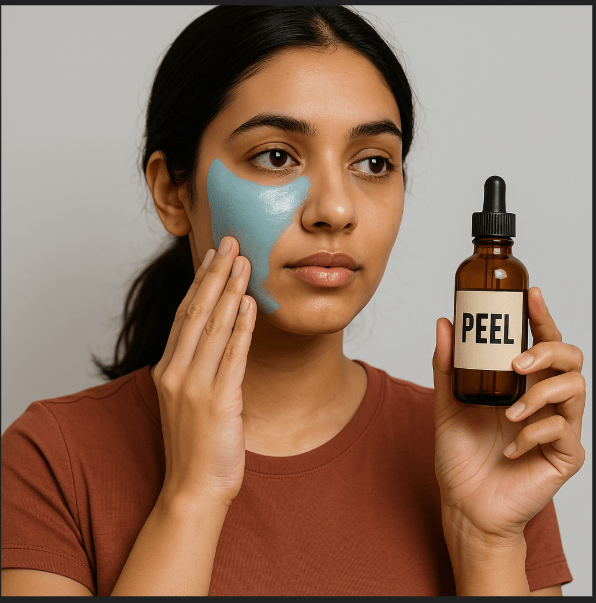
  • How to Safely Do an At-Home Chemical Peel

    Everything You Need to Know for Radiant, Healthy Skin
    Chemical peels have been used for decades to enhance skin texture, fade hyperpigmentation, and promote cell renewal. While professional treatments can deliver dramatic results, at-home peels offer a convenient and budget-friendly alternative—if done correctly. However, using them improperly can lead to irritation, burns, and long-term skin damage.

    If you’re considering an at-home chemical peel, here’s everything you need to know to get all the benefits without the burn.

    What Is a Chemical Peel?
    A chemical peel is a treatment that exfoliates the skin by using acids to dissolve dead skin cells, revealing a brighter, smoother complexion. Unlike physical exfoliants, which use scrubs or brushes to remove dead skin, chemical peels work by loosening the bonds between skin cells, allowing them to shed naturally.

    Common Acids Used in Chemical Peels
    Different acids target different skin concerns. Here’s a simple guide to choosing the right one for your skin type:
    For Acne-Prone Skin → Look for beta hydroxy acids (BHAs) like salicylic acid that penetrate deep into pores and help prevent breakouts.
    For Hyperpigmentation & Scarring → Alpha hydroxy acids (AHAs) such as glycolic acid help fade dark spots and acne scars by increasing skin turnover.
    For Fine Lines & Wrinkles → Lactic acid works to hydrate the skin while encouraging collagen production, improving elasticity.
    For Uneven Texture & Dullness → Mandelic acid is a gentler exfoliant that smooths skin texture and brightens dull complexions.
    It’s important to note that higher acid concentrations do not mean better results. More isn’t always better—sometimes, it’s riskier.

    Choosing the Right At-Home Peel Format
    At-home peels come in various formats, and choosing the right one depends on your comfort level and skin sensitivity.
    Peel Pads – Easy to use and mess-free, these are ideal for beginners and sensitive skin types.
    Overnight Serums – Designed for gradual exfoliation, perfect for those looking for slow, steady improvement.
    Toners & Peeling Solutions – These typically contain higher acid concentrations for deeper exfoliation, recommended for those with experience using acids.
    Multistep Kits – These offer a complete system, often including neutralizers or hydrating post-peel treatments.

    How to Safely Use an At-Home Peel
    ✅ 1. Perform a Patch Test
    Before applying any peel to your face, test it behind your ear or on your wrist. This helps prevent unexpected reactions.
    ✅ 2. Start with Clean, Dry Skin
    Wash your face with a gentle cleanser and pat dry before applying the peel. Avoid using any scrubs or exfoliants beforehand.
    ✅ 3. Apply the Peel Carefully
    Follow the instructions and apply a thin, even layer, avoiding sensitive areas like the eyes, lips, and nostrils.
    ✅ 4. Follow the Recommended Time Limit
    Leaving a peel on for too long won’t increase its effectiveness—it will only increase irritation and peeling. Stick to the recommended time.
    ✅ 5. Hydrate & Soothe Your Skin
    After a peel, apply a hydrating serum or moisturizer with ingredients like hyaluronic acid, ceramides, or aloe vera to help calm the skin.
    ✅ 6. Always Use Sunscreen
    Chemical peels make your skin more sensitive to UV rays, so wearing broad-spectrum sunscreen (SPF 30 or higher) daily is non-negotiable.
    What to Avoid When Using a Chemical Peel

    🚫 Physical Exfoliants & Scrubs – Using scrubs on the same day as a peel can lead to over-exfoliation and irritation.
    🚫 Retinoids & Strong Actives – Retinol, tretinoin, or strong vitamin C serums can increase skin sensitivity, leading to redness and flaking.
    🚫 Benzoyl Peroxide & Acne Treatments – Combining peels with these ingredients can cause excessive dryness and peeling.
    If you experience severe redness, burning, or prolonged irritation, stop using the product immediately and allow your skin to recover before trying another exfoliating treatment.

    Which Peels Should You Avoid Using at Home?
    Not all chemical peels are safe for at-home use. The FDA has issued warnings about certain products containing extremely high acid concentrations, which can cause chemical burns, deep tissue damage, and permanent scarring.

    Avoid Peels That Contain:
    TCA (Trichloroacetic Acid) over 10% – High concentrations should only be used by professionals.
    Glycolic Acid above 30% – Can cause severe irritation and burns.
    Lactic Acid above 10% – Excessive strength can disrupt the skin barrier.
    100% Pure Acids – These are meant for professional use only and should never be applied at home.

    For the safest results, always follow concentration guidelines and opt for reputable products with clearly labeled percentages.

    Final Thoughts: Smart, Safe, and Effective Peeling
    At-home chemical peels can be an amazing addition to your skincare routine when used responsibly. They help with exfoliation, acne, hyperpigmentation, and fine lines—but they must be used correctly to avoid damage.
    ✔ Start slow and listen to your skin.
    ✔ Use hydrating and barrier-repair products after your peel.
    ✔ Wear SPF daily to protect your new skin.
    With the right approach, an at-home peel can help you achieve smooth, radiant skin—without irritation or risks.
    Would you like more expert guidance on choosing the right skincare for your needs? Let AI-powered personalization help you make safe, effective beauty choices tailored just for you.

    🌿 Because great skin starts with great decisions! 💖