Tag: antiagingroutine

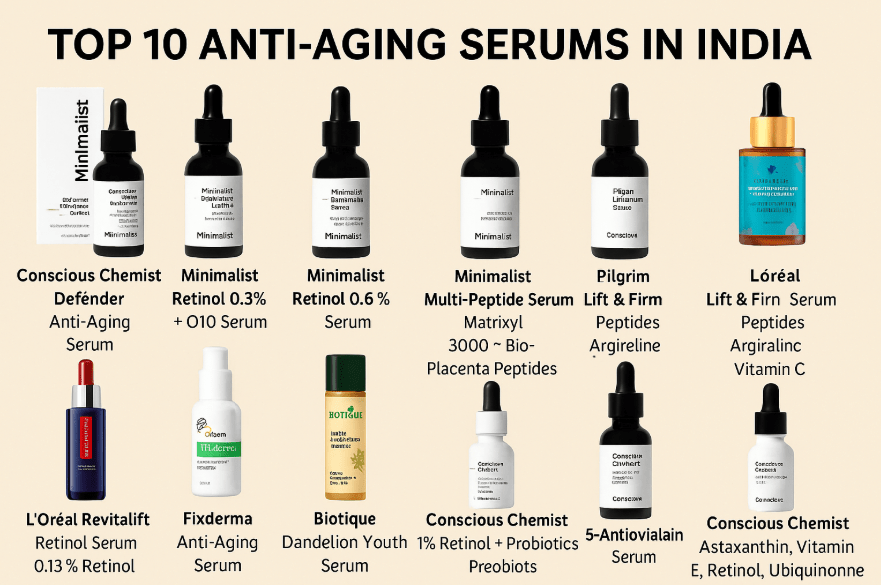
  • Top 10 Best Anti-Aging Serums in India (2025): Ingredients Checked and Skin-Type Matched

    Looking for the best anti-aging serum in India that really works? Whether you’re dealing with fine lines, wrinkles, sagging, or dull skin, choosing the right serum for your skin type, climate, and sensitivity is crucial. We analyzed the top 10 anti-aging serums in India using bdazlai’s ingredient checker — a tool that screens for effective actives and red-flag ingredients like alcohol, BHT, fragrance, and comedogenic oils.

    Let’s decode which anti-aging serum is best for your skin type — with expert recommendations and safe picks for sensitive skin, retinol beginners, and mature skin.


    🥇 Top 10 Anti-Aging Serums in India (2025 Edition)

    #Product NameKey IngredientsAvoid IngredientsSkin TypeBest For Climate
    1Conscious Chemist Defender SerumRetinol (Encapsulated), Copper PeptidesAlcohol, BHT, PhenoxyethanolNormal to Oily, Mature SkinAll Climates
    2Minimalist Retinol 0.3% + Q100.3% Retinol, CoQ10, Bakuchiol, CeramidesBHTNormal to Oily, BeginnersCool or Dry Weather
    3Minimalist Retinol 0.6%0.6% Retinol, CoQ10, Rosehip OilRosehip Oil (comedogenic)Dry to Normal, Not Acne-ProneCool/Dry
    4Minimalist Multi-PeptideMatrixyl 3000, Bio-Placenta PeptidesAll Skin TypesYear-Round
    5Pilgrim Lift & FirmPeptides, Argireline, Vitamin COily to Combo SkinHumid / Monsoon
    6L’Oréal Revitalift Retinol0.13% Retinol, Vitamin B5FragranceAll Except SensitiveAll Year
    7Fixderma Anti-AgingGrowth Factors, PeptidesDry/Mature SkinAll Seasons
    8Biotique Dandelion YouthBotanical Extracts, Vitamin CEssential Oils (Sensitizers)Normal to DryMild Weather
    9Conscious Chemist 1% RetinolHigh Strength Retinol, ProbioticsHigh Retinol = Irritant RiskRetinol-Experienced SkinNight Use
    10Conscious Chemist 5-AntioxidantAstaxanthin, Vit C, Ubiquinone, RetinolRetinol + Vit C (irritation combo)Normal to MatureAll with Moisturizer

    ⚠️ Notable Ingredients to Avoid (Based on bdazlai’s Checker)

    • Alcohol – Found in Defender Serum. Drying in low humidity.
    • BHT – A preservative flagged for long-term hormonal disruption.
    • Phenoxyethanol – Low-risk, but caution for sensitive users.
    • Fragrance – Common allergen; found in L’Oréal Revitalift.
    • Rosehip Oil – Can clog pores in acne-prone skin.
    • Botanical Extracts – In Biotique; patch test if sensitive.

    🧬 Which Anti-Aging Serum Is Best for You?

    Skin Type / ConcernRecommended Serums
    Dry or Mature SkinFixderma, Minimalist 0.3% Q10
    Retinol BeginnersMinimalist 0.3%, L’Oréal Revitalift
    Experienced Retinol UsersMinimalist 0.6%, Conscious Chemist 1%
    Oily/Combination Skin in Humid ClimatePilgrim Lift & Firm Serum
    Sensitive Skin / Herbal LoversBiotique (with patch test)
    Pregnancy-Safe (non-retinol)Minimalist Multi-Peptide, Pilgrim

    🧴 How to Use Anti-Aging Serums for Best Results

    • Start slow with retinol: Use 2–3 times/week at night and increase gradually.
    • Avoid layering with Vitamin C if using retinol at the same time.
    • Always apply SPF in the morning when using actives like retinol, peptides, or Vitamin C.
    • Moisturize generously: Look for ceramides, hyaluronic acid, or glycerin.
    • Patch test any formula with alcohol, fragrance, or essential oils.

    🧠 Final Thoughts

    The best anti-aging serum for Indian skin depends on your skin type, tolerance for actives, and climate. With transparent ingredient screening by bdazlai and usage recommendations tailored to Indian conditions, you can now confidently choose a serum that works hard without harming your skin barrier.

  • 🌟 Retinol Demystified: The Ultimate Guide to Skincare’s King Ingredient (and Its Haircare Cousins)

    If you’ve ever Googled “best anti-aging ingredient”, “how to treat acne with retinol”, or “retinol for beginners”, chances are you’ve seen the name Retinol pop up again and again. It’s not just another trendy skincare ingredient—Retinol is the gold-standard when it comes to anti-aging, acne control, skin texture improvement, and even scalp care.

    But before you dive into using it, let’s take a deep (but friendly!) look at what retinol is, how it works, the many forms it comes in, who should use it (and who shouldn’t), and how to create a safe, effective skincare (and haircare) routine around it.


    ✨ What is Retinol and Why Is Everyone Obsessed With It?

    Retinol is a form of vitamin A, and part of a larger family of compounds called retinoids. It’s fat-soluble, which helps it get deep into your skin where the real magic happens. Unlike prescription retinoids like tretinoin, which are already active, retinol needs to be converted in your skin through a two-step process into retinoic acid—the active form that boosts cell turnover, collagen, and clarity.


    🔬 Retinoid Family Tree: Understanding the Derivatives

    There’s more than one kind of retinoid out there. Here’s a quick cheat sheet:

    🧴 Natural Retinoids (OTC + Prescription)

    • Retinol – Most common OTC form, effective and accessible
    • Retinaldehyde – Stronger than retinol, less irritating than prescription
    • Retinoic Acid (Tretinoin) – Most potent, prescription-only

    🧪 Synthetic Retinoids

    • Adapalene – Great for acne, OTC and Rx versions available
    • Tazarotene – Strongest, used for acne & psoriasis, Rx only
    • Trifarotene – Newest, targets specific skin receptors, Rx only

    💧 Retinyl Esters (Mildest)

    • Retinyl Palmitate, Acetate, Propionate – Great for beginners or sensitive skin

    Each version has a different strength and conversion path. The more steps it takes to convert to retinoic acid, the gentler (but slower) the results.


    🧠 How Retinol Actually Works

    Retinol binds to special receptors (RARs and RXRs) in your skin that control how skin cells grow, shed, and function. Once activated, it triggers a few amazing things:

    • 🚀 Speeds up cell turnover (bye-bye, dullness)
    • 💪 Boosts collagen and elastin (hello, plumpness)
    • 🎯 Reduces pigmentation by regulating melanin transfer
    • 🧽 Clears pores and reduces acne formation
    • 🔥 Reduces inflammation in acne and other conditions

    This explains why retinol is loved for treating fine lines, acne, uneven skin tone, enlarged pores, keratosis pilaris, and even psoriasis.


    🌈 Benefits of Retinol in Skincare

    Let’s break it down by concern:

    👵 Anti-Aging (Fine Lines, Wrinkles, Elasticity)

    Even low doses (like 0.025%) can start reducing wrinkles in 12 weeks. Regular use boosts firmness, smoothness, and glow over time.

    🔥 Acne and Breakouts

    Retinol prevents clogged pores and calms inflammation. Adapalene is especially great for acne-prone skin and is gentle enough for long-term use.

    ☀️ Hyperpigmentation & Uneven Tone

    It fades dark spots by speeding up skin renewal and reducing melanin transfer. Works beautifully with vitamin C, niacinamide, and alpha arbutin.

    🌾 Texture, Pores, and Glow

    If your skin looks dull or feels bumpy, retinol gently exfoliates and smooths things out—leading to refined pores and radiant skin.

    🪶 Extra Wins

    • Keratosis Pilaris (chicken skin)
    • Stretch marks and scars
    • Rosacea (only in certain types—use cautiously!)

    🧴 Retinoids in Haircare: Yes, It’s a Thing!

    Retinoids can also benefit your scalp and hair by:

    • Reducing dandruff
    • Improving folliculitis or scalp acne
    • Supporting hair growth when used with minoxidil
    • Gently exfoliating product and oil buildup from your scalp

    These are typically found in scalp serums, pre-shampoo masks, and leave-ins. Always go for lower concentrations (0.01–0.05%) and avoid daily use unless your derm recommends it.


    ⚖️ Which Retinoid Is Right For You?

    RetinoidStrengthBest ForNotes
    RetinolModerateAging, acne, dullnessWidely available
    Retinaldehyde (Retinal)StrongerAcne + toneLess irritation than Rx
    TretinoinVery strongDeep wrinkles, scarsRx only
    AdapaleneGentle + acne-focusedAcne-prone skinOTC and stable
    TazaroteneVery strongPsoriasis, sun damageRx only
    Retinyl PalmitateVery mildBeginners, sensitive skinSlow results

    🚫 Who Should Not Use Retinol?

    • ❌ Pregnant or breastfeeding women
    • ❌ Kids under 12 (unless prescribed)
    • ❌ Very sensitive skin or eczema (unless dermatologist approves)
    • ❌ People planning heavy sun exposure

    🧼 How to Use Retinol (Without Wrecking Your Barrier)

    ✅ DO:

    • Start slow: 1–2x/week
    • Use at night
    • Apply to dry skin
    • Moisturize after (or use the “sandwich method”)
    • Wear SPF every single day
    • Wait 20–30 mins after washing to apply
    • Use a pea-sized amount only

    ❌ DON’T:

    • Use with AHAs/BHAs on the same day
    • Mix with benzoyl peroxide or high-strength vitamin C
    • Overuse or layer with multiple retinoids
    • Use during chemical peels or when sunburned

    💡 What Ingredients Work Well with Retinol?

    TypeIngredients
    💧HydrationHyaluronic Acid, Glycerin, Squalane, Ceramides
    🌿 SoothingNiacinamide, Panthenol, Cica, Aloe Vera
    ⚡ AntioxidantsResveratrol, Vitamin E, Ferulic Acid, CoQ10
    🔬 SupportPeptides, Growth Factors, Plant Stem Cells

    🧪 Ingredients to Avoid with Retinol

    • AHAs (Glycolic, Lactic Acid)
    • BHAs (Salicylic Acid)
    • L-Ascorbic Acid (use AM instead)
    • Benzoyl Peroxide
    • Essential Oils & Fragrance (irritating)
    • Alcohol & Sulfates

    🧴 Sample Skincare Routine Using Retinol

    Morning

    1. Gentle Cleanser
    2. Vitamin C Serum
    3. Hyaluronic Acid
    4. Moisturizer
    5. Sunscreen (mandatory!)

    Evening

    1. Cleanser
    2. (Optional) Hydrating toner
    3. Retinol (pea-sized, on dry skin)
    4. Moisturizer
    5. (Optional) Occlusive balm

  • The Retinoid Family – Understanding the Strengths & Benefits

    Retinoids are one of the most powerful and widely researched ingredients in skincare, known for their incredible ability to combat acne, signs of aging, and improve overall skin texture. But with different types of retinoids available, choosing the right one for your skin can be confusing. This guide will help you understand the retinoid family and their varying strengths so you can select the best option for your needs.

    What Are Retinoids?
    Retinoids are derivatives of Vitamin A that work by increasing cell turnover, promoting collagen production, and reducing acne formation. They help improve skin texture, reduce fine lines, and fade hyperpigmentation. However, not all retinoids are created equal—some are gentler, while others are prescription-strength and highly potent.
    To simplify things, let’s break down the Retinoid Family from the least potent to the most powerful.

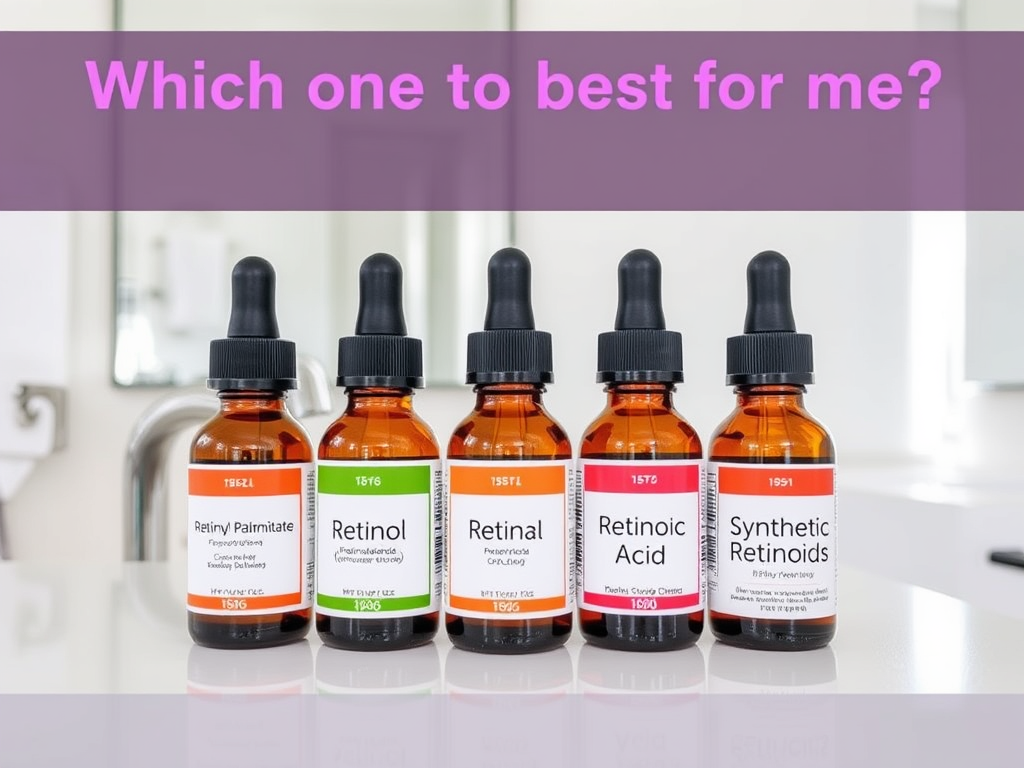
    1. Retinyl Palmitate: The Mildest Option 🍰
      ✅ Best for: Beginners and those with sensitive skin. ✅ Potency: Least potent form of retinoid, requires multiple conversions to become active in the skin. ✅ Benefits: Gentle, less irritating, great for introducing retinoids into your routine.
      💡 Tip: If you’re new to retinoids and have sensitive skin, start with Retinyl Palmitate before moving to stronger forms.
    2. Retinal (Retinaldehyde): One Step Closer to Power 🍒
      ✅ Best for: Faster results in anti-aging and acne treatment. ✅ Potency: More potent than Retinol, only one conversion away from active Retinoic Acid. ✅ Benefits: Works faster than retinol, reduces wrinkles, and improves skin texture effectively.
      💡 Tip: If you’ve already used Retinol and want to level up your routine, Retinal is a great choice.
    3. Retinol: The Popular OTC Choice 🧁
      ✅ Best for: Anti-aging, acne, and general skin renewal. ✅ Potency: Mildly potent, needs to be converted into Retinoic Acid by the skin. ✅ Benefits: Reduces fine lines, improves skin texture, and clears pores over time.
      💡 Tip: Retinol is widely available in over-the-counter (OTC) products. Start with a low concentration (0.3%-0.5%) and work your way up to 1%.
    4. Retinoic Acid: The Prescription Powerhouse 🍰
      ✅ Best for: Severe acne, deep wrinkles, and advanced anti-aging. ✅ Potency: Most potent natural retinoid, does not require conversion—works immediately. ✅ Benefits: Faster skin renewal, collagen boost, and stronger acne-fighting properties.
      💡 Tip: Available only through prescription (Tretinoin, Retin-A). It can cause dryness and irritation, so use with a moisturizer and start slow.
    5. Synthetic Retinoids: Lab-Designed for Enhanced Effects 🍫
      ✅ Best for: Acne, severe sun damage, and those who cannot tolerate traditional retinoids. ✅ Potency: Highly potent, specially formulated for enhanced stability and effects. ✅ Examples:
      Adapalene (Differin) – Available OTC, great for acne with fewer irritation risks.
      Tazarotene (Tazorac) – Prescription-only, stronger than Tretinoin.
      Trifarotene – A newer prescription retinoid used for acne and anti-aging.
      💡 Tip: If you’ve struggled with irritation from traditional retinoids, Adapalene is a great starting point.

    How to Use Retinoids Safely
    While retinoids offer amazing benefits, they can also cause dryness, peeling, and sensitivity. Here are some tips to use them effectively:
    ✔ Start Slow: Begin with a low concentration and gradually increase usage.

    ✔ Use at Night: Retinoids break down in sunlight, so apply them in your nighttime routine.

    ✔ Always Use Sunscreen: Retinoids make the skin more sensitive to UV damage—never skip SPF.

    ✔ Moisturize Well: Pair with hydrating ingredients like hyaluronic acid and ceramides.

    Avoid Mixing with Harsh Actives: Don’t use with AHAs, BHAs, or Vitamin C in the same routine.

    Final Thoughts
    The Retinoid Family offers solutions for all skin types and concerns, from beginners looking for gentle options to advanced users needing prescription-strength results. Understanding the strengths and functions of each retinoid will help you make an informed decision and build an effective skincare routine.

    🌿 Which retinoid have you used? Share your experience in the comments below!