Tag: bdazlai

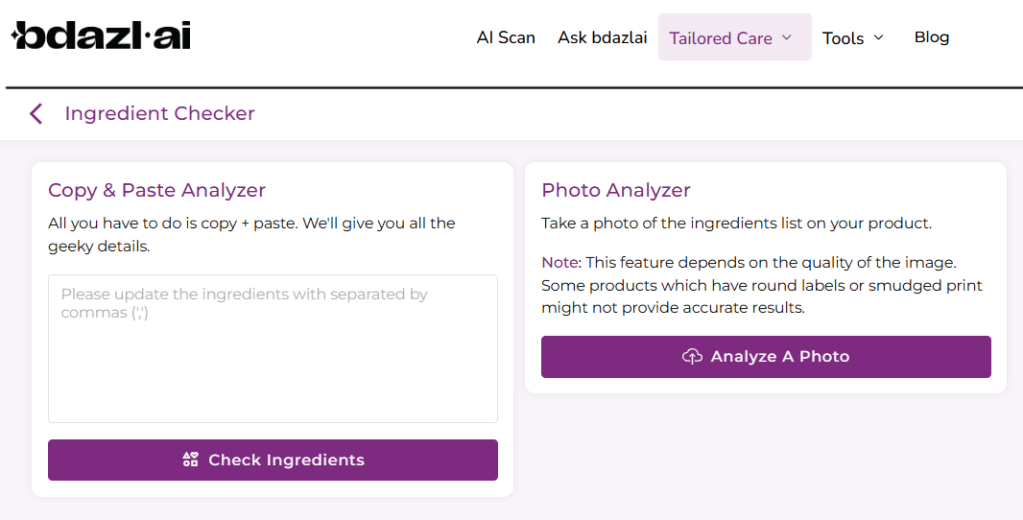
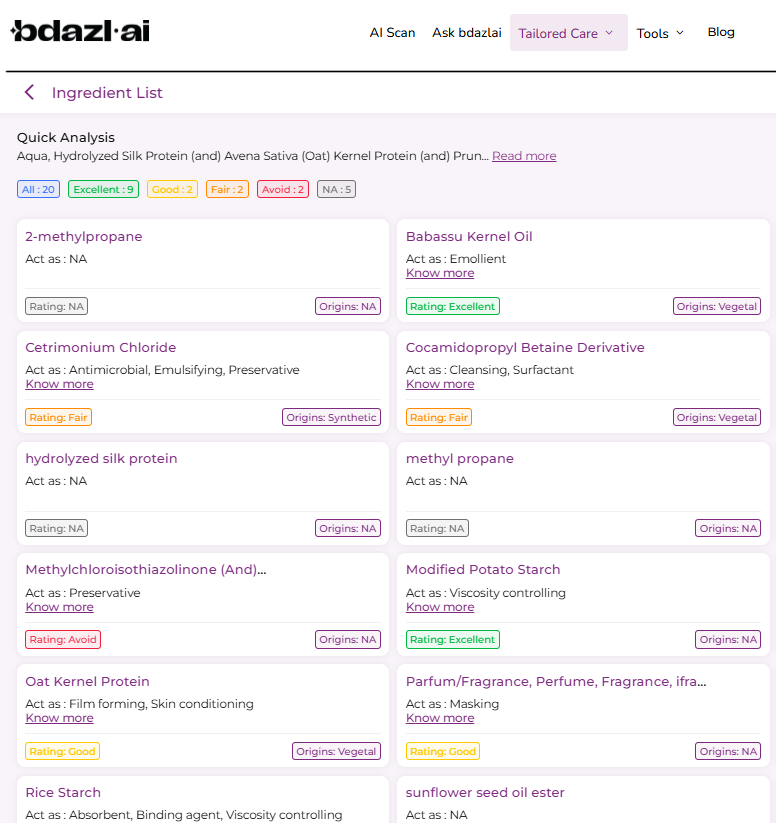
  • How to Read a Skincare Ingredient Label: What to Look For and What to Avoid

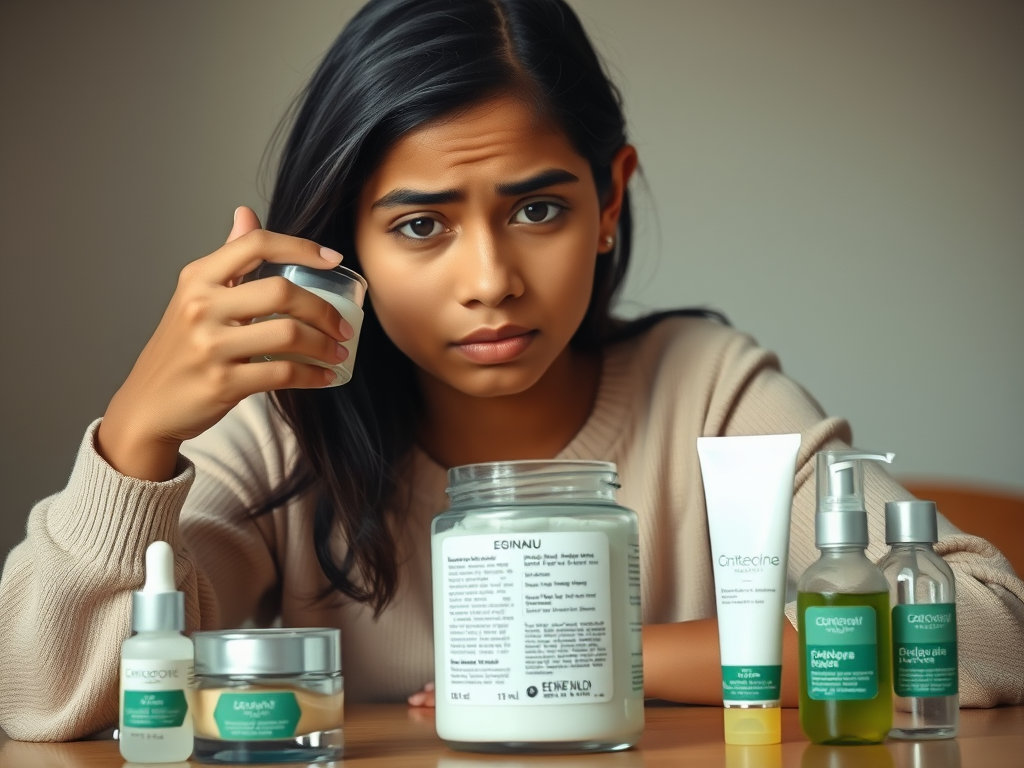
    If you’ve ever flipped over a skincare product and felt like you were reading another language, you’re not alone. Skincare labels can be overwhelming, filled with scientific names, unpronounceable ingredients, and vague marketing claims like “clean” or “natural.”

    But once you learn how to decode those ingredient lists, you’ll be empowered to make smarter, healthier choices for your skin and overall wellbeing.


    Why Ingredient Labels Matter

    Reading skincare labels is essential because it helps you:

    • Protect your health: Some ingredients may disrupt hormones, cause allergic reactions, or increase your risk of long-term health issues.
    • Avoid allergens and sensitivities: Especially important for those with eczema, acne, or fragrance sensitivity.
    • Understand what you’re paying for: Marketing claims are often misleading. The real story is in the ingredient list.
    • Support ethical and sustainable products: Knowing what’s inside helps you avoid environmentally harmful or unethical ingredients.

    How to Read a Skincare Label

    1. Ingredients are listed in descending order: The first five ingredients make up the bulk of the product.
    2. Actives are often in the middle: Ingredients like niacinamide or salicylic acid may appear after water, oils, and humectants.
    3. Concentration matters: Anything listed after “fragrance” or “phenoxyethanol” is usually present in amounts less than 1%.

    🚨 Ingredients to Avoid (and Why)

    Preservatives

    • Parabens (methylparaben, propylparaben, butylparaben, ethylparaben): Linked to hormone disruption and potential reproductive harm.
    • Formaldehyde-releasing preservatives (quaternium-15, DMDM hydantoin, imidazolidinyl urea, diazolidinyl urea): Known carcinogens.
    • Methylisothiazolinone & Methylchloroisothiazolinone: Strong allergens; can cause hives and skin burning.
    • BHA & BHT: Potential endocrine disruptors and linked to organ toxicity.

    Cleansers / Surfactants

    • Sodium Lauryl Sulfate (SLS) and Sodium Laureth Sulfate (SLES): Can strip natural oils, cause irritation and dryness.
    • Sodium C14-16 Olefin Sulfonate: Harsh and can disrupt skin barrier.
    • Cocamidopropyl Betaine: Derived from coconut but known to cause allergic contact dermatitis.

    Foaming Agents

    • Cocamide DEA & MEA: Can be irritating; some forms are linked to carcinogenic concerns.

    Emulsifiers & Thickeners

    • PEGs (Polyethylene Glycols): Can be contaminated with 1,4-dioxane, a potential carcinogen.
    • DEA-related compounds (cocamide DEA, lauramide DEA): May form nitrosamines, associated with cancer.

    Fragrances & Dyes

    • Parfum/Fragrance (undisclosed blends): May contain allergens, hormone disruptors, and irritants.
    • Essential Oils (in sensitive formulas): Natural but still common allergens, especially for kids or reactive skin.
    • FD&C and D&C dyes (e.g., Red 33, Yellow 5): Synthetic dyes potentially irritating and linked to sensitivity.

    UV Filters (in Chemical Sunscreens)

    • Oxybenzone: High absorption, endocrine disruptor, linked to cellular damage.
    • Avobenzone: Can degrade in sunlight, releasing free radicals.

    Moisturizing Agents to Avoid

    • Mineral Oil & Petroleum Jelly: Derived from petroleum; can clog pores and hinder skin respiration.
    • Isoparaffin / Isohexadecane: Synthetic hydrocarbons used for slip, but not nourishing.
    • Silicones (dimethicone, cyclopentasiloxane, amodimethicone): Create a silky feel but can cause buildup and don’t truly hydrate.

    Other Additives

    • Phthalates: Often hidden in fragrances; endocrine disruptors.
    • Triclosan: Linked to antibiotic resistance and hormone disruption.
    • Hydroquinone: Can cause organ toxicity and skin damage with long-term use.
    • Resorcinol: Associated with endocrine disruption.

    📊 Ingredients to Look For (and Why)

    Gentle Surfactants / Cleansers

    • Sodium Cocoyl Isethionate: Mild, sulfate-free, and gentle.
    • Decyl Glucoside & Lauryl Glucoside: Non-irritating, safe for sensitive skin.

    Moisturizers & Hydrators

    • Glycerin: A humectant that draws water into the skin.
    • Aloe Vera: Soothes, hydrates, and calms irritation.
    • Squalane (plant-derived): Lightweight, non-comedogenic oil.
    • Jojoba Oil: Mimics skin’s natural oils.
    • Panthenol (Provitamin B5): Improves hydration and soothes skin.

    Emulsifiers & Stabilizers

    • Glyceryl Stearate: Plant-derived; gives a smooth texture.
    • Cetearyl Alcohol: A fatty alcohol that conditions and softens.
    • Lecithin: Natural emulsifier and skin softener.

    Preservatives (Safer Options)

    • Sodium Benzoate: Gentle preservative.
    • Potassium Sorbate: Mild and widely used.
    • Gluconolactone + Sodium Benzoate: Gentle yet broad-spectrum.
    • Caprylyl Glycol + Glycerin + Caprylhydroxamic Acid: Effective and non-sensitizing.

    Final Thoughts: Simple Is Safe

    When in doubt, keep your skincare routine simple. Avoid products with long, complex ingredient lists filled with unknowns. Choose formulas with transparent labeling, minimal ingredients, and no hidden fragrances or harsh preservatives.

    Reading ingredient labels isn’t just for experts—it’s a skill every conscious consumer can learn. And once you do, you’ll feel empowered to choose products that actually care for your skin, not just coat it.

    Your skin deserves clarity, and so do you.

  • The World of Beauty Influencers: Are They Truly Worth Following?

    In the digital age, the personal beauty care sector has undergone a transformation, thanks in large part to AI skincare tools and beauty influencers. From AI face scan for skincare to customized skincare recommendations, the beauty landscape is shifting from one-size-fits-all marketing to hyper-personalized solutions. However, influencers still play a powerful role in shaping how consumers perceive and purchase beauty products. This blog explores their impact, the rise of AI-powered skincare recommendations, and whether influencer-driven choices are truly worth the hype.


    Beauty influencers are content creators who share makeup tutorials, ingredient safety checks, clean beauty recommendations, and non-toxic skincare product reviews across YouTube, Instagram, TikTok and more. Whether they’re doing skincare routine walk throughs or decoding product labels, they often become trusted sources for those searching for the best skincare for own skin. Their popularity stems from relatability, consistency and the illusion of personalization, which sometimes mimics what AI-powered beauty tools like bdazlai now offer more accurately.


    Estimated Number of Beauty Influencers on Social Media Platforms

    It’s tough to pin down exact numbers, but here are some estimates:

    • TikTok: Over 1.5 million beauty-focused followers in the U.S. alone
    • Instagram: Tens of thousands of micro and macro beauty influencers worldwide
    • YouTube: Some Beauty content creators boast tens of millions of followers

    From nano creators to celebrity-tier influencers, the beauty content ecosystem is massive and influential—especially in regions like India where AI-powered clean beauty platform searches are growing.


    • Paid Partnerships: Influencers receive direct compensation to feature skincare and makeup products. Brands often provide guidelines and expect results in visibility or sales. These are usually marked with hashtags like
    • Gifted/Unpaid Collaborations: Brands send free products in exchange for potential mentions or reviews. While influencers aren’t obligated to post, they often do—especially when building trust or trying to gain more brand collaborations.

    The transparency of paid promotions is now scrutinized closely, which is why platforms like bdazlai include ingredient safety checker features to provide unbiased information about products.


    Influencers humanize beauty brands. When someone says, “This moisturizer saved my dry skin,” it sounds like advice from a friend. Even if labeled as paid, the emotional connection often overrides skepticism. This is especially impactful among those searching for skincare product analysis AI tools who may not yet be familiar with how to check if skincare is safe.

    • Impulse buys
    • Unrealistic expectations
    • Neglecting skin type analysis tool insights in favor of influencer hype

    1. Wasted Money: You may spend ₹500–₹5000 on a product that irritates your skin or clogs pores.
    2. Wasted Time: Weeks of testing ineffective skincare when AI skincare quiz results could’ve saved you time.
    3. Wasted Resources: Half-used bottles lead to product and environmental waste.
    4. Emotional Toll: Failure may hurt your self-esteem or skin confidence.

    Instead of trusting blindly, using tech-enabled beauty diagnosis tools like bdazlai’s ingredient analysis and smart skincare routine generator ensures informed decisions.


    No — and here’s why:

    • Biological Differences: Skin concerns (acne, wrinkles, hyperpigmentation and more) vary person to person
    • Climate & Lifestyle: An influencer living in a cold climate may have different skin needs than someone in tropical India
    • Technique & Routine: The product may not be the problem—it’s how it’s used

    That’s why AI-based beauty product recommendations work better. They factor in personal data and avoid the trial-and-error loop.


    Good When:

    • They’re transparent about paid partnerships
    • Promote non-toxic skincare brands or fragrance-free skincare products for sensitive skin
    • Educate about skincare ingredients like hyaluronic acid, niacinamide or retinol

    Platforms like bdazlai help bridge this gap by offering science-backed skincare recommendations.


    Beauty influencers aren’t inherently good or bad — they’re part of the evolving beauty ecosystem. When combined with AI-powered skincare recommendations and tools like bdazlai’s AI face scan for skin health, their advice becomes much more useful.

    If you’re wondering:

    • “Can AI make personalized skincare accessible to everyone?” → Yes, it already is.
    • “Does your skincare routine match your skin’s needs?” → Use bdazlai to find out.
    • “Is there a better way to shop for skincare?” → Definitely, with Bdazlai.

    Always ask: Is this ingredient safe for my skin? And let AI-backed tools answer that before the next #ad influences your wallet—and your skin.

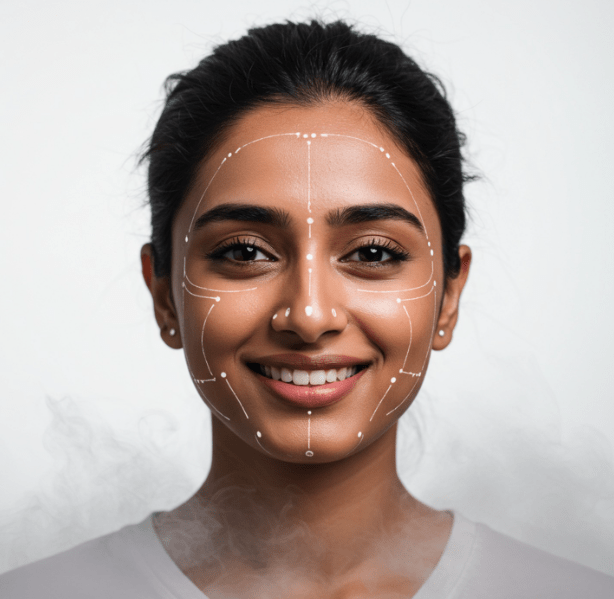
    Unlike one-size-fits-all influencer recommendations, bdazlai takes a completely personalized approach to beauty. Using advanced AI face scanner, bdazlai analyzes your unique skin tone, skin type, hair texture and specific concerns like dryness, acne, dark spots etc etc. It then cross-checks this information with a vast ingredient database to recommend products that are actually suited for you — not someone else on the internet. Whether a product is recommended by an influencer or trending online, bdazlai helps you filter through the hype and focus only on what matches your real, personal profile. No more guesswork, no more wasted money or time — just science-backed, tailored solutions made simple.

    Follow us at www.bdazlai.com for personalized skincare powered by AI.
    Stay connected on Instagram, Facebook, and Twitter @bdazlai for tips, updates, and smart beauty insights!