
Inside India’s viral “The Tween Beauty Boom” trend, skincare obsession, and the blurry line between wellness and adult beauty standards
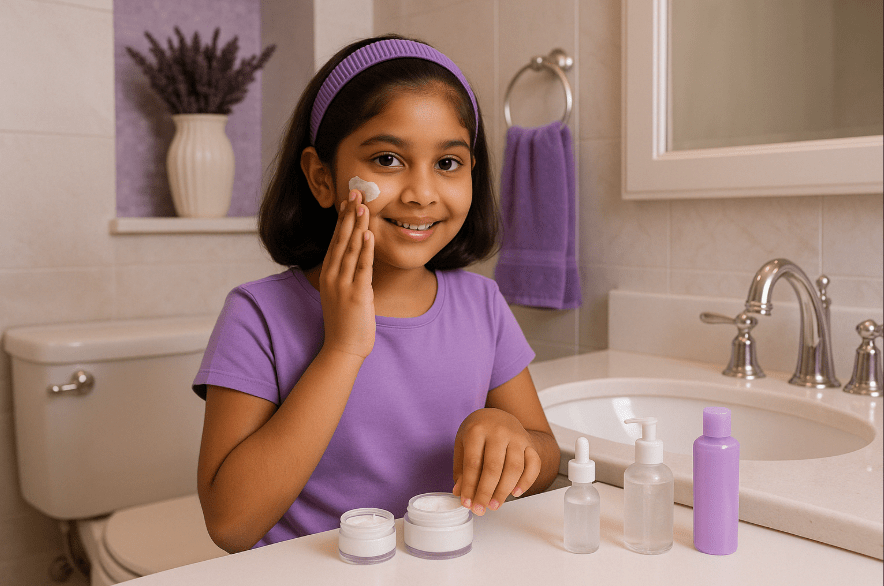
It’s 2025, and in Indian cities, it’s not just 20-somethings swiping on serums anymore. Generation Alpha — kids born between 2010 and 2025 — is living a skincare fantasy, complete with glass skin goals, GRWM videos, and product wishlists longer than your last Nykaa haul.
From 7-year-olds doing multi-step routines to 10-year-olds asking for retinol, skincare is no longer a teenage or adult concern. It’s the new playground conversation. Welcome to the world of Gen Alpha skincare in India, where K-beauty meets Instagram aesthetics, and self-care often overlaps with early exposure to marketing pressure.
💄 The Skincare Kids of India: Why Is This Happening So Young?
“Why is my 9-year-old asking for niacinamide?” is now a legit parent question.
The answer? Social media — and lots of it.
Platforms like Instagram Reels, YouTube Shorts, and even other are flooded with beauty content. Kids are watching their favorite creators — many just a few years older — apply products like hyaluronic acid, peptides, and AHAs, claiming it’s the secret to looking “clean” or “glowy.”
Add to that the rise of GRWM (Get Ready With Me) content, and you have a culture where even third graders know what “slugging” is.
A recent study shows:
- 37% of Indian Gen Alpha kids want to be influencers
- 63% demand skincare and beauty products they see online
- Parents are spending thousands annually on kids’ product preferences
This isn’t just a Western trend anymore. It’s very much alive in India’s urban schools, malls, and bedrooms.
⚠️ Is Retinol Safe for 10-Year-Olds? The Active Ingredient Dilemma
Google is flooded with searches like:
- “Can 11-year-olds use vitamin C serum?”
- “Is retinol safe for tweens?”
- “Best skincare routine for a 9-year-old in India”
What are kids actually using? A lot of the same actives adults use — but with riskier consequences.
Common ingredients spotted in Gen Alpha routines:
- Vitamin C – marketed as a brightening essential
- Niacinamide – for pore control and oil regulation
- Hyaluronic Acid – for plumping and glow
- Salicylic Acid – for early acne concerns
- Retinol / Retinoids – anti-aging products not suited for young skin
- AHAs/BHAs – for exfoliation (lactic acid, glycolic acid)
Sounds impressive — until you realize these are potent actives meant for adult or acne-prone skin, not delicate, developing skin barriers.
Overuse can cause:
- Irritation, redness, stinging
- Peeling and dry patches
- Long-term skin sensitivity
- Disruption of the skin’s protective barrier
😰 “The Tween Beauty Boom” in India: Skincare or Skindoctrination?
Welcome to the “The Tween Beauty Boom” phenomenon, where children are exposed to luxury skincare brands before learning algebra. Their routines are increasingly influenced by:
- Influencer culture and GRWM reels
- Peer pressure in elite schools
- Celebrity endorsements targeting younger audiences
- FOMO marketing by trendy brands
And while the idea of self-care sounds great, are kids being sold unrealistic beauty standards before they even hit puberty? That’s the concern.
💡 Is There a Silver Lining? Yes — If It’s Done Right
Despite the alarm bells, some positive habits are taking root. Many kids are:
- Learning the value of sun protection
- Understanding the importance of moisturizing
- Building daily self-care routines that promote discipline
- Exploring clean, vegan, and cruelty-free beauty brands
When guided properly, these routines can boost self-esteem—especially for tweens dealing with early oiliness, clogged pores, or mild acne.
It’s not skincare that’s the problem — it’s skincare without supervision.
👪 Parenting Through the Beauty Boom: What Should You Do?
56% of parents say skincare products are too harsh for their child’s skin.
42% are worried about overspending.
29% believe kids are being manipulated by influencer culture.
But instead of panic or shame, here’s how you can guide them:
- Watch beauty content together – Break down what’s marketing and what’s real skin science
- Read labels as a team – Avoid actives like retinol, Vitamin C, and acids unless prescribed
- Visit a dermatologist – Especially if your child shows signs of acne or oil imbalance
- Choose age-appropriate skincare – Stick to basics like cleansers, moisturizers, and sunscreen
- Talk about real skin – Normalize breakouts, texture, and “non-glowy” days
👨⚕️ Dermatologist-Approved Skincare Routine for Kids (Under 13)
Let’s keep it simple. The best skincare routine for children includes:
- Gentle cleanser – Sulfate-free, soap-free, no fragrance
- Light moisturizer – Non-comedogenic and fragrance-free
- Broad-spectrum sunscreen – SPF 30+, ideally with mineral filters (zinc oxide or titanium dioxide)
That’s it. No serums. No exfoliants. No anti-aging anything.
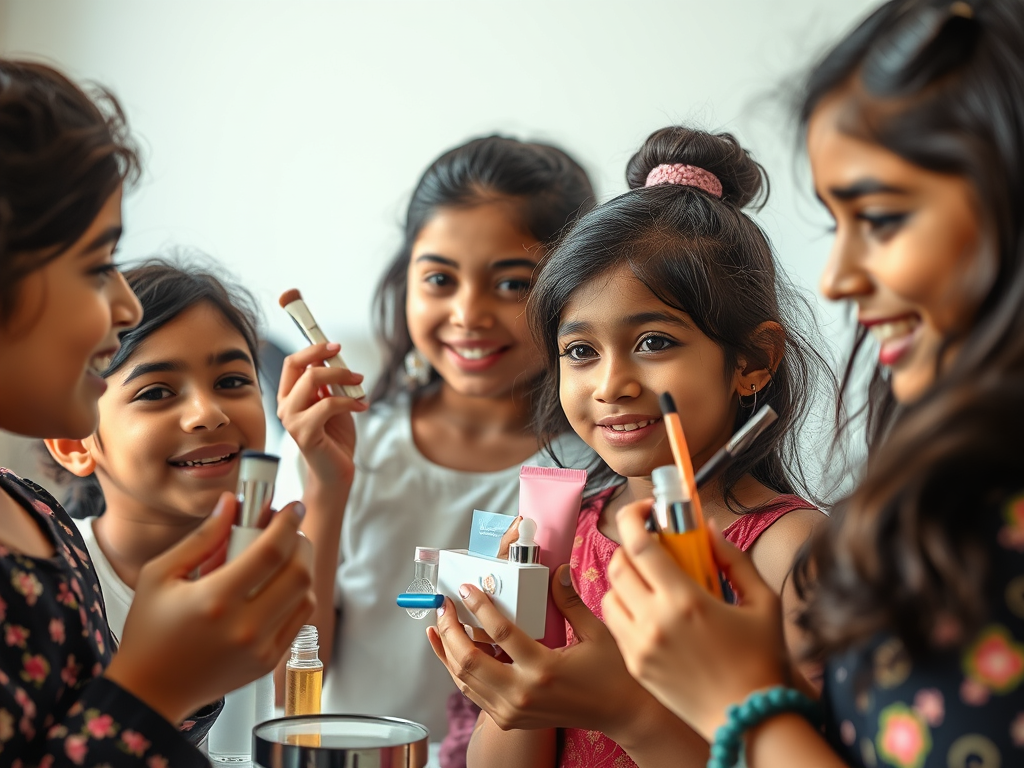
🌿 Clean Beauty & Desi DIY: A Mix of Culture & Consciousness
Interestingly, Gen Alpha isn’t ignoring tradition. They’re just fact-checking grandma’s nuskhe on Google first. A lot of Indian tweens are trying:
- Multani mitti (Fuller’s Earth) for oil control
- Aloe vera for soothing skin
- Rose water as a gentle toner
- Haldi (turmeric) masks for glow
There’s a rise in eco-friendly beauty, too. About 21% of Gen Alpha kids prefer clean, vegan, sustainable brands, and they’re asking brands to be transparent about ingredients.
🔥 The Real Question: Is It Skincare or Subtle Pressure to Look Perfect?
The beauty culture among kids is getting complicated. One minute, they’re learning about SPF. The next, they’re upset their cheeks don’t “glow like that girl on Insta.”
Skincare has become both a form of self-expression and a source of anxiety. So, what do we do?
We don’t shut it down. We guide it. With the right support, kids can learn that skincare is about health and hygiene, not just filters and fame.
🧠 Final Thoughts: Let’s Raise Glow-Getters, Not Glow-Chasers
The skincare boom among Indian kids isn’t a phase — it’s a culture shift. And while it can empower kids to take care of themselves, it also brings unrealistic standards, peer pressure, and product overload.
So let’s support their curiosity, set safe boundaries, and teach them that healthy skin is more than a viral trend — it’s a lifelong habit. Let them glow — just not grow up too fast.
If you found these tips helpful, follow us on Instagram, Facebook or Twitter for more clean beauty breakdowns, ingredient spotlights, and personal care realness. 💖
 bdazlai - blog