
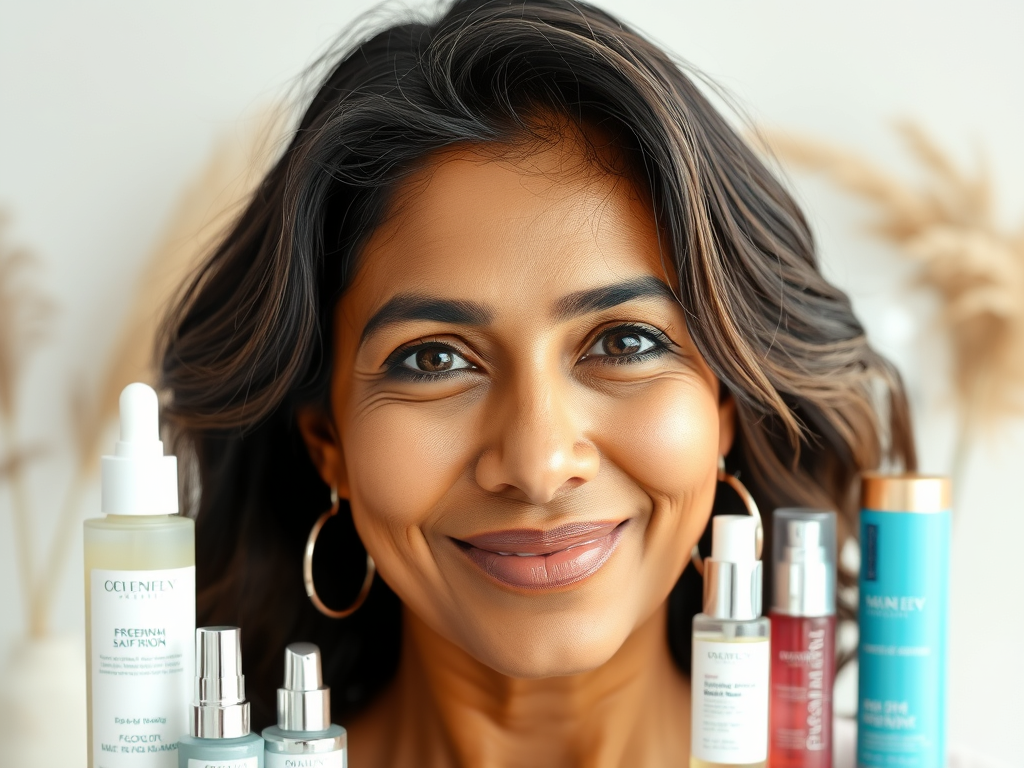
Tag: glowingskinroutine

  • The Ultimate Anti-Aging Skincare Routine: Simple 6 Steps Derms Swear By

    Aging is a natural part of life, but premature aging? That’s something you can control. Forget the hype of trendy miracle creamsβ€”true anti-aging skincare is rooted in consistency, proven ingredients, and healthy lifestyle habits. Whether you’re just noticing fine lines or looking to refresh your routine, this dermatologist-backed 6-step guide will help you maintain youthful, glowing skin for years to come.

    Step 1: Cleanse Gently – Start with a Clean Slate 🧼
    A gentle cleanser removes dirt, oil, and pollutants without stripping your skin of essential moisture. Harsh scrubbing or strong soaps can damage the skin barrier, accelerating aging.

    βœ” Expert Tip:
    Use lukewarm water and a mild, non-foaming cleanser that preserves the skin’s natural oils. Avoid products that leave your skin feeling tight.

    Step 2: Antioxidant Serum – Protect and Brighten with Vitamin C 🍊
    Vitamin C (Ascorbic Acid) is a powerful antioxidant that neutralizes free radicals from UV rays and pollutionβ€”two major contributors to skin aging. It also brightens skin tone and stimulates collagen production for firmer skin.

    βœ” Pro Picks:
    Pure L-Ascorbic Acid (for potent results) or
    Magnesium Ascorbyl Phosphate (MAP) or
    Tetrahexyldecyl Ascorbate (THD) for sensitive skin
    βœ” Expert Tip:
    Apply in the morning before sunscreen. Pair with Vitamin E and Ferulic Acid for enhanced antioxidant protection.

    Step 3: Retinoids – The Gold Standard for Wrinkles & Texture ✨
    Retinoids (Vitamin A derivatives) are clinically proven to reduce fine lines, improve texture, and boost collagen. They accelerate cell turnover, fading dark spots and smoothing skin.

    βœ” Types to Try:
    Retinol – Best for beginners
    Retinal (Retinaldehyde) – Potent, faster-acting
    Tretinoin (Retinoic Acid) – Prescription strength
    Adapalene – Great for acne and aging
    βœ” Expert Tip:
    Start 2–3 nights a week, then increase frequency. Always moisturize after applying retinoids and use SPF dailyβ€”retinoids increase sun sensitivity.

    Step 4: Moisturize – Lock in Hydration πŸ’§
    A moisturizer helps maintain your skin’s barrier, reducing dryness and the appearance of fine lines. Hydrating ingredients plump the skin, while ceramides repair and protect.

    βœ” Key Ingredients:
    Hyaluronic Acid – Attracts moisture
    Ceramides – Strengthens skin barrier
    Glycerin – Humectant that draws in water
    βœ” Expert Tip:
    Apply on damp skin to maximize hydration. In dry climates or winter, opt for a richer cream.

    Step 5: Sunscreen – Your #1 Anti-Aging Shield β˜€οΈ
    Dermatologists agree: Daily sunscreen is the most important anti-aging product. UV rays cause up to 80% of visible aging, including wrinkles, dark spots, and sagging.

    βœ” What to Look For:
    Broad-spectrum SPF 30+
    Zinc Oxide or Titanium Dioxide (for sensitive skin)
    Water-resistant if sweating or swimming
    βœ” Expert Tip:
    Apply every morning, even on cloudy days. Reapply every 2–3 hours if outdoors.

    Step 6: Weekly Treatments – Exfoliate for Glow 🌟
    Exfoliation helps remove dead skin cells and boosts the effectiveness of other products. Chemical exfoliants like AHAs (e.g., glycolic acid, lactic acid) promote radiance and reduce fine lines.

    βœ” Expert Tip:
    Use 1–2 times per week. Avoid scrubsβ€”opt for gentle exfoliants especially if using retinoids.

    Bonus: Lifestyle Habits for Youthful Skin πŸ₯—πŸ’€πŸ’§
    Anti-aging isn’t just topicalβ€”it’s whole-body care. Dermatologists recommend these lifestyle essentials:

    Eat antioxidant-rich foods (berries, leafy greens, nuts)
    Stay hydrated – 8+ glasses of water daily
    Get quality sleep – 7–9 hours per night for optimal skin repair
    Exercise regularly – boosts circulation and collagen
    Avoid smoking and limit alcohol – both accelerate aging and dehydrate skin
    Manage stress – chronic stress depletes collagen and elasticity
    Final Thoughts
    A glowing, youthful complexion comes from smart skincare, consistency, and healthy living. Focus on proven ingredients like retinoids, vitamin C, peptides, and sun protection, and you’ll see visible results over time. Remember: simple is powerfulβ€”build a routine you can stick to, and your skin will thank you for years to come.

    🌟 What’s your must-have anti-aging ingredient? Share in the comments & follow us for more skincare tips!


  • The Ultimate Guide to Skin Brightening – How Ingredients Target Melanin Production

    Achieving radiant, even-toned skin is a common goal for many skincare enthusiasts. One of the most effective ways to combat dark spots and hyperpigmentation is by targeting melanin production. But with so many brightening ingredients available, understanding how they work can help you build an effective skincare routine.
    In this blog, we break down how different ingredients work at various stages of melanin production and how to combine them for the best results.


    How Skin Brightening Ingredients Work
    Melanin is the pigment responsible for skin color. When overproduced, it can lead to dark spots, uneven skin tone, and hyperpigmentation. Brightening ingredients function at different stages of this process, categorized into:
    Before Melanin Production – Preventing the enzyme tyrosinase from triggering melanin synthesis.
    During Melanin Production – Controlling or slowing melanin synthesis while it’s happening.
    After Melanin Production – Breaking down existing pigmentation and preventing its transfer.


    Best Ingredients for Skin Brightening

    1. Ingredients That Work Before Melanin Production
      These ingredients inhibit the early stages of melanin formation, reducing how much pigment is produced.
      βœ… Retinol – Promotes skin renewal, preventing pigmentation buildup. βœ… N-Acetyl Glucosamine – Works with niacinamide to reduce melanin synthesis. βœ… Ceramides – Strengthen the skin barrier to prevent environmental damage that triggers pigmentation. βœ… Sphingosines – Help maintain the skin’s protective barrier and prevent melanin overproduction. βœ… Tranexamic Acid – Reduces inflammation that can lead to hyperpigmentation.
    2. Ingredients That Work During Melanin Production
      These ingredients control melanin formation, preventing excessive pigmentation.
      βœ… Arbutin – A gentler alternative to hydroquinone that slows melanin production. βœ… Kojic Acid – A byproduct of fermentation that inhibits tyrosinase activity. βœ… Green Tea – Rich in antioxidants that help regulate melanin formation. βœ… Resveratrol – Protects against oxidative stress, reducing excess melanin production. βœ… Aloe Vera – Soothes the skin while minimizing melanin synthesis. βœ… Azelaic Acid – Helps treat post-inflammatory hyperpigmentation by blocking tyrosinase. βœ… Zinc – Helps regulate enzyme activity related to melanin production. βœ… AHAs (Alpha Hydroxy Acids) – Exfoliate the skin to reduce pigment buildup.
    3. Ingredients That Work After Melanin Production
      These ingredients help fade existing dark spots and prevent their spread.
      βœ… Niacinamide – Prevents melanin transfer and strengthens the skin barrier. βœ… Soybean Extracts – Natural brighteners that reduce hyperpigmentation. βœ… Licorice Extracts – Inhibits pigmentation while soothing the skin. βœ… Linoleic Acid – Helps break down existing pigmentation. βœ… Vitamin E – Protects skin from free radical damage. βœ… Vitamin C – A powerful antioxidant that reduces pigmentation and brightens skin. βœ… Alpha-Lipoic Acid – Works as an antioxidant to improve overall skin texture and tone.
      How to Use These Ingredients for Maximum Results
      For best results, combine multiple ingredients to target melanin production at different levels:
      πŸ”Ή Pair a tyrosinase inhibitor (e.g., Kojic Acid or Arbutin) with exfoliants (AHAs or Azelaic Acid) to remove existing pigmentation. πŸ”Ή Use antioxidants like Vitamin C and Resveratrol in your morning routine to fight oxidative stress. πŸ”Ή Apply barrier-strengthening ingredients like Niacinamide and Ceramides for long-term skin health. πŸ”Ή Always wear sunscreen! Many brightening ingredients make skin sensitive to UV rays.
      Final Thoughts
      A well-rounded skincare routine should include ingredients that work at different stages of melanin production. Whether you’re looking to prevent pigmentation or fade existing dark spots, combining the right actives will help you achieve a luminous, even complexion.
      🌟 Ready to build your perfect brightening routine? Let us know your favorite ingredients in the comments below!

  • Best Skincare Ingredients for Dehydration, Acne, Hyperpigmentation, and Aging

    Choosing the right skincare ingredients can be overwhelming, but understanding how they work for specific concerns can make all the difference. This guide simplifies skincare by grouping ingredients based on their ability to address dehydration, hyperpigmentation, acne, and aging. The key takeaway? Some ingredients target multiple concerns, making them great additions to any skincare routine.
    Understanding the Ingredient Overlaps


    The Skincare 101 showcases four main skin concerns:
    Dehydration πŸ’§
    Hyperpigmentation ✨
    Acne 🧼
    Aging
    ⏳

    Each ingredient’s placement in overlapping circles highlights its ability to address multiple concerns. Let’s break it down:

    1. Ingredients for Dehydration (πŸ’§ )
      Dehydrated skin lacks water, leading to tightness, flakiness, and dullness. Hydrating ingredients work by attracting, retaining, and sealing in moisture.
      βœ… Polyglutamic Acid – Holds moisture more effectively than hyaluronic acid.
      βœ… Squalane – Mimics skin’s natural oils to prevent moisture loss.
      βœ… Glycerin – A humectant that draws water into the skin.βœ… Panthenol (Pro-Vitamin B5) – Soothes and strengthens the skin barrier.
      βœ… Urea – Gently exfoliates while enhancing hydration.
    2. Ingredients for Hyperpigmentation (✨ )
      Hyperpigmentation leads to dark spots and uneven skin tone, usually caused by sun exposure, inflammation, or acne scars. These ingredients help reduce melanin production and brighten the skin.
      βœ… Arbutin – A natural melanin inhibitor.
      βœ… Glutathione – A powerful antioxidant for skin brightening.
      βœ… Tranexamic Acid – Helps reduce pigmentation from sun damage and inflammation.
      βœ… Kojic Acid – Reduces melanin production for a more even tone.
      βœ… Licorice Extract – Calms the skin and helps lighten discoloration.
    3. Ingredients for Acne (🧼)
      Acne results from clogged pores, excess oil, and bacterial buildup. These ingredients help exfoliate, control oil, and reduce inflammation.
      βœ… Benzoyl Peroxide – Kills acne-causing bacteria.
      βœ… Sulfur – Absorbs oil and has antibacterial properties.
      βœ… Bentonite Clay – Draws out impurities and excess sebum.
      βœ… Tea Tree Oil – A natural antimicrobial that soothes acne.
      βœ… Salicylic Acid (BHA) – Unclogs pores and exfoliates the skin.
    4. Ingredients for Aging (⏳ )
      Aging skin experiences collagen loss, leading to wrinkles and sagging. These ingredients boost collagen production and protect against environmental damage.
      βœ… Vitamin E – A powerful antioxidant that defends against free radical damage
      βœ… Copper Peptides – Improve skin elasticity and regeneration
      βœ… Ferulic Acid – Enhances the effectiveness of Vitamin C & E for anti-aging benefits.
      βœ… Peptides – Stimulate collagen production for firmer skin.
      βœ… Retinoids – The gold standard for reducing fine lines and improving texture.
    5. Multi-Concern Ingredients (Overlapping Circles)
      Some ingredients address more than one concern, making them highly versatile in skincare routines.
      Ingredients for Dehydration & Aging (πŸ’§ + ⏳)
      These ingredients hydrate the skin while improving elasticity.
      βœ… Centella Asiatica – Soothes and strengthens the skin barrier.
      βœ… Hyaluronic Acid – Deeply hydrates and plumps the skin.
      βœ… Ceramides – Reinforce the skin barrier to prevent moisture loss.
      6. Ingredients for Hyperpigmentation & Aging (✨ + ⏳)
      These ingredients brighten and protect skin while improving texture.
      βœ… Vitamin C – A potent antioxidant that fades dark spots and stimulates collagen.
      βœ… Ferulic Acid – Boosts the effectiveness of Vitamin C & E.
      βœ… Copper Peptides – Improve skin tone and elasticity.
      Ingredients for Acne & Hyperpigmentation (🧼 + ✨)
      These ingredients help fade post-acne marks and control breakouts.
      βœ… Azelaic Acid – Reduces pigmentation and has antibacterial properties
      βœ… Salicylic Acid (BHA) – Exfoliates and prevents breakouts while fading scars.
      Ingredients for Acne & Aging (🧼 + ⏳)
      These ingredients prevent breakouts while improving skin texture.
      βœ… Retinoids – Boost collagen while reducing acne.
      βœ… Niacinamide – Balances oil production and strengthens the skin barrier.

    7. Ingredients for All Four Concerns (πŸ’§ + ✨ + 🧼 + ⏳)
    A few skincare superheroes target dehydration, hyperpigmentation, acne, and aging simultaneously:
    βœ… Niacinamide – Balances oil, reduces redness, fades dark spots, and hydrates.
    βœ… Sunscreen – The best prevention against premature aging, hyperpigmentation, and dehydration.
    βœ… AHAs (Alpha Hydroxy Acids) – Improve skin texture, brighten, and prevent breakouts.


    How to Build an Effective Routine Using This Guide
    βœ” Identify your primary skin concerns. Choose ingredients accordingly.
    βœ” Combine multi-functional ingredients. For example, Niacinamide works for all concerns.
    βœ” Be mindful of ingredient pairings. Some, like Vitamin C and Niacinamide, may not always layer well.
    βœ” Always use sunscreen. Regardless of your concern, SPF is non-negotiable.

    Final Thoughts
    A well-rounded skincare routine doesn’t need to be complicated. By understanding ingredient functions and overlaps, you can tailor your routine to address multiple concerns efficiently. Whether your focus is hydration, brightening, anti-aging, or acne prevention, the right ingredients can help you achieve healthy, glowing skin.

    🌿 Which ingredients have worked best for your skin? Let us know in the comments!