
Tag: hair

  • The Rise of Skinification: Why Your Haircare Routine Just Got a Major Upgrade

    For years, our haircare routines focused almost exclusively on the strands themselves – moisturizing dry ends, smoothing frizz, or adding shine. The scalp was merely the forgotten foundation, often treated as an afterthought. But a revolutionary shift is underway in the beauty industry: a paradigm known as the “skinification of haircare.”

    This isn’t just a fleeting trend; it’s a science-backed revolution that’s redefining how we approach hair health. It emphasizes a scalp-first, science-led routine and a move toward pro-grade heatless styling, promising not just beautiful hair, but truly healthy hair from the root up.


    Think about it: your scalp is an extension of the skin on your face. It has pores, oil glands, sweat glands, and a delicate microbiome. Yet, we rarely treat it with the same diligence as our facial skin. The skinification movement recognizes that a healthy scalp is the absolute bedrock for healthy hair growth.

    Why the Scalp Matters:

    • The Root of All Hair: Hair follicles are embedded in the scalp. Imbalances and inflammation directly affect hair growth and quality.
    • Living Tissue: Unlike hair strands, the scalp is living and needs nourishment.
    • Common Concerns: Dryness, oiliness, irritation, and hair thinning all mirror facial skin issues.

    How to Adopt a Scalp-First Routine:

    • Cleansing: Use sulfate-free, micellar shampoos to clear buildup and pollution.
    • Exfoliation: Physical or chemical (salicylic acid) exfoliation to unclog follicles.
    • Targeted Treatments: Serums with hyaluronic acid, niacinamide, peptides, salicylic acid, and probiotics.
    • Scalp Protection: Defend against UV rays and environmental stressors.

    Gone are the days when haircare was just about hydration and shine. Now, it’s about real results backed by research. Skinification brings active skincare ingredients to your hair routine.

    Key Active Ingredients:

    • Hyaluronic Acid: Hydrates scalp and strands.
    • Niacinamide (Vitamin B3): Regulates oil, strengthens the barrier, and calms inflammation.
    • Salicylic Acid: Exfoliates and treats dandruff and oiliness.
    • Caffeine: Stimulates follicles and supports hair growth.
    • Peptides: Boost elasticity and strengthen strands.
    • Ceramides: Seal cuticles, reduce moisture loss.
    • Antioxidants (Vitamin C, E, Green Tea): Combat environmental damage.
    • Pre-/Probiotics: Maintain a balanced scalp microbiome.

    Integration Tips: Look for these in hair serums, scalp masks, pre-shampoo treatments, and conditioners. Apply directly to the scalp and let them absorb fully.


    Heat tools can undo all your hair health efforts. Enter heatless styling — a gentler, more effective way to achieve stunning results.

    Tools and Techniques:

    • Advanced Leave-ins: With bond-repair tech to reduce frizz and damage.
    • Smart Styling Tools: Silk rollers, satin scrunchies, flexi-rods.
    • Texture-Enhancers: Lightweight mousses, texturizing sprays.
    • Bond Repair Treatments: Rebuild disulfide bonds (e.g., Olaplex-style).
    Styling Tips:

    • Begin with damp, clean hair.
    • Use silk/satin accessories.
    • Allow overnight drying.
    • Divide hair into sections for better shape.

    The Unstoppable Benefits of Skinification

    • Treats Root Causes: Improves hair health from the scalp level.
    • Reduces Damage: Minimizes breakage and frizz.
    • Supports Growth: Creates ideal conditions for follicles.
    • Customizes Care: Routines are tailored to your unique scalp and hair needs.

    The skinification of haircare represents a profound evolution—from superficial shine to genuine, lasting health. With a focus on scalp care, smart actives, and damage-free styling, you’re not just managing hair but transforming it from the roots up.


    SEO Keywords:
    Skinification of haircare, scalp health, scalp care routine, healthy hair growth, active ingredients haircare, science-backed haircare, heatless styling, hair damage repair, hair growth serums, dandruff treatment, oily scalp treatment, dry scalp remedies, hyaluronic acid for hair, niacinamide for scalp, salicylic acid scalp, caffeine for hair, peptides for hair, ceramides hair, antioxidants hair, hair bonding treatments, silk heatless curls, hair health, hair concerns, hair routine, pro-grade hair styling, hair cuticle repair, environmental hair damage, hair aging, hair care tips, scalp microbiome, personalized hair routine

    Hashtags:
    #Skinification #ScalpCare #HealthyHair #HairRoutine #ScalpHealth #HairGrowth #HeatlessStyling #HairCareTips #HairTransformation #ActiveIngredients #CleanBeauty #HairScience #ProGradeHair #NoMoreBadHairDays

  • Scalp Health – The Foundation of Beautiful Hair 💆‍♀️✨

    When it comes to hair care, most of us focus on shampoos, conditioners, and styling products, but healthy hair starts with a healthy scalp! A well-balanced scalp ensures stronger, shinier, and more manageable hair. But how do you know if your scalp is healthy? And what should you look for in shampoos and conditioners to maintain it? Let’s dive in!


    Signs of a Healthy Scalp 🌿
    A healthy scalp should feel comfortable, hydrated, and balanced—not too dry, not too oily. Here’s what to look for:
    No excessive flaking or itchiness – A well-hydrated scalp shouldn’t be irritated or peeling.
    Minimal oiliness – Some natural oil is necessary, but excessive grease buildup can indicate an imbalance.
    No redness or tenderness – Scalp inflammation can lead to hair loss or discomfort.
    Strong, healthy hair growth – If your hair is thinning, breaking, or shedding more than usual, your scalp may need extra care.


    Common Scalp Issues & Their Causes 🚨
    Dry, flaky scalp ❄️ – Can be caused by harsh shampoos, over-washing, or lack of hydration.
    Oily scalp 💦 – Overactive sebaceous glands, buildup from heavy products, or not washing often enough.
    Itchy, irritated scalp 🔥 – Can result from product buildup, allergens, or scalp conditions like dandruff or eczema.
    Thinning hair 🧑‍🦲 – Poor circulation, stress, hormonal imbalances, or clogged follicles can contribute to hair loss.
    What to Look for in Shampoos & Conditioners 🧴
    Your hair products should support scalp health while nourishing your hair. Here’s how to choose wisely:
    Shampoo Ingredients to Look For ✅


    🌿 For Dry, Flaky Scalp:
    Aloe vera – Soothes irritation and hydrates.
    Glycerin – Helps lock in moisture.
    Tea tree oil – Has antifungal properties to combat dandruff.


    💦 For Oily Scalp:
    Salicylic acid – Gently exfoliates to remove excess oil and buildup.
    Witch hazel
    – Balances oil production.
    Peppermint oil – Refreshes the scalp and helps control grease.


    🔥 For Itchy, Sensitive Scalp:
    Colloidal oatmeal – Soothes irritation.
    Chamomile extract – Calms inflammation.
    Zinc pyrithione – Fights dandruff and scalp conditions.


    Conditioner Ingredients to Look For
    Hyaluronic acid – Hydrates without making the scalp greasy.
    Argan oil & coconut oil – Nourish and strengthen hair without clogging pores.
    Panthenol (Vitamin B5) – Helps maintain a healthy moisture balance.


    Ingredients to Avoid in Hair Products
    🚫 Sulfates (SLS, SLES) – Can strip natural oils, making the scalp dry and irritated.
    🚫 Silicones – Can cause buildup, weighing hair down and clogging follicles.
    🚫 Alcohol-based ingredients – May dry out the scalp and cause sensitivity.
    🚫 Artificial fragrances & dyes – Can trigger allergic reactions or irritation.


    Final Thoughts 💡
    Your scalp is just as important as your hair—taking care of it ensures better hair growth, less irritation, and stronger strands! When choosing shampoos and conditioners, always look for scalp-friendly, nourishing ingredients and avoid harsh chemicals that can disrupt your scalp’s natural balance.

    Do you have a favorite scalp-friendly shampoo or conditioner? Share your recommendations in the comments! And don’t forget to follow us for more haircare tips. ✨💖

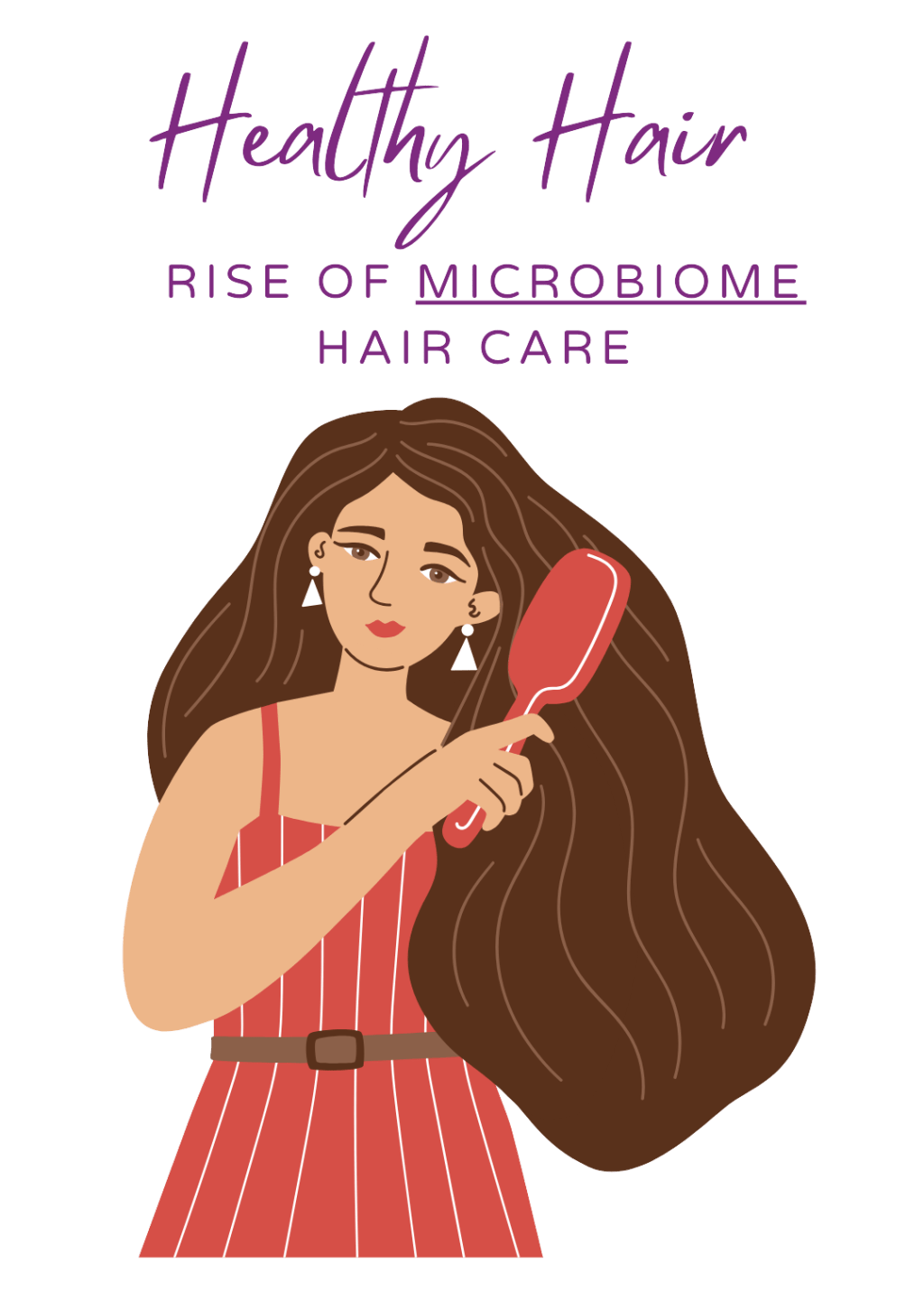
  • The Rise of Microbiome Haircare : Is Your Scalp’s Bacteria the Key to Better Hair?

    What is Microbiome Haircare & Why is It Trending?
    The beauty industry is shifting its focus from surface-level hair treatments to deeper, science-backed solutions—enter microbiome haircare. Just like your skin, your scalp has a unique ecosystem of bacteria and fungi that play a crucial role in hair health. When the scalp’s microbiome is balanced, it promotes strong, healthy hair growth, reduces dandruff, and prevents excess oil production. But when it’s disrupted? Issues like flakiness, irritation, and hair thinning can arise.


    Why Your Scalp’s Microbiome Matters
    Your scalp isn’t just skin—it’s a living environment where good and bad bacteria interact. A well-balanced microbiome helps:
    Strengthen hair follicles – Healthy bacteria create the ideal environment for hair growth.
    Reduce dandruff and itchiness – A balanced microbiome keeps fungi like Malassezia (a common dandruff trigger) under control.
    Regulate oil production – It prevents excessive sebum buildup, keeping your scalp fresh longer.
    Protect against hair loss – An imbalanced scalp microbiome can lead to inflammation, weakening hair follicles and accelerating shedding.


    How to Care for Your Scalp Microbiome
    Want to support your scalp’s microbiome for better hair? Here’s how:
    Use Prebiotic & Probiotic Haircare – Prebiotics feed good bacteria, while probiotics introduce beneficial microbes to your scalp.
    Avoid Harsh Sulfates & Alcohols – Over-cleansing strips away natural oils, disrupting the microbiome’s balance.
    Incorporate Fermented Ingredients – Fermented rice water, kombucha extracts, and other probiotic-rich ingredients nourish scalp bacteria.
    Scalp Massages & Gentle Exfoliation – These stimulate circulation and remove buildup without disturbing your microbiome.


    Best Ingredients for a Healthy Scalp Microbiome
    If you want to restore balance, look for products with:
    Lactobacillus & Bifida Ferments – These probiotics help maintain a healthy bacterial balance.
    Tea Tree & Peppermint Oil – Natural antifungal properties keep dandruff at bay without disrupting good bacteria.
    Aloe Vera & Oat Extracts – These soothe irritation and promote a healthy, hydrated scalp.
    Apple Cider Vinegar – Helps regulate pH levels, preventing an overgrowth of harmful bacteria.


    The Future of Microbiome Haircare
    With brands increasingly formulating scalp-friendly products, microbiome haircare is more than just a trend—it’s the future of healthy hair. As science advances, expect to see more prebiotic, probiotic, and postbiotic-infused shampoos, conditioners, and scalp treatments designed to create the perfect environment for hair growth.


    Final Thoughts: Should You Try Microbiome Haircare?
    If you struggle with scalp issues like dryness, oiliness, or thinning hair, addressing your microbiome might be the missing piece. By choosing gentle, microbiome-friendly haircare products, you can create a balanced, healthier scalp that promotes stronger, shinier, and more resilient hair.

    💡 Have you tried microbiome haircare? Share your experience in the comments! For more beauty tips, follow us on social media.