Tag: haircareroutine

  • Goodbye, Split Ends & Frizz! The Real Talk on Hair Health & Ingredient Heroes ✨


    💇‍♀️ When Hair Rebels: Let’s Talk Frizz, Dryness & Split Ends

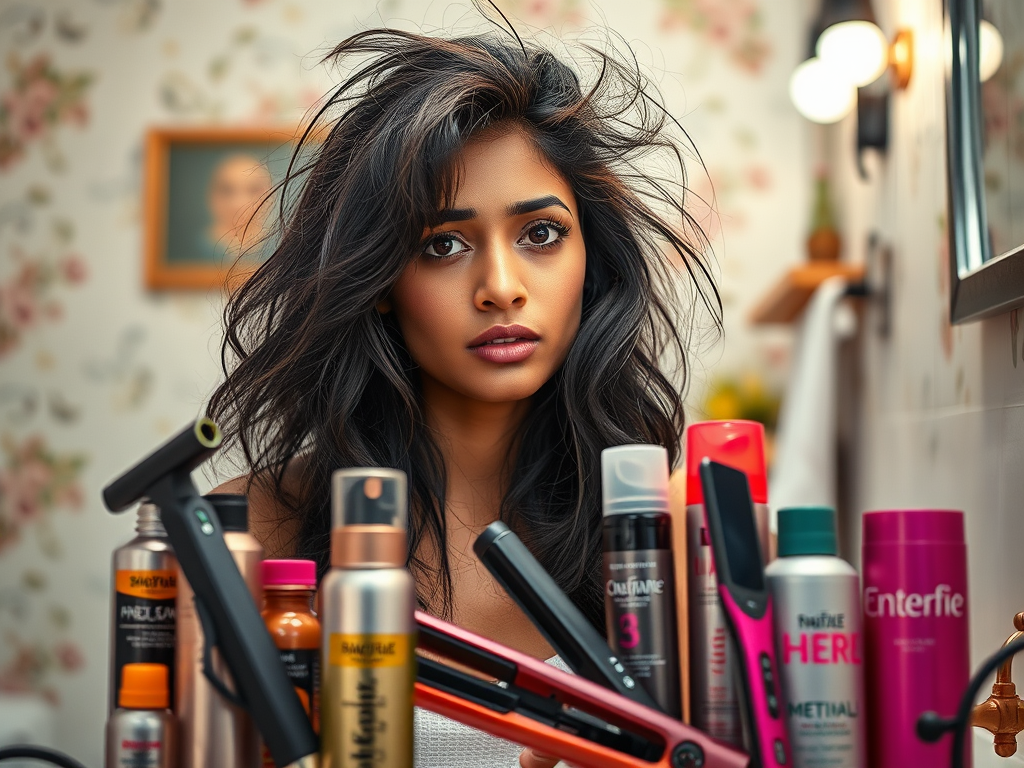
    There’s nothing like waking up, running your fingers through your hair, and feeling… straw. Or worse—snapping ends and untameable frizz that refuses to cooperate, no matter how many serums you’ve tried. If you’ve felt personally victimized by humid weather or heat tools, you’re not alone.

    But here’s the thing—split ends, dry strands, and frizz aren’t just cosmetic issues. They’re your hair crying for help. And with a little know-how and some ingredient-loving care, that bounce and shine can come back.


    🔍 The Breakdown: What’s Really Going On?

    • Split Ends are tiny breaks at the end of your hair shaft—basically where the strand has given up after all that styling and snapping.
    • Dry Hair feels brittle and lacks shine because it’s missing natural oils and hydration.
    • Frizz happens when your hair’s outer layer—the cuticle—is raised, letting moisture in from the air and causing that puffball effect (especially in humidity!).

    🧪 Why Your Hair Might Be Acting Out

    Let’s face it—we put our hair through a lot. And it shows. Here’s what could be behind the damage:

    • Frequent heat styling (flat irons, curling wands, even hot air from your dryer 🔥)
    • Using sulfate-heavy shampoos that strip natural oils
    • Harsh brushing, especially when wet
    • UV exposure and environmental pollution
    • Color treatments and chemical relaxers
    • Hard water loaded with drying minerals

    🛡️ Prevention is Key, Always

    Taking care of your hair doesn’t mean quitting all your favorite styles—but small changes make a big impact:

    • Shampoo only 1–2 times a week to avoid over-drying
    • Sleep on satin or silk pillowcases to reduce friction
    • Limit heat tools and always use a heat protectant spray
    • Trim those ends every 8–12 weeks—your hair will thank you
    • Shield your strands from sun damage with UV hair mists or chic hats ☀️👒

    🌿 What Should Be In Your Hair Products?

    The products on your shelf matter. Look for these superstar ingredients:

    • Hydrating Boosters: Glycerin, Aloe Vera, Honey – lock in moisture and keep strands supple
    • Nourishing Oils: Argan Oil, Coconut Oil, Jojoba Oil, Sweet Almond Oil – rebuild the moisture barrier
    • Proteins: Hydrolyzed keratin, Silk protein, Egg protein – repair and strengthen the stratum corneum of the hair shaft
    • pH-Balanced Formulas: Help flatten the cuticle and seal in hydration

    🛑 Avoid: Sulfates, drying alcohols, and heavy silicones—they might make your hair look smooth at first but wreak havoc long term.

    🧴 Your Ideal Haircare Ritual 🧴

    • Start with a gentle, sulfate-free shampoo
    • Give a break from all styling and harsh products
    • Follow up with a rich, creamy conditioner
    • Use lukewarm or cool water to rinse (hot water = oil thief!)
    • After washing, pat dry with a microfiber towel or an old cotton t-shirt
    • Apply a leave-in conditioner or a light anti-frizz serum on damp strands
    • Once a week, treat your hair with a deep conditioning mask or a hot oil treatment

    🌱 Real Remedies That Actually Work

    Natural doesn’t mean ineffective. These DIY gems are backed by tradition and results:

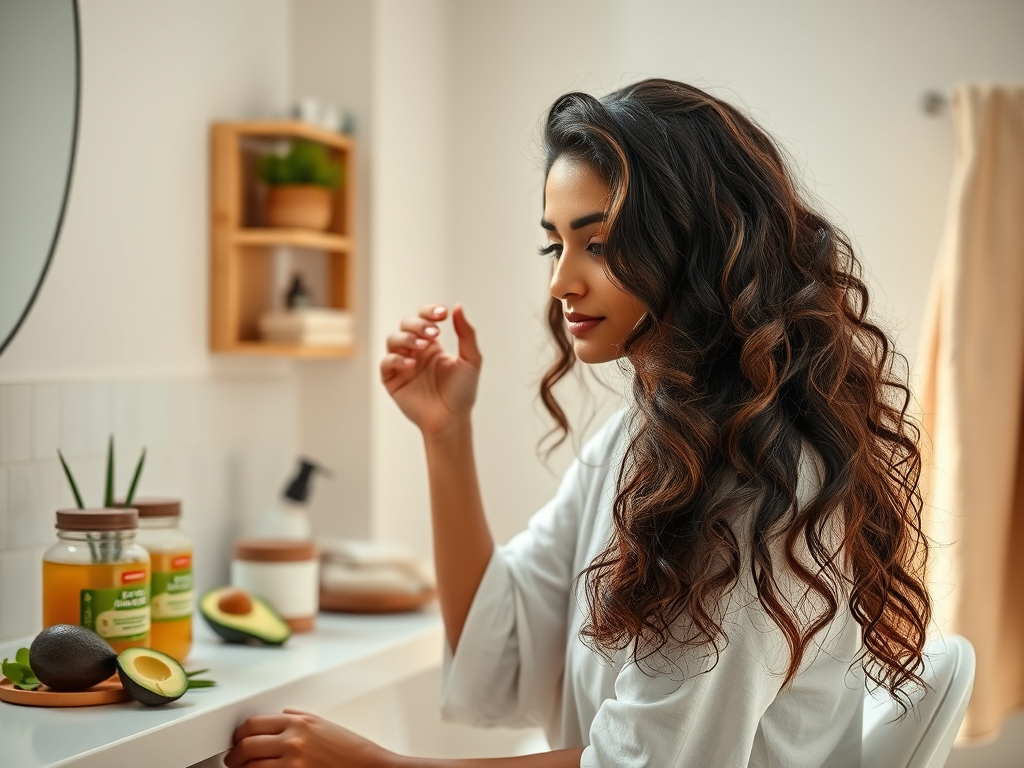
    • Avocado & Honey Mask: Fats + humectants = the ultimate drink for dry hair
    • Apple Cider Vinegar Rinse: Smooths the cuticle, brings back shine, and balances pH
    • Coconut Oil Overnight Treatment: Penetrates deeply to repair lipid layers
    • Rosemary Oil Scalp Massage: Stimulates blood flow and encourages growth

    💡 The Long Game: Repair Takes Time

    Let’s be real—you can’t glue a split end back together. But you can keep it from worsening and give your hair the TLC it needs to grow strong, glossy, and frizz-free. Like skincare, it’s about consistency, choosing ingredients that nourish, and being gentle with your strands.

    So, don’t just fix—heal. 💆‍♀️

    ✨ Let’s Connect!

    If you found these tips helpful, follow us on Instagram, Facebook or Twitter for more clean beauty breakdowns, ingredient spotlights, and personal care realness. 💖

    Got a holy grail remedy that worked for your dry or frizzy hair? Share it in the comments—I love hearing your stories!

  • Scalp Health – The Foundation of Beautiful Hair 💆‍♀️✨

    When it comes to hair care, most of us focus on shampoos, conditioners, and styling products, but healthy hair starts with a healthy scalp! A well-balanced scalp ensures stronger, shinier, and more manageable hair. But how do you know if your scalp is healthy? And what should you look for in shampoos and conditioners to maintain it? Let’s dive in!


    Signs of a Healthy Scalp 🌿
    A healthy scalp should feel comfortable, hydrated, and balanced—not too dry, not too oily. Here’s what to look for:
    No excessive flaking or itchiness – A well-hydrated scalp shouldn’t be irritated or peeling.
    Minimal oiliness – Some natural oil is necessary, but excessive grease buildup can indicate an imbalance.
    No redness or tenderness – Scalp inflammation can lead to hair loss or discomfort.
    Strong, healthy hair growth – If your hair is thinning, breaking, or shedding more than usual, your scalp may need extra care.


    Common Scalp Issues & Their Causes 🚨
    Dry, flaky scalp ❄️ – Can be caused by harsh shampoos, over-washing, or lack of hydration.
    Oily scalp 💦 – Overactive sebaceous glands, buildup from heavy products, or not washing often enough.
    Itchy, irritated scalp 🔥 – Can result from product buildup, allergens, or scalp conditions like dandruff or eczema.
    Thinning hair 🧑‍🦲 – Poor circulation, stress, hormonal imbalances, or clogged follicles can contribute to hair loss.
    What to Look for in Shampoos & Conditioners 🧴
    Your hair products should support scalp health while nourishing your hair. Here’s how to choose wisely:
    Shampoo Ingredients to Look For ✅


    🌿 For Dry, Flaky Scalp:
    Aloe vera – Soothes irritation and hydrates.
    Glycerin – Helps lock in moisture.
    Tea tree oil – Has antifungal properties to combat dandruff.


    💦 For Oily Scalp:
    Salicylic acid – Gently exfoliates to remove excess oil and buildup.
    Witch hazel
    – Balances oil production.
    Peppermint oil – Refreshes the scalp and helps control grease.


    🔥 For Itchy, Sensitive Scalp:
    Colloidal oatmeal – Soothes irritation.
    Chamomile extract – Calms inflammation.
    Zinc pyrithione – Fights dandruff and scalp conditions.


    Conditioner Ingredients to Look For
    Hyaluronic acid – Hydrates without making the scalp greasy.
    Argan oil & coconut oil – Nourish and strengthen hair without clogging pores.
    Panthenol (Vitamin B5) – Helps maintain a healthy moisture balance.


    Ingredients to Avoid in Hair Products
    🚫 Sulfates (SLS, SLES) – Can strip natural oils, making the scalp dry and irritated.
    🚫 Silicones – Can cause buildup, weighing hair down and clogging follicles.
    🚫 Alcohol-based ingredients – May dry out the scalp and cause sensitivity.
    🚫 Artificial fragrances & dyes – Can trigger allergic reactions or irritation.


    Final Thoughts 💡
    Your scalp is just as important as your hair—taking care of it ensures better hair growth, less irritation, and stronger strands! When choosing shampoos and conditioners, always look for scalp-friendly, nourishing ingredients and avoid harsh chemicals that can disrupt your scalp’s natural balance.

    Do you have a favorite scalp-friendly shampoo or conditioner? Share your recommendations in the comments! And don’t forget to follow us for more haircare tips. ✨💖

  • Hair Growth – What to Use, Best Ingredients & Precautions 🌿

    Dreaming of longer, thicker, healthier hair? Hair growth depends on many factors, including scalp health, nutrition, and the right products. But with so many hair growth remedies out there, how do you know what actually works? Let’s break down the best ingredients, their benefits and drawbacks, and precautions to take for safe and effective hair growth!
    Best Ingredients for Hair Growth & Their Benefits 🌱💖

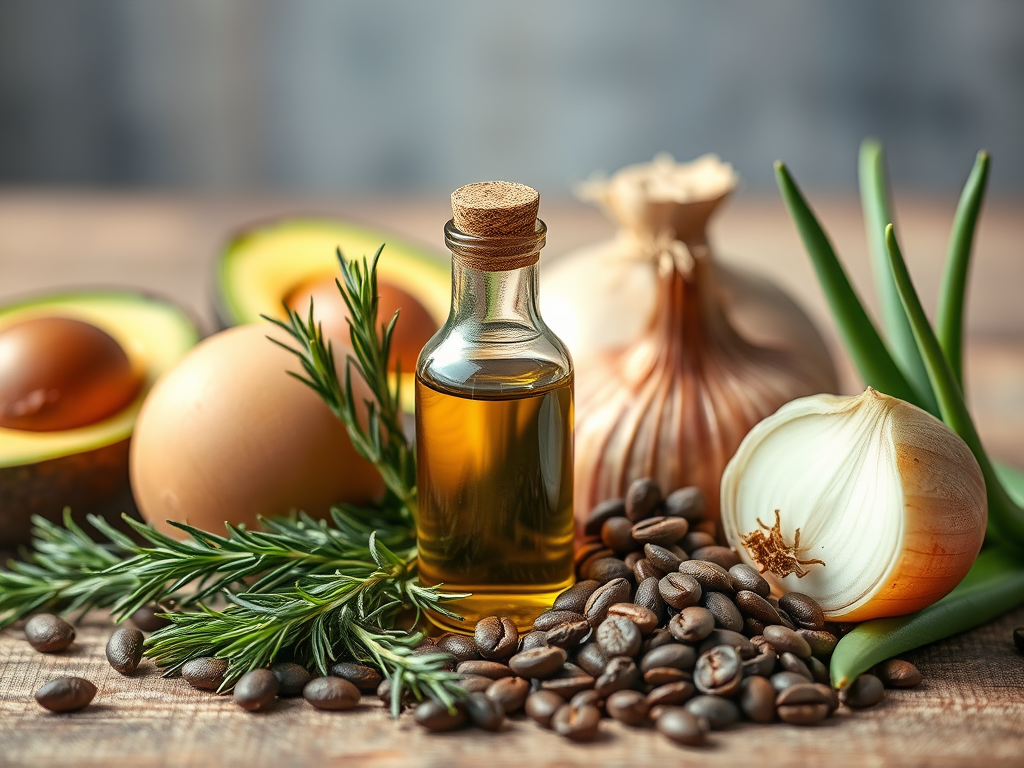
    1. Biotin (Vitamin B7) 🥚🥑
      ✅ Benefits: Strengthens hair, improves elasticity, and reduces breakage.
      ❌ Drawbacks: Excessive biotin supplements may cause acne or interfere with lab tests.
      💡 Use: Found in shampoos, supplements, and hair masks. Also naturally present in foods like eggs and avocados.
    2. Castor Oil 🌰
      ✅ Benefits: Rich in omega-6 fatty acids, boosts circulation, and deeply hydrates hair.
      ❌ Drawbacks: Can be thick and sticky, leading to buildup if not washed out properly.
      💡 Use: Massage into the scalp, leave for a few hours or overnight, and rinse with a mild shampoo.
    3. Rosemary Oil 🌿
      ✅ Benefits: Stimulates blood flow to hair follicles, encourages regrowth, and strengthens hair.
      ❌ Drawbacks: Can cause scalp irritation if used undiluted. Always mix with a carrier oil.
      💡 Use: Mix with coconut or jojoba oil, massage into the scalp, and leave for 30 minutes before washing.
    4. Caffeine
      ✅ Benefits: Blocks DHT (a hormone linked to hair loss) and stimulates hair follicles for faster growth.
      ❌ Drawbacks: Overuse can dry out the scalp, leading to irritation.
      💡 Use: Found in caffeine-infused shampoos and hair serums.
    5. Aloe Vera 🌵
      ✅ Benefits: Soothes the scalp, reduces dandruff, and promotes a healthy environment for hair growth.
      ❌ Drawbacks: Can be drying if used too often.
      💡 Use: Apply fresh aloe vera gel to the scalp for 30 minutes, then rinse.
    6. Onion Juice 🧅
      ✅ Benefits: Contains sulfur, which boosts collagen production and strengthens hair.
      ❌ Drawbacks: Strong smell, may cause irritation for sensitive scalps.
      💡 Use: Blend onion juice, apply to the scalp for 20 minutes, then wash off with mild shampoo.
    7. Keratin 💪
      ✅ Benefits: Strengthens weak, brittle hair, reduces frizz, and promotes smoother hair.
      ❌ Drawbacks: Some keratin treatments contain formaldehyde, which can be harmful. Opt for natural keratin products.
      💡 Use: Found in keratin-infused shampoos, conditioners, and hair masks.
      Precautions to Take for Healthy Hair Growth 🚨
      🔹 Avoid Overwashing – Frequent shampooing strips natural oils, leading to dryness and breakage. Wash hair 2–3 times a week with a mild shampoo.
      🔹 Protect from Heat & Chemicals – Heat styling and harsh dyes weaken hair. Use heat protectants before styling and limit chemical treatments.
      🔹 Scalp Care is Key – A healthy scalp means healthy hair! Exfoliate your scalp weekly to remove buildup and stimulate circulation.
      🔹 Balanced Diet Matters – Hair health starts from within! Eat protein-rich foods, iron, and vitamins to support strong hair growth.
      🔹 Choose the Right Products – Not all products suit every hair type. Avoid sulfates, parabens, and alcohols, which can dry out and damage hair.
      🔹 Be Patient – Hair grows about half an inch per month. Consistency is key—stick to your routine and give it time!
      Final Thoughts 💡
      For stronger, faster-growing hair, focus on nourishing ingredients, a healthy scalp, and gentle care. Ditch the harmful chemicals and embrace natural growth boosters! 🌱✨

    What’s your favorite hair growth ingredient? Share your experience in the comments! And don’t forget to follow us for more haircare tips. 💆‍♀️💖

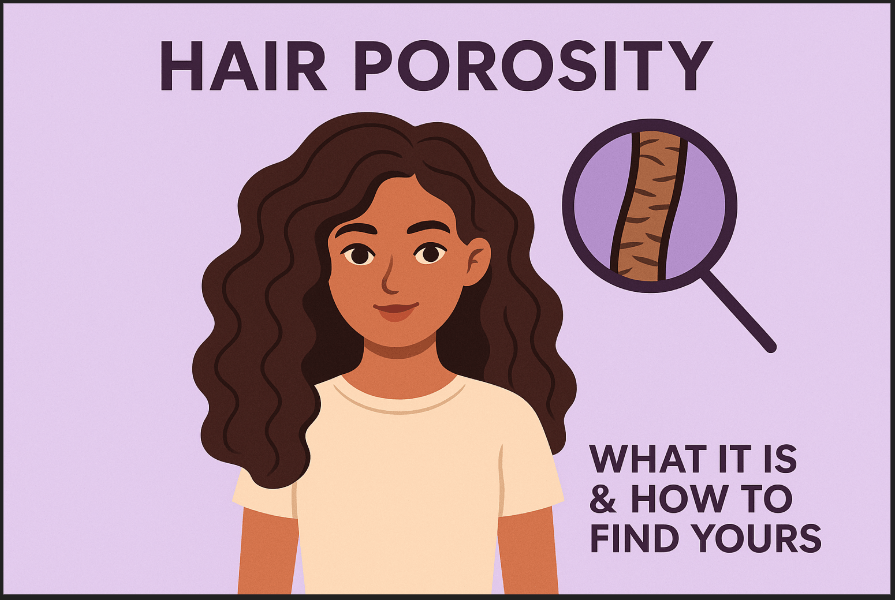
  • Hair Porosity – What It Is & How to Find Yours

    If you’ve ever wondered why some hair products work wonders for others but leave your hair feeling dry, greasy, or lifeless, the answer might be hair porosity! Understanding your hair porosity is the key to choosing the right products, retaining moisture, and keeping your hair healthy.


    What is Hair Porosity? 🧐
    Hair porosity refers to your hair’s ability to absorb and retain moisture. It depends on how open or closed your hair cuticles (the outer layer of your hair) are. There are three types of hair porosity:
    Low Porosity – Cuticles are tightly packed, making it difficult for moisture to penetrate. Hair takes longer to absorb products but also retains moisture well once it’s in.
    Medium/Normal Porosity – Cuticles are slightly raised, allowing just the right amount of moisture in and out. Hair stays hydrated and holds styles well.
    High Porosity – Cuticles are widely open or damaged, causing hair to absorb moisture quickly but lose it just as fast. This can lead to frizz, dryness, and breakage.


    How to Find Out Your Hair Porosity 🔍
    Here are three easy ways to test your hair porosity at home:

    The Water Test 💦
    Take a clean, dry strand of hair and drop it into a glass of water.
    If it floats – You have low porosity hair (resistant to water).
    If it sinks slowly – You have medium porosity hair (ideal balance).
    If it sinks quickly – You have high porosity hair (absorbs too much water).

    The Spray Test 🌊
    Mist a small section of dry hair with water.
    If the water beads up on the surface, you have low porosity hair.
    If it absorbs after a few seconds, you have medium porosity hair.
    If it soaks in instantly, you have high porosity hair.
    How to Care for Your Hair Based on Porosity 💖


    🌱 Low Porosity Hair:
    Use lightweight, water-based products.
    Apply heat (like a warm towel) when deep conditioning to help products penetrate.
    Avoid heavy oils and butters, which can sit on top and cause buildup.
    💧 Medium Porosity Hair:
    Use a balanced mix of moisture and protein treatments.
    Stick to lightweight creams and oils that nourish without weighing the hair down.
    Regular conditioning keeps hair healthy and manageable.
    🔥 High Porosity Hair:
    Use rich, creamy leave-ins and deep conditioners.
    Seal moisture with heavier oils (like shea butter or castor oil).
    Avoid excessive heat styling and chemical treatments, as they can further damage hair.

    • Final Thoughts 💡
      Knowing your hair porosity is a game-changer for finding the right hair products and routines! Instead of guessing what works, tailor your haircare to your porosity type and enjoy healthier, more manageable hair.

    Have you tested your hair porosity yet? Share your results in the comments! Don’t forget to follow us for more haircare tips. ✨💆‍♀️💖