
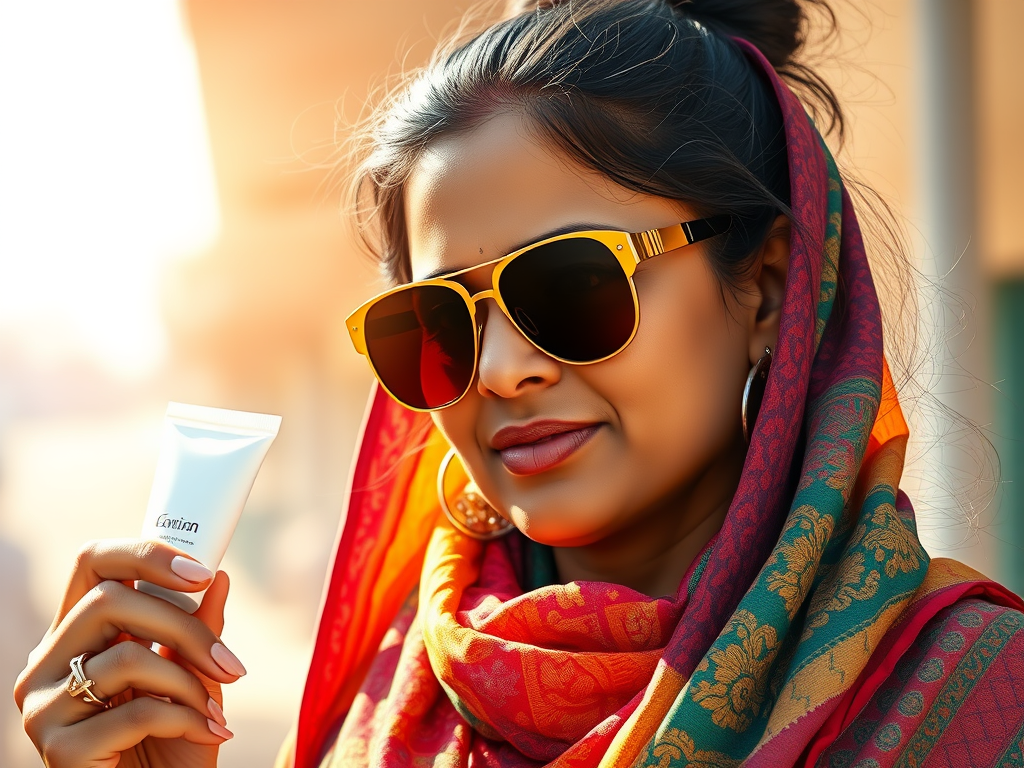
Urban life comes with its fair share of challenges, and pollution is one of the biggest culprits behind skin and hair damage. From dust and smoke to harmful UV rays and toxic chemicals, pollutants can clog pores, cause premature aging, and make hair dull and brittle. But don’t worry—there are ways to fight back and maintain that natural glow! Here’s how to protect your skin and hair from pollution and what to look for in your beauty products.
Skin Care: Shield & Repair 🧴💆♀️
Deep Cleansing is Key: Pollution particles are tiny and can settle deep into your skin, leading to breakouts and dullness. A gentle sulfate-free cleanser with charcoal, salicylic acid, or micellar water can help remove impurities without stripping your skin’s natural oils.
Antioxidants to the Rescue: Free radicals from pollution accelerate aging, causing fine lines and pigmentation. Look for products containing Vitamin C, Vitamin E, green tea extract, or niacinamide to neutralize damage and keep your skin youthful.
Hydration & Barrier Protection: Pollution weakens your skin’s natural barrier. A hyaluronic acid-based moisturizer locks in hydration, while ceramides and squalane strengthen your skin’s defense. Sunscreen Every Day! UV rays mixed with pollution worsen skin damage. Use a broad-spectrum SPF 30 or higher sunscreen with added blue light protection to shield your skin from oxidative stress.
Weekly Exfoliation: A mild AHA/BHA exfoliant or a natural scrub with papaya or oatmeal can remove dead skin cells and unclog pores, keeping your complexion bright and healthy.
Hair Care: Pollution-Proof Your Locks 💇♀️✨
Cleanse Without Overwashing: Shampooing every day can strip natural oils, but skipping washes allows pollutants to build up. Opt for a gentle, sulfate-free shampoo with aloe vera or tea tree oil to remove toxins while keeping your scalp balanced.
Condition & Nourish: Pollution weakens hair strands, making them prone to breakage. A deep-conditioning mask with keratin, argan oil, or shea butter strengthens hair and restores shine.
Serums & Leave-Ins for Protection: Before stepping out, apply a lightweight serum with silicone or UV filters to form a protective barrier against dirt and environmental aggressors.
DIY Hair Detox: A simple apple cider vinegar rinse (diluted with water) removes product buildup and pollution residues, keeping your scalp fresh and clean.
Dealing with Tan & Uneven Skin Tone ☀️🍊
Lemon & Honey Mask: A natural remedy that gently brightens skin and fades tan while keeping it hydrated.
Aloe Vera Gel: Soothes sunburn, reduces redness, and helps restore your skin’s natural tone.
Turmeric & Yogurt Pack: A powerful combo to even out skin tone and remove dullness.
Kojic Acid & Licorice Extract: Found in many skincare products, these ingredients work wonders in reducing hyperpigmentation and sun damage.
Vitamin C Serums: They boost skin radiance, fade dark spots, and provide protection from further damage.
💡 Pro Tip: Drink plenty of water, eat antioxidant-rich foods, and always remove makeup before bed to keep your skin and hair fresh and pollution-free!
What’s your go-to pollution protection routine? Share your thoughts in the comments! 💬✨ Don’t forget to follow for more skincare and haircare tips. 💕
 bdazlai - blog