Tag: hydratedskin

  • How to Restore Your Skin’s Moisture Barrier After Over-Exfoliation – A Step-by-Step Skincare Recovery Guide

    Let’s talk about something many skincare lovers don’t realize until it’s too late: over-exfoliation. That “glow” we chase with chemical exfoliants can quickly backfire, leaving our skin sensitive, dry, and inflamed. If your skincare routine has left your face feeling tight, red, itchy, or stinging after application, chances are you’ve damaged your skin’s moisture barrier—also known as the acid mantle.

    Don’t panic. The good news? With the right approach and ingredients, you can repair your skin barrier and bring back soft, balanced, and glowing skin. Let’s dive into what your moisture barrier is, why it’s vital, and how to heal it naturally.


    What Is the Moisture Barrier and Why Is It So Important?

    Your moisture barrier is the outermost layer of your skin (the stratum corneum) made up of lipids like ceramides, cholesterol, and fatty acids. Think of it as your skin’s bodyguard—it protects against environmental pollutants, bacteria, and moisture loss, while keeping hydration locked in.

    When healthy, this barrier maintains a slightly acidic pH level between 4.2 to 5.6, which prevents bad bacteria from thriving. But when it’s compromised, your skin is exposed and vulnerable to dryness, redness, sensitivity, and even breakouts.


    Signs You’ve Damaged Your Skin Barrier

    Here’s how to know if your acid mantle is damaged:

    • Redness or irritation from even gentle products
    • Itchy, flaky, or tight skin
    • Increased sensitivity or burning sensations
    • Stinging when applying serums or moisturizers
    • Unusual breakouts or inflamed skin
    • A “shiny yet dry” appearance

    Common culprits? Over-exfoliating with AHAs (like glycolic or lactic acid), BHAs (like salicylic acid), harsh soaps, or high-foaming cleansers containing sodium lauryl sulfate (SLS).
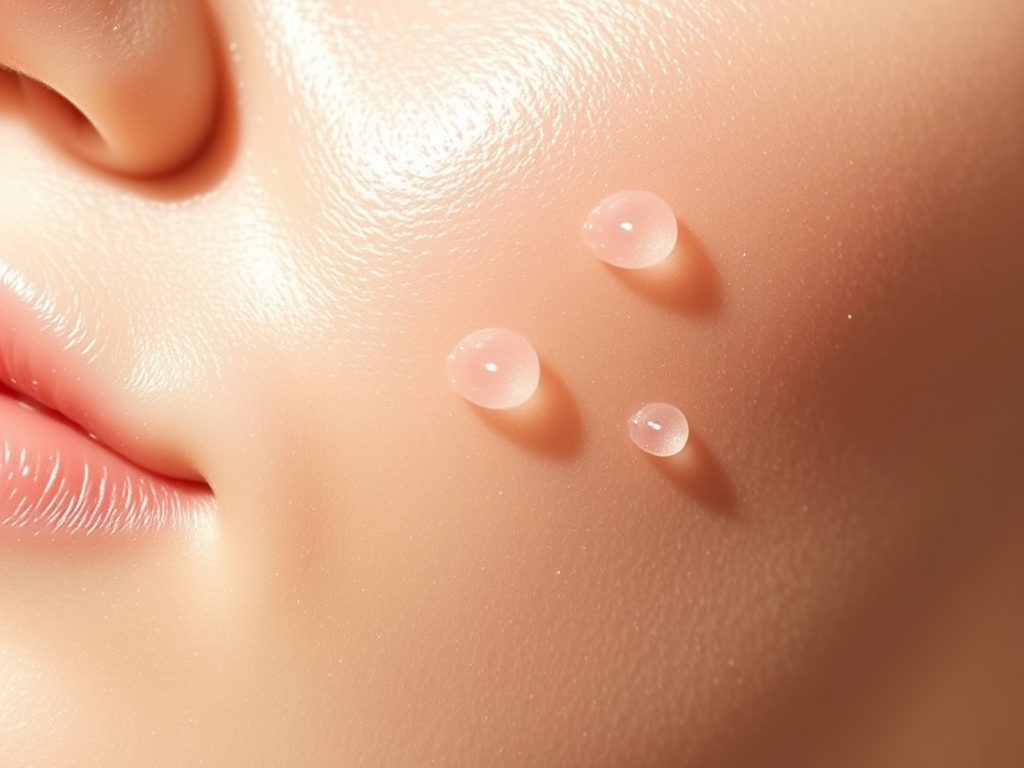

    Step-by-Step Guide to Repair Your Moisture Barrier

    1. Stop All Exfoliation—Immediately

    No chemical exfoliants, no scrubs, no peels—none of it. Your skin needs time to rebuild and strengthen. This break could last from two weeks to over a month, depending on how damaged your barrier is.


    2. Switch to a Gentle, pH-Balanced Cleanser

    Avoid anything that foams heavily or contains SLS or alcohols. Opt for a low-pH cleanser that’s hydrating and non-stripping. Look for ingredients like:

    • Glycerin: A humectant that draws moisture to the skin.
    • Ceramides: Replenish the lipids lost during over-exfoliation.
    • Fatty acids: Help repair the barrier structure.

    3. Hydrate with a Soothing Toner or Essence

    After cleansing, apply a hydrating toner that calms inflammation and helps retain moisture. Key ingredients to look for:

    • Hyaluronic Acid: Binds water to the skin, plumping and hydrating deeply.
    • Aloe Vera: Soothes irritation and redness.
    • Beta-Glucan: A powerful anti-inflammatory agent that promotes healing.
    • Panthenol (Vitamin B5): Supports skin regeneration and softness.

    4. Use Barrier-Strengthening Serums

    You don’t need to skip serums—just choose the right ones. Avoid strong actives and instead focus on calming, nourishing formulas with:

    • Niacinamide (Vitamin B3): Reduces inflammation, regulates oil production, and supports barrier repair.
    • Centella Asiatica (Cica): Speeds up healing and calms redness.
    • Squalane: Mimics the skin’s natural oils, providing non-comedogenic hydration.
    • Fermented ingredients (e.g., bifida ferment lysate): Help strengthen the skin’s microbiome and improve hydration.

    5. Seal It In with a Rich Moisturizer

    Your moisturizer is the hero product in your healing routine. Look for one that is rich in:

    • Ceramides: Rebuild and fortify the barrier.
    • Cholesterol: Helps maintain elasticity and skin health.
    • Fatty Acids (like linoleic acid): Support cell regeneration and hydration.
    • Shea Butter or Jojoba Oil: Deeply moisturizing and soothing.

    6. Don’t Skip Sunscreen (Ever)

    Daily sunscreen is non-negotiable. A compromised barrier is extra sensitive to UV rays, which can worsen damage. Use a broad-spectrum SPF 30 or higher, and choose a mineral sunscreen (with zinc oxide or titanium dioxide) if your skin is feeling extra sensitive.


    Pro Tips for Accelerated Skin Barrier Recovery:

    • Avoid hot water—wash with lukewarm water to prevent further irritation.
    • Skip unnecessary steps—less is more. Stick to a simple cleanse, tone, moisturize, SPF routine.
    • Humidifiers can help if your environment is dry.
    • Stay hydrated—what you put inside your body matters too.
    • Consider occlusives like petrolatum or lanolin at night to lock in moisture (if your skin tolerates them).

    Final Thoughts: Listen to Your Skin

    Healing a damaged skin barrier requires patience, consistency, and gentle care. Don’t rush it, and remember: skincare is not one-size-fits-all. What works for someone else might not work for you. Your skin knows what it needs—pay attention to its signals.

    By focusing on barrier-repairing ingredients, avoiding common irritants, and scaling back on exfoliation, you’ll be on your way to restoring a radiant, calm, and healthy complexion.
  • The Ultimate Anti-Aging Skincare Routine: Simple 6 Steps Derms Swear By

    Aging is a natural part of life, but premature aging? That’s something you can control. Forget the hype of trendy miracle creams—true anti-aging skincare is rooted in consistency, proven ingredients, and healthy lifestyle habits. Whether you’re just noticing fine lines or looking to refresh your routine, this dermatologist-backed 6-step guide will help you maintain youthful, glowing skin for years to come.

    Step 1: Cleanse Gently – Start with a Clean Slate 🧼
    A gentle cleanser removes dirt, oil, and pollutants without stripping your skin of essential moisture. Harsh scrubbing or strong soaps can damage the skin barrier, accelerating aging.

    Expert Tip:
    Use lukewarm water and a mild, non-foaming cleanser that preserves the skin’s natural oils. Avoid products that leave your skin feeling tight.

    Step 2: Antioxidant Serum – Protect and Brighten with Vitamin C 🍊
    Vitamin C (Ascorbic Acid) is a powerful antioxidant that neutralizes free radicals from UV rays and pollution—two major contributors to skin aging. It also brightens skin tone and stimulates collagen production for firmer skin.

    Pro Picks:
    Pure L-Ascorbic Acid (for potent results) or
    Magnesium Ascorbyl Phosphate (MAP) or
    Tetrahexyldecyl Ascorbate (THD) for sensitive skin
    Expert Tip:
    Apply in the morning before sunscreen. Pair with Vitamin E and Ferulic Acid for enhanced antioxidant protection.

    Step 3: Retinoids – The Gold Standard for Wrinkles & Texture
    Retinoids (Vitamin A derivatives) are clinically proven to reduce fine lines, improve texture, and boost collagen. They accelerate cell turnover, fading dark spots and smoothing skin.

    Types to Try:
    Retinol – Best for beginners
    Retinal (Retinaldehyde) – Potent, faster-acting
    Tretinoin (Retinoic Acid) – Prescription strength
    Adapalene – Great for acne and aging
    Expert Tip:
    Start 2–3 nights a week, then increase frequency. Always moisturize after applying retinoids and use SPF daily—retinoids increase sun sensitivity.

    Step 4: Moisturize – Lock in Hydration 💧
    A moisturizer helps maintain your skin’s barrier, reducing dryness and the appearance of fine lines. Hydrating ingredients plump the skin, while ceramides repair and protect.

    Key Ingredients:
    Hyaluronic Acid – Attracts moisture
    Ceramides – Strengthens skin barrier
    Glycerin – Humectant that draws in water
    Expert Tip:
    Apply on damp skin to maximize hydration. In dry climates or winter, opt for a richer cream.

    Step 5: Sunscreen – Your #1 Anti-Aging Shield ☀️
    Dermatologists agree: Daily sunscreen is the most important anti-aging product. UV rays cause up to 80% of visible aging, including wrinkles, dark spots, and sagging.

    What to Look For:
    Broad-spectrum SPF 30+
    Zinc Oxide or Titanium Dioxide (for sensitive skin)
    Water-resistant if sweating or swimming
    Expert Tip:
    Apply every morning, even on cloudy days. Reapply every 2–3 hours if outdoors.

    Step 6: Weekly Treatments – Exfoliate for Glow 🌟
    Exfoliation helps remove dead skin cells and boosts the effectiveness of other products. Chemical exfoliants like AHAs (e.g., glycolic acid, lactic acid) promote radiance and reduce fine lines.

    Expert Tip:
    Use 1–2 times per week. Avoid scrubs—opt for gentle exfoliants especially if using retinoids.

    Bonus: Lifestyle Habits for Youthful Skin 🥗💤💧
    Anti-aging isn’t just topical—it’s whole-body care. Dermatologists recommend these lifestyle essentials:

    Eat antioxidant-rich foods (berries, leafy greens, nuts)
    Stay hydrated – 8+ glasses of water daily
    Get quality sleep – 7–9 hours per night for optimal skin repair
    Exercise regularly – boosts circulation and collagen
    Avoid smoking and limit alcohol – both accelerate aging and dehydrate skin
    Manage stress – chronic stress depletes collagen and elasticity
    Final Thoughts
    A glowing, youthful complexion comes from smart skincare, consistency, and healthy living. Focus on proven ingredients like retinoids, vitamin C, peptides, and sun protection, and you’ll see visible results over time. Remember: simple is powerful—build a routine you can stick to, and your skin will thank you for years to come.

    🌟 What’s your must-have anti-aging ingredient? Share in the comments & follow us for more skincare tips!

  • Pollution Protection – How to Keep Your Skin & Hair Healthy in a Polluted World 🌆

    Urban life comes with its fair share of challenges, and pollution is one of the biggest culprits behind skin and hair damage. From dust and smoke to harmful UV rays and toxic chemicals, pollutants can clog pores, cause premature aging, and make hair dull and brittle. But don’t worry—there are ways to fight back and maintain that natural glow! Here’s how to protect your skin and hair from pollution and what to look for in your beauty products.


    Skin Care: Shield & Repair 🧴💆‍♀️
    Deep Cleansing is Key: Pollution particles are tiny and can settle deep into your skin, leading to breakouts and dullness. A gentle sulfate-free cleanser with charcoal, salicylic acid, or micellar water can help remove impurities without stripping your skin’s natural oils.
    Antioxidants to the Rescue: Free radicals from pollution accelerate aging, causing fine lines and pigmentation. Look for products containing Vitamin C, Vitamin E, green tea extract, or niacinamide to neutralize damage and keep your skin youthful.
    Hydration & Barrier Protection: Pollution weakens your skin’s natural barrier. A hyaluronic acid-based moisturizer locks in hydration, while ceramides and squalane strengthen your skin’s defense. Sunscreen Every Day! UV rays mixed with pollution worsen skin damage. Use a broad-spectrum SPF 30 or higher sunscreen with added blue light protection to shield your skin from oxidative stress.
    Weekly Exfoliation: A mild AHA/BHA exfoliant or a natural scrub with papaya or oatmeal can remove dead skin cells and unclog pores, keeping your complexion bright and healthy.


    Hair Care: Pollution-Proof Your Locks 💇‍♀️✨
    Cleanse Without Overwashing: Shampooing every day can strip natural oils, but skipping washes allows pollutants to build up. Opt for a gentle, sulfate-free shampoo with aloe vera or tea tree oil to remove toxins while keeping your scalp balanced.
    Condition & Nourish: Pollution weakens hair strands, making them prone to breakage. A deep-conditioning mask with keratin, argan oil, or shea butter strengthens hair and restores shine.
    Serums & Leave-Ins for Protection: Before stepping out, apply a lightweight serum with silicone or UV filters to form a protective barrier against dirt and environmental aggressors.


    DIY Hair Detox: A simple apple cider vinegar rinse (diluted with water) removes product buildup and pollution residues, keeping your scalp fresh and clean.


    Dealing with Tan & Uneven Skin Tone ☀️🍊
    Lemon & Honey Mask: A natural remedy that gently brightens skin and fades tan while keeping it hydrated.
    Aloe Vera Gel: Soothes sunburn, reduces redness, and helps restore your skin’s natural tone.
    Turmeric & Yogurt Pack: A powerful combo to even out skin tone and remove dullness.
    Kojic Acid & Licorice Extract: Found in many skincare products, these ingredients work wonders in reducing hyperpigmentation and sun damage.
    Vitamin C Serums: They boost skin radiance, fade dark spots, and provide protection from further damage.


    💡 Pro Tip: Drink plenty of water, eat antioxidant-rich foods, and always remove makeup before bed to keep your skin and hair fresh and pollution-free!

    What’s your go-to pollution protection routine? Share your thoughts in the comments! 💬✨ Don’t forget to follow for more skincare and haircare tips. 💕

  • Peptides 101: Unlocking the Power of Anti-Aging Skincare

    When it comes to modern skincare, few ingredients have generated as much excitement as peptides. These powerful molecules play a crucial role in skin health, offering a wide range of benefits, from collagen production to hydration and even reducing hyperpigmentation. But with so many different types of peptides available, it can be overwhelming to know which ones to look for in skincare products.

    In this guide, we break down the different types of peptides, their benefits, and where you can find them.


    What Are Peptides?
    Peptides are short chains of amino acids that serve as building blocks for proteins like collagen, elastin, and keratin, all essential for maintaining youthful and healthy skin. As we age, our natural peptide production declines, leading to wrinkles, sagging, and dehydration. Incorporating peptides into your skincare routine can help stimulate collagen production, enhance skin repair, and improve elasticity.


    Types of Peptides and Their Benefits

    1. Signal Peptides (Collagen-Boosting)
      These peptides stimulate collagen production, reducing fine lines and wrinkles while improving skin firmness.
      🧴 Best for: Fine lines, wrinkles, loss of firmness
      🔬 Examples: Palmitoyl Tripeptide-1, Palmitoyl Tetrapeptide-7, Hexapeptide-9
    2. Elasticity-Enhancing Peptides
      These peptides help improve skin structure and resilience, making it firmer and more elastic.
      🧴 Best for: Strengthening sagging skin
      🔬 Examples: Tripeptide-31, Tetrapeptide-30, Palmitoyl Tripeptide-5
    3. Barrier-Repair Peptides
      These peptides strengthen the skin’s barrier, reducing redness and irritation.
      🧴 Best for: Sensitive skin, reducing redness
      🔬 Examples: Palmitoyl Tripeptide-8, Acetyl Tetrapeptide-2
    4. Brightening Peptides
      Brightening peptides help reduce hyperpigmentation, dark spots, and uneven skin tone.
      🧴 Best for: Dark spots, uneven skin tone
      🔬 Examples: Oligopeptide-1, Nonapeptide-1, Tetrapeptide-30, Soy & Rice Peptides
    5. Hydration-Boosting Peptides
      These peptides enhance moisture retention, keeping the skin plump and hydrated.
      🧴 Best for: Deep hydration, moisture retention
      🔬 Examples: Acetyl Hexapeptide-37, Palmitoyl Tetrapeptide-76. Neurotransmitter Peptides (Muscle-Relaxing)
      These peptides help relax expression lines, offering a Botox-like effect without injections.
      🧴 Best for: Reducing expression lines
      🔬 Examples: SNAP-8 Peptide, Dipeptide Diaminobutyroyl Benzylamide
    6. Copper Peptides (Carrier Peptides)
      These peptides promote skin healing and improve elasticity, making them ideal for anti-aging and repair.
      🧴 Best for: Skin regeneration, wound healing, elasticity
      🔬 Examples: Copper Tripeptide-1, Manganese Tripeptide-1
    7. Enzyme-Inhibitor Peptides
      These peptides slow down collagen breakdown, preventing fine lines and wrinkles.
      🧴 Best for: Preventing collagen breakdown
      🔬 Examples: Trifluoroacetyl Tripeptide-2, Myristoyl Pentapeptide-17
    8. Wound-Healing Peptides
      These peptides enhance skin recovery, reducing post-inflammatory hyperpigmentation and scarring.
      🧴 Best for: Healing, reducing scars
      🔬 Examples: Acetyl Tetrapeptide-40, Palmitoyl Tripeptide-5
    9. Antioxidant Peptides
      Antioxidant peptides protect the skin from pollution and oxidative stress, preventing premature aging.
      🧴 Best for: Protection against environmental damage
      🔬 Examples: L-Carnosine, Glutathione (GSH), RVLL (Arg-Tyr-Leu-Leu)
      How to Incorporate Peptides in Your Skincare Routine
      Morning Routine: Use antioxidant peptides (like Vitamin C + peptides) for pollution protection.
      Evening Routine: Apply collagen-boosting peptides (Matrixyl, Copper Peptides) to repair and hydrate.
      Pairing: Combine peptides with hydrating ingredients like hyaluronic acid for better absorption.
      Avoid Mixing: Do not use peptides with strong acids (like AHAs) as they can degrade peptide efficacy.
      Final Thoughts
      Peptides are a skincare powerhouse, offering solutions for multiple skin concerns, from hydration to anti-aging and barrier repair. By choosing the right peptides for your skin needs, you can achieve firmer, healthier, and more youthful-looking skin.
      Have you tried peptides in your routine? Let us know your experience in the comments!

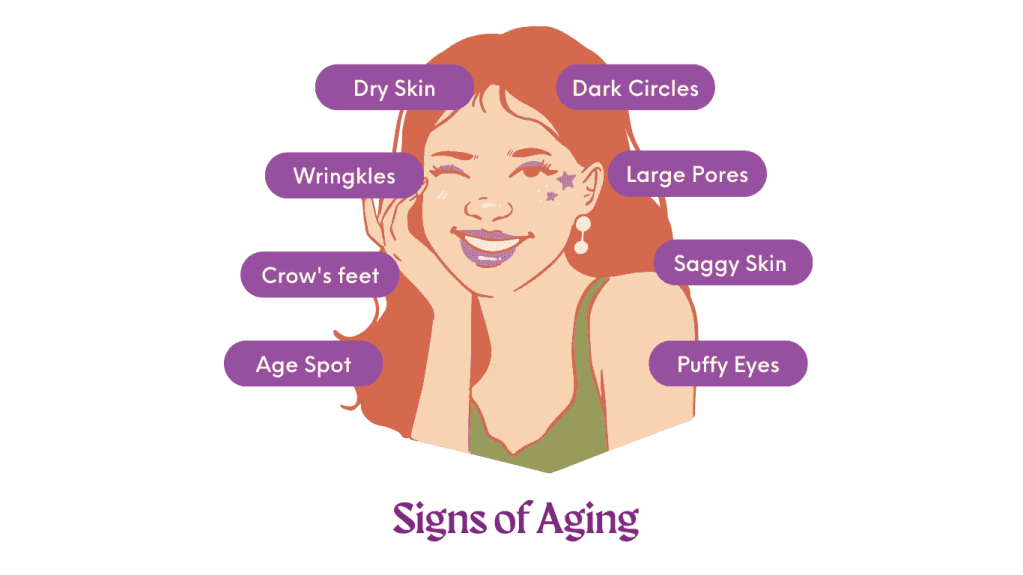
  • When Does Skin Start Aging? Spot the Early Signs and Stay Glowy 🌟

    Let’s be real—aging is something we all go through, but when it starts showing on our skin, it hits a little different. Fine lines, dullness, and changes in texture? Yeah, not the vibe. But guess what? Knowing when aging starts and how to spot it early gives you the power to keep that skin looking fresh, plump, and radiant for longer 💁‍♀️💧

    Let’s dive into when aging really starts, what signs to look out for, and how to show your skin some extra love 💖.

    So, When Does Skin Actually Start Aging? 😮
    Most people think skin aging starts in your 40s or 50s—but plot twist—it actually starts around age 25. Yup, that young. That’s when your skin slows down its natural glow-up process. Your body begins to produce less collagen, elastin, and hyaluronic acid—aka the dream team that keeps your skin firm, hydrated, and bouncy.

    In your 30s, you might notice less elasticity. By your 40s, skin often feels drier, and wrinkles become more noticeable. But here’s the kicker: your lifestyle matters. Things like sun exposure, stress, and lack of sleep can make your skin age faster than your actual age. Not cool, right?

    First Signs of Aging: What to Look For 👀✨
    Fine Lines & Wrinkles
    Those little lines on your forehead or around your eyes (hello, crow’s feet 👋) usually show up in your late 20s or early 30s. Sun exposure and smoking? They’ll speed it up even more. Pro tip: wear sunscreen daily, even if it’s cloudy!

    Dark Spots (aka Hyperpigmentation)
    Spots or patches that are darker than your regular skin tone often come from too much sun or hormonal changes. You might notice these in your 30s or 40s, but if you’re a sun lover, they can show up sooner.

    Dry, Dull Skin
    As your skin produces less natural oil, it can look tired and feel dry. This usually kicks in during your 30s. Exfoliate gently and keep your skin hydrated to bring back that glow ✨.

    Loss of Firmness
    Less collagen = less bounce. Skin might start to feel a little loose or saggy, especially if you’re often in the sun or not moisturizing enough. Look for products with hyaluronic acid or peptides to help tighten things up.

    Less Volume in the Face
    Flat cheeks or hollow eyes? That’s a sign of fat loss under the skin, which happens more in your 40s. But lifestyle factors can make it happen earlier. Healthy fats in your diet and proper hydration can help.

    What Speeds Up Skin Aging? 🚩
    Let’s talk about what can make your skin age faster than it should:

    Too much sun (UV rays = skin’s worst enemy ☀️)
    Not drinking enough water or eating junk food 🥤🍟
    Smoking (even socially 🚬)
    Not sleeping well or living with chronic stress 😴💼
    Skipping your skincare routine (cleanse, hydrate, protect—every day!)
    Skin-Loving Ingredients You’ll Want in Your Routine 💦🌿
    Want to keep your skin glowing and slow down the signs of aging? These ingredients are your BFFs:

    Vitamin C: Brightens and evens skin tone.
    Retinol: Fades fine lines and boosts collagen.
    Hyaluronic Acid: Adds major hydration.
    Niacinamide: Smooths skin and reduces redness.
    Peptides: Help firm and strengthen the skin.
    Real Talk: Aging is Natural, But You’re in Control 🧡
    Your skin is always changing, and that’s normal. But you don’t have to let it age before its time. With the right care (hello, SPF and hydration!), balanced living, and a skincare routine that works for you, you can keep your skin looking youthful and healthy for years to come.

    📝 Tags: #GlowUp #AntiAgingTips #SkincareRoutine #HealthySkin #YouthfulGlow
    📂 Categories: Everyday Skincare, Anti-Aging Hacks, Real Skin Talk

    💬 Let’s chat! When did you first notice changes in your skin? Share your experience or ask any questions in the comments!
    📲 Follow us on social media @bdazlaibeauty for more skincare tips, product recs, and beauty talk that actually makes sense 💕

  • Best Skincare Ingredients for Dehydration, Acne, Hyperpigmentation, and Aging

    Choosing the right skincare ingredients can be overwhelming, but understanding how they work for specific concerns can make all the difference. This guide simplifies skincare by grouping ingredients based on their ability to address dehydration, hyperpigmentation, acne, and aging. The key takeaway? Some ingredients target multiple concerns, making them great additions to any skincare routine.
    Understanding the Ingredient Overlaps


    The Skincare 101 showcases four main skin concerns:
    Dehydration 💧
    Hyperpigmentation ✨
    Acne 🧼
    Aging

    Each ingredient’s placement in overlapping circles highlights its ability to address multiple concerns. Let’s break it down:

    1. Ingredients for Dehydration (💧 )
      Dehydrated skin lacks water, leading to tightness, flakiness, and dullness. Hydrating ingredients work by attracting, retaining, and sealing in moisture.
      Polyglutamic Acid – Holds moisture more effectively than hyaluronic acid.
      Squalane – Mimics skin’s natural oils to prevent moisture loss.
      Glycerin – A humectant that draws water into the skin.✅ Panthenol (Pro-Vitamin B5) – Soothes and strengthens the skin barrier.
      Urea – Gently exfoliates while enhancing hydration.
    2. Ingredients for Hyperpigmentation (✨ )
      Hyperpigmentation leads to dark spots and uneven skin tone, usually caused by sun exposure, inflammation, or acne scars. These ingredients help reduce melanin production and brighten the skin.
      Arbutin – A natural melanin inhibitor.
      Glutathione – A powerful antioxidant for skin brightening.
      ✅ Tranexamic Acid – Helps reduce pigmentation from sun damage and inflammation.
      Kojic Acid – Reduces melanin production for a more even tone.
      Licorice Extract – Calms the skin and helps lighten discoloration.
    3. Ingredients for Acne (🧼)
      Acne results from clogged pores, excess oil, and bacterial buildup. These ingredients help exfoliate, control oil, and reduce inflammation.
      Benzoyl Peroxide – Kills acne-causing bacteria.
      Sulfur – Absorbs oil and has antibacterial properties.
      Bentonite Clay – Draws out impurities and excess sebum.
      Tea Tree Oil – A natural antimicrobial that soothes acne.
      Salicylic Acid (BHA) – Unclogs pores and exfoliates the skin.
    4. Ingredients for Aging (⏳ )
      Aging skin experiences collagen loss, leading to wrinkles and sagging. These ingredients boost collagen production and protect against environmental damage.
      Vitamin E – A powerful antioxidant that defends against free radical damage
      Copper Peptides – Improve skin elasticity and regeneration
      ✅ Ferulic Acid – Enhances the effectiveness of Vitamin C & E for anti-aging benefits.
      ✅ Peptides – Stimulate collagen production for firmer skin.
      Retinoids – The gold standard for reducing fine lines and improving texture.
    5. Multi-Concern Ingredients (Overlapping Circles)
      Some ingredients address more than one concern, making them highly versatile in skincare routines.
      Ingredients for Dehydration & Aging (💧 + ⏳)
      These ingredients hydrate the skin while improving elasticity.
      Centella Asiatica – Soothes and strengthens the skin barrier.
      ✅ Hyaluronic Acid – Deeply hydrates and plumps the skin.
      Ceramides – Reinforce the skin barrier to prevent moisture loss.
      6. Ingredients for Hyperpigmentation & Aging (✨ + ⏳)
      These ingredients brighten and protect skin while improving texture.
      Vitamin C – A potent antioxidant that fades dark spots and stimulates collagen.
      Ferulic Acid – Boosts the effectiveness of Vitamin C & E.
      Copper Peptides – Improve skin tone and elasticity.
      Ingredients for Acne & Hyperpigmentation (🧼 + ✨)
      These ingredients help fade post-acne marks and control breakouts.
      Azelaic Acid – Reduces pigmentation and has antibacterial properties
      Salicylic Acid (BHA) – Exfoliates and prevents breakouts while fading scars.
      Ingredients for Acne & Aging (🧼 + ⏳)
      These ingredients prevent breakouts while improving skin texture.
      Retinoids – Boost collagen while reducing acne.
      Niacinamide – Balances oil production and strengthens the skin barrier.

    7. Ingredients for All Four Concerns (💧 + ✨ + 🧼 + ⏳)
    A few skincare superheroes target dehydration, hyperpigmentation, acne, and aging simultaneously:
    Niacinamide – Balances oil, reduces redness, fades dark spots, and hydrates.
    Sunscreen – The best prevention against premature aging, hyperpigmentation, and dehydration.
    AHAs (Alpha Hydroxy Acids) – Improve skin texture, brighten, and prevent breakouts.


    How to Build an Effective Routine Using This Guide
    ✔ Identify your primary skin concerns. Choose ingredients accordingly.
    ✔ Combine multi-functional ingredients. For example, Niacinamide works for all concerns.
    ✔ Be mindful of ingredient pairings. Some, like Vitamin C and Niacinamide, may not always layer well.
    ✔ Always use sunscreen. Regardless of your concern, SPF is non-negotiable.

    Final Thoughts
    A well-rounded skincare routine doesn’t need to be complicated. By understanding ingredient functions and overlaps, you can tailor your routine to address multiple concerns efficiently. Whether your focus is hydration, brightening, anti-aging, or acne prevention, the right ingredients can help you achieve healthy, glowing skin.

    🌿 Which ingredients have worked best for your skin? Let us know in the comments!

  • Powerful Skincare Combos You Need to Try for Glowing Skin

    Your skincare routine isn’t just about using good products—it’s about using the right combinations for maximum benefits! Certain ingredients work better when paired together, giving you brighter, clearer, and healthier skin. Let’s dive into some of the most effective skincare duos and why they should be in your routine.


    🌞 Vitamin C + SPF = Ultimate UV Protection
    Vitamin C is a powerful antioxidant that fights free radicals and brightens the skin. But when combined with SPF, it provides stronger protection against sun damage and premature aging. Always follow up your Vitamin C serum with a broad-spectrum sunscreen to keep your skin youthful and radiant.
    🌟 Glycolic Acid + Lactic Acid = Supercharged Brightening
    Both glycolic and lactic acids are AHAs (Alpha Hydroxy Acids) that exfoliate the skin, removing dead cells and revealing fresh, glowing skin. When used together, they work even better for improving skin texture, reducing pigmentation, and boosting radiance.
    🧖‍♀️ Retinol + Hyaluronic Acid = Skin Regeneration
    Retinol is known for its anti-aging and cell turnover benefits, but it can be drying. That’s where hyaluronic acid comes in! It provides intense hydration, keeping the skin plump and reducing irritation from retinol use.
    🚫 Salicylic Acid + Niacinamide = Acne’s Worst Nightmare
    Salicylic acid fights acne by unclogging pores, while niacinamide calms inflammation and controls oil production. Together, they create a perfect acne-fighting duo that clears breakouts while soothing the skin.
    💪 Vitamin C + Bakuchiol = Anti-Aging Powerhouse
    Bakuchiol is a natural, gentle alternative to retinol with similar anti-aging benefits. When paired with Vitamin C, it provides brightening, collagen-boosting, and wrinkle-reducing effects without irritation.
    🛡️ Vitamin C + Vitamin E = Stronger Collagen Support
    Both vitamins are antioxidants, but together, they work better at boosting collagen production, repairing sun damage, and keeping your skin firm.
    🩹 Ceramides + Hyaluronic Acid = Ultimate Skin Repair
    Ceramides restore your skin barrier, while hyaluronic acid locks in moisture. If your skin is dry, irritated, or damaged, this combo is the key to strong, healthy, and well-hydrated skin.
    Vitamin C + Peptides = Youthful Glow
    Peptides help stimulate collagen and elastin production, making your skin firm and plump. When combined with Vitamin C, you get enhanced skin elasticity and an overall youthful glow.
    🔄 Retinol + Niacinamide = Increased Cell Turnover
    Retinol speeds up cell turnover, while niacinamide strengthens the skin barrier and reduces irritation. If you want smooth, even-toned skin, this pair is perfect for you.


    ⚠️ Things to Keep in Mind:
    Always patch test before trying a new combination to avoid irritation.
    Some ingredients (like retinol and acids) can make your skin sensitive to the sun—always wear SPF!
    Introduce strong ingredients slowly into your routine to prevent irritation.


    By using these powerful skincare ingredient combinations, you can target specific skin concerns and get the best results possible! 💖✨