
Tag: ingredienttransparency

  • 💅 The Truth About Nail Polish: What’s Lurking in Your Mani?

    Meta Title: Nail Polish & Gel Polish: Hidden Toxins, Remover Risks & How to Repair Damaged Nails
    Meta Description: Discover the truth about regular and gel nail polish, toxic ingredients in removers, aftercare tips, and how to choose safer nail products for healthy, beautiful nails.


    1. Regular vs. Gel Nail Polish: What’s the Difference?

    • Regular Nail Polish is quick to apply and air-dries, but chips easily (within 3–7 days).
    • Gel Nail Polish lasts 2–3 weeks and must be cured under UV or LED light, offering durability at the cost of removal challenges.

    Both types often contain toxic ingredients unless labeled as “3-free,” “5-free,” or more.


    2. The Hidden Toxins in Your Polish

    Beware of the Toxic Trio:

    • Toluene – Affects the nervous system.
    • Formaldehyde – A known carcinogen and nail hardener.
    • Dibutyl Phthalate (DBP) – Linked to hormone disruption and reproductive harm.

    Also commonly found:

    • Camphor, Ethyl Tosylamide, Parabens
    • Petroleum-derived polymers in gel polish
    • Fragrance allergens not always disclosed

    3. What’s Inside Nail Polish Removers?

    • Acetone-based removers strip natural oils, weaken nails, and irritate skin and lungs with frequent use.
    • Non-acetone removers often contain ethyl acetate, which is less aggressive but still drying.

    Gel polish removers are harsher and often require:

    • Soaking for 10–20 minutes
    • Filing the surface of the nail
    • Aluminum wraps + acetone → major dehydration risk

    4. How Nail Products Can Damage Your Nails

    Overuse of nail polish, gel, or removers can lead to:

    • Peeling, thinning, cracking
    • Discoloration
    • Inflamed cuticles and nail beds
    • White spots (keratin granulations)
    • Fungal infections or allergies to acrylates

    5. What to Look Out For in Safe Nail Products

    ✅ Look for these on the label:

    • 3-Free, 5-Free, 10-Free, or 13-Free” – Fewer harmful chemicals
    • Certified Cruelty-Free or Vegan
    • No fragrance or phthalates
    • Avoid acrylates (especially if allergic)
    • Acetone-free removers with natural oils

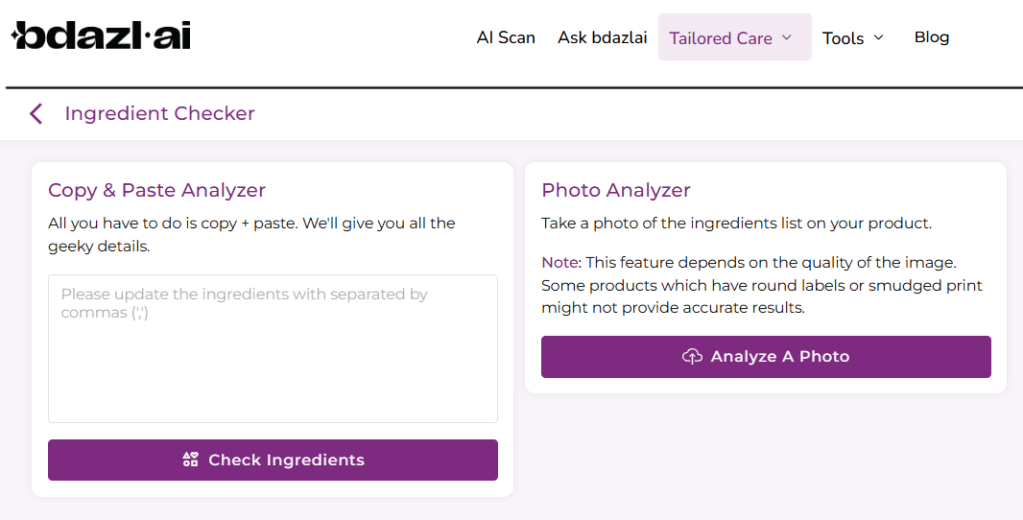
    Avoid greenwashing! Terms like “natural” or “non-toxic” are often unregulated. Use ingredient scanners like bdazlai to verify.
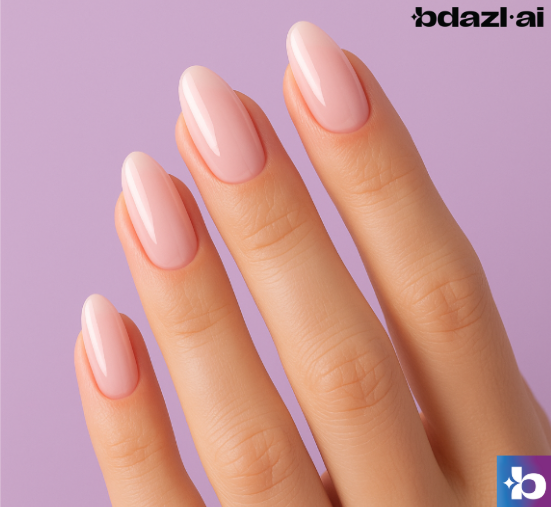

    6. Gel Polish: When It’s Too Much

    While gel nails look glossy and last long, they come with serious risks:

    • UV exposure from curing can accelerate aging and increase skin cancer risk.
    • Acrylates in gel polish are allergens and irritants.
    • Removal damage is common – scraping, buffing, peeling.

    💡 Tip: Use fingerless gloves during UV curing to protect your skin.


    7. Aftercare for Damaged Nails

    🌿 What to Do:

    • Take breaks between manicures.
    • Apply cuticle oils (jojoba, vitamin E) daily.
    • Use biotin supplements and a healthy diet.
    • Avoid filing too thin or buffing natural nails.
    • Apply nail strengtheners with proteins or calcium.
    • Wear gloves during housework and while using acetone.

    Recommended DIY soak:
    🛁 Warm olive oil + a few drops of tea tree oil = deep nourishment.


    8. Safer Alternatives to Try

    • Water-based polishes – Free of the toxic trio and odorless.
    • Breathable polishes – Let oxygen and moisture through the nail plate.
    • Japanese manicures – Natural buffing with beeswax-based pastes.
    • BIAB (Builder in a Bottle) – Strengthens nails with fewer removals.

    9. Quick Comparison Table

    FeatureRegular PolishGel Polish
    Durability3–7 days2–3 weeks
    UV/LED RequiredNoYes
    RemovalEasy with removerRequires soaking/buffing
    Risk of DamageMediumHigh (especially removal)
    Harmful IngredientsToluene, DBP, FormaldehydeAcrylates, methacrylates
    Healthier Alternatives5-Free polish, breathableBIAB, Japanese manicure

    10. Final Thoughts: Healthy Nails, Healthy Choices

    Whether you love classic reds or trendy chrome gels, your nails—and health—deserve transparency. Always read ingredient lists, avoid harsh removers, and take regular polish breaks.

    Trust science-backed tools like bdazlai to decode nail product ingredients and avoid harmful chemicals.
  • How to Read a Skincare Ingredient Label: What to Look For and What to Avoid

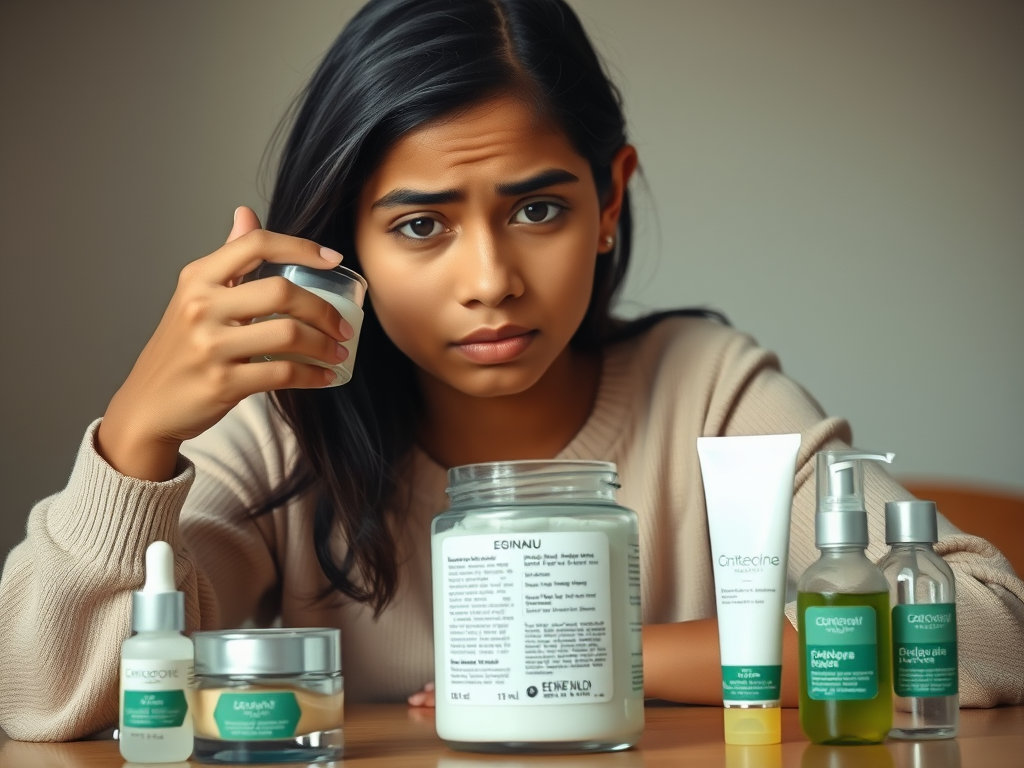
    If you’ve ever flipped over a skincare product and felt like you were reading another language, you’re not alone. Skincare labels can be overwhelming, filled with scientific names, unpronounceable ingredients, and vague marketing claims like “clean” or “natural.”

    But once you learn how to decode those ingredient lists, you’ll be empowered to make smarter, healthier choices for your skin and overall wellbeing.


    Why Ingredient Labels Matter

    Reading skincare labels is essential because it helps you:

    • Protect your health: Some ingredients may disrupt hormones, cause allergic reactions, or increase your risk of long-term health issues.
    • Avoid allergens and sensitivities: Especially important for those with eczema, acne, or fragrance sensitivity.
    • Understand what you’re paying for: Marketing claims are often misleading. The real story is in the ingredient list.
    • Support ethical and sustainable products: Knowing what’s inside helps you avoid environmentally harmful or unethical ingredients.

    How to Read a Skincare Label

    1. Ingredients are listed in descending order: The first five ingredients make up the bulk of the product.
    2. Actives are often in the middle: Ingredients like niacinamide or salicylic acid may appear after water, oils, and humectants.
    3. Concentration matters: Anything listed after “fragrance” or “phenoxyethanol” is usually present in amounts less than 1%.

    🚨 Ingredients to Avoid (and Why)

    Preservatives

    • Parabens (methylparaben, propylparaben, butylparaben, ethylparaben): Linked to hormone disruption and potential reproductive harm.
    • Formaldehyde-releasing preservatives (quaternium-15, DMDM hydantoin, imidazolidinyl urea, diazolidinyl urea): Known carcinogens.
    • Methylisothiazolinone & Methylchloroisothiazolinone: Strong allergens; can cause hives and skin burning.
    • BHA & BHT: Potential endocrine disruptors and linked to organ toxicity.

    Cleansers / Surfactants

    • Sodium Lauryl Sulfate (SLS) and Sodium Laureth Sulfate (SLES): Can strip natural oils, cause irritation and dryness.
    • Sodium C14-16 Olefin Sulfonate: Harsh and can disrupt skin barrier.
    • Cocamidopropyl Betaine: Derived from coconut but known to cause allergic contact dermatitis.

    Foaming Agents

    • Cocamide DEA & MEA: Can be irritating; some forms are linked to carcinogenic concerns.

    Emulsifiers & Thickeners

    • PEGs (Polyethylene Glycols): Can be contaminated with 1,4-dioxane, a potential carcinogen.
    • DEA-related compounds (cocamide DEA, lauramide DEA): May form nitrosamines, associated with cancer.

    Fragrances & Dyes

    • Parfum/Fragrance (undisclosed blends): May contain allergens, hormone disruptors, and irritants.
    • Essential Oils (in sensitive formulas): Natural but still common allergens, especially for kids or reactive skin.
    • FD&C and D&C dyes (e.g., Red 33, Yellow 5): Synthetic dyes potentially irritating and linked to sensitivity.

    UV Filters (in Chemical Sunscreens)

    • Oxybenzone: High absorption, endocrine disruptor, linked to cellular damage.
    • Avobenzone: Can degrade in sunlight, releasing free radicals.

    Moisturizing Agents to Avoid

    • Mineral Oil & Petroleum Jelly: Derived from petroleum; can clog pores and hinder skin respiration.
    • Isoparaffin / Isohexadecane: Synthetic hydrocarbons used for slip, but not nourishing.
    • Silicones (dimethicone, cyclopentasiloxane, amodimethicone): Create a silky feel but can cause buildup and don’t truly hydrate.

    Other Additives

    • Phthalates: Often hidden in fragrances; endocrine disruptors.
    • Triclosan: Linked to antibiotic resistance and hormone disruption.
    • Hydroquinone: Can cause organ toxicity and skin damage with long-term use.
    • Resorcinol: Associated with endocrine disruption.

    📊 Ingredients to Look For (and Why)

    Gentle Surfactants / Cleansers

    • Sodium Cocoyl Isethionate: Mild, sulfate-free, and gentle.
    • Decyl Glucoside & Lauryl Glucoside: Non-irritating, safe for sensitive skin.

    Moisturizers & Hydrators

    • Glycerin: A humectant that draws water into the skin.
    • Aloe Vera: Soothes, hydrates, and calms irritation.
    • Squalane (plant-derived): Lightweight, non-comedogenic oil.
    • Jojoba Oil: Mimics skin’s natural oils.
    • Panthenol (Provitamin B5): Improves hydration and soothes skin.

    Emulsifiers & Stabilizers

    • Glyceryl Stearate: Plant-derived; gives a smooth texture.
    • Cetearyl Alcohol: A fatty alcohol that conditions and softens.
    • Lecithin: Natural emulsifier and skin softener.

    Preservatives (Safer Options)

    • Sodium Benzoate: Gentle preservative.
    • Potassium Sorbate: Mild and widely used.
    • Gluconolactone + Sodium Benzoate: Gentle yet broad-spectrum.
    • Caprylyl Glycol + Glycerin + Caprylhydroxamic Acid: Effective and non-sensitizing.

    Final Thoughts: Simple Is Safe

    When in doubt, keep your skincare routine simple. Avoid products with long, complex ingredient lists filled with unknowns. Choose formulas with transparent labeling, minimal ingredients, and no hidden fragrances or harsh preservatives.

    Reading ingredient labels isn’t just for experts—it’s a skill every conscious consumer can learn. And once you do, you’ll feel empowered to choose products that actually care for your skin, not just coat it.

    Your skin deserves clarity, and so do you.