Tag: mandelic-acid

  • The Ultimate Skincare Acids Cheat Sheet: Which One is Right for You? βœ¨

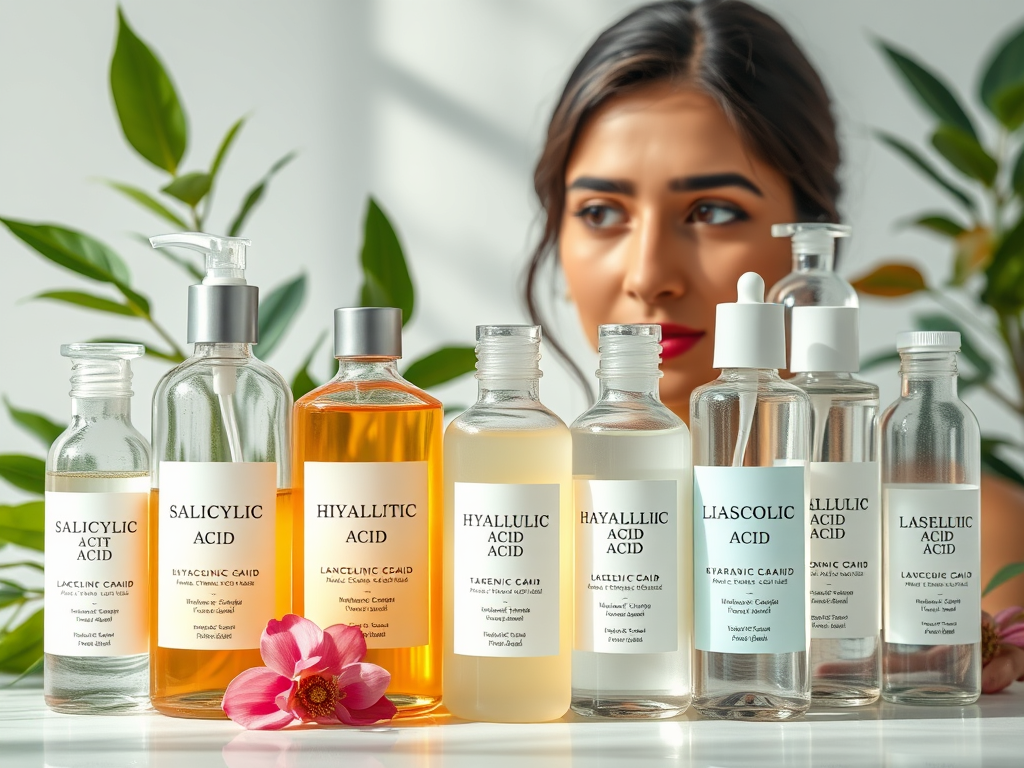
    When it comes to skincare acids, choosing the right one can be overwhelming. With so many optionsβ€”salicylic acid, glycolic acid, lactic acid, and moreβ€”it’s important to understand what each one does and how it benefits your skin. Whether you’re battling acne, dullness, wrinkles, or dryness, this cheat sheet will help you navigate the world of skincare acids like a pro!


    πŸ§ͺ Salicylic Acid: The Acne Fighter
    Best for oily, acne-prone skin
    Exfoliates deep into pores, removing excess oil & debris
    Reduces blackheads, whiteheads, and breakouts
    Improves skin texture
    πŸ’‘ Tip: Use it in spot treatments or cleansers for gentle daily exfoliation.


    πŸ’§ Hyaluronic Acid: The Hydration Hero
    A powerful humectant that attracts moisture
    Helps plump fine lines and wrinkles
    Suitable for all skin types, especially dry skin
    Provides long-lasting hydration
    πŸ’‘ Tip: Always apply on damp skin and follow with a moisturizer to lock in hydration.


    🌟 Glycolic Acid: The Glow Booster
    An AHA that resurfaces and smooths skin
    Brightens dull, tired skin
    Helps with fine lines and hyperpigmentation
    Improves skin texture
    πŸ’‘ Tip: Start with a lower percentage (5–10%) if you’re new to exfoliation.


    πŸ₯› Lactic Acid: The Gentle Exfoliator
    A mild AHA that exfoliates without irritation
    Provides hydration while improving skin tone
    Ideal for sensitive & dry skin
    Helps fade dark spots and fine lines
    πŸ’‘ Tip: Great for those new to chemical exfoliationβ€”it’s gentler than glycolic acid!


    🌿 Mandelic Acid: The Sensitive Skin Savior
    A gentle AHA with antibacterial properties
    Helps with acne, hyperpigmentation, and wrinkles
    Best for sensitive skin and deeper skin tones
    Improves skin texture and tone
    πŸ’‘ Tip: If glycolic acid is too strong for you, mandelic acid is a great alternative.


    πŸ”₯ Azelaic Acid: The Redness Reducer
    Fights acne and inflammation
    Reduces redness and rosacea
    Helps fade hyperpigmentation and acne scars
    Smooths skin texture
    πŸ’‘ Tip: Works well in combination with niacinamide for extra calming effects.


    πŸ›‘οΈ Ferulic Acid: The Antioxidant Protector
    A powerful antioxidant that fights free radicals
    Protects skin from UV damage and pollution
    Enhances the effectiveness of Vitamin C and E
    Brightens and evens out skin tone
    πŸ’‘ Tip: Look for serums that combine ferulic acid with vitamin C for a stronger antioxidant boost.


    🍊 Kojic Acid: The Hyperpigmentation Eraser
    Reduces dark spots and discoloration
    Brightens and evens skin tone
    Often used for melasma and sun spots
    Works well with Vitamin C and AHAs
    πŸ’‘ Tip: Use SPF religiously, as kojic acid can make skin more sensitive to the sun.


    🌞 L-Ascorbic Acid: The Vitamin C Superstar
    A potent antioxidant that brightens skin
    Helps fade hyperpigmentation and acne scars
    Boosts collagen production, reducing wrinkles
    Protects skin from environmental damage
    πŸ’‘ Tip: Use in the morning under SPF for maximum protection and glow!


    Which Acid Should You Choose? πŸ€”
    βœ” Acne & clogged pores? β†’ Salicylic acid, Azelaic acid
    βœ” Dry or sensitive skin? β†’ Lactic acid, Mandelic acid, Hyaluronic acid
    βœ” Hyperpigmentation & dark spots? β†’ Kojic acid, Glycolic acid, L-Ascorbic acid
    βœ” Anti-aging & fine lines? β†’ Ferulic acid, Glycolic acid, Lactic acid
    βœ” Dull skin? β†’ Glycolic acid, L-Ascorbic acid, Ferulic acid


    Using the right acid for your skin type can transform your routine, giving you clearer, brighter, and healthier skin!

    🌟 Just remember to introduce acids slowly and always wear sunscreen to protect your skin.
    πŸ’¬ Which skincare acid is your favorite? Let’s chat in the comments! πŸ‘‡πŸ’–

  • Chemical Exfoliants: AHA vs BHA vs PHA Explained

    If you’ve ever dived into the world of skincare, you’ve probably come across the terms AHA, BHA and PHA. These chemical exfoliants have revolutionized skincare routines, offering a way to achieve smooth, glowing skin without the harshness of physical scrubs. But what exactly are they, and which one is best for your skin? Let’s break it down!


    πŸ” Understanding AHA (Alpha Hydroxy Acids)
    AHAs are water-soluble acids derived from natural sources like sugarcane, apples, and almonds. They work by loosening the glue that holds dead skin cells together, allowing them to shed and reveal brighter, smoother skin underneath.
    βœ”οΈ Common AHAs: Glycolic acid, Lactic acid, Mandelic acid, Malic acid
    βœ”οΈ Best for: Dry, dull, aging, or sun-damaged skin
    βœ”οΈ Benefits:
    Improves skin texture and radiance
    Reduces hyperpigmentation and dark spots
    Helps with fine lines and wrinkles
    Hydrates and brightens skin
    πŸ’‘ Pro tip: If you have sensitive skin, go for lactic or mandelic acid as they are gentler than glycolic acid. Always follow with sunscreen, as AHAs can increase sun sensitivity!


    πŸ” Understanding BHA (Beta Hydroxy Acids)
    BHAs are oil-soluble, meaning they penetrate deep into pores to dissolve excess oil and dirt. This makes them perfect for acne-prone and oily skin types.
    βœ”οΈ Common BHAs: Salicylic acid, Citric acid
    βœ”οΈ Best for: Oily, acne-prone skin, blackheads, whiteheads
    βœ”οΈ Benefits:
    Clears clogged pores and blackheads
    Reduces inflammation and redness
    Controls excess oil and breakouts
    Soothes irritated skin
    πŸ’‘ Pro tip: Salicylic acid is your best friend if you struggle with breakouts or enlarged pores! Start with a lower concentration (0.5–2%) to avoid over-drying your skin.


    πŸ” Understanding PHA (Poly Hydroxy Acids)
    PHAs are the gentlest exfoliants among the three. They have larger molecules, meaning they work on the surface of the skin without deeply penetrating, making them ideal for sensitive skin.
    βœ”οΈ Common PHAs: Lactobionic acid, Gluconolactone, Galactose acid
    βœ”οΈ Best for: Sensitive skin, rosacea, eczema, or skin with a damaged barrier
    βœ”οΈ Benefits:
    Gently exfoliates without irritation
    Moisturizes and improves skin barrier function
    Reduces redness and smooths rough skin
    Minimizes fine lines and dullness
    πŸ’‘ Pro tip: If AHAs and BHAs feel too harsh for your skin, PHAs are the perfect alternative! They also work as humectants, meaning they help skin retain moisture.
    Which One Should You Choose? πŸ€”
    βœ”οΈ Dry & dull skin β†’ AHA (for hydration & glow)
    βœ”οΈ Oily & acne-prone skin β†’ BHA (for deep pore cleansing)
    βœ”οΈ Sensitive or damaged skin β†’ PHA (for gentle exfoliation)


    No matter which exfoliant you choose, always remember to introduce them gradually into your routine and follow up with a good moisturizer and sunscreen! 🌞

    Here’s a comparison table for AHA, BHA, and PHA – the three most common types of exfoliating acids used in skincare:

    FeatureAHA (Alpha Hydroxy Acid)BHA (Beta Hydroxy Acid)PHA (Polyhydroxy Acid)
    SolubilityWater-solubleOil-solubleWater-soluble
    Penetration DepthWorks on skin surfacePenetrates deeper into poresWorks on surface (gentler than AHA)
    Best ForDry, dull, sun-damaged skinOily, acne-prone, blackhead-prone skinSensitive, dry, or mature skin
    Key BenefitsExfoliates, brightens, evens tone, hydratesUnclogs pores, reduces acne, controls oil, anti-inflammatoryGently exfoliates, hydrates, has antioxidant properties
    Common IngredientsGlycolic Acid, Lactic Acid, Mandelic AcidSalicylic AcidGluconolactone, Lactobionic Acid
    Irritation LevelModerate (can cause tingling or dryness)Can be drying/irritating for sensitive skinVery low; ideal for sensitive or rosacea-prone skin
    Sun Sensitivity RiskIncreases sun sensitivitySlightly increases sun sensitivityMinimal sun sensitivity
    Frequency of Use1–3 times per week (depending on skin tolerance)2–3 times per week (or as tolerated)Can be used more frequently (gentle)
    Hydration PropertiesSome (Lactic Acid has humectant properties)No direct hydration; often combined with soothing agentsHydrating; attracts moisture to skin
    Anti-Aging BenefitsStimulates collagen, reduces fine linesReduces acne-induced pigmentation and inflammationImproves texture, reduces signs of aging gently
    Best For Skin TypesNormal to dry, uneven, aging skinOily, combination, acne-prone skinSensitive, dry, aging, or rosacea-prone skin


    πŸ’¬ What’s your favorite exfoliant? Share your skincare journey below! πŸ‘‡πŸ’–