Tag: naturalhaircare

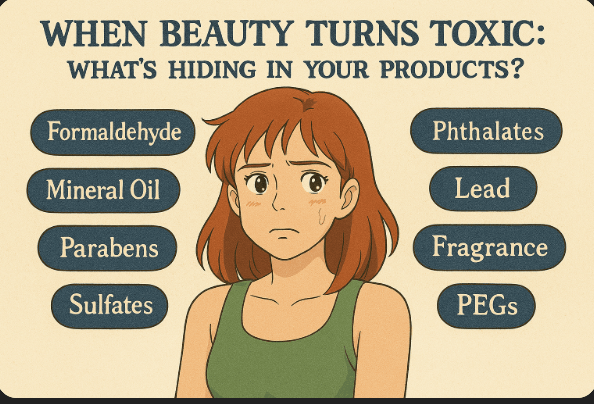
  • When Beauty Turns Toxic: What’s Hiding in Your Products? 🧴🚫

    Recently, several beauty and personal care products have been recalled due to the presence of hazardous ingredients. Some acne treatments and hair styling products were found some substances linked to hormone disruption and reproductive harm and more. These recalls were initiated following safety concerns uncovered. Consumers are advised to discontinue use and check for lot numbers or expiration dates to ensure product safety.

    When it comes to beauty, we all want products that not only make us look good but also keep us safe. But a recent analysis has dropped a truth bomb on the industry, revealing that 60% of over 4,000 beauty products marketed toward consumers contain at least one moderately hazardous ingredient—and most contain multiple. 😱 This isn’t just an isolated issue—it’s part of a much bigger, systemic problem that’s putting our health at risk every single day.
    What’s Really Inside Your Products?

    Many of the ingredients in everyday beauty staples—like hair straighteners, skin-lightening creams, and conditioners—carry moderate to high health risks. Formaldehyde, for example, is a known hormone disruptor used to preserve bodies (yes, embalming fluid!), but it’s also found in some hair products.
    Another danger? Quats, often found in conditioners, are linked to reproductive harm and more. Then there’s isothiazolinones, preservatives that can damage your respiratory system.
    The most alarming of all? Products that list “fragrance” on the label—a vague, catch-all term for thousands of chemicals, many with severe health risks, including hormone disruption, fertility issues and more. One specific fragrance compound, lilial, is banned in the EU for its fertility-harming properties.


    Why This Matters 🧬
    Repeated exposure to these toxins may contribute to higher rates of hormone imbalance, reproductive issues, Eczema, Psoriasis and more especially among marginalized groups who are disproportionately marketed these products. The real danger is in daily use—the cumulative effect of layering multiple products laced with hazardous chemicals builds up over time, increasing health risks.
    Any Progress at All?
    There’s a sliver of good news: eight of the nine most dangerous ingredients flagged in a 2016 study have declined in use, including a 6% drop in parabens—a common preservative linked to reproductive harm. But progress is painfully slow, and the beauty industry continues to fall short in protecting consumers.
    Some countries are stepping up with laws banning toxic ingredients, forcing brands to rethink their formulations. Since companies can’t easily produce different formulas for different regions, this creates pressure for national reform—and that could be a game changer.
    Benefits of Going Clean 🧴✨

    Reduce health risks like hormone disruption, respiratory issues, and reproductive harm.
    Your skin and hair thrive with gentler, natural ingredients.
    Feel good knowing you’re supporting ethical and sustainable brands.
    But Let’s Be Real… Drawbacks Exist Too 😓
    Non-toxic products can be more expensive.
    Natural alternatives sometimes don’t perform the same.

    Learn to Decode labels of Products
    Decoding labels is hard—“fragrance” hides a chemical cocktail, and not all brands disclose everything.
    How to Stay Safe 💡
    To keep yourself safe from harmful beauty products, follow these essential steps:

    Stay Informed
    Follow regulatory updates and support safer beauty standards by voicing concerns to brands and lawmakers. Your choices help shift the industry toward safer formulations.

    Read Ingredient Labels Carefully
    Avoid products with vague terms like “fragrance” or known harmful ingredients such as parabens, formaldehyde-releasing agents, phthalates, quats, and benzene.

    Use Trusted Safety Databases
    Before buying, check products on platforms like the bdazlai Ingredient Database and other for safety ratings and ingredient breakdowns.

    Choose Fragrance-Free or Transparent Brands
    Opt for fragrance-free or brands that fully disclose ingredient sources, especially for sensitive skin or daily-use items.

    Start Transitioning to Clean Beauty
    Gradually switch to non-toxic, clean beauty products that use gentle, plant-based ingredients and avoid harmful chemicals.

    Bonus Tip 💡
    Patch test new products to check for allergic reactions, especially if you have sensitive skin or pre-existing conditions.
    Your health is worth protecting—glow safely, not hazardously. ✨💬 Let’s Talk! Have you made the switch to clean beauty? What’s been your experience with product safety? Drop your thoughts, faves, or horror stories in the comments—we’re in this together.
    📲 Follow for More: Stay updated on beauty, wellness, and personal care tips by following us on [Instagram]. Let’s glow safely and authentically, together. 💖

  • Scalp Health – The Foundation of Beautiful Hair 💆‍♀️✨

    When it comes to hair care, most of us focus on shampoos, conditioners, and styling products, but healthy hair starts with a healthy scalp! A well-balanced scalp ensures stronger, shinier, and more manageable hair. But how do you know if your scalp is healthy? And what should you look for in shampoos and conditioners to maintain it? Let’s dive in!


    Signs of a Healthy Scalp 🌿
    A healthy scalp should feel comfortable, hydrated, and balanced—not too dry, not too oily. Here’s what to look for:
    No excessive flaking or itchiness – A well-hydrated scalp shouldn’t be irritated or peeling.
    Minimal oiliness – Some natural oil is necessary, but excessive grease buildup can indicate an imbalance.
    No redness or tenderness – Scalp inflammation can lead to hair loss or discomfort.
    Strong, healthy hair growth – If your hair is thinning, breaking, or shedding more than usual, your scalp may need extra care.


    Common Scalp Issues & Their Causes 🚨
    Dry, flaky scalp ❄️ – Can be caused by harsh shampoos, over-washing, or lack of hydration.
    Oily scalp 💦 – Overactive sebaceous glands, buildup from heavy products, or not washing often enough.
    Itchy, irritated scalp 🔥 – Can result from product buildup, allergens, or scalp conditions like dandruff or eczema.
    Thinning hair 🧑‍🦲 – Poor circulation, stress, hormonal imbalances, or clogged follicles can contribute to hair loss.
    What to Look for in Shampoos & Conditioners 🧴
    Your hair products should support scalp health while nourishing your hair. Here’s how to choose wisely:
    Shampoo Ingredients to Look For ✅


    🌿 For Dry, Flaky Scalp:
    Aloe vera – Soothes irritation and hydrates.
    Glycerin – Helps lock in moisture.
    Tea tree oil – Has antifungal properties to combat dandruff.


    💦 For Oily Scalp:
    Salicylic acid – Gently exfoliates to remove excess oil and buildup.
    Witch hazel
    – Balances oil production.
    Peppermint oil – Refreshes the scalp and helps control grease.


    🔥 For Itchy, Sensitive Scalp:
    Colloidal oatmeal – Soothes irritation.
    Chamomile extract – Calms inflammation.
    Zinc pyrithione – Fights dandruff and scalp conditions.


    Conditioner Ingredients to Look For
    Hyaluronic acid – Hydrates without making the scalp greasy.
    Argan oil & coconut oil – Nourish and strengthen hair without clogging pores.
    Panthenol (Vitamin B5) – Helps maintain a healthy moisture balance.


    Ingredients to Avoid in Hair Products
    🚫 Sulfates (SLS, SLES) – Can strip natural oils, making the scalp dry and irritated.
    🚫 Silicones – Can cause buildup, weighing hair down and clogging follicles.
    🚫 Alcohol-based ingredients – May dry out the scalp and cause sensitivity.
    🚫 Artificial fragrances & dyes – Can trigger allergic reactions or irritation.


    Final Thoughts 💡
    Your scalp is just as important as your hair—taking care of it ensures better hair growth, less irritation, and stronger strands! When choosing shampoos and conditioners, always look for scalp-friendly, nourishing ingredients and avoid harsh chemicals that can disrupt your scalp’s natural balance.

    Do you have a favorite scalp-friendly shampoo or conditioner? Share your recommendations in the comments! And don’t forget to follow us for more haircare tips. ✨💖

  • Pollution Protection – How to Keep Your Skin & Hair Healthy in a Polluted World 🌆

    Urban life comes with its fair share of challenges, and pollution is one of the biggest culprits behind skin and hair damage. From dust and smoke to harmful UV rays and toxic chemicals, pollutants can clog pores, cause premature aging, and make hair dull and brittle. But don’t worry—there are ways to fight back and maintain that natural glow! Here’s how to protect your skin and hair from pollution and what to look for in your beauty products.


    Skin Care: Shield & Repair 🧴💆‍♀️
    Deep Cleansing is Key: Pollution particles are tiny and can settle deep into your skin, leading to breakouts and dullness. A gentle sulfate-free cleanser with charcoal, salicylic acid, or micellar water can help remove impurities without stripping your skin’s natural oils.
    Antioxidants to the Rescue: Free radicals from pollution accelerate aging, causing fine lines and pigmentation. Look for products containing Vitamin C, Vitamin E, green tea extract, or niacinamide to neutralize damage and keep your skin youthful.
    Hydration & Barrier Protection: Pollution weakens your skin’s natural barrier. A hyaluronic acid-based moisturizer locks in hydration, while ceramides and squalane strengthen your skin’s defense. Sunscreen Every Day! UV rays mixed with pollution worsen skin damage. Use a broad-spectrum SPF 30 or higher sunscreen with added blue light protection to shield your skin from oxidative stress.
    Weekly Exfoliation: A mild AHA/BHA exfoliant or a natural scrub with papaya or oatmeal can remove dead skin cells and unclog pores, keeping your complexion bright and healthy.


    Hair Care: Pollution-Proof Your Locks 💇‍♀️✨
    Cleanse Without Overwashing: Shampooing every day can strip natural oils, but skipping washes allows pollutants to build up. Opt for a gentle, sulfate-free shampoo with aloe vera or tea tree oil to remove toxins while keeping your scalp balanced.
    Condition & Nourish: Pollution weakens hair strands, making them prone to breakage. A deep-conditioning mask with keratin, argan oil, or shea butter strengthens hair and restores shine.
    Serums & Leave-Ins for Protection: Before stepping out, apply a lightweight serum with silicone or UV filters to form a protective barrier against dirt and environmental aggressors.


    DIY Hair Detox: A simple apple cider vinegar rinse (diluted with water) removes product buildup and pollution residues, keeping your scalp fresh and clean.


    Dealing with Tan & Uneven Skin Tone ☀️🍊
    Lemon & Honey Mask: A natural remedy that gently brightens skin and fades tan while keeping it hydrated.
    Aloe Vera Gel: Soothes sunburn, reduces redness, and helps restore your skin’s natural tone.
    Turmeric & Yogurt Pack: A powerful combo to even out skin tone and remove dullness.
    Kojic Acid & Licorice Extract: Found in many skincare products, these ingredients work wonders in reducing hyperpigmentation and sun damage.
    Vitamin C Serums: They boost skin radiance, fade dark spots, and provide protection from further damage.


    💡 Pro Tip: Drink plenty of water, eat antioxidant-rich foods, and always remove makeup before bed to keep your skin and hair fresh and pollution-free!

    What’s your go-to pollution protection routine? Share your thoughts in the comments! 💬✨ Don’t forget to follow for more skincare and haircare tips. 💕

  • Hair Growth – What to Use, Best Ingredients & Precautions 🌿

    Dreaming of longer, thicker, healthier hair? Hair growth depends on many factors, including scalp health, nutrition, and the right products. But with so many hair growth remedies out there, how do you know what actually works? Let’s break down the best ingredients, their benefits and drawbacks, and precautions to take for safe and effective hair growth!
    Best Ingredients for Hair Growth & Their Benefits 🌱💖

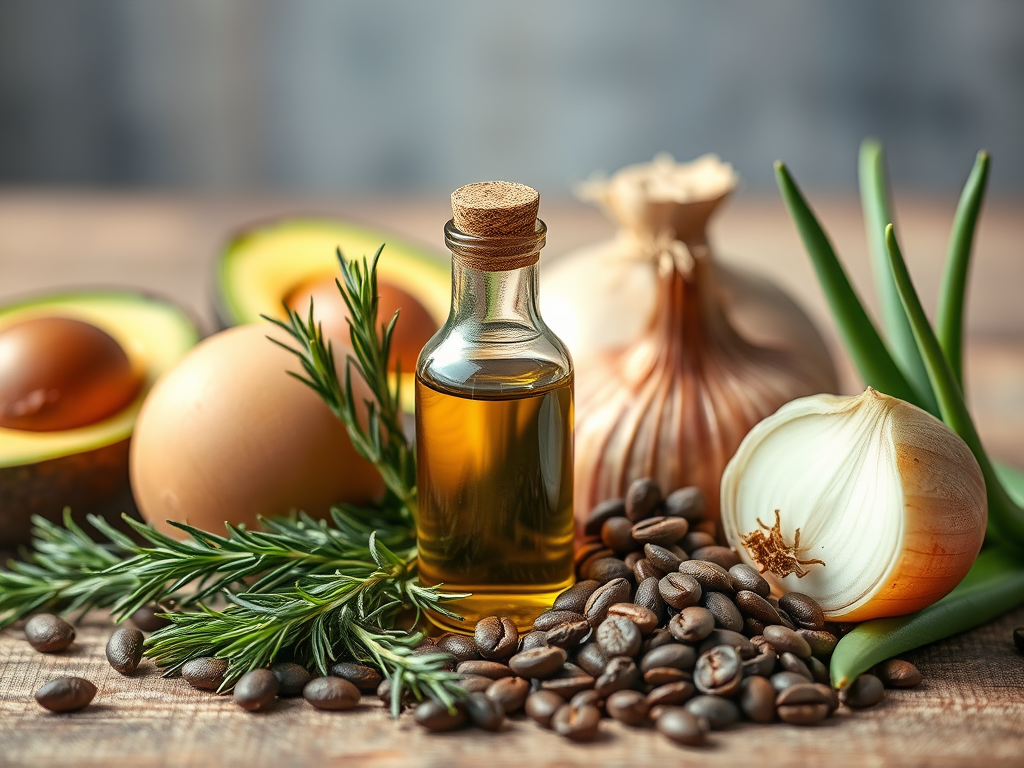
    1. Biotin (Vitamin B7) 🥚🥑
      ✅ Benefits: Strengthens hair, improves elasticity, and reduces breakage.
      ❌ Drawbacks: Excessive biotin supplements may cause acne or interfere with lab tests.
      💡 Use: Found in shampoos, supplements, and hair masks. Also naturally present in foods like eggs and avocados.
    2. Castor Oil 🌰
      ✅ Benefits: Rich in omega-6 fatty acids, boosts circulation, and deeply hydrates hair.
      ❌ Drawbacks: Can be thick and sticky, leading to buildup if not washed out properly.
      💡 Use: Massage into the scalp, leave for a few hours or overnight, and rinse with a mild shampoo.
    3. Rosemary Oil 🌿
      ✅ Benefits: Stimulates blood flow to hair follicles, encourages regrowth, and strengthens hair.
      ❌ Drawbacks: Can cause scalp irritation if used undiluted. Always mix with a carrier oil.
      💡 Use: Mix with coconut or jojoba oil, massage into the scalp, and leave for 30 minutes before washing.
    4. Caffeine
      ✅ Benefits: Blocks DHT (a hormone linked to hair loss) and stimulates hair follicles for faster growth.
      ❌ Drawbacks: Overuse can dry out the scalp, leading to irritation.
      💡 Use: Found in caffeine-infused shampoos and hair serums.
    5. Aloe Vera 🌵
      ✅ Benefits: Soothes the scalp, reduces dandruff, and promotes a healthy environment for hair growth.
      ❌ Drawbacks: Can be drying if used too often.
      💡 Use: Apply fresh aloe vera gel to the scalp for 30 minutes, then rinse.
    6. Onion Juice 🧅
      ✅ Benefits: Contains sulfur, which boosts collagen production and strengthens hair.
      ❌ Drawbacks: Strong smell, may cause irritation for sensitive scalps.
      💡 Use: Blend onion juice, apply to the scalp for 20 minutes, then wash off with mild shampoo.
    7. Keratin 💪
      ✅ Benefits: Strengthens weak, brittle hair, reduces frizz, and promotes smoother hair.
      ❌ Drawbacks: Some keratin treatments contain formaldehyde, which can be harmful. Opt for natural keratin products.
      💡 Use: Found in keratin-infused shampoos, conditioners, and hair masks.
      Precautions to Take for Healthy Hair Growth 🚨
      🔹 Avoid Overwashing – Frequent shampooing strips natural oils, leading to dryness and breakage. Wash hair 2–3 times a week with a mild shampoo.
      🔹 Protect from Heat & Chemicals – Heat styling and harsh dyes weaken hair. Use heat protectants before styling and limit chemical treatments.
      🔹 Scalp Care is Key – A healthy scalp means healthy hair! Exfoliate your scalp weekly to remove buildup and stimulate circulation.
      🔹 Balanced Diet Matters – Hair health starts from within! Eat protein-rich foods, iron, and vitamins to support strong hair growth.
      🔹 Choose the Right Products – Not all products suit every hair type. Avoid sulfates, parabens, and alcohols, which can dry out and damage hair.
      🔹 Be Patient – Hair grows about half an inch per month. Consistency is key—stick to your routine and give it time!
      Final Thoughts 💡
      For stronger, faster-growing hair, focus on nourishing ingredients, a healthy scalp, and gentle care. Ditch the harmful chemicals and embrace natural growth boosters! 🌱✨

    What’s your favorite hair growth ingredient? Share your experience in the comments! And don’t forget to follow us for more haircare tips. 💆‍♀️💖