
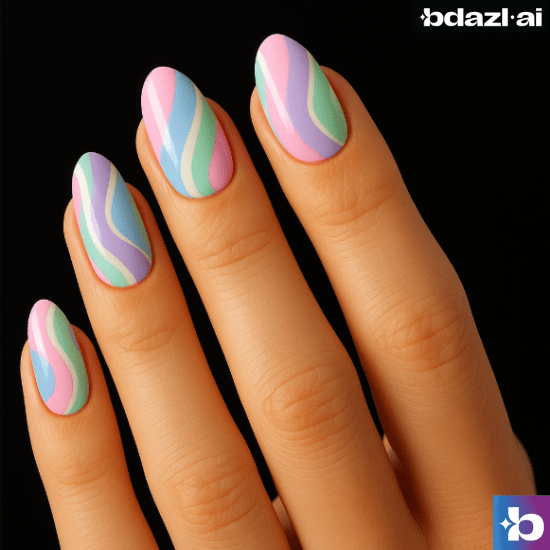
Tag: parabenfree

  • 💅 The Truth About Nail Polish: What’s Lurking in Your Mani?

    Meta Title: Nail Polish & Gel Polish: Hidden Toxins, Remover Risks & How to Repair Damaged Nails
    Meta Description: Discover the truth about regular and gel nail polish, toxic ingredients in removers, aftercare tips, and how to choose safer nail products for healthy, beautiful nails.


    1. Regular vs. Gel Nail Polish: What’s the Difference?

    • Regular Nail Polish is quick to apply and air-dries, but chips easily (within 3–7 days).
    • Gel Nail Polish lasts 2–3 weeks and must be cured under UV or LED light, offering durability at the cost of removal challenges.

    Both types often contain toxic ingredients unless labeled as “3-free,” “5-free,” or more.


    2. The Hidden Toxins in Your Polish

    Beware of the Toxic Trio:

    • Toluene – Affects the nervous system.
    • Formaldehyde – A known carcinogen and nail hardener.
    • Dibutyl Phthalate (DBP) – Linked to hormone disruption and reproductive harm.

    Also commonly found:

    • Camphor, Ethyl Tosylamide, Parabens
    • Petroleum-derived polymers in gel polish
    • Fragrance allergens not always disclosed

    3. What’s Inside Nail Polish Removers?

    • Acetone-based removers strip natural oils, weaken nails, and irritate skin and lungs with frequent use.
    • Non-acetone removers often contain ethyl acetate, which is less aggressive but still drying.

    Gel polish removers are harsher and often require:

    • Soaking for 10–20 minutes
    • Filing the surface of the nail
    • Aluminum wraps + acetone → major dehydration risk

    4. How Nail Products Can Damage Your Nails

    Overuse of nail polish, gel, or removers can lead to:

    • Peeling, thinning, cracking
    • Discoloration
    • Inflamed cuticles and nail beds
    • White spots (keratin granulations)
    • Fungal infections or allergies to acrylates

    5. What to Look Out For in Safe Nail Products

    ✅ Look for these on the label:

    • 3-Free, 5-Free, 10-Free, or 13-Free” – Fewer harmful chemicals
    • Certified Cruelty-Free or Vegan
    • No fragrance or phthalates
    • Avoid acrylates (especially if allergic)
    • Acetone-free removers with natural oils

    Avoid greenwashing! Terms like “natural” or “non-toxic” are often unregulated. Use ingredient scanners like bdazlai to verify.
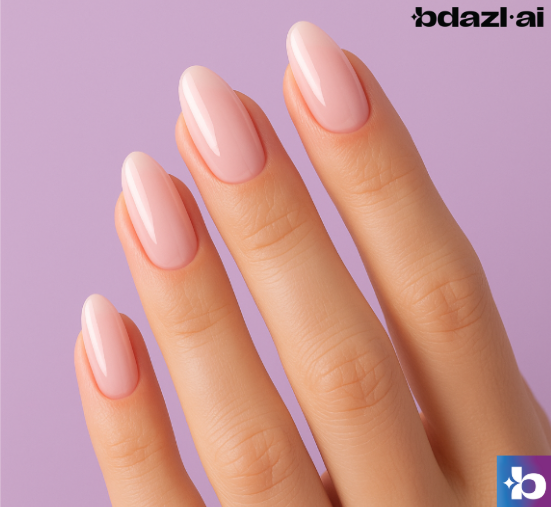

    6. Gel Polish: When It’s Too Much

    While gel nails look glossy and last long, they come with serious risks:

    • UV exposure from curing can accelerate aging and increase skin cancer risk.
    • Acrylates in gel polish are allergens and irritants.
    • Removal damage is common – scraping, buffing, peeling.

    💡 Tip: Use fingerless gloves during UV curing to protect your skin.


    7. Aftercare for Damaged Nails

    🌿 What to Do:

    • Take breaks between manicures.
    • Apply cuticle oils (jojoba, vitamin E) daily.
    • Use biotin supplements and a healthy diet.
    • Avoid filing too thin or buffing natural nails.
    • Apply nail strengtheners with proteins or calcium.
    • Wear gloves during housework and while using acetone.

    Recommended DIY soak:
    🛁 Warm olive oil + a few drops of tea tree oil = deep nourishment.


    8. Safer Alternatives to Try

    • Water-based polishes – Free of the toxic trio and odorless.
    • Breathable polishes – Let oxygen and moisture through the nail plate.
    • Japanese manicures – Natural buffing with beeswax-based pastes.
    • BIAB (Builder in a Bottle) – Strengthens nails with fewer removals.

    9. Quick Comparison Table

    FeatureRegular PolishGel Polish
    Durability3–7 days2–3 weeks
    UV/LED RequiredNoYes
    RemovalEasy with removerRequires soaking/buffing
    Risk of DamageMediumHigh (especially removal)
    Harmful IngredientsToluene, DBP, FormaldehydeAcrylates, methacrylates
    Healthier Alternatives5-Free polish, breathableBIAB, Japanese manicure

    10. Final Thoughts: Healthy Nails, Healthy Choices

    Whether you love classic reds or trendy chrome gels, your nails—and health—deserve transparency. Always read ingredient lists, avoid harsh removers, and take regular polish breaks.

    Trust science-backed tools like bdazlai to decode nail product ingredients and avoid harmful chemicals.
  • The World of Beauty Influencers: Are They Truly Worth Following?

    In the digital age, the personal beauty care sector has undergone a transformation, thanks in large part to AI skincare tools and beauty influencers. From AI face scan for skincare to customized skincare recommendations, the beauty landscape is shifting from one-size-fits-all marketing to hyper-personalized solutions. However, influencers still play a powerful role in shaping how consumers perceive and purchase beauty products. This blog explores their impact, the rise of AI-powered skincare recommendations, and whether influencer-driven choices are truly worth the hype.


    Beauty influencers are content creators who share makeup tutorials, ingredient safety checks, clean beauty recommendations, and non-toxic skincare product reviews across YouTube, Instagram, TikTok and more. Whether they’re doing skincare routine walk throughs or decoding product labels, they often become trusted sources for those searching for the best skincare for own skin. Their popularity stems from relatability, consistency and the illusion of personalization, which sometimes mimics what AI-powered beauty tools like bdazlai now offer more accurately.


    Estimated Number of Beauty Influencers on Social Media Platforms

    It’s tough to pin down exact numbers, but here are some estimates:

    • TikTok: Over 1.5 million beauty-focused followers in the U.S. alone
    • Instagram: Tens of thousands of micro and macro beauty influencers worldwide
    • YouTube: Some Beauty content creators boast tens of millions of followers

    From nano creators to celebrity-tier influencers, the beauty content ecosystem is massive and influential—especially in regions like India where AI-powered clean beauty platform searches are growing.


    • Paid Partnerships: Influencers receive direct compensation to feature skincare and makeup products. Brands often provide guidelines and expect results in visibility or sales. These are usually marked with hashtags like
    • Gifted/Unpaid Collaborations: Brands send free products in exchange for potential mentions or reviews. While influencers aren’t obligated to post, they often do—especially when building trust or trying to gain more brand collaborations.

    The transparency of paid promotions is now scrutinized closely, which is why platforms like bdazlai include ingredient safety checker features to provide unbiased information about products.


    Influencers humanize beauty brands. When someone says, “This moisturizer saved my dry skin,” it sounds like advice from a friend. Even if labeled as paid, the emotional connection often overrides skepticism. This is especially impactful among those searching for skincare product analysis AI tools who may not yet be familiar with how to check if skincare is safe.

    • Impulse buys
    • Unrealistic expectations
    • Neglecting skin type analysis tool insights in favor of influencer hype

    1. Wasted Money: You may spend ₹500–₹5000 on a product that irritates your skin or clogs pores.
    2. Wasted Time: Weeks of testing ineffective skincare when AI skincare quiz results could’ve saved you time.
    3. Wasted Resources: Half-used bottles lead to product and environmental waste.
    4. Emotional Toll: Failure may hurt your self-esteem or skin confidence.

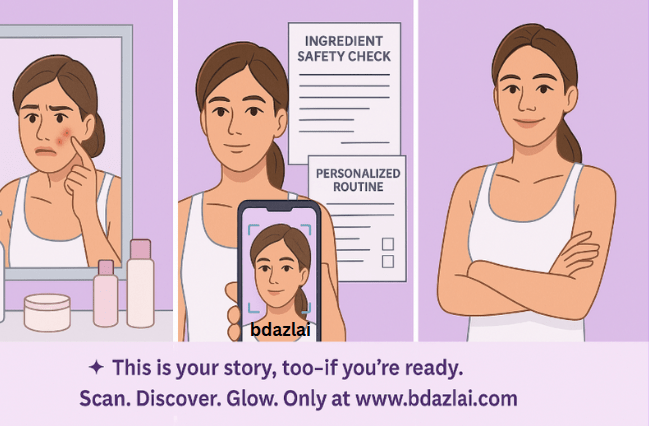
    Instead of trusting blindly, using tech-enabled beauty diagnosis tools like bdazlai’s ingredient analysis and smart skincare routine generator ensures informed decisions.


    No — and here’s why:

    • Biological Differences: Skin concerns (acne, wrinkles, hyperpigmentation and more) vary person to person
    • Climate & Lifestyle: An influencer living in a cold climate may have different skin needs than someone in tropical India
    • Technique & Routine: The product may not be the problem—it’s how it’s used

    That’s why AI-based beauty product recommendations work better. They factor in personal data and avoid the trial-and-error loop.


    Good When:

    • They’re transparent about paid partnerships
    • Promote non-toxic skincare brands or fragrance-free skincare products for sensitive skin
    • Educate about skincare ingredients like hyaluronic acid, niacinamide or retinol

    Platforms like bdazlai help bridge this gap by offering science-backed skincare recommendations.


    Beauty influencers aren’t inherently good or bad — they’re part of the evolving beauty ecosystem. When combined with AI-powered skincare recommendations and tools like bdazlai’s AI face scan for skin health, their advice becomes much more useful.

    If you’re wondering:

    • “Can AI make personalized skincare accessible to everyone?” → Yes, it already is.
    • “Does your skincare routine match your skin’s needs?” → Use bdazlai to find out.
    • “Is there a better way to shop for skincare?” → Definitely, with Bdazlai.

    Always ask: Is this ingredient safe for my skin? And let AI-backed tools answer that before the next #ad influences your wallet—and your skin.

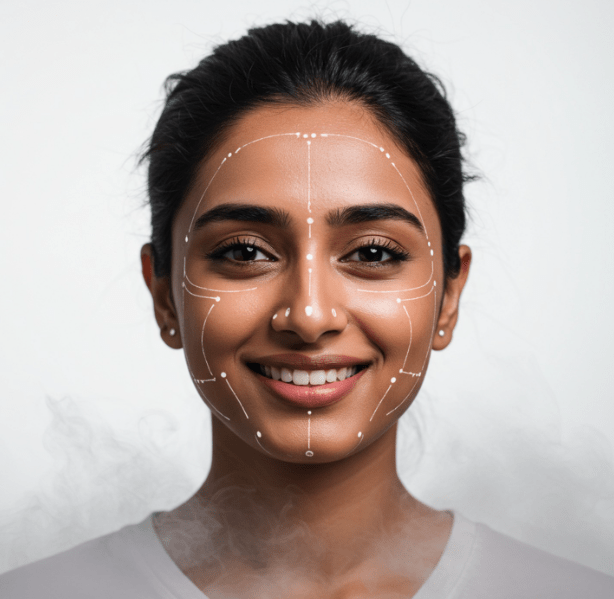
    Unlike one-size-fits-all influencer recommendations, bdazlai takes a completely personalized approach to beauty. Using advanced AI face scanner, bdazlai analyzes your unique skin tone, skin type, hair texture and specific concerns like dryness, acne, dark spots etc etc. It then cross-checks this information with a vast ingredient database to recommend products that are actually suited for you — not someone else on the internet. Whether a product is recommended by an influencer or trending online, bdazlai helps you filter through the hype and focus only on what matches your real, personal profile. No more guesswork, no more wasted money or time — just science-backed, tailored solutions made simple.

    Follow us at www.bdazlai.com for personalized skincare powered by AI.
    Stay connected on Instagram, Facebook, and Twitter @bdazlai for tips, updates, and smart beauty insights!