
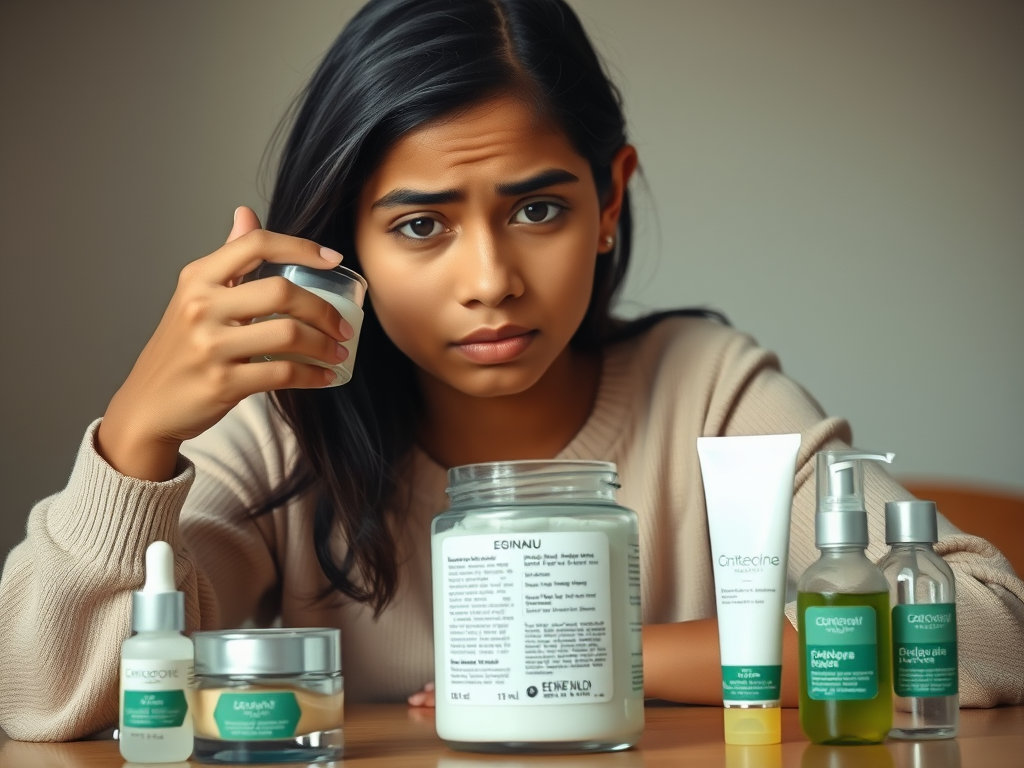
If you’ve ever flipped over a skincare product and felt like you were reading another language, you’re not alone. Skincare labels can be overwhelming, filled with scientific names, unpronounceable ingredients, and vague marketing claims like “clean” or “natural.”
But once you learn how to decode those ingredient lists, you’ll be empowered to make smarter, healthier choices for your skin and overall wellbeing.
Why Ingredient Labels Matter
Reading skincare labels is essential because it helps you:
- Protect your health: Some ingredients may disrupt hormones, cause allergic reactions, or increase your risk of long-term health issues.
- Avoid allergens and sensitivities: Especially important for those with eczema, acne, or fragrance sensitivity.
- Understand what you’re paying for: Marketing claims are often misleading. The real story is in the ingredient list.
- Support ethical and sustainable products: Knowing what’s inside helps you avoid environmentally harmful or unethical ingredients.
How to Read a Skincare Label
- Ingredients are listed in descending order: The first five ingredients make up the bulk of the product.
- Actives are often in the middle: Ingredients like niacinamide or salicylic acid may appear after water, oils, and humectants.
- Concentration matters: Anything listed after “fragrance” or “phenoxyethanol” is usually present in amounts less than 1%.
🚨 Ingredients to Avoid (and Why)
Preservatives
- Parabens (methylparaben, propylparaben, butylparaben, ethylparaben): Linked to hormone disruption and potential reproductive harm.
- Formaldehyde-releasing preservatives (quaternium-15, DMDM hydantoin, imidazolidinyl urea, diazolidinyl urea): Known carcinogens.
- Methylisothiazolinone & Methylchloroisothiazolinone: Strong allergens; can cause hives and skin burning.
- BHA & BHT: Potential endocrine disruptors and linked to organ toxicity.
Cleansers / Surfactants
- Sodium Lauryl Sulfate (SLS) and Sodium Laureth Sulfate (SLES): Can strip natural oils, cause irritation and dryness.
- Sodium C14-16 Olefin Sulfonate: Harsh and can disrupt skin barrier.
- Cocamidopropyl Betaine: Derived from coconut but known to cause allergic contact dermatitis.
Foaming Agents
- Cocamide DEA & MEA: Can be irritating; some forms are linked to carcinogenic concerns.
Emulsifiers & Thickeners
- PEGs (Polyethylene Glycols): Can be contaminated with 1,4-dioxane, a potential carcinogen.
- DEA-related compounds (cocamide DEA, lauramide DEA): May form nitrosamines, associated with cancer.
Fragrances & Dyes
- Parfum/Fragrance (undisclosed blends): May contain allergens, hormone disruptors, and irritants.
- Essential Oils (in sensitive formulas): Natural but still common allergens, especially for kids or reactive skin.
- FD&C and D&C dyes (e.g., Red 33, Yellow 5): Synthetic dyes potentially irritating and linked to sensitivity.
UV Filters (in Chemical Sunscreens)
- Oxybenzone: High absorption, endocrine disruptor, linked to cellular damage.
- Avobenzone: Can degrade in sunlight, releasing free radicals.
Moisturizing Agents to Avoid
- Mineral Oil & Petroleum Jelly: Derived from petroleum; can clog pores and hinder skin respiration.
- Isoparaffin / Isohexadecane: Synthetic hydrocarbons used for slip, but not nourishing.
- Silicones (dimethicone, cyclopentasiloxane, amodimethicone): Create a silky feel but can cause buildup and don’t truly hydrate.
Other Additives
- Phthalates: Often hidden in fragrances; endocrine disruptors.
- Triclosan: Linked to antibiotic resistance and hormone disruption.
- Hydroquinone: Can cause organ toxicity and skin damage with long-term use.
- Resorcinol: Associated with endocrine disruption.
📊 Ingredients to Look For (and Why)
Gentle Surfactants / Cleansers
- Sodium Cocoyl Isethionate: Mild, sulfate-free, and gentle.
- Decyl Glucoside & Lauryl Glucoside: Non-irritating, safe for sensitive skin.
Moisturizers & Hydrators
- Glycerin: A humectant that draws water into the skin.
- Aloe Vera: Soothes, hydrates, and calms irritation.
- Squalane (plant-derived): Lightweight, non-comedogenic oil.
- Jojoba Oil: Mimics skin’s natural oils.
- Panthenol (Provitamin B5): Improves hydration and soothes skin.
Emulsifiers & Stabilizers
- Glyceryl Stearate: Plant-derived; gives a smooth texture.
- Cetearyl Alcohol: A fatty alcohol that conditions and softens.
- Lecithin: Natural emulsifier and skin softener.
Preservatives (Safer Options)
- Sodium Benzoate: Gentle preservative.
- Potassium Sorbate: Mild and widely used.
- Gluconolactone + Sodium Benzoate: Gentle yet broad-spectrum.
- Caprylyl Glycol + Glycerin + Caprylhydroxamic Acid: Effective and non-sensitizing.
Final Thoughts: Simple Is Safe
When in doubt, keep your skincare routine simple. Avoid products with long, complex ingredient lists filled with unknowns. Choose formulas with transparent labeling, minimal ingredients, and no hidden fragrances or harsh preservatives.
Reading ingredient labels isn’t just for experts—it’s a skill every conscious consumer can learn. And once you do, you’ll feel empowered to choose products that actually care for your skin, not just coat it.
Your skin deserves clarity, and so do you.
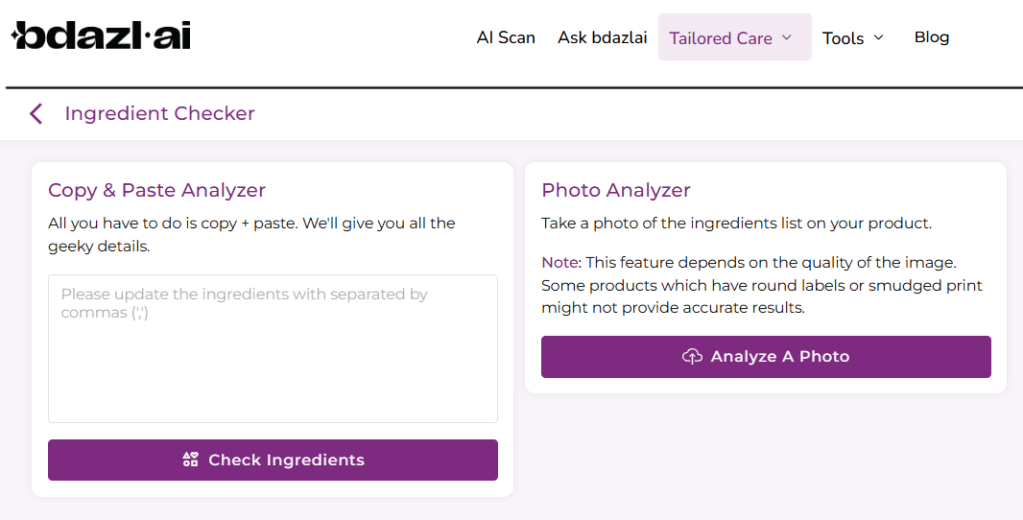
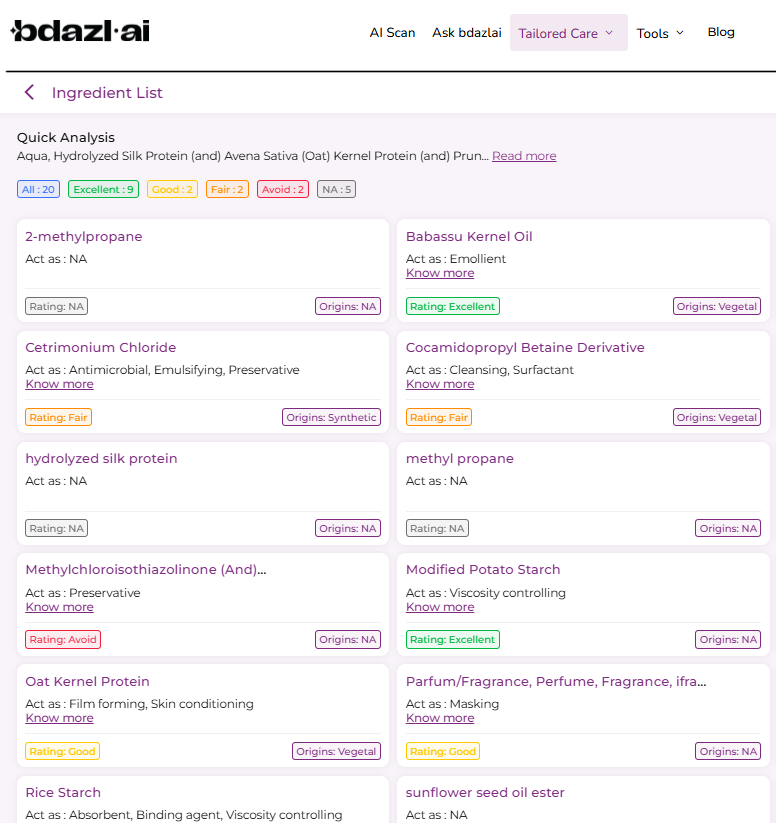
If reading every ingredient label feels overwhelming, you’re not alone. We know it’s tough to decode long, scientific names and figure out what’s safe for your skin. That’s exactly why we created the bdazlai Ingredient Checker. Simply scan or search your product in seconds and get a full breakdown of what’s inside—rated for safety, function, and origin. No guesswork, just clarity.
 bdazlai - blog