

Meta Title: Nail Polish & Gel Polish: Hidden Toxins, Remover Risks & How to Repair Damaged Nails
Meta Description: Discover the truth about regular and gel nail polish, toxic ingredients in removers, aftercare tips, and how to choose safer nail products for healthy, beautiful nails.
1. Regular vs. Gel Nail Polish: What’s the Difference?
- Regular Nail Polish is quick to apply and air-dries, but chips easily (within 3–7 days).
- Gel Nail Polish lasts 2–3 weeks and must be cured under UV or LED light, offering durability at the cost of removal challenges.
Both types often contain toxic ingredients unless labeled as “3-free,” “5-free,” or more.
2. The Hidden Toxins in Your Polish
Beware of the Toxic Trio:
- Toluene – Affects the nervous system.
- Formaldehyde – A known carcinogen and nail hardener.
- Dibutyl Phthalate (DBP) – Linked to hormone disruption and reproductive harm.
Also commonly found:
- Camphor, Ethyl Tosylamide, Parabens
- Petroleum-derived polymers in gel polish
- Fragrance allergens not always disclosed
3. What’s Inside Nail Polish Removers?
- Acetone-based removers strip natural oils, weaken nails, and irritate skin and lungs with frequent use.
- Non-acetone removers often contain ethyl acetate, which is less aggressive but still drying.
Gel polish removers are harsher and often require:
- Soaking for 10–20 minutes
- Filing the surface of the nail
- Aluminum wraps + acetone → major dehydration risk
4. How Nail Products Can Damage Your Nails
Overuse of nail polish, gel, or removers can lead to:
- Peeling, thinning, cracking
- Discoloration
- Inflamed cuticles and nail beds
- White spots (keratin granulations)
- Fungal infections or allergies to acrylates
5. What to Look Out For in Safe Nail Products
✅ Look for these on the label:
- “3-Free, 5-Free, 10-Free, or 13-Free” – Fewer harmful chemicals
- Certified Cruelty-Free or Vegan
- No fragrance or phthalates
- Avoid acrylates (especially if allergic)
- Acetone-free removers with natural oils
Avoid greenwashing! Terms like “natural” or “non-toxic” are often unregulated. Use ingredient scanners like bdazlai to verify.
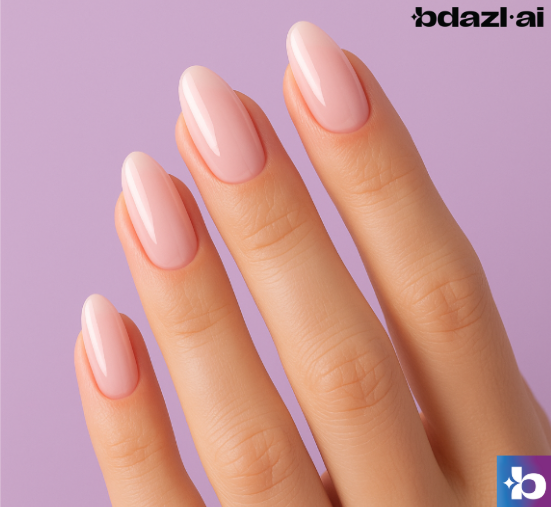
6. Gel Polish: When It’s Too Much
While gel nails look glossy and last long, they come with serious risks:
- UV exposure from curing can accelerate aging and increase skin cancer risk.
- Acrylates in gel polish are allergens and irritants.
- Removal damage is common – scraping, buffing, peeling.
💡 Tip: Use fingerless gloves during UV curing to protect your skin.
7. Aftercare for Damaged Nails
🌿 What to Do:
- Take breaks between manicures.
- Apply cuticle oils (jojoba, vitamin E) daily.
- Use biotin supplements and a healthy diet.
- Avoid filing too thin or buffing natural nails.
- Apply nail strengtheners with proteins or calcium.
- Wear gloves during housework and while using acetone.
Recommended DIY soak:
🛁 Warm olive oil + a few drops of tea tree oil = deep nourishment.
8. Safer Alternatives to Try
- Water-based polishes – Free of the toxic trio and odorless.
- Breathable polishes – Let oxygen and moisture through the nail plate.
- Japanese manicures – Natural buffing with beeswax-based pastes.
- BIAB (Builder in a Bottle) – Strengthens nails with fewer removals.
9. Quick Comparison Table
| Feature | Regular Polish | Gel Polish |
|---|---|---|
| Durability | 3–7 days | 2–3 weeks |
| UV/LED Required | No | Yes |
| Removal | Easy with remover | Requires soaking/buffing |
| Risk of Damage | Medium | High (especially removal) |
| Harmful Ingredients | Toluene, DBP, Formaldehyde | Acrylates, methacrylates |
| Healthier Alternatives | 5-Free polish, breathable | BIAB, Japanese manicure |
10. Final Thoughts: Healthy Nails, Healthy Choices
Whether you love classic reds or trendy chrome gels, your nails—and health—deserve transparency. Always read ingredient lists, avoid harsh removers, and take regular polish breaks.
✨ Trust science-backed tools like bdazlai to decode nail product ingredients and avoid harmful chemicals.
 bdazlai - blog