Tag: radiantcomplexion

  • How to Safely Do an At-Home Chemical Peel

    Everything You Need to Know for Radiant, Healthy Skin
    Chemical peels have been used for decades to enhance skin texture, fade hyperpigmentation, and promote cell renewal. While professional treatments can deliver dramatic results, at-home peels offer a convenient and budget-friendly alternative—if done correctly. However, using them improperly can lead to irritation, burns, and long-term skin damage.

    If you’re considering an at-home chemical peel, here’s everything you need to know to get all the benefits without the burn.

    What Is a Chemical Peel?
    A chemical peel is a treatment that exfoliates the skin by using acids to dissolve dead skin cells, revealing a brighter, smoother complexion. Unlike physical exfoliants, which use scrubs or brushes to remove dead skin, chemical peels work by loosening the bonds between skin cells, allowing them to shed naturally.

    Common Acids Used in Chemical Peels
    Different acids target different skin concerns. Here’s a simple guide to choosing the right one for your skin type:
    For Acne-Prone Skin → Look for beta hydroxy acids (BHAs) like salicylic acid that penetrate deep into pores and help prevent breakouts.
    For Hyperpigmentation & Scarring → Alpha hydroxy acids (AHAs) such as glycolic acid help fade dark spots and acne scars by increasing skin turnover.
    For Fine Lines & Wrinkles → Lactic acid works to hydrate the skin while encouraging collagen production, improving elasticity.
    For Uneven Texture & Dullness → Mandelic acid is a gentler exfoliant that smooths skin texture and brightens dull complexions.
    It’s important to note that higher acid concentrations do not mean better results. More isn’t always better—sometimes, it’s riskier.

    Choosing the Right At-Home Peel Format
    At-home peels come in various formats, and choosing the right one depends on your comfort level and skin sensitivity.
    Peel Pads – Easy to use and mess-free, these are ideal for beginners and sensitive skin types.
    Overnight Serums – Designed for gradual exfoliation, perfect for those looking for slow, steady improvement.
    Toners & Peeling Solutions – These typically contain higher acid concentrations for deeper exfoliation, recommended for those with experience using acids.
    Multistep Kits – These offer a complete system, often including neutralizers or hydrating post-peel treatments.
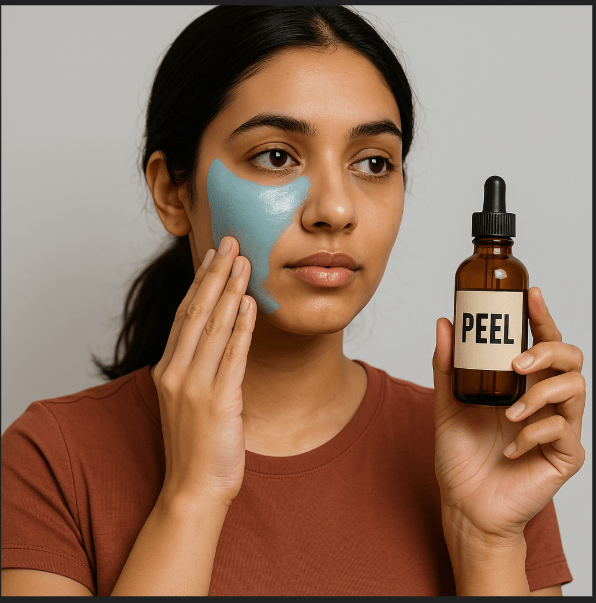
    How to Safely Use an At-Home Peel
    ✅ 1. Perform a Patch Test
    Before applying any peel to your face, test it behind your ear or on your wrist. This helps prevent unexpected reactions.
    ✅ 2. Start with Clean, Dry Skin
    Wash your face with a gentle cleanser and pat dry before applying the peel. Avoid using any scrubs or exfoliants beforehand.
    ✅ 3. Apply the Peel Carefully
    Follow the instructions and apply a thin, even layer, avoiding sensitive areas like the eyes, lips, and nostrils.
    ✅ 4. Follow the Recommended Time Limit
    Leaving a peel on for too long won’t increase its effectiveness—it will only increase irritation and peeling. Stick to the recommended time.
    ✅ 5. Hydrate & Soothe Your Skin
    After a peel, apply a hydrating serum or moisturizer with ingredients like hyaluronic acid, ceramides, or aloe vera to help calm the skin.
    ✅ 6. Always Use Sunscreen
    Chemical peels make your skin more sensitive to UV rays, so wearing broad-spectrum sunscreen (SPF 30 or higher) daily is non-negotiable.
    What to Avoid When Using a Chemical Peel

    🚫 Physical Exfoliants & Scrubs – Using scrubs on the same day as a peel can lead to over-exfoliation and irritation.
    🚫 Retinoids & Strong Actives – Retinol, tretinoin, or strong vitamin C serums can increase skin sensitivity, leading to redness and flaking.
    🚫 Benzoyl Peroxide & Acne Treatments – Combining peels with these ingredients can cause excessive dryness and peeling.
    If you experience severe redness, burning, or prolonged irritation, stop using the product immediately and allow your skin to recover before trying another exfoliating treatment.

    Which Peels Should You Avoid Using at Home?
    Not all chemical peels are safe for at-home use. The FDA has issued warnings about certain products containing extremely high acid concentrations, which can cause chemical burns, deep tissue damage, and permanent scarring.

    Avoid Peels That Contain:
    TCA (Trichloroacetic Acid) over 10% – High concentrations should only be used by professionals.
    Glycolic Acid above 30% – Can cause severe irritation and burns.
    Lactic Acid above 10% – Excessive strength can disrupt the skin barrier.
    100% Pure Acids – These are meant for professional use only and should never be applied at home.

    For the safest results, always follow concentration guidelines and opt for reputable products with clearly labeled percentages.

    Final Thoughts: Smart, Safe, and Effective Peeling
    At-home chemical peels can be an amazing addition to your skincare routine when used responsibly. They help with exfoliation, acne, hyperpigmentation, and fine lines—but they must be used correctly to avoid damage.
    ✔ Start slow and listen to your skin.
    ✔ Use hydrating and barrier-repair products after your peel.
    ✔ Wear SPF daily to protect your new skin.
    With the right approach, an at-home peel can help you achieve smooth, radiant skin—without irritation or risks.
    Would you like more expert guidance on choosing the right skincare for your needs? Let AI-powered personalization help you make safe, effective beauty choices tailored just for you.

    🌿 Because great skin starts with great decisions! 💖
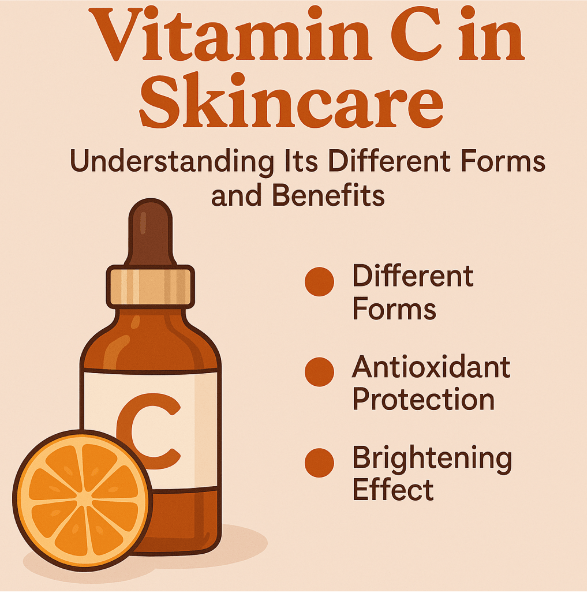
  • Vitamin C in Skincare – Understanding Its Different Forms and Benefits 🍊✨

    Vitamin C is a powerhouse ingredient in skincare, known for its brightening, antioxidant, and collagen-boosting properties. However, not all Vitamin C formulations are created equal! The image above breaks down the different types of Vitamin C and their unique benefits, helping you make an informed choice for your skincare routine.


    The Star: Ascorbic Acid 🌟
    Ascorbic acid, also known as L-ascorbic acid, is the purest and most potent form of Vitamin C. It is widely celebrated for:
    Strong antioxidant protection – Neutralizes free radicals and protects against environmental damage.
    Skin brightening – Helps fade dark spots and hyperpigmentation.
    Collagen stimulation – Supports skin elasticity and reduces fine lines.
    The downside? Ascorbic acid is unstable and oxidizes quickly, meaning it can lose its effectiveness if not stored properly. It also works best at a low pH, which might be too harsh for sensitive skin.
    Vitamin C Derivatives: Gentler & More Stable Alternatives
    Since ascorbic acid can be tricky to formulate, many brands use Vitamin C derivatives that are more stable and gentler on the skin.

    These derivatives offer unique benefits:
    Sodium Ascorbyl Phosphate (SAP) 🛡️ – A water-soluble form of Vitamin C that is known for its antioxidant and acne-fighting properties. It converts into ascorbic acid on the skin and is much more stable than pure Vitamin C.


    Magnesium Ascorbyl Phosphate (MAP) 💧 – A hydrating and stable derivative that helps brighten the skin while being gentle enough for sensitive skin types.


    Tetrahexyldecyl Ascorbate (THD Ascorbate) 🌿 – An oil-soluble form of Vitamin C that penetrates deeper into the skin, making it highly effective for collagen production and reducing hyperpigmentation.


    Ascorbyl Glucoside 🌊 – A mild and stable form of Vitamin C that gradually converts to ascorbic acid, making it suitable for sensitive skin.


    Ascorbyl Tetraisopalmitate ✨ – An oil-soluble derivative that works well for moisturizing the skin while delivering brightening benefits.


    3-O-Ethyl Ascorbic Acid ❓ – A relatively new derivative with promising antioxidant and brightening effects, but more research is needed to confirm its full benefits.


    Choosing the Right Vitamin C for Your Skin 🧴
    For sensitive skin – Opt for MAP, THD Ascorbate, or Ascorbyl Glucoside for a gentle yet effective glow.
    For oily or acne-prone skin – SAP is a great choice due to its ability to fight breakouts while brightening the skin.
    For deep penetration and long-term benefits – THD Ascorbate and Ascorbyl Tetraisopalmitate are excellent as they are oil-soluble and absorb well into the skin.
    For maximum potency – If your skin can tolerate it, ascorbic acid in a well-formulated serum (with ferulic acid and vitamin E) will deliver the most powerful results.

    Final Thoughts
    Vitamin C is a must-have in any skincare routine, but choosing the right type for your skin concerns is key! Whether you go for pure ascorbic acid or a gentler derivative, incorporating Vitamin C can brighten your complexion, protect against environmental damage, and boost collagen for youthful skin.

    Vitamin C TypeSolubilityStabilityKey BenefitsBest For
    Ascorbic Acid (L-Ascorbic Acid)Water-solubleLow (oxidizes easily)Brightens skin, reduces hyperpigmentation, boosts collagen, strong antioxidantNormal to oily skin, not ideal for sensitive
    Sodium Ascorbyl Phosphate (SAP)Water-solubleHighAntioxidant, fights acne, brightens skin, converts to ascorbic acidOily/acne-prone, sensitive skin
    Magnesium Ascorbyl Phosphate (MAP)Water-solubleHighHydrating, brightening, gentle antioxidantDry, sensitive, and mature skin
    Tetrahexyldecyl Ascorbate (THD Ascorbate)Oil-solubleVery HighDeep penetration, collagen support, reduces pigmentationAll skin types, including sensitive
    Ascorbyl GlucosideWater-solubleHighMild brightening, antioxidant, suitable for sensitive skinSensitive skin, daily use
    Ascorbyl TetraisopalmitateOil-solubleHighMoisturizing, brightens, antioxidant, improves skin textureDry and sensitive skin, anti-aging focus
    3-O-Ethyl Ascorbic AcidWater-solubleModerate to HighBrightening, antioxidant, possibly anti-inflammatory (research still growing)All skin types, especially uneven tone


    💡 Pro Tip: Always use it in the morning, pair Vitamin C with sunscreen ☀️ to maximize its benefits and prevent oxidation on the skin!


    Have you tried any of these Vitamin C forms? Which one works best for you? Let us know in the comments! And don’t forget to follow us for more skincare insights! ✨😊

  • The Ultimate Guide to Skin Brightening – How Ingredients Target Melanin Production

    Achieving radiant, even-toned skin is a common goal for many skincare enthusiasts. One of the most effective ways to combat dark spots and hyperpigmentation is by targeting melanin production. But with so many brightening ingredients available, understanding how they work can help you build an effective skincare routine.
    In this blog, we break down how different ingredients work at various stages of melanin production and how to combine them for the best results.


    How Skin Brightening Ingredients Work
    Melanin is the pigment responsible for skin color. When overproduced, it can lead to dark spots, uneven skin tone, and hyperpigmentation. Brightening ingredients function at different stages of this process, categorized into:
    Before Melanin Production – Preventing the enzyme tyrosinase from triggering melanin synthesis.
    During Melanin Production – Controlling or slowing melanin synthesis while it’s happening.
    After Melanin Production – Breaking down existing pigmentation and preventing its transfer.


    Best Ingredients for Skin Brightening

    1. Ingredients That Work Before Melanin Production
      These ingredients inhibit the early stages of melanin formation, reducing how much pigment is produced.
      ✅ Retinol – Promotes skin renewal, preventing pigmentation buildup. ✅ N-Acetyl Glucosamine – Works with niacinamide to reduce melanin synthesis. ✅ Ceramides – Strengthen the skin barrier to prevent environmental damage that triggers pigmentation. ✅ Sphingosines – Help maintain the skin’s protective barrier and prevent melanin overproduction. ✅ Tranexamic Acid – Reduces inflammation that can lead to hyperpigmentation.
    2. Ingredients That Work During Melanin Production
      These ingredients control melanin formation, preventing excessive pigmentation.
      ✅ Arbutin – A gentler alternative to hydroquinone that slows melanin production. ✅ Kojic Acid – A byproduct of fermentation that inhibits tyrosinase activity. ✅ Green Tea – Rich in antioxidants that help regulate melanin formation. ✅ Resveratrol – Protects against oxidative stress, reducing excess melanin production. ✅ Aloe Vera – Soothes the skin while minimizing melanin synthesis. ✅ Azelaic Acid – Helps treat post-inflammatory hyperpigmentation by blocking tyrosinase. ✅ Zinc – Helps regulate enzyme activity related to melanin production. ✅ AHAs (Alpha Hydroxy Acids) – Exfoliate the skin to reduce pigment buildup.
    3. Ingredients That Work After Melanin Production
      These ingredients help fade existing dark spots and prevent their spread.
      ✅ Niacinamide – Prevents melanin transfer and strengthens the skin barrier. ✅ Soybean Extracts – Natural brighteners that reduce hyperpigmentation. ✅ Licorice Extracts – Inhibits pigmentation while soothing the skin. ✅ Linoleic Acid – Helps break down existing pigmentation. ✅ Vitamin E – Protects skin from free radical damage. ✅ Vitamin C – A powerful antioxidant that reduces pigmentation and brightens skin. ✅ Alpha-Lipoic Acid – Works as an antioxidant to improve overall skin texture and tone.
      How to Use These Ingredients for Maximum Results
      For best results, combine multiple ingredients to target melanin production at different levels:
      🔹 Pair a tyrosinase inhibitor (e.g., Kojic Acid or Arbutin) with exfoliants (AHAs or Azelaic Acid) to remove existing pigmentation. 🔹 Use antioxidants like Vitamin C and Resveratrol in your morning routine to fight oxidative stress. 🔹 Apply barrier-strengthening ingredients like Niacinamide and Ceramides for long-term skin health. 🔹 Always wear sunscreen! Many brightening ingredients make skin sensitive to UV rays.
      Final Thoughts
      A well-rounded skincare routine should include ingredients that work at different stages of melanin production. Whether you’re looking to prevent pigmentation or fade existing dark spots, combining the right actives will help you achieve a luminous, even complexion.
      🌟 Ready to build your perfect brightening routine? Let us know your favorite ingredients in the comments below!