

Tag: sensitiveskincare

  • How to Restore Your Skin’s Moisture Barrier After Over-Exfoliation – A Step-by-Step Skincare Recovery Guide

    Let’s talk about something many skincare lovers don’t realize until it’s too late: over-exfoliation. That “glow” we chase with chemical exfoliants can quickly backfire, leaving our skin sensitive, dry, and inflamed. If your skincare routine has left your face feeling tight, red, itchy, or stinging after application, chances are you’ve damaged your skin’s moisture barrier—also known as the acid mantle.

    Don’t panic. The good news? With the right approach and ingredients, you can repair your skin barrier and bring back soft, balanced, and glowing skin. Let’s dive into what your moisture barrier is, why it’s vital, and how to heal it naturally.


    What Is the Moisture Barrier and Why Is It So Important?

    Your moisture barrier is the outermost layer of your skin (the stratum corneum) made up of lipids like ceramides, cholesterol, and fatty acids. Think of it as your skin’s bodyguard—it protects against environmental pollutants, bacteria, and moisture loss, while keeping hydration locked in.

    When healthy, this barrier maintains a slightly acidic pH level between 4.2 to 5.6, which prevents bad bacteria from thriving. But when it’s compromised, your skin is exposed and vulnerable to dryness, redness, sensitivity, and even breakouts.


    Signs You’ve Damaged Your Skin Barrier

    Here’s how to know if your acid mantle is damaged:

    • Redness or irritation from even gentle products
    • Itchy, flaky, or tight skin
    • Increased sensitivity or burning sensations
    • Stinging when applying serums or moisturizers
    • Unusual breakouts or inflamed skin
    • A “shiny yet dry” appearance

    Common culprits? Over-exfoliating with AHAs (like glycolic or lactic acid), BHAs (like salicylic acid), harsh soaps, or high-foaming cleansers containing sodium lauryl sulfate (SLS).
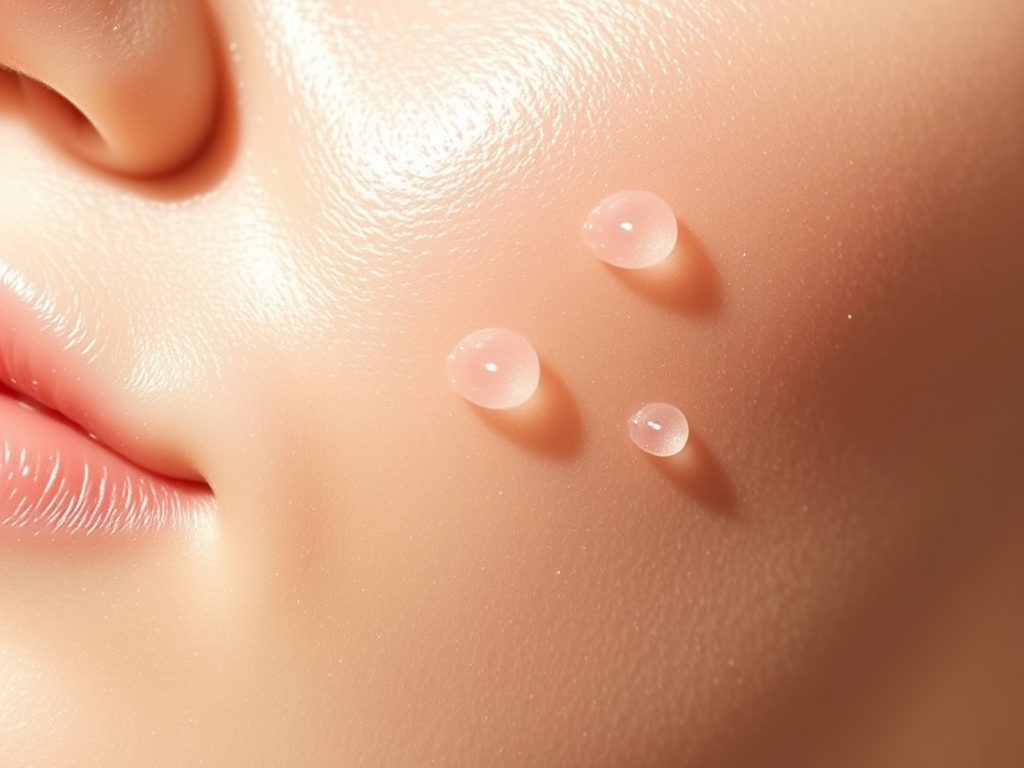

    Step-by-Step Guide to Repair Your Moisture Barrier

    1. Stop All Exfoliation—Immediately

    No chemical exfoliants, no scrubs, no peels—none of it. Your skin needs time to rebuild and strengthen. This break could last from two weeks to over a month, depending on how damaged your barrier is.


    2. Switch to a Gentle, pH-Balanced Cleanser

    Avoid anything that foams heavily or contains SLS or alcohols. Opt for a low-pH cleanser that’s hydrating and non-stripping. Look for ingredients like:

    • Glycerin: A humectant that draws moisture to the skin.
    • Ceramides: Replenish the lipids lost during over-exfoliation.
    • Fatty acids: Help repair the barrier structure.

    3. Hydrate with a Soothing Toner or Essence

    After cleansing, apply a hydrating toner that calms inflammation and helps retain moisture. Key ingredients to look for:

    • Hyaluronic Acid: Binds water to the skin, plumping and hydrating deeply.
    • Aloe Vera: Soothes irritation and redness.
    • Beta-Glucan: A powerful anti-inflammatory agent that promotes healing.
    • Panthenol (Vitamin B5): Supports skin regeneration and softness.

    4. Use Barrier-Strengthening Serums

    You don’t need to skip serums—just choose the right ones. Avoid strong actives and instead focus on calming, nourishing formulas with:

    • Niacinamide (Vitamin B3): Reduces inflammation, regulates oil production, and supports barrier repair.
    • Centella Asiatica (Cica): Speeds up healing and calms redness.
    • Squalane: Mimics the skin’s natural oils, providing non-comedogenic hydration.
    • Fermented ingredients (e.g., bifida ferment lysate): Help strengthen the skin’s microbiome and improve hydration.

    5. Seal It In with a Rich Moisturizer

    Your moisturizer is the hero product in your healing routine. Look for one that is rich in:

    • Ceramides: Rebuild and fortify the barrier.
    • Cholesterol: Helps maintain elasticity and skin health.
    • Fatty Acids (like linoleic acid): Support cell regeneration and hydration.
    • Shea Butter or Jojoba Oil: Deeply moisturizing and soothing.

    6. Don’t Skip Sunscreen (Ever)

    Daily sunscreen is non-negotiable. A compromised barrier is extra sensitive to UV rays, which can worsen damage. Use a broad-spectrum SPF 30 or higher, and choose a mineral sunscreen (with zinc oxide or titanium dioxide) if your skin is feeling extra sensitive.


    Pro Tips for Accelerated Skin Barrier Recovery:

    • Avoid hot water—wash with lukewarm water to prevent further irritation.
    • Skip unnecessary steps—less is more. Stick to a simple cleanse, tone, moisturize, SPF routine.
    • Humidifiers can help if your environment is dry.
    • Stay hydrated—what you put inside your body matters too.
    • Consider occlusives like petrolatum or lanolin at night to lock in moisture (if your skin tolerates them).

    Final Thoughts: Listen to Your Skin

    Healing a damaged skin barrier requires patience, consistency, and gentle care. Don’t rush it, and remember: skincare is not one-size-fits-all. What works for someone else might not work for you. Your skin knows what it needs—pay attention to its signals.

    By focusing on barrier-repairing ingredients, avoiding common irritants, and scaling back on exfoliation, you’ll be on your way to restoring a radiant, calm, and healthy complexion.
  • Prebiotics, Probiotics, and Postbiotics – The Science of Microbiome Skincare

    Skincare is more than just hydration and anti-aging ingredients; it’s also about balancing your skin’s microbiome—the ecosystem of good bacteria that helps keep your skin healthy. That’s where prebiotics, probiotics, and postbiotics come into play. These ingredients support the skin’s natural barrier, reducing inflammation, acne, and sensitivity.
    In this guide, we’ll explore how prebiotics, probiotics, and postbiotics work in skincare, their benefits, and how to layer them effectively.


    What Are Prebiotics, Probiotics, and Postbiotics?
    Prebiotics – Non-living compounds that feed beneficial bacteria on the skin, supporting a healthy microbiome.
    Probiotics – Live bacteria or lysates that balance the skin’s natural flora, improving hydration and calming irritation.
    Postbiotics – The byproducts of probiotic bacteria (like enzymes and peptides) that help soothe inflammation and enhance skin repair.
    Each plays a unique role in maintaining a healthy and resilient skin barrier.

    Prebiotics: Nourishing Your Skin’s Good Bacteria
    Prebiotics act as food for beneficial bacteria, helping them thrive and outcompete harmful microbes. They strengthen the skin barrier, making them ideal for sensitive, dry, and compromised skin.
    Key Prebiotic Ingredients:
    ✅ Inulin – A plant-based carbohydrate that feeds skin-friendly bacteria.
    ✅ Fructooligosaccharides (FOS) – Supports good bacteria growth with plant-based sugars.
    ✅ Beta-Glucans – Derived from oats and fungi, known for strengthening the skin’s immune function.
    ✅ Glucomannan – Extracted from the konjac plant, helps balance the microbiome.
    ✅ Galacto-Oligosaccharides (GOS) – Helps maintain a healthy balance of good bacteria.

    How to Use & Pair Prebiotics
    ✔ When to apply: AM or PM after cleansing.
    ✔ Best paired with: Niacinamide, fatty acids, ceramides, and hyaluronic acid.
    ✔ Best for: Sensitive skin, dryness, and compromised barriers.

    Probiotics: Restoring Balance for a Healthy Microbiome
    Probiotics introduce live bacteria or lysates that restore balance to the skin’s natural flora, improving hydration and calming irritation. They’re excellent for acne-prone, irritated, and dull skin.
    Key Probiotic Ingredients:
    ✅ Lactobacillus Ferment – Helps balance the skin’s microbiome.
    ✅ Bifidobacterium – Strengthens the skin barrier and boosts hydration.
    ✅ Saccharomyces Cerevisiae Extract – A fermented yeast that provides antioxidant and microbiome-balancing benefits.
    ✅ Lactococcus Lactis – Regulates immune response and provides anti-inflammatory benefits.

    How to Use & Pair Probiotics
    ✔ When to apply: As a serum or cream in AM or PM.
    ✔ Best paired with: Ceramides, copper peptides, and resveratrol.
    ✔ Best for: Acne-prone skin, irritation, and dullness.

    Postbiotics: The Skin-Repairing Power of Fermentation
    Postbiotics are the beneficial byproducts of probiotics, including enzymes, peptides, and fatty acids that soothe and repair skin. They are best for inflammation, rosacea, and sensitive skin.
    Key Postbiotic Ingredients:
    ✅ Lactic Acid – Gently exfoliates while improving skin texture.
    ✅ Peptidoglycans – Anti-inflammatory compounds found in bacterial cell walls.
    ✅ Postbiotic Ferment Extracts (Lactobacillus Ferment, etc.) – Calms irritation and enhances healing.
    ✅ Bacterial Lysates – Promote skin healing and reduce inflammation.

    How to Use & Pair Postbiotics
    ✔ When to apply: PM as part of a moisturizer or treatment.
    ✔ Best paired with: Superoxide Dismutase (SOD), Matrixyl 3000, or Ferulic Acid.
    ✔ Best for: Inflammation, rosacea, and sensitive skin.

    How to Layer Prebiotics, Probiotics & Postbiotics for Maximum Benefits
    To get the most out of microbiome skincare, layering ingredients correctly is key:
    1️⃣ Start with prebiotics – Apply a prebiotic-rich toner or essence after cleansing to feed the skin’s good bacteria.
    2️⃣ Follow with probiotics – Use a probiotic serum to introduce beneficial bacteria.
    3️⃣ Lock in with postbiotics – Finish with a postbiotic-infused moisturizer to calm and repair the skin barrier.

    Final Thoughts
    Skincare is evolving beyond just hydration and anti-aging—it’s about supporting your skin’s microbiome for long-term health. Whether you’re dealing with sensitivity, acne, dryness, or inflammation, incorporating prebiotics, probiotics, and postbiotics can help balance and strengthen your skin barrier.

    🌿 Have you tried microbiome skincare? Let us know your experience in the comments!