Tag: skincare

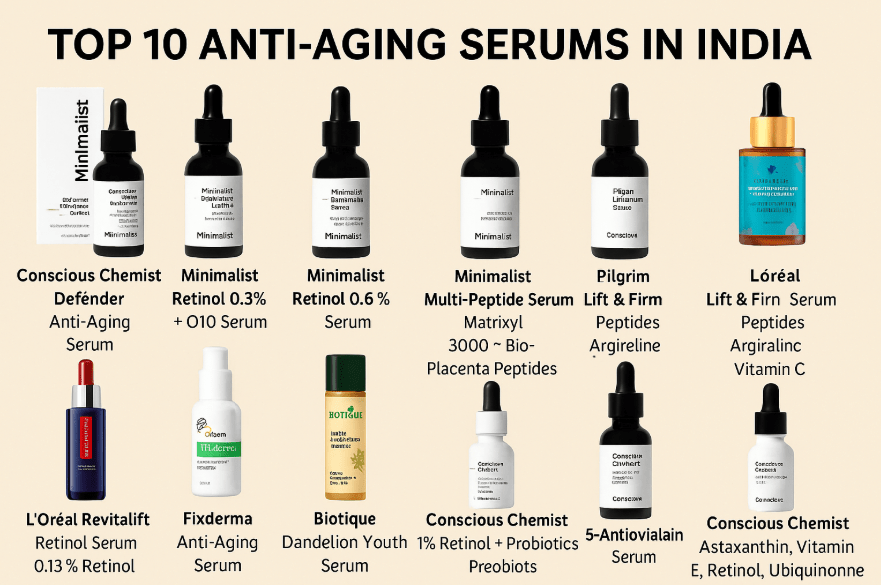
  • Top 10 Best Anti-Aging Serums in India (2025): Ingredients Checked and Skin-Type Matched

    Looking for the best anti-aging serum in India that really works? Whether you’re dealing with fine lines, wrinkles, sagging, or dull skin, choosing the right serum for your skin type, climate, and sensitivity is crucial. We analyzed the top 10 anti-aging serums in India using bdazlai’s ingredient checker — a tool that screens for effective actives and red-flag ingredients like alcohol, BHT, fragrance, and comedogenic oils.

    Let’s decode which anti-aging serum is best for your skin type — with expert recommendations and safe picks for sensitive skin, retinol beginners, and mature skin.


    🥇 Top 10 Anti-Aging Serums in India (2025 Edition)

    #Product NameKey IngredientsAvoid IngredientsSkin TypeBest For Climate
    1Conscious Chemist Defender SerumRetinol (Encapsulated), Copper PeptidesAlcohol, BHT, PhenoxyethanolNormal to Oily, Mature SkinAll Climates
    2Minimalist Retinol 0.3% + Q100.3% Retinol, CoQ10, Bakuchiol, CeramidesBHTNormal to Oily, BeginnersCool or Dry Weather
    3Minimalist Retinol 0.6%0.6% Retinol, CoQ10, Rosehip OilRosehip Oil (comedogenic)Dry to Normal, Not Acne-ProneCool/Dry
    4Minimalist Multi-PeptideMatrixyl 3000, Bio-Placenta PeptidesAll Skin TypesYear-Round
    5Pilgrim Lift & FirmPeptides, Argireline, Vitamin COily to Combo SkinHumid / Monsoon
    6L’Oréal Revitalift Retinol0.13% Retinol, Vitamin B5FragranceAll Except SensitiveAll Year
    7Fixderma Anti-AgingGrowth Factors, PeptidesDry/Mature SkinAll Seasons
    8Biotique Dandelion YouthBotanical Extracts, Vitamin CEssential Oils (Sensitizers)Normal to DryMild Weather
    9Conscious Chemist 1% RetinolHigh Strength Retinol, ProbioticsHigh Retinol = Irritant RiskRetinol-Experienced SkinNight Use
    10Conscious Chemist 5-AntioxidantAstaxanthin, Vit C, Ubiquinone, RetinolRetinol + Vit C (irritation combo)Normal to MatureAll with Moisturizer

    ⚠️ Notable Ingredients to Avoid (Based on bdazlai’s Checker)

    • Alcohol – Found in Defender Serum. Drying in low humidity.
    • BHT – A preservative flagged for long-term hormonal disruption.
    • Phenoxyethanol – Low-risk, but caution for sensitive users.
    • Fragrance – Common allergen; found in L’Oréal Revitalift.
    • Rosehip Oil – Can clog pores in acne-prone skin.
    • Botanical Extracts – In Biotique; patch test if sensitive.

    🧬 Which Anti-Aging Serum Is Best for You?

    Skin Type / ConcernRecommended Serums
    Dry or Mature SkinFixderma, Minimalist 0.3% Q10
    Retinol BeginnersMinimalist 0.3%, L’Oréal Revitalift
    Experienced Retinol UsersMinimalist 0.6%, Conscious Chemist 1%
    Oily/Combination Skin in Humid ClimatePilgrim Lift & Firm Serum
    Sensitive Skin / Herbal LoversBiotique (with patch test)
    Pregnancy-Safe (non-retinol)Minimalist Multi-Peptide, Pilgrim

    🧴 How to Use Anti-Aging Serums for Best Results

    • Start slow with retinol: Use 2–3 times/week at night and increase gradually.
    • Avoid layering with Vitamin C if using retinol at the same time.
    • Always apply SPF in the morning when using actives like retinol, peptides, or Vitamin C.
    • Moisturize generously: Look for ceramides, hyaluronic acid, or glycerin.
    • Patch test any formula with alcohol, fragrance, or essential oils.

    🧠 Final Thoughts

    The best anti-aging serum for Indian skin depends on your skin type, tolerance for actives, and climate. With transparent ingredient screening by bdazlai and usage recommendations tailored to Indian conditions, you can now confidently choose a serum that works hard without harming your skin barrier.

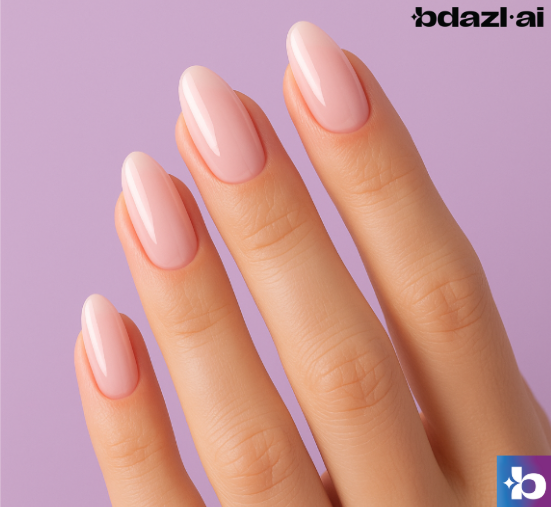
  • 💅 The Truth About Nail Polish: What’s Lurking in Your Mani?

    Meta Title: Nail Polish & Gel Polish: Hidden Toxins, Remover Risks & How to Repair Damaged Nails
    Meta Description: Discover the truth about regular and gel nail polish, toxic ingredients in removers, aftercare tips, and how to choose safer nail products for healthy, beautiful nails.


    1. Regular vs. Gel Nail Polish: What’s the Difference?

    • Regular Nail Polish is quick to apply and air-dries, but chips easily (within 3–7 days).
    • Gel Nail Polish lasts 2–3 weeks and must be cured under UV or LED light, offering durability at the cost of removal challenges.

    Both types often contain toxic ingredients unless labeled as “3-free,” “5-free,” or more.


    2. The Hidden Toxins in Your Polish

    Beware of the Toxic Trio:

    • Toluene – Affects the nervous system.
    • Formaldehyde – A known carcinogen and nail hardener.
    • Dibutyl Phthalate (DBP) – Linked to hormone disruption and reproductive harm.

    Also commonly found:

    • Camphor, Ethyl Tosylamide, Parabens
    • Petroleum-derived polymers in gel polish
    • Fragrance allergens not always disclosed

    3. What’s Inside Nail Polish Removers?

    • Acetone-based removers strip natural oils, weaken nails, and irritate skin and lungs with frequent use.
    • Non-acetone removers often contain ethyl acetate, which is less aggressive but still drying.

    Gel polish removers are harsher and often require:

    • Soaking for 10–20 minutes
    • Filing the surface of the nail
    • Aluminum wraps + acetone → major dehydration risk

    4. How Nail Products Can Damage Your Nails

    Overuse of nail polish, gel, or removers can lead to:

    • Peeling, thinning, cracking
    • Discoloration
    • Inflamed cuticles and nail beds
    • White spots (keratin granulations)
    • Fungal infections or allergies to acrylates

    5. What to Look Out For in Safe Nail Products

    ✅ Look for these on the label:

    • 3-Free, 5-Free, 10-Free, or 13-Free” – Fewer harmful chemicals
    • Certified Cruelty-Free or Vegan
    • No fragrance or phthalates
    • Avoid acrylates (especially if allergic)
    • Acetone-free removers with natural oils

    Avoid greenwashing! Terms like “natural” or “non-toxic” are often unregulated. Use ingredient scanners like bdazlai to verify.


    6. Gel Polish: When It’s Too Much

    While gel nails look glossy and last long, they come with serious risks:

    • UV exposure from curing can accelerate aging and increase skin cancer risk.
    • Acrylates in gel polish are allergens and irritants.
    • Removal damage is common – scraping, buffing, peeling.

    💡 Tip: Use fingerless gloves during UV curing to protect your skin.


    7. Aftercare for Damaged Nails

    🌿 What to Do:

    • Take breaks between manicures.
    • Apply cuticle oils (jojoba, vitamin E) daily.
    • Use biotin supplements and a healthy diet.
    • Avoid filing too thin or buffing natural nails.
    • Apply nail strengtheners with proteins or calcium.
    • Wear gloves during housework and while using acetone.

    Recommended DIY soak:
    🛁 Warm olive oil + a few drops of tea tree oil = deep nourishment.


    8. Safer Alternatives to Try

    • Water-based polishes – Free of the toxic trio and odorless.
    • Breathable polishes – Let oxygen and moisture through the nail plate.
    • Japanese manicures – Natural buffing with beeswax-based pastes.
    • BIAB (Builder in a Bottle) – Strengthens nails with fewer removals.

    9. Quick Comparison Table

    FeatureRegular PolishGel Polish
    Durability3–7 days2–3 weeks
    UV/LED RequiredNoYes
    RemovalEasy with removerRequires soaking/buffing
    Risk of DamageMediumHigh (especially removal)
    Harmful IngredientsToluene, DBP, FormaldehydeAcrylates, methacrylates
    Healthier Alternatives5-Free polish, breathableBIAB, Japanese manicure

    10. Final Thoughts: Healthy Nails, Healthy Choices

    Whether you love classic reds or trendy chrome gels, your nails—and health—deserve transparency. Always read ingredient lists, avoid harsh removers, and take regular polish breaks.

    Trust science-backed tools like bdazlai to decode nail product ingredients and avoid harmful chemicals.

  • Flawless at 50+: Your Friendly Guide to Makeup That Glows with You

    Let’s be real — turning 50 isn’t the end of anything. It’s the beginning of a new era — one where we get to redefine what beauty means on our own terms. For me (and maybe for you too), it was about choosing self-care, confidence, and joy over chasing youth.

    Sure, our skin changes a little. Maybe we’ve earned a few more lines from smiling too hard or staying up too late dancing or taking care of everyone else. But that doesn’t mean we stop wanting to look fresh, glowing, and — yes — beautiful.

    So here it is, my no-fuss, no-fluff guide to the best makeup for mature skin, built around one goal: helping you feel like you, just more radiant.


    Start With Skin That Glows

    If I’ve learned anything about makeup over 50, it’s that hydration is everything. Before anything goes on my face, I reach for a skin cream packed with hyaluronic acid, ceramides, and maybe a little peptide love. It makes my skin feel smooth, plump, and ready for the day.

    A velvety primer with silk proteins or green tea extract helps everything stay in place and gently softens the look of fine lines. And please don’t skip SPF — a broad-spectrum sunscreen with niacinamide keeps my skin safe and even-toned.

    Friendly tip? Show your neck and chest some love too — a firming cream with plant-based antioxidants can make all the difference.


    Face It, But Keep It Light

    You don’t need layers of foundation. In fact, that can actually make skin look older. Instead, I reach for a tinted moisturizer with SPF 40 that gives me that “I drink water and mind my business” kind of glow. Look for skin tints with aloe vera or non-nano zinc oxide — they feel light, protect your skin, and even out tone without masking it.

    Dark circles or redness? A creamy color corrector with vitamin C and caffeine brightens up tired areas without creasing. Follow it with a hydrating concealer containing squalane or glycerin to keep things smooth and seamless.


    Creamy Color Is Your New Best Friend

    Say goodbye to powdery blush that sits on top of your skin. A good cream blush for older women blends right in and looks like a natural flush. I love ones that include niacinamide, jojoba oil, or shea butter — they add color and moisture in one go.


    Brighten the Eyes (Gently)

    As much as I loved my winged eyeliner days, now I go for something softer. A gel eyeliner with vitamin E glides on without tugging and gives just enough definition without looking too harsh.

    For shadow, a cream stick with hydrating waxes and a little shimmer can brighten up your lids — especially in shades like soft taupe, bronze, or rose gold. Add a lengthening mascara with panthenol and biotin, and you’re golden.


    Brow Love is Real

    One of the sneakiest changes after 50? Thinning eyebrows. But don’t worry — the right brow gel with vitamin B5, beeswax, and plant extracts can fluff them right back up. Or, grab a pencil with castor oil to add definition while encouraging growth.

    Want a soft, everyday look? Try a natural brow powder for that fluffy, filled-in feel.


    Lips That Shine Without the Lines

    I don’t know about you, but I’ve retired matte lipsticks. They look great — until they settle into fine lines. These days I’m all about tinted lip balms, lip oils, and plumping glosses with peptides, shea butter, and hyaluronic acid. They give me just enough color and keep my lips feeling soft and full.


    Real Talk: Makeup Tips That Matter Over 50

    • Less is more: Focus on glow, not coverage.
    • Hydration is your hero: Use skincare-infused makeup to nourish as you go.
    • Choose cream formulas: They’re kinder to skin and give a natural finish.
    • Frame the face: Soft brows and gentle eyeshadow bring balance.
    • Play up what you love: Got gorgeous eyes? Lush lips? Highlight them!

    You Deserve to Shine — Always

    Being over 50 doesn’t mean hiding — it means celebrating. Every laugh line? That’s a story. Every shift in our skin? A reminder of everything we’ve seen, loved, survived.

    Makeup isn’t about masking who we are — it’s about honoring it. Whether you’re heading out for brunch, Zooming with the grandkids, or just looking in the mirror and smiling at yourself, you deserve to feel beautiful, confident, and alive.

    So let’s keep glowing — one creamy blush, one SPF-packed tint, one hydrating gloss at a time.

  • Pollution Protection – How to Keep Your Skin & Hair Healthy in a Polluted World 🌆

    Urban life comes with its fair share of challenges, and pollution is one of the biggest culprits behind skin and hair damage. From dust and smoke to harmful UV rays and toxic chemicals, pollutants can clog pores, cause premature aging, and make hair dull and brittle. But don’t worry—there are ways to fight back and maintain that natural glow! Here’s how to protect your skin and hair from pollution and what to look for in your beauty products.


    Skin Care: Shield & Repair 🧴💆‍♀️
    Deep Cleansing is Key: Pollution particles are tiny and can settle deep into your skin, leading to breakouts and dullness. A gentle sulfate-free cleanser with charcoal, salicylic acid, or micellar water can help remove impurities without stripping your skin’s natural oils.
    Antioxidants to the Rescue: Free radicals from pollution accelerate aging, causing fine lines and pigmentation. Look for products containing Vitamin C, Vitamin E, green tea extract, or niacinamide to neutralize damage and keep your skin youthful.
    Hydration & Barrier Protection: Pollution weakens your skin’s natural barrier. A hyaluronic acid-based moisturizer locks in hydration, while ceramides and squalane strengthen your skin’s defense. Sunscreen Every Day! UV rays mixed with pollution worsen skin damage. Use a broad-spectrum SPF 30 or higher sunscreen with added blue light protection to shield your skin from oxidative stress.
    Weekly Exfoliation: A mild AHA/BHA exfoliant or a natural scrub with papaya or oatmeal can remove dead skin cells and unclog pores, keeping your complexion bright and healthy.


    Hair Care: Pollution-Proof Your Locks 💇‍♀️✨
    Cleanse Without Overwashing: Shampooing every day can strip natural oils, but skipping washes allows pollutants to build up. Opt for a gentle, sulfate-free shampoo with aloe vera or tea tree oil to remove toxins while keeping your scalp balanced.
    Condition & Nourish: Pollution weakens hair strands, making them prone to breakage. A deep-conditioning mask with keratin, argan oil, or shea butter strengthens hair and restores shine.
    Serums & Leave-Ins for Protection: Before stepping out, apply a lightweight serum with silicone or UV filters to form a protective barrier against dirt and environmental aggressors.


    DIY Hair Detox: A simple apple cider vinegar rinse (diluted with water) removes product buildup and pollution residues, keeping your scalp fresh and clean.


    Dealing with Tan & Uneven Skin Tone ☀️🍊
    Lemon & Honey Mask: A natural remedy that gently brightens skin and fades tan while keeping it hydrated.
    Aloe Vera Gel: Soothes sunburn, reduces redness, and helps restore your skin’s natural tone.
    Turmeric & Yogurt Pack: A powerful combo to even out skin tone and remove dullness.
    Kojic Acid & Licorice Extract: Found in many skincare products, these ingredients work wonders in reducing hyperpigmentation and sun damage.
    Vitamin C Serums: They boost skin radiance, fade dark spots, and provide protection from further damage.


    💡 Pro Tip: Drink plenty of water, eat antioxidant-rich foods, and always remove makeup before bed to keep your skin and hair fresh and pollution-free!

    What’s your go-to pollution protection routine? Share your thoughts in the comments! 💬✨ Don’t forget to follow for more skincare and haircare tips. 💕

  • Peptides 101: Unlocking the Power of Anti-Aging Skincare

    When it comes to modern skincare, few ingredients have generated as much excitement as peptides. These powerful molecules play a crucial role in skin health, offering a wide range of benefits, from collagen production to hydration and even reducing hyperpigmentation. But with so many different types of peptides available, it can be overwhelming to know which ones to look for in skincare products.

    In this guide, we break down the different types of peptides, their benefits, and where you can find them.


    What Are Peptides?
    Peptides are short chains of amino acids that serve as building blocks for proteins like collagen, elastin, and keratin, all essential for maintaining youthful and healthy skin. As we age, our natural peptide production declines, leading to wrinkles, sagging, and dehydration. Incorporating peptides into your skincare routine can help stimulate collagen production, enhance skin repair, and improve elasticity.


    Types of Peptides and Their Benefits

    1. Signal Peptides (Collagen-Boosting)
      These peptides stimulate collagen production, reducing fine lines and wrinkles while improving skin firmness.
      🧴 Best for: Fine lines, wrinkles, loss of firmness
      🔬 Examples: Palmitoyl Tripeptide-1, Palmitoyl Tetrapeptide-7, Hexapeptide-9
    2. Elasticity-Enhancing Peptides
      These peptides help improve skin structure and resilience, making it firmer and more elastic.
      🧴 Best for: Strengthening sagging skin
      🔬 Examples: Tripeptide-31, Tetrapeptide-30, Palmitoyl Tripeptide-5
    3. Barrier-Repair Peptides
      These peptides strengthen the skin’s barrier, reducing redness and irritation.
      🧴 Best for: Sensitive skin, reducing redness
      🔬 Examples: Palmitoyl Tripeptide-8, Acetyl Tetrapeptide-2
    4. Brightening Peptides
      Brightening peptides help reduce hyperpigmentation, dark spots, and uneven skin tone.
      🧴 Best for: Dark spots, uneven skin tone
      🔬 Examples: Oligopeptide-1, Nonapeptide-1, Tetrapeptide-30, Soy & Rice Peptides
    5. Hydration-Boosting Peptides
      These peptides enhance moisture retention, keeping the skin plump and hydrated.
      🧴 Best for: Deep hydration, moisture retention
      🔬 Examples: Acetyl Hexapeptide-37, Palmitoyl Tetrapeptide-76. Neurotransmitter Peptides (Muscle-Relaxing)
      These peptides help relax expression lines, offering a Botox-like effect without injections.
      🧴 Best for: Reducing expression lines
      🔬 Examples: SNAP-8 Peptide, Dipeptide Diaminobutyroyl Benzylamide
    6. Copper Peptides (Carrier Peptides)
      These peptides promote skin healing and improve elasticity, making them ideal for anti-aging and repair.
      🧴 Best for: Skin regeneration, wound healing, elasticity
      🔬 Examples: Copper Tripeptide-1, Manganese Tripeptide-1
    7. Enzyme-Inhibitor Peptides
      These peptides slow down collagen breakdown, preventing fine lines and wrinkles.
      🧴 Best for: Preventing collagen breakdown
      🔬 Examples: Trifluoroacetyl Tripeptide-2, Myristoyl Pentapeptide-17
    8. Wound-Healing Peptides
      These peptides enhance skin recovery, reducing post-inflammatory hyperpigmentation and scarring.
      🧴 Best for: Healing, reducing scars
      🔬 Examples: Acetyl Tetrapeptide-40, Palmitoyl Tripeptide-5
    9. Antioxidant Peptides
      Antioxidant peptides protect the skin from pollution and oxidative stress, preventing premature aging.
      🧴 Best for: Protection against environmental damage
      🔬 Examples: L-Carnosine, Glutathione (GSH), RVLL (Arg-Tyr-Leu-Leu)
      How to Incorporate Peptides in Your Skincare Routine
      Morning Routine: Use antioxidant peptides (like Vitamin C + peptides) for pollution protection.
      Evening Routine: Apply collagen-boosting peptides (Matrixyl, Copper Peptides) to repair and hydrate.
      Pairing: Combine peptides with hydrating ingredients like hyaluronic acid for better absorption.
      Avoid Mixing: Do not use peptides with strong acids (like AHAs) as they can degrade peptide efficacy.
      Final Thoughts
      Peptides are a skincare powerhouse, offering solutions for multiple skin concerns, from hydration to anti-aging and barrier repair. By choosing the right peptides for your skin needs, you can achieve firmer, healthier, and more youthful-looking skin.
      Have you tried peptides in your routine? Let us know your experience in the comments!

  • AI-Powered Face Scanning -The Future of Personalized Beauty

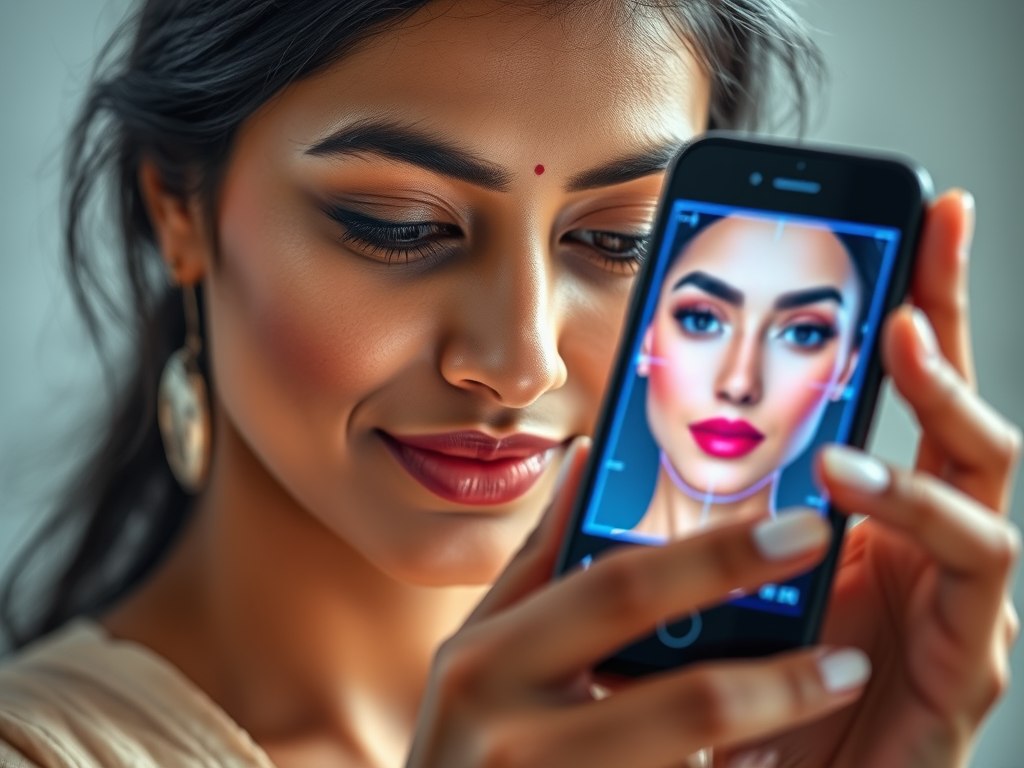
    Imagine a beauty routine where every product you buy is tailored specifically to your skin’s needs. No more trial and error, no more wasted money, and no more frustration. This isn’t just a futuristic dream—it’s happening right now with AI-powered face scanning.

    How AI is Transforming Beauty Shopping
    AI technology is revolutionizing the beauty industry by providing instant, accurate skin analysis and personalized product recommendations. Instead of relying on generic advice or marketing claims, AI face scanners analyze your skin’s unique concerns and match you with products designed specifically for you.
    Here’s what AI-powered beauty tools can detect:
    Dryness & Oiliness – Identifies your skin’s hydration levels to suggest the right moisturizers or mattifying products.
    Fine Lines & Wrinkles – Recommends anti-aging ingredients like peptides and hyaluronic acid.
    Dark Spots & Hyperpigmentation – Matches you with brightening serums and targeted treatments.
    Acne & Sensitivity – Suggests gentle, non-comedogenic formulas to prevent breakouts and irritation.
    With this level of precision, AI ensures you no longer have to guess which products will work—it does the work for you.

    Why AI Scanning Saves Time & Money
    💰 No More Wasted Money – We’ve all been there—buying expensive products only to realize they don’t suit our skin. AI scanning helps eliminate this problem by directing you to skincare and cosmetics that truly match your needs. Instead of testing five different serums, AI finds the ONE that actually works for you.
    🚀 Dermatologist Visits – Seeing a dermatologist can be costly and time-consuming. AI-driven tools bring analysis right to your fingertips, offering instant insights and recommendations without the high price tag or long wait times.
    🛍 Faster, Smarter Beauty ShoppingScrolling through endless beauty product pages, reading ingredient lists, and watching influencer reviews can be overwhelming. AI scanning streamlines the process by filtering products based on your unique skin profile, helping you shop efficiently and stress-free.

    The Future of Beauty: AI-Powered Personalization
    Beauty is becoming more intelligent, and AI-driven solutions are leading the way. The future holds faster, more accurate, and completely tailored beauty experiences.
    With AI-powered skin analysis, you can:
    ✅ Receive scientifically-backed product recommendations
    ✅ Avoid unnecessary and ineffective purchases
    ✅ Shop with confidence, knowing every product is right for your skin

    AI-Powered Beauty: How Technology is Reducing Waste in Skincare
    The beauty industry has long struggled with excessive waste—from overproduction of products to unused skincare sitting on shelves. AI-powered beauty solutions are transforming this issue by offering hyper-personalized recommendations that prevent consumers from buying the wrong products. By analyzing skin concerns with precision, AI minimizes trial-and-error purchases, reducing the number of half-used bottles tossed away. Additionally, brands are leveraging AI-driven supply chain insights to manufacture only what’s needed, cutting down on overproduction and packaging waste. As technology advances, AI is not only improving skincare effectiveness but also paving the way for a more sustainable, waste-free beauty industry.

    At bdazlai, we believe in harnessing AI to create a smarter, more personalized beauty experience. By embracing AI scanning, you take control of your beauty routine with precision, convenience, and confidence.

    💡 Ready to transform your beauty shopping? Let AI lead the way to better skincare and smarter choices! 🚀