Tag: skincareroutine

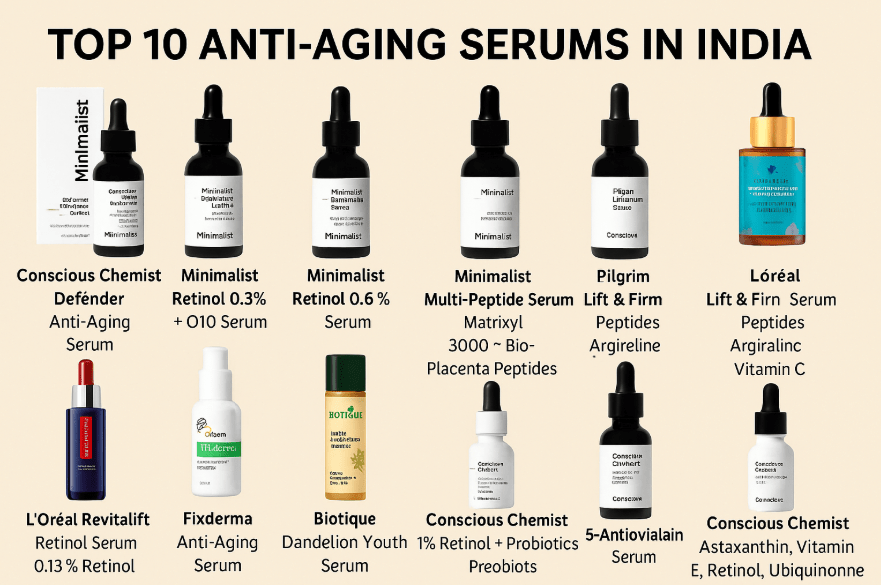
  • Top 10 Best Anti-Aging Serums in India (2025): Ingredients Checked and Skin-Type Matched

    Looking for the best anti-aging serum in India that really works? Whether you’re dealing with fine lines, wrinkles, sagging, or dull skin, choosing the right serum for your skin type, climate, and sensitivity is crucial. We analyzed the top 10 anti-aging serums in India using bdazlai’s ingredient checker — a tool that screens for effective actives and red-flag ingredients like alcohol, BHT, fragrance, and comedogenic oils.

    Let’s decode which anti-aging serum is best for your skin type — with expert recommendations and safe picks for sensitive skin, retinol beginners, and mature skin.


    🥇 Top 10 Anti-Aging Serums in India (2025 Edition)

    #Product NameKey IngredientsAvoid IngredientsSkin TypeBest For Climate
    1Conscious Chemist Defender SerumRetinol (Encapsulated), Copper PeptidesAlcohol, BHT, PhenoxyethanolNormal to Oily, Mature SkinAll Climates
    2Minimalist Retinol 0.3% + Q100.3% Retinol, CoQ10, Bakuchiol, CeramidesBHTNormal to Oily, BeginnersCool or Dry Weather
    3Minimalist Retinol 0.6%0.6% Retinol, CoQ10, Rosehip OilRosehip Oil (comedogenic)Dry to Normal, Not Acne-ProneCool/Dry
    4Minimalist Multi-PeptideMatrixyl 3000, Bio-Placenta PeptidesAll Skin TypesYear-Round
    5Pilgrim Lift & FirmPeptides, Argireline, Vitamin COily to Combo SkinHumid / Monsoon
    6L’Oréal Revitalift Retinol0.13% Retinol, Vitamin B5FragranceAll Except SensitiveAll Year
    7Fixderma Anti-AgingGrowth Factors, PeptidesDry/Mature SkinAll Seasons
    8Biotique Dandelion YouthBotanical Extracts, Vitamin CEssential Oils (Sensitizers)Normal to DryMild Weather
    9Conscious Chemist 1% RetinolHigh Strength Retinol, ProbioticsHigh Retinol = Irritant RiskRetinol-Experienced SkinNight Use
    10Conscious Chemist 5-AntioxidantAstaxanthin, Vit C, Ubiquinone, RetinolRetinol + Vit C (irritation combo)Normal to MatureAll with Moisturizer

    ⚠️ Notable Ingredients to Avoid (Based on bdazlai’s Checker)

    • Alcohol – Found in Defender Serum. Drying in low humidity.
    • BHT – A preservative flagged for long-term hormonal disruption.
    • Phenoxyethanol – Low-risk, but caution for sensitive users.
    • Fragrance – Common allergen; found in L’Oréal Revitalift.
    • Rosehip Oil – Can clog pores in acne-prone skin.
    • Botanical Extracts – In Biotique; patch test if sensitive.

    🧬 Which Anti-Aging Serum Is Best for You?

    Skin Type / ConcernRecommended Serums
    Dry or Mature SkinFixderma, Minimalist 0.3% Q10
    Retinol BeginnersMinimalist 0.3%, L’Oréal Revitalift
    Experienced Retinol UsersMinimalist 0.6%, Conscious Chemist 1%
    Oily/Combination Skin in Humid ClimatePilgrim Lift & Firm Serum
    Sensitive Skin / Herbal LoversBiotique (with patch test)
    Pregnancy-Safe (non-retinol)Minimalist Multi-Peptide, Pilgrim

    🧴 How to Use Anti-Aging Serums for Best Results

    • Start slow with retinol: Use 2–3 times/week at night and increase gradually.
    • Avoid layering with Vitamin C if using retinol at the same time.
    • Always apply SPF in the morning when using actives like retinol, peptides, or Vitamin C.
    • Moisturize generously: Look for ceramides, hyaluronic acid, or glycerin.
    • Patch test any formula with alcohol, fragrance, or essential oils.

    🧠 Final Thoughts

    The best anti-aging serum for Indian skin depends on your skin type, tolerance for actives, and climate. With transparent ingredient screening by bdazlai and usage recommendations tailored to Indian conditions, you can now confidently choose a serum that works hard without harming your skin barrier.

  • The World of Beauty Influencers: Are They Truly Worth Following?

    In the digital age, the personal beauty care sector has undergone a transformation, thanks in large part to AI skincare tools and beauty influencers. From AI face scan for skincare to customized skincare recommendations, the beauty landscape is shifting from one-size-fits-all marketing to hyper-personalized solutions. However, influencers still play a powerful role in shaping how consumers perceive and purchase beauty products. This blog explores their impact, the rise of AI-powered skincare recommendations, and whether influencer-driven choices are truly worth the hype.


    Beauty influencers are content creators who share makeup tutorials, ingredient safety checks, clean beauty recommendations, and non-toxic skincare product reviews across YouTube, Instagram, TikTok and more. Whether they’re doing skincare routine walk throughs or decoding product labels, they often become trusted sources for those searching for the best skincare for own skin. Their popularity stems from relatability, consistency and the illusion of personalization, which sometimes mimics what AI-powered beauty tools like bdazlai now offer more accurately.


    Estimated Number of Beauty Influencers on Social Media Platforms

    It’s tough to pin down exact numbers, but here are some estimates:

    • TikTok: Over 1.5 million beauty-focused followers in the U.S. alone
    • Instagram: Tens of thousands of micro and macro beauty influencers worldwide
    • YouTube: Some Beauty content creators boast tens of millions of followers

    From nano creators to celebrity-tier influencers, the beauty content ecosystem is massive and influential—especially in regions like India where AI-powered clean beauty platform searches are growing.


    • Paid Partnerships: Influencers receive direct compensation to feature skincare and makeup products. Brands often provide guidelines and expect results in visibility or sales. These are usually marked with hashtags like
    • Gifted/Unpaid Collaborations: Brands send free products in exchange for potential mentions or reviews. While influencers aren’t obligated to post, they often do—especially when building trust or trying to gain more brand collaborations.

    The transparency of paid promotions is now scrutinized closely, which is why platforms like bdazlai include ingredient safety checker features to provide unbiased information about products.


    Influencers humanize beauty brands. When someone says, “This moisturizer saved my dry skin,” it sounds like advice from a friend. Even if labeled as paid, the emotional connection often overrides skepticism. This is especially impactful among those searching for skincare product analysis AI tools who may not yet be familiar with how to check if skincare is safe.

    • Impulse buys
    • Unrealistic expectations
    • Neglecting skin type analysis tool insights in favor of influencer hype

    1. Wasted Money: You may spend ₹500–₹5000 on a product that irritates your skin or clogs pores.
    2. Wasted Time: Weeks of testing ineffective skincare when AI skincare quiz results could’ve saved you time.
    3. Wasted Resources: Half-used bottles lead to product and environmental waste.
    4. Emotional Toll: Failure may hurt your self-esteem or skin confidence.

    Instead of trusting blindly, using tech-enabled beauty diagnosis tools like bdazlai’s ingredient analysis and smart skincare routine generator ensures informed decisions.


    No — and here’s why:

    • Biological Differences: Skin concerns (acne, wrinkles, hyperpigmentation and more) vary person to person
    • Climate & Lifestyle: An influencer living in a cold climate may have different skin needs than someone in tropical India
    • Technique & Routine: The product may not be the problem—it’s how it’s used

    That’s why AI-based beauty product recommendations work better. They factor in personal data and avoid the trial-and-error loop.


    Good When:

    • They’re transparent about paid partnerships
    • Promote non-toxic skincare brands or fragrance-free skincare products for sensitive skin
    • Educate about skincare ingredients like hyaluronic acid, niacinamide or retinol

    Platforms like bdazlai help bridge this gap by offering science-backed skincare recommendations.


    Beauty influencers aren’t inherently good or bad — they’re part of the evolving beauty ecosystem. When combined with AI-powered skincare recommendations and tools like bdazlai’s AI face scan for skin health, their advice becomes much more useful.

    If you’re wondering:

    • “Can AI make personalized skincare accessible to everyone?” → Yes, it already is.
    • “Does your skincare routine match your skin’s needs?” → Use bdazlai to find out.
    • “Is there a better way to shop for skincare?” → Definitely, with Bdazlai.

    Always ask: Is this ingredient safe for my skin? And let AI-backed tools answer that before the next #ad influences your wallet—and your skin.

    Unlike one-size-fits-all influencer recommendations, bdazlai takes a completely personalized approach to beauty. Using advanced AI face scanner, bdazlai analyzes your unique skin tone, skin type, hair texture and specific concerns like dryness, acne, dark spots etc etc. It then cross-checks this information with a vast ingredient database to recommend products that are actually suited for you — not someone else on the internet. Whether a product is recommended by an influencer or trending online, bdazlai helps you filter through the hype and focus only on what matches your real, personal profile. No more guesswork, no more wasted money or time — just science-backed, tailored solutions made simple.

    Follow us at www.bdazlai.com for personalized skincare powered by AI.
    Stay connected on Instagram, Facebook, and Twitter @bdazlai for tips, updates, and smart beauty insights!

  • How to Restore Your Skin’s Moisture Barrier After Over-Exfoliation – A Step-by-Step Skincare Recovery Guide

    Let’s talk about something many skincare lovers don’t realize until it’s too late: over-exfoliation. That “glow” we chase with chemical exfoliants can quickly backfire, leaving our skin sensitive, dry, and inflamed. If your skincare routine has left your face feeling tight, red, itchy, or stinging after application, chances are you’ve damaged your skin’s moisture barrier—also known as the acid mantle.

    Don’t panic. The good news? With the right approach and ingredients, you can repair your skin barrier and bring back soft, balanced, and glowing skin. Let’s dive into what your moisture barrier is, why it’s vital, and how to heal it naturally.


    What Is the Moisture Barrier and Why Is It So Important?

    Your moisture barrier is the outermost layer of your skin (the stratum corneum) made up of lipids like ceramides, cholesterol, and fatty acids. Think of it as your skin’s bodyguard—it protects against environmental pollutants, bacteria, and moisture loss, while keeping hydration locked in.

    When healthy, this barrier maintains a slightly acidic pH level between 4.2 to 5.6, which prevents bad bacteria from thriving. But when it’s compromised, your skin is exposed and vulnerable to dryness, redness, sensitivity, and even breakouts.


    Signs You’ve Damaged Your Skin Barrier

    Here’s how to know if your acid mantle is damaged:

    • Redness or irritation from even gentle products
    • Itchy, flaky, or tight skin
    • Increased sensitivity or burning sensations
    • Stinging when applying serums or moisturizers
    • Unusual breakouts or inflamed skin
    • A “shiny yet dry” appearance

    Common culprits? Over-exfoliating with AHAs (like glycolic or lactic acid), BHAs (like salicylic acid), harsh soaps, or high-foaming cleansers containing sodium lauryl sulfate (SLS).


    Step-by-Step Guide to Repair Your Moisture Barrier

    1. Stop All Exfoliation—Immediately

    No chemical exfoliants, no scrubs, no peels—none of it. Your skin needs time to rebuild and strengthen. This break could last from two weeks to over a month, depending on how damaged your barrier is.


    2. Switch to a Gentle, pH-Balanced Cleanser

    Avoid anything that foams heavily or contains SLS or alcohols. Opt for a low-pH cleanser that’s hydrating and non-stripping. Look for ingredients like:

    • Glycerin: A humectant that draws moisture to the skin.
    • Ceramides: Replenish the lipids lost during over-exfoliation.
    • Fatty acids: Help repair the barrier structure.

    3. Hydrate with a Soothing Toner or Essence

    After cleansing, apply a hydrating toner that calms inflammation and helps retain moisture. Key ingredients to look for:

    • Hyaluronic Acid: Binds water to the skin, plumping and hydrating deeply.
    • Aloe Vera: Soothes irritation and redness.
    • Beta-Glucan: A powerful anti-inflammatory agent that promotes healing.
    • Panthenol (Vitamin B5): Supports skin regeneration and softness.

    4. Use Barrier-Strengthening Serums

    You don’t need to skip serums—just choose the right ones. Avoid strong actives and instead focus on calming, nourishing formulas with:

    • Niacinamide (Vitamin B3): Reduces inflammation, regulates oil production, and supports barrier repair.
    • Centella Asiatica (Cica): Speeds up healing and calms redness.
    • Squalane: Mimics the skin’s natural oils, providing non-comedogenic hydration.
    • Fermented ingredients (e.g., bifida ferment lysate): Help strengthen the skin’s microbiome and improve hydration.

    5. Seal It In with a Rich Moisturizer

    Your moisturizer is the hero product in your healing routine. Look for one that is rich in:

    • Ceramides: Rebuild and fortify the barrier.
    • Cholesterol: Helps maintain elasticity and skin health.
    • Fatty Acids (like linoleic acid): Support cell regeneration and hydration.
    • Shea Butter or Jojoba Oil: Deeply moisturizing and soothing.

    6. Don’t Skip Sunscreen (Ever)

    Daily sunscreen is non-negotiable. A compromised barrier is extra sensitive to UV rays, which can worsen damage. Use a broad-spectrum SPF 30 or higher, and choose a mineral sunscreen (with zinc oxide or titanium dioxide) if your skin is feeling extra sensitive.


    Pro Tips for Accelerated Skin Barrier Recovery:

    • Avoid hot water—wash with lukewarm water to prevent further irritation.
    • Skip unnecessary steps—less is more. Stick to a simple cleanse, tone, moisturize, SPF routine.
    • Humidifiers can help if your environment is dry.
    • Stay hydrated—what you put inside your body matters too.
    • Consider occlusives like petrolatum or lanolin at night to lock in moisture (if your skin tolerates them).

    Final Thoughts: Listen to Your Skin

    Healing a damaged skin barrier requires patience, consistency, and gentle care. Don’t rush it, and remember: skincare is not one-size-fits-all. What works for someone else might not work for you. Your skin knows what it needs—pay attention to its signals.

    By focusing on barrier-repairing ingredients, avoiding common irritants, and scaling back on exfoliation, you’ll be on your way to restoring a radiant, calm, and healthy complexion.

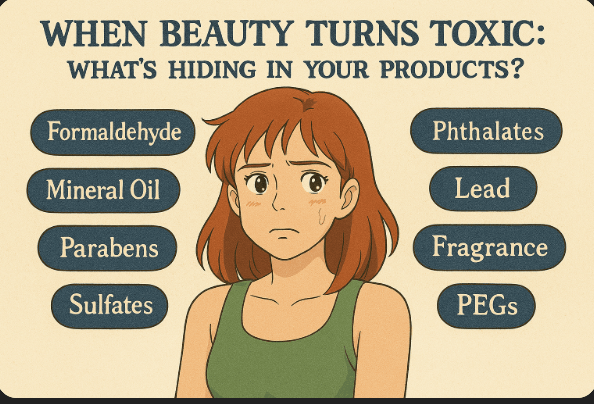
  • When Beauty Turns Toxic: What’s Hiding in Your Products? 🧴🚫

    Recently, several beauty and personal care products have been recalled due to the presence of hazardous ingredients. Some acne treatments and hair styling products were found some substances linked to hormone disruption and reproductive harm and more. These recalls were initiated following safety concerns uncovered. Consumers are advised to discontinue use and check for lot numbers or expiration dates to ensure product safety.

    When it comes to beauty, we all want products that not only make us look good but also keep us safe. But a recent analysis has dropped a truth bomb on the industry, revealing that 60% of over 4,000 beauty products marketed toward consumers contain at least one moderately hazardous ingredient—and most contain multiple. 😱 This isn’t just an isolated issue—it’s part of a much bigger, systemic problem that’s putting our health at risk every single day.
    What’s Really Inside Your Products?

    Many of the ingredients in everyday beauty staples—like hair straighteners, skin-lightening creams, and conditioners—carry moderate to high health risks. Formaldehyde, for example, is a known hormone disruptor used to preserve bodies (yes, embalming fluid!), but it’s also found in some hair products.
    Another danger? Quats, often found in conditioners, are linked to reproductive harm and more. Then there’s isothiazolinones, preservatives that can damage your respiratory system.
    The most alarming of all? Products that list “fragrance” on the label—a vague, catch-all term for thousands of chemicals, many with severe health risks, including hormone disruption, fertility issues and more. One specific fragrance compound, lilial, is banned in the EU for its fertility-harming properties.


    Why This Matters 🧬
    Repeated exposure to these toxins may contribute to higher rates of hormone imbalance, reproductive issues, Eczema, Psoriasis and more especially among marginalized groups who are disproportionately marketed these products. The real danger is in daily use—the cumulative effect of layering multiple products laced with hazardous chemicals builds up over time, increasing health risks.

    Any Progress at All?
    There’s a sliver of good news: eight of the nine most dangerous ingredients flagged in a 2016 study have declined in use, including a 6% drop in parabens—a common preservative linked to reproductive harm. But progress is painfully slow, and the beauty industry continues to fall short in protecting consumers.
    Some countries are stepping up with laws banning toxic ingredients, forcing brands to rethink their formulations. Since companies can’t easily produce different formulas for different regions, this creates pressure for national reform—and that could be a game changer.
    Benefits of Going Clean 🧴✨

    Reduce health risks like hormone disruption, respiratory issues, and reproductive harm.
    Your skin and hair thrive with gentler, natural ingredients.
    Feel good knowing you’re supporting ethical and sustainable brands.
    But Let’s Be Real… Drawbacks Exist Too 😓
    Non-toxic products can be more expensive.
    Natural alternatives sometimes don’t perform the same.

    Learn to Decode labels of Products
    Decoding labels is hard—“fragrance” hides a chemical cocktail, and not all brands disclose everything.
    How to Stay Safe 💡
    To keep yourself safe from harmful beauty products, follow these essential steps:

    Stay Informed
    Follow regulatory updates and support safer beauty standards by voicing concerns to brands and lawmakers. Your choices help shift the industry toward safer formulations.

    Read Ingredient Labels Carefully
    Avoid products with vague terms like “fragrance” or known harmful ingredients such as parabens, formaldehyde-releasing agents, phthalates, quats, and benzene.

    Use Trusted Safety Databases
    Before buying, check products on platforms like the bdazlai Ingredient Database and other for safety ratings and ingredient breakdowns.

    Choose Fragrance-Free or Transparent Brands
    Opt for fragrance-free or brands that fully disclose ingredient sources, especially for sensitive skin or daily-use items.

    Start Transitioning to Clean Beauty
    Gradually switch to non-toxic, clean beauty products that use gentle, plant-based ingredients and avoid harmful chemicals.

    Bonus Tip 💡
    Patch test new products to check for allergic reactions, especially if you have sensitive skin or pre-existing conditions.
    Your health is worth protecting—glow safely, not hazardously. ✨💬 Let’s Talk! Have you made the switch to clean beauty? What’s been your experience with product safety? Drop your thoughts, faves, or horror stories in the comments—we’re in this together.
    📲 Follow for More: Stay updated on beauty, wellness, and personal care tips by following us on [Instagram]. Let’s glow safely and authentically, together. 💖

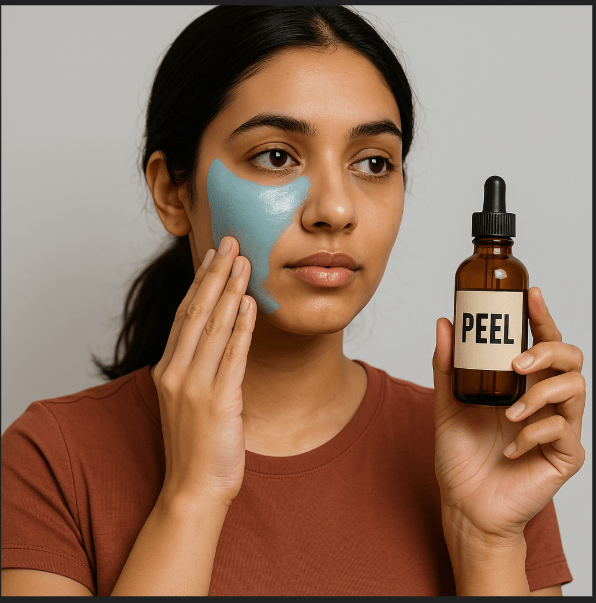
  • How to Safely Do an At-Home Chemical Peel

    Everything You Need to Know for Radiant, Healthy Skin
    Chemical peels have been used for decades to enhance skin texture, fade hyperpigmentation, and promote cell renewal. While professional treatments can deliver dramatic results, at-home peels offer a convenient and budget-friendly alternative—if done correctly. However, using them improperly can lead to irritation, burns, and long-term skin damage.

    If you’re considering an at-home chemical peel, here’s everything you need to know to get all the benefits without the burn.

    What Is a Chemical Peel?
    A chemical peel is a treatment that exfoliates the skin by using acids to dissolve dead skin cells, revealing a brighter, smoother complexion. Unlike physical exfoliants, which use scrubs or brushes to remove dead skin, chemical peels work by loosening the bonds between skin cells, allowing them to shed naturally.

    Common Acids Used in Chemical Peels
    Different acids target different skin concerns. Here’s a simple guide to choosing the right one for your skin type:
    For Acne-Prone Skin → Look for beta hydroxy acids (BHAs) like salicylic acid that penetrate deep into pores and help prevent breakouts.
    For Hyperpigmentation & Scarring → Alpha hydroxy acids (AHAs) such as glycolic acid help fade dark spots and acne scars by increasing skin turnover.
    For Fine Lines & Wrinkles → Lactic acid works to hydrate the skin while encouraging collagen production, improving elasticity.
    For Uneven Texture & Dullness → Mandelic acid is a gentler exfoliant that smooths skin texture and brightens dull complexions.
    It’s important to note that higher acid concentrations do not mean better results. More isn’t always better—sometimes, it’s riskier.

    Choosing the Right At-Home Peel Format
    At-home peels come in various formats, and choosing the right one depends on your comfort level and skin sensitivity.
    Peel Pads – Easy to use and mess-free, these are ideal for beginners and sensitive skin types.
    Overnight Serums – Designed for gradual exfoliation, perfect for those looking for slow, steady improvement.
    Toners & Peeling Solutions – These typically contain higher acid concentrations for deeper exfoliation, recommended for those with experience using acids.
    Multistep Kits – These offer a complete system, often including neutralizers or hydrating post-peel treatments.

    How to Safely Use an At-Home Peel
    ✅ 1. Perform a Patch Test
    Before applying any peel to your face, test it behind your ear or on your wrist. This helps prevent unexpected reactions.
    ✅ 2. Start with Clean, Dry Skin
    Wash your face with a gentle cleanser and pat dry before applying the peel. Avoid using any scrubs or exfoliants beforehand.
    ✅ 3. Apply the Peel Carefully
    Follow the instructions and apply a thin, even layer, avoiding sensitive areas like the eyes, lips, and nostrils.
    ✅ 4. Follow the Recommended Time Limit
    Leaving a peel on for too long won’t increase its effectiveness—it will only increase irritation and peeling. Stick to the recommended time.
    ✅ 5. Hydrate & Soothe Your Skin
    After a peel, apply a hydrating serum or moisturizer with ingredients like hyaluronic acid, ceramides, or aloe vera to help calm the skin.
    ✅ 6. Always Use Sunscreen
    Chemical peels make your skin more sensitive to UV rays, so wearing broad-spectrum sunscreen (SPF 30 or higher) daily is non-negotiable.
    What to Avoid When Using a Chemical Peel

    🚫 Physical Exfoliants & Scrubs – Using scrubs on the same day as a peel can lead to over-exfoliation and irritation.
    🚫 Retinoids & Strong Actives – Retinol, tretinoin, or strong vitamin C serums can increase skin sensitivity, leading to redness and flaking.
    🚫 Benzoyl Peroxide & Acne Treatments – Combining peels with these ingredients can cause excessive dryness and peeling.
    If you experience severe redness, burning, or prolonged irritation, stop using the product immediately and allow your skin to recover before trying another exfoliating treatment.

    Which Peels Should You Avoid Using at Home?
    Not all chemical peels are safe for at-home use. The FDA has issued warnings about certain products containing extremely high acid concentrations, which can cause chemical burns, deep tissue damage, and permanent scarring.

    Avoid Peels That Contain:
    TCA (Trichloroacetic Acid) over 10% – High concentrations should only be used by professionals.
    Glycolic Acid above 30% – Can cause severe irritation and burns.
    Lactic Acid above 10% – Excessive strength can disrupt the skin barrier.
    100% Pure Acids – These are meant for professional use only and should never be applied at home.

    For the safest results, always follow concentration guidelines and opt for reputable products with clearly labeled percentages.

    Final Thoughts: Smart, Safe, and Effective Peeling
    At-home chemical peels can be an amazing addition to your skincare routine when used responsibly. They help with exfoliation, acne, hyperpigmentation, and fine lines—but they must be used correctly to avoid damage.
    ✔ Start slow and listen to your skin.
    ✔ Use hydrating and barrier-repair products after your peel.
    ✔ Wear SPF daily to protect your new skin.
    With the right approach, an at-home peel can help you achieve smooth, radiant skin—without irritation or risks.
    Would you like more expert guidance on choosing the right skincare for your needs? Let AI-powered personalization help you make safe, effective beauty choices tailored just for you.

    🌿 Because great skin starts with great decisions! 💖

  • Vitamin C in Skincare – Understanding Its Different Forms and Benefits 🍊✨

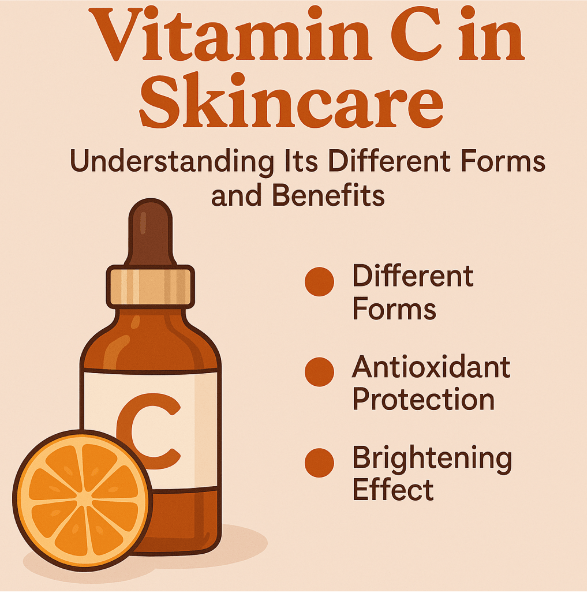
    Vitamin C is a powerhouse ingredient in skincare, known for its brightening, antioxidant, and collagen-boosting properties. However, not all Vitamin C formulations are created equal! The image above breaks down the different types of Vitamin C and their unique benefits, helping you make an informed choice for your skincare routine.


    The Star: Ascorbic Acid 🌟
    Ascorbic acid, also known as L-ascorbic acid, is the purest and most potent form of Vitamin C. It is widely celebrated for:
    Strong antioxidant protection – Neutralizes free radicals and protects against environmental damage.
    Skin brightening – Helps fade dark spots and hyperpigmentation.
    Collagen stimulation – Supports skin elasticity and reduces fine lines.
    The downside? Ascorbic acid is unstable and oxidizes quickly, meaning it can lose its effectiveness if not stored properly. It also works best at a low pH, which might be too harsh for sensitive skin.
    Vitamin C Derivatives: Gentler & More Stable Alternatives
    Since ascorbic acid can be tricky to formulate, many brands use Vitamin C derivatives that are more stable and gentler on the skin.

    These derivatives offer unique benefits:
    Sodium Ascorbyl Phosphate (SAP) 🛡️ – A water-soluble form of Vitamin C that is known for its antioxidant and acne-fighting properties. It converts into ascorbic acid on the skin and is much more stable than pure Vitamin C.


    Magnesium Ascorbyl Phosphate (MAP) 💧 – A hydrating and stable derivative that helps brighten the skin while being gentle enough for sensitive skin types.


    Tetrahexyldecyl Ascorbate (THD Ascorbate) 🌿 – An oil-soluble form of Vitamin C that penetrates deeper into the skin, making it highly effective for collagen production and reducing hyperpigmentation.


    Ascorbyl Glucoside 🌊 – A mild and stable form of Vitamin C that gradually converts to ascorbic acid, making it suitable for sensitive skin.


    Ascorbyl Tetraisopalmitate ✨ – An oil-soluble derivative that works well for moisturizing the skin while delivering brightening benefits.


    3-O-Ethyl Ascorbic Acid ❓ – A relatively new derivative with promising antioxidant and brightening effects, but more research is needed to confirm its full benefits.


    Choosing the Right Vitamin C for Your Skin 🧴
    For sensitive skin – Opt for MAP, THD Ascorbate, or Ascorbyl Glucoside for a gentle yet effective glow.
    For oily or acne-prone skin – SAP is a great choice due to its ability to fight breakouts while brightening the skin.
    For deep penetration and long-term benefits – THD Ascorbate and Ascorbyl Tetraisopalmitate are excellent as they are oil-soluble and absorb well into the skin.
    For maximum potency – If your skin can tolerate it, ascorbic acid in a well-formulated serum (with ferulic acid and vitamin E) will deliver the most powerful results.

    Final Thoughts
    Vitamin C is a must-have in any skincare routine, but choosing the right type for your skin concerns is key! Whether you go for pure ascorbic acid or a gentler derivative, incorporating Vitamin C can brighten your complexion, protect against environmental damage, and boost collagen for youthful skin.

    Vitamin C TypeSolubilityStabilityKey BenefitsBest For
    Ascorbic Acid (L-Ascorbic Acid)Water-solubleLow (oxidizes easily)Brightens skin, reduces hyperpigmentation, boosts collagen, strong antioxidantNormal to oily skin, not ideal for sensitive
    Sodium Ascorbyl Phosphate (SAP)Water-solubleHighAntioxidant, fights acne, brightens skin, converts to ascorbic acidOily/acne-prone, sensitive skin
    Magnesium Ascorbyl Phosphate (MAP)Water-solubleHighHydrating, brightening, gentle antioxidantDry, sensitive, and mature skin
    Tetrahexyldecyl Ascorbate (THD Ascorbate)Oil-solubleVery HighDeep penetration, collagen support, reduces pigmentationAll skin types, including sensitive
    Ascorbyl GlucosideWater-solubleHighMild brightening, antioxidant, suitable for sensitive skinSensitive skin, daily use
    Ascorbyl TetraisopalmitateOil-solubleHighMoisturizing, brightens, antioxidant, improves skin textureDry and sensitive skin, anti-aging focus
    3-O-Ethyl Ascorbic AcidWater-solubleModerate to HighBrightening, antioxidant, possibly anti-inflammatory (research still growing)All skin types, especially uneven tone


    💡 Pro Tip: Always use it in the morning, pair Vitamin C with sunscreen ☀️ to maximize its benefits and prevent oxidation on the skin!


    Have you tried any of these Vitamin C forms? Which one works best for you? Let us know in the comments! And don’t forget to follow us for more skincare insights! ✨😊

  • The Ultimate Anti-Aging Skincare Routine: Simple 6 Steps Derms Swear By

    Aging is a natural part of life, but premature aging? That’s something you can control. Forget the hype of trendy miracle creams—true anti-aging skincare is rooted in consistency, proven ingredients, and healthy lifestyle habits. Whether you’re just noticing fine lines or looking to refresh your routine, this dermatologist-backed 6-step guide will help you maintain youthful, glowing skin for years to come.

    Step 1: Cleanse Gently – Start with a Clean Slate 🧼
    A gentle cleanser removes dirt, oil, and pollutants without stripping your skin of essential moisture. Harsh scrubbing or strong soaps can damage the skin barrier, accelerating aging.

    Expert Tip:
    Use lukewarm water and a mild, non-foaming cleanser that preserves the skin’s natural oils. Avoid products that leave your skin feeling tight.

    Step 2: Antioxidant Serum – Protect and Brighten with Vitamin C 🍊
    Vitamin C (Ascorbic Acid) is a powerful antioxidant that neutralizes free radicals from UV rays and pollution—two major contributors to skin aging. It also brightens skin tone and stimulates collagen production for firmer skin.

    Pro Picks:
    Pure L-Ascorbic Acid (for potent results) or
    Magnesium Ascorbyl Phosphate (MAP) or
    Tetrahexyldecyl Ascorbate (THD) for sensitive skin
    Expert Tip:
    Apply in the morning before sunscreen. Pair with Vitamin E and Ferulic Acid for enhanced antioxidant protection.

    Step 3: Retinoids – The Gold Standard for Wrinkles & Texture
    Retinoids (Vitamin A derivatives) are clinically proven to reduce fine lines, improve texture, and boost collagen. They accelerate cell turnover, fading dark spots and smoothing skin.

    Types to Try:
    Retinol – Best for beginners
    Retinal (Retinaldehyde) – Potent, faster-acting
    Tretinoin (Retinoic Acid) – Prescription strength
    Adapalene – Great for acne and aging
    Expert Tip:
    Start 2–3 nights a week, then increase frequency. Always moisturize after applying retinoids and use SPF daily—retinoids increase sun sensitivity.

    Step 4: Moisturize – Lock in Hydration 💧
    A moisturizer helps maintain your skin’s barrier, reducing dryness and the appearance of fine lines. Hydrating ingredients plump the skin, while ceramides repair and protect.

    Key Ingredients:
    Hyaluronic Acid – Attracts moisture
    Ceramides – Strengthens skin barrier
    Glycerin – Humectant that draws in water
    Expert Tip:
    Apply on damp skin to maximize hydration. In dry climates or winter, opt for a richer cream.

    Step 5: Sunscreen – Your #1 Anti-Aging Shield ☀️
    Dermatologists agree: Daily sunscreen is the most important anti-aging product. UV rays cause up to 80% of visible aging, including wrinkles, dark spots, and sagging.

    What to Look For:
    Broad-spectrum SPF 30+
    Zinc Oxide or Titanium Dioxide (for sensitive skin)
    Water-resistant if sweating or swimming
    Expert Tip:
    Apply every morning, even on cloudy days. Reapply every 2–3 hours if outdoors.

    Step 6: Weekly Treatments – Exfoliate for Glow 🌟
    Exfoliation helps remove dead skin cells and boosts the effectiveness of other products. Chemical exfoliants like AHAs (e.g., glycolic acid, lactic acid) promote radiance and reduce fine lines.

    Expert Tip:
    Use 1–2 times per week. Avoid scrubs—opt for gentle exfoliants especially if using retinoids.

    Bonus: Lifestyle Habits for Youthful Skin 🥗💤💧
    Anti-aging isn’t just topical—it’s whole-body care. Dermatologists recommend these lifestyle essentials:

    Eat antioxidant-rich foods (berries, leafy greens, nuts)
    Stay hydrated – 8+ glasses of water daily
    Get quality sleep – 7–9 hours per night for optimal skin repair
    Exercise regularly – boosts circulation and collagen
    Avoid smoking and limit alcohol – both accelerate aging and dehydrate skin
    Manage stress – chronic stress depletes collagen and elasticity
    Final Thoughts
    A glowing, youthful complexion comes from smart skincare, consistency, and healthy living. Focus on proven ingredients like retinoids, vitamin C, peptides, and sun protection, and you’ll see visible results over time. Remember: simple is powerful—build a routine you can stick to, and your skin will thank you for years to come.

    🌟 What’s your must-have anti-aging ingredient? Share in the comments & follow us for more skincare tips!

  • Pollution Protection – How to Keep Your Skin & Hair Healthy in a Polluted World 🌆

    Urban life comes with its fair share of challenges, and pollution is one of the biggest culprits behind skin and hair damage. From dust and smoke to harmful UV rays and toxic chemicals, pollutants can clog pores, cause premature aging, and make hair dull and brittle. But don’t worry—there are ways to fight back and maintain that natural glow! Here’s how to protect your skin and hair from pollution and what to look for in your beauty products.


    Skin Care: Shield & Repair 🧴💆‍♀️
    Deep Cleansing is Key: Pollution particles are tiny and can settle deep into your skin, leading to breakouts and dullness. A gentle sulfate-free cleanser with charcoal, salicylic acid, or micellar water can help remove impurities without stripping your skin’s natural oils.
    Antioxidants to the Rescue: Free radicals from pollution accelerate aging, causing fine lines and pigmentation. Look for products containing Vitamin C, Vitamin E, green tea extract, or niacinamide to neutralize damage and keep your skin youthful.
    Hydration & Barrier Protection: Pollution weakens your skin’s natural barrier. A hyaluronic acid-based moisturizer locks in hydration, while ceramides and squalane strengthen your skin’s defense. Sunscreen Every Day! UV rays mixed with pollution worsen skin damage. Use a broad-spectrum SPF 30 or higher sunscreen with added blue light protection to shield your skin from oxidative stress.
    Weekly Exfoliation: A mild AHA/BHA exfoliant or a natural scrub with papaya or oatmeal can remove dead skin cells and unclog pores, keeping your complexion bright and healthy.


    Hair Care: Pollution-Proof Your Locks 💇‍♀️✨
    Cleanse Without Overwashing: Shampooing every day can strip natural oils, but skipping washes allows pollutants to build up. Opt for a gentle, sulfate-free shampoo with aloe vera or tea tree oil to remove toxins while keeping your scalp balanced.
    Condition & Nourish: Pollution weakens hair strands, making them prone to breakage. A deep-conditioning mask with keratin, argan oil, or shea butter strengthens hair and restores shine.
    Serums & Leave-Ins for Protection: Before stepping out, apply a lightweight serum with silicone or UV filters to form a protective barrier against dirt and environmental aggressors.


    DIY Hair Detox: A simple apple cider vinegar rinse (diluted with water) removes product buildup and pollution residues, keeping your scalp fresh and clean.


    Dealing with Tan & Uneven Skin Tone ☀️🍊
    Lemon & Honey Mask: A natural remedy that gently brightens skin and fades tan while keeping it hydrated.
    Aloe Vera Gel: Soothes sunburn, reduces redness, and helps restore your skin’s natural tone.
    Turmeric & Yogurt Pack: A powerful combo to even out skin tone and remove dullness.
    Kojic Acid & Licorice Extract: Found in many skincare products, these ingredients work wonders in reducing hyperpigmentation and sun damage.
    Vitamin C Serums: They boost skin radiance, fade dark spots, and provide protection from further damage.


    💡 Pro Tip: Drink plenty of water, eat antioxidant-rich foods, and always remove makeup before bed to keep your skin and hair fresh and pollution-free!

    What’s your go-to pollution protection routine? Share your thoughts in the comments! 💬✨ Don’t forget to follow for more skincare and haircare tips. 💕

  • Peptides 101: Unlocking the Power of Anti-Aging Skincare

    When it comes to modern skincare, few ingredients have generated as much excitement as peptides. These powerful molecules play a crucial role in skin health, offering a wide range of benefits, from collagen production to hydration and even reducing hyperpigmentation. But with so many different types of peptides available, it can be overwhelming to know which ones to look for in skincare products.

    In this guide, we break down the different types of peptides, their benefits, and where you can find them.


    What Are Peptides?
    Peptides are short chains of amino acids that serve as building blocks for proteins like collagen, elastin, and keratin, all essential for maintaining youthful and healthy skin. As we age, our natural peptide production declines, leading to wrinkles, sagging, and dehydration. Incorporating peptides into your skincare routine can help stimulate collagen production, enhance skin repair, and improve elasticity.


    Types of Peptides and Their Benefits

    1. Signal Peptides (Collagen-Boosting)
      These peptides stimulate collagen production, reducing fine lines and wrinkles while improving skin firmness.
      🧴 Best for: Fine lines, wrinkles, loss of firmness
      🔬 Examples: Palmitoyl Tripeptide-1, Palmitoyl Tetrapeptide-7, Hexapeptide-9
    2. Elasticity-Enhancing Peptides
      These peptides help improve skin structure and resilience, making it firmer and more elastic.
      🧴 Best for: Strengthening sagging skin
      🔬 Examples: Tripeptide-31, Tetrapeptide-30, Palmitoyl Tripeptide-5
    3. Barrier-Repair Peptides
      These peptides strengthen the skin’s barrier, reducing redness and irritation.
      🧴 Best for: Sensitive skin, reducing redness
      🔬 Examples: Palmitoyl Tripeptide-8, Acetyl Tetrapeptide-2
    4. Brightening Peptides
      Brightening peptides help reduce hyperpigmentation, dark spots, and uneven skin tone.
      🧴 Best for: Dark spots, uneven skin tone
      🔬 Examples: Oligopeptide-1, Nonapeptide-1, Tetrapeptide-30, Soy & Rice Peptides
    5. Hydration-Boosting Peptides
      These peptides enhance moisture retention, keeping the skin plump and hydrated.
      🧴 Best for: Deep hydration, moisture retention
      🔬 Examples: Acetyl Hexapeptide-37, Palmitoyl Tetrapeptide-76. Neurotransmitter Peptides (Muscle-Relaxing)
      These peptides help relax expression lines, offering a Botox-like effect without injections.
      🧴 Best for: Reducing expression lines
      🔬 Examples: SNAP-8 Peptide, Dipeptide Diaminobutyroyl Benzylamide
    6. Copper Peptides (Carrier Peptides)
      These peptides promote skin healing and improve elasticity, making them ideal for anti-aging and repair.
      🧴 Best for: Skin regeneration, wound healing, elasticity
      🔬 Examples: Copper Tripeptide-1, Manganese Tripeptide-1
    7. Enzyme-Inhibitor Peptides
      These peptides slow down collagen breakdown, preventing fine lines and wrinkles.
      🧴 Best for: Preventing collagen breakdown
      🔬 Examples: Trifluoroacetyl Tripeptide-2, Myristoyl Pentapeptide-17
    8. Wound-Healing Peptides
      These peptides enhance skin recovery, reducing post-inflammatory hyperpigmentation and scarring.
      🧴 Best for: Healing, reducing scars
      🔬 Examples: Acetyl Tetrapeptide-40, Palmitoyl Tripeptide-5
    9. Antioxidant Peptides
      Antioxidant peptides protect the skin from pollution and oxidative stress, preventing premature aging.
      🧴 Best for: Protection against environmental damage
      🔬 Examples: L-Carnosine, Glutathione (GSH), RVLL (Arg-Tyr-Leu-Leu)
      How to Incorporate Peptides in Your Skincare Routine
      Morning Routine: Use antioxidant peptides (like Vitamin C + peptides) for pollution protection.
      Evening Routine: Apply collagen-boosting peptides (Matrixyl, Copper Peptides) to repair and hydrate.
      Pairing: Combine peptides with hydrating ingredients like hyaluronic acid for better absorption.
      Avoid Mixing: Do not use peptides with strong acids (like AHAs) as they can degrade peptide efficacy.
      Final Thoughts
      Peptides are a skincare powerhouse, offering solutions for multiple skin concerns, from hydration to anti-aging and barrier repair. By choosing the right peptides for your skin needs, you can achieve firmer, healthier, and more youthful-looking skin.
      Have you tried peptides in your routine? Let us know your experience in the comments!

  • When Does Skin Start Aging? Spot the Early Signs and Stay Glowy 🌟

    Let’s be real—aging is something we all go through, but when it starts showing on our skin, it hits a little different. Fine lines, dullness, and changes in texture? Yeah, not the vibe. But guess what? Knowing when aging starts and how to spot it early gives you the power to keep that skin looking fresh, plump, and radiant for longer 💁‍♀️💧

    Let’s dive into when aging really starts, what signs to look out for, and how to show your skin some extra love 💖.

    So, When Does Skin Actually Start Aging? 😮
    Most people think skin aging starts in your 40s or 50s—but plot twist—it actually starts around age 25. Yup, that young. That’s when your skin slows down its natural glow-up process. Your body begins to produce less collagen, elastin, and hyaluronic acid—aka the dream team that keeps your skin firm, hydrated, and bouncy.

    In your 30s, you might notice less elasticity. By your 40s, skin often feels drier, and wrinkles become more noticeable. But here’s the kicker: your lifestyle matters. Things like sun exposure, stress, and lack of sleep can make your skin age faster than your actual age. Not cool, right?

    First Signs of Aging: What to Look For 👀✨
    Fine Lines & Wrinkles
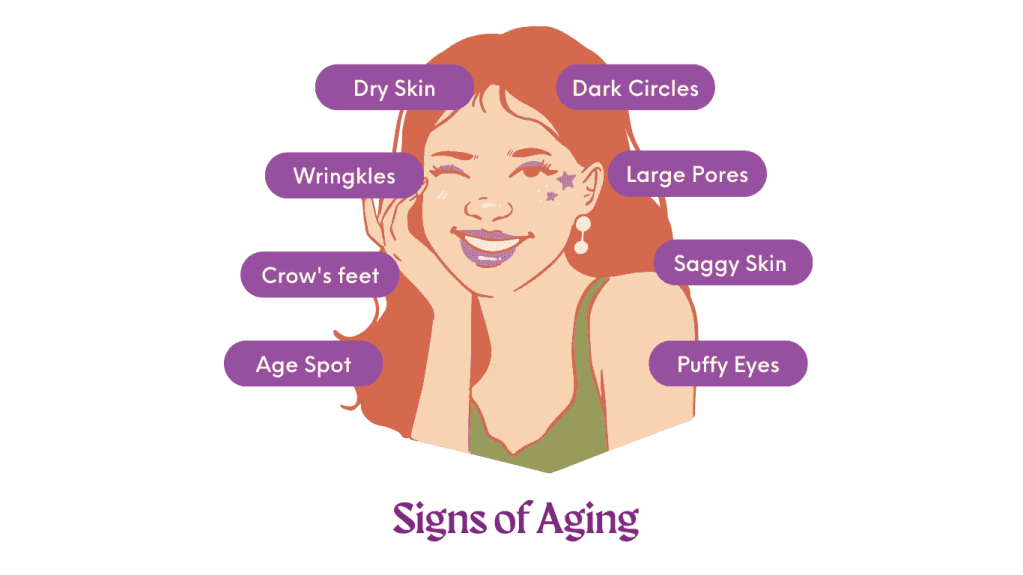
    Those little lines on your forehead or around your eyes (hello, crow’s feet 👋) usually show up in your late 20s or early 30s. Sun exposure and smoking? They’ll speed it up even more. Pro tip: wear sunscreen daily, even if it’s cloudy!

    Dark Spots (aka Hyperpigmentation)
    Spots or patches that are darker than your regular skin tone often come from too much sun or hormonal changes. You might notice these in your 30s or 40s, but if you’re a sun lover, they can show up sooner.

    Dry, Dull Skin
    As your skin produces less natural oil, it can look tired and feel dry. This usually kicks in during your 30s. Exfoliate gently and keep your skin hydrated to bring back that glow ✨.

    Loss of Firmness
    Less collagen = less bounce. Skin might start to feel a little loose or saggy, especially if you’re often in the sun or not moisturizing enough. Look for products with hyaluronic acid or peptides to help tighten things up.

    Less Volume in the Face
    Flat cheeks or hollow eyes? That’s a sign of fat loss under the skin, which happens more in your 40s. But lifestyle factors can make it happen earlier. Healthy fats in your diet and proper hydration can help.

    What Speeds Up Skin Aging? 🚩
    Let’s talk about what can make your skin age faster than it should:

    Too much sun (UV rays = skin’s worst enemy ☀️)
    Not drinking enough water or eating junk food 🥤🍟
    Smoking (even socially 🚬)
    Not sleeping well or living with chronic stress 😴💼
    Skipping your skincare routine (cleanse, hydrate, protect—every day!)
    Skin-Loving Ingredients You’ll Want in Your Routine 💦🌿
    Want to keep your skin glowing and slow down the signs of aging? These ingredients are your BFFs:

    Vitamin C: Brightens and evens skin tone.
    Retinol: Fades fine lines and boosts collagen.
    Hyaluronic Acid: Adds major hydration.
    Niacinamide: Smooths skin and reduces redness.
    Peptides: Help firm and strengthen the skin.
    Real Talk: Aging is Natural, But You’re in Control 🧡
    Your skin is always changing, and that’s normal. But you don’t have to let it age before its time. With the right care (hello, SPF and hydration!), balanced living, and a skincare routine that works for you, you can keep your skin looking youthful and healthy for years to come.

    📝 Tags: #GlowUp #AntiAgingTips #SkincareRoutine #HealthySkin #YouthfulGlow
    📂 Categories: Everyday Skincare, Anti-Aging Hacks, Real Skin Talk

    💬 Let’s chat! When did you first notice changes in your skin? Share your experience or ask any questions in the comments!
    📲 Follow us on social media @bdazlaibeauty for more skincare tips, product recs, and beauty talk that actually makes sense 💕