
Tag: toxicfree

  • 💅 The Truth About Nail Polish: What’s Lurking in Your Mani?

    Meta Title: Nail Polish & Gel Polish: Hidden Toxins, Remover Risks & How to Repair Damaged Nails
    Meta Description: Discover the truth about regular and gel nail polish, toxic ingredients in removers, aftercare tips, and how to choose safer nail products for healthy, beautiful nails.


    1. Regular vs. Gel Nail Polish: What’s the Difference?

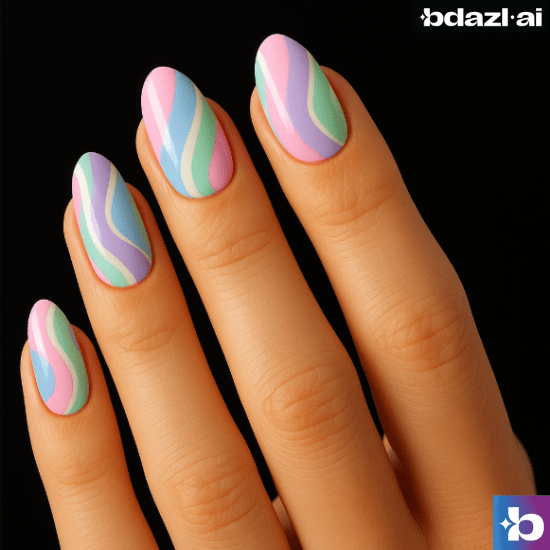
    • Regular Nail Polish is quick to apply and air-dries, but chips easily (within 3–7 days).
    • Gel Nail Polish lasts 2–3 weeks and must be cured under UV or LED light, offering durability at the cost of removal challenges.

    Both types often contain toxic ingredients unless labeled as “3-free,” “5-free,” or more.


    2. The Hidden Toxins in Your Polish

    Beware of the Toxic Trio:

    • Toluene – Affects the nervous system.
    • Formaldehyde – A known carcinogen and nail hardener.
    • Dibutyl Phthalate (DBP) – Linked to hormone disruption and reproductive harm.

    Also commonly found:

    • Camphor, Ethyl Tosylamide, Parabens
    • Petroleum-derived polymers in gel polish
    • Fragrance allergens not always disclosed

    3. What’s Inside Nail Polish Removers?

    • Acetone-based removers strip natural oils, weaken nails, and irritate skin and lungs with frequent use.
    • Non-acetone removers often contain ethyl acetate, which is less aggressive but still drying.

    Gel polish removers are harsher and often require:

    • Soaking for 10–20 minutes
    • Filing the surface of the nail
    • Aluminum wraps + acetone → major dehydration risk

    4. How Nail Products Can Damage Your Nails

    Overuse of nail polish, gel, or removers can lead to:

    • Peeling, thinning, cracking
    • Discoloration
    • Inflamed cuticles and nail beds
    • White spots (keratin granulations)
    • Fungal infections or allergies to acrylates

    5. What to Look Out For in Safe Nail Products

    ✅ Look for these on the label:

    • 3-Free, 5-Free, 10-Free, or 13-Free” – Fewer harmful chemicals
    • Certified Cruelty-Free or Vegan
    • No fragrance or phthalates
    • Avoid acrylates (especially if allergic)
    • Acetone-free removers with natural oils

    Avoid greenwashing! Terms like “natural” or “non-toxic” are often unregulated. Use ingredient scanners like bdazlai to verify.

    6. Gel Polish: When It’s Too Much

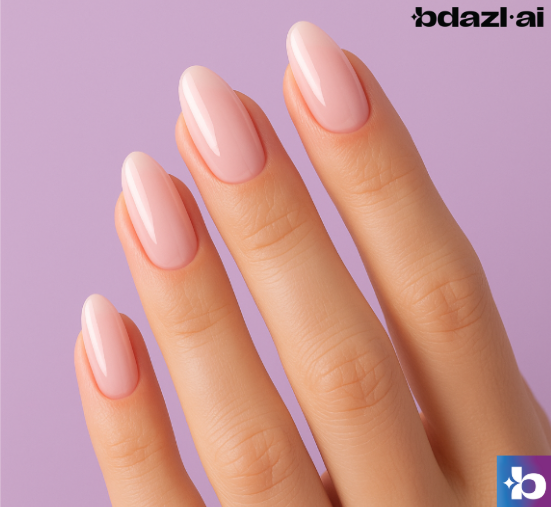
    While gel nails look glossy and last long, they come with serious risks:

    • UV exposure from curing can accelerate aging and increase skin cancer risk.
    • Acrylates in gel polish are allergens and irritants.
    • Removal damage is common – scraping, buffing, peeling.

    💡 Tip: Use fingerless gloves during UV curing to protect your skin.


    7. Aftercare for Damaged Nails

    🌿 What to Do:

    • Take breaks between manicures.
    • Apply cuticle oils (jojoba, vitamin E) daily.
    • Use biotin supplements and a healthy diet.
    • Avoid filing too thin or buffing natural nails.
    • Apply nail strengtheners with proteins or calcium.
    • Wear gloves during housework and while using acetone.

    Recommended DIY soak:
    🛁 Warm olive oil + a few drops of tea tree oil = deep nourishment.


    8. Safer Alternatives to Try

    • Water-based polishes – Free of the toxic trio and odorless.
    • Breathable polishes – Let oxygen and moisture through the nail plate.
    • Japanese manicures – Natural buffing with beeswax-based pastes.
    • BIAB (Builder in a Bottle) – Strengthens nails with fewer removals.

    9. Quick Comparison Table

    FeatureRegular PolishGel Polish
    Durability3–7 days2–3 weeks
    UV/LED RequiredNoYes
    RemovalEasy with removerRequires soaking/buffing
    Risk of DamageMediumHigh (especially removal)
    Harmful IngredientsToluene, DBP, FormaldehydeAcrylates, methacrylates
    Healthier Alternatives5-Free polish, breathableBIAB, Japanese manicure

    10. Final Thoughts: Healthy Nails, Healthy Choices

    Whether you love classic reds or trendy chrome gels, your nails—and health—deserve transparency. Always read ingredient lists, avoid harsh removers, and take regular polish breaks.

    Trust science-backed tools like bdazlai to decode nail product ingredients and avoid harmful chemicals.
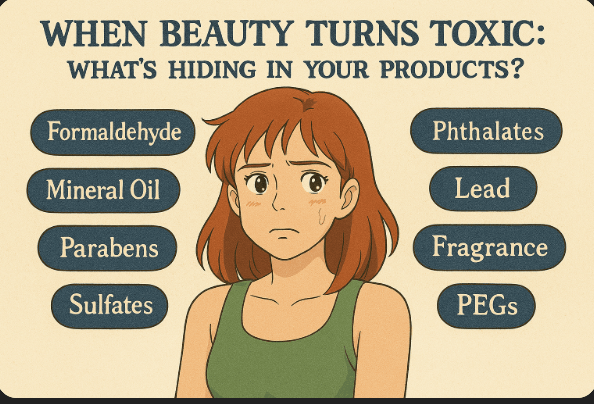
  • When Beauty Turns Toxic: What’s Hiding in Your Products? 🧴🚫

    Recently, several beauty and personal care products have been recalled due to the presence of hazardous ingredients. Some acne treatments and hair styling products were found some substances linked to hormone disruption and reproductive harm and more. These recalls were initiated following safety concerns uncovered. Consumers are advised to discontinue use and check for lot numbers or expiration dates to ensure product safety.

    When it comes to beauty, we all want products that not only make us look good but also keep us safe. But a recent analysis has dropped a truth bomb on the industry, revealing that 60% of over 4,000 beauty products marketed toward consumers contain at least one moderately hazardous ingredient—and most contain multiple. 😱 This isn’t just an isolated issue—it’s part of a much bigger, systemic problem that’s putting our health at risk every single day.
    What’s Really Inside Your Products?

    Many of the ingredients in everyday beauty staples—like hair straighteners, skin-lightening creams, and conditioners—carry moderate to high health risks. Formaldehyde, for example, is a known hormone disruptor used to preserve bodies (yes, embalming fluid!), but it’s also found in some hair products.
    Another danger? Quats, often found in conditioners, are linked to reproductive harm and more. Then there’s isothiazolinones, preservatives that can damage your respiratory system.
    The most alarming of all? Products that list “fragrance” on the label—a vague, catch-all term for thousands of chemicals, many with severe health risks, including hormone disruption, fertility issues and more. One specific fragrance compound, lilial, is banned in the EU for its fertility-harming properties.


    Why This Matters 🧬
    Repeated exposure to these toxins may contribute to higher rates of hormone imbalance, reproductive issues, Eczema, Psoriasis and more especially among marginalized groups who are disproportionately marketed these products. The real danger is in daily use—the cumulative effect of layering multiple products laced with hazardous chemicals builds up over time, increasing health risks.

    Any Progress at All?
    There’s a sliver of good news: eight of the nine most dangerous ingredients flagged in a 2016 study have declined in use, including a 6% drop in parabens—a common preservative linked to reproductive harm. But progress is painfully slow, and the beauty industry continues to fall short in protecting consumers.
    Some countries are stepping up with laws banning toxic ingredients, forcing brands to rethink their formulations. Since companies can’t easily produce different formulas for different regions, this creates pressure for national reform—and that could be a game changer.
    Benefits of Going Clean 🧴✨

    Reduce health risks like hormone disruption, respiratory issues, and reproductive harm.
    Your skin and hair thrive with gentler, natural ingredients.
    Feel good knowing you’re supporting ethical and sustainable brands.
    But Let’s Be Real… Drawbacks Exist Too 😓
    Non-toxic products can be more expensive.
    Natural alternatives sometimes don’t perform the same.

    Learn to Decode labels of Products
    Decoding labels is hard—“fragrance” hides a chemical cocktail, and not all brands disclose everything.
    How to Stay Safe 💡
    To keep yourself safe from harmful beauty products, follow these essential steps:

    Stay Informed
    Follow regulatory updates and support safer beauty standards by voicing concerns to brands and lawmakers. Your choices help shift the industry toward safer formulations.

    Read Ingredient Labels Carefully
    Avoid products with vague terms like “fragrance” or known harmful ingredients such as parabens, formaldehyde-releasing agents, phthalates, quats, and benzene.

    Use Trusted Safety Databases
    Before buying, check products on platforms like the bdazlai Ingredient Database and other for safety ratings and ingredient breakdowns.

    Choose Fragrance-Free or Transparent Brands
    Opt for fragrance-free or brands that fully disclose ingredient sources, especially for sensitive skin or daily-use items.

    Start Transitioning to Clean Beauty
    Gradually switch to non-toxic, clean beauty products that use gentle, plant-based ingredients and avoid harmful chemicals.

    Bonus Tip 💡
    Patch test new products to check for allergic reactions, especially if you have sensitive skin or pre-existing conditions.
    Your health is worth protecting—glow safely, not hazardously. ✨💬 Let’s Talk! Have you made the switch to clean beauty? What’s been your experience with product safety? Drop your thoughts, faves, or horror stories in the comments—we’re in this together.
    📲 Follow for More: Stay updated on beauty, wellness, and personal care tips by following us on [Instagram]. Let’s glow safely and authentically, together. 💖