Tag: youthfulskin

  • Top 10 Best Anti-Aging Serums in India (2025): Ingredients Checked and Skin-Type Matched

    Looking for the best anti-aging serum in India that really works? Whether you’re dealing with fine lines, wrinkles, sagging, or dull skin, choosing the right serum for your skin type, climate, and sensitivity is crucial. We analyzed the top 10 anti-aging serums in India using bdazlai’s ingredient checker — a tool that screens for effective actives and red-flag ingredients like alcohol, BHT, fragrance, and comedogenic oils.

    Let’s decode which anti-aging serum is best for your skin type — with expert recommendations and safe picks for sensitive skin, retinol beginners, and mature skin.


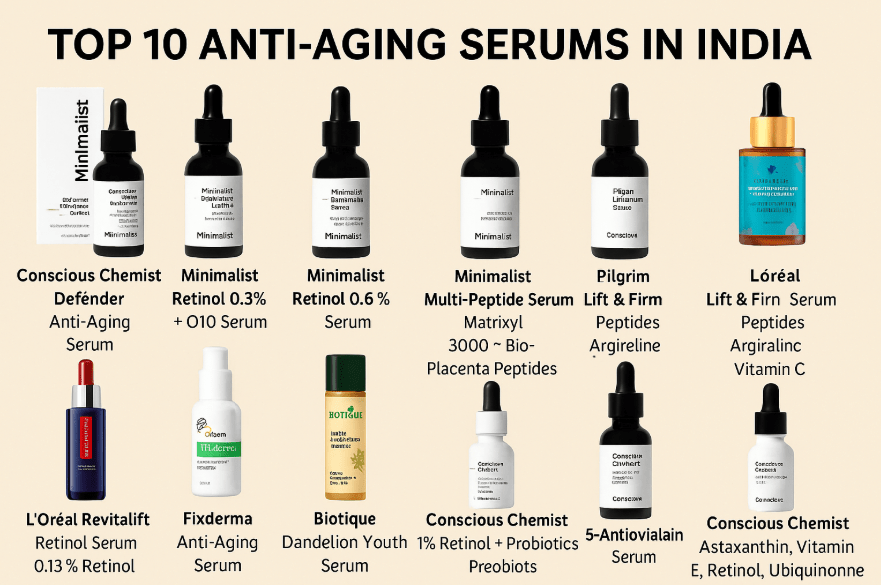
    🥇 Top 10 Anti-Aging Serums in India (2025 Edition)

    #Product NameKey IngredientsAvoid IngredientsSkin TypeBest For Climate
    1Conscious Chemist Defender SerumRetinol (Encapsulated), Copper PeptidesAlcohol, BHT, PhenoxyethanolNormal to Oily, Mature SkinAll Climates
    2Minimalist Retinol 0.3% + Q100.3% Retinol, CoQ10, Bakuchiol, CeramidesBHTNormal to Oily, BeginnersCool or Dry Weather
    3Minimalist Retinol 0.6%0.6% Retinol, CoQ10, Rosehip OilRosehip Oil (comedogenic)Dry to Normal, Not Acne-ProneCool/Dry
    4Minimalist Multi-PeptideMatrixyl 3000, Bio-Placenta PeptidesAll Skin TypesYear-Round
    5Pilgrim Lift & FirmPeptides, Argireline, Vitamin COily to Combo SkinHumid / Monsoon
    6L’Oréal Revitalift Retinol0.13% Retinol, Vitamin B5FragranceAll Except SensitiveAll Year
    7Fixderma Anti-AgingGrowth Factors, PeptidesDry/Mature SkinAll Seasons
    8Biotique Dandelion YouthBotanical Extracts, Vitamin CEssential Oils (Sensitizers)Normal to DryMild Weather
    9Conscious Chemist 1% RetinolHigh Strength Retinol, ProbioticsHigh Retinol = Irritant RiskRetinol-Experienced SkinNight Use
    10Conscious Chemist 5-AntioxidantAstaxanthin, Vit C, Ubiquinone, RetinolRetinol + Vit C (irritation combo)Normal to MatureAll with Moisturizer

    ⚠️ Notable Ingredients to Avoid (Based on bdazlai’s Checker)

    • Alcohol – Found in Defender Serum. Drying in low humidity.
    • BHT – A preservative flagged for long-term hormonal disruption.
    • Phenoxyethanol – Low-risk, but caution for sensitive users.
    • Fragrance – Common allergen; found in L’Oréal Revitalift.
    • Rosehip Oil – Can clog pores in acne-prone skin.
    • Botanical Extracts – In Biotique; patch test if sensitive.

    🧬 Which Anti-Aging Serum Is Best for You?

    Skin Type / ConcernRecommended Serums
    Dry or Mature SkinFixderma, Minimalist 0.3% Q10
    Retinol BeginnersMinimalist 0.3%, L’Oréal Revitalift
    Experienced Retinol UsersMinimalist 0.6%, Conscious Chemist 1%
    Oily/Combination Skin in Humid ClimatePilgrim Lift & Firm Serum
    Sensitive Skin / Herbal LoversBiotique (with patch test)
    Pregnancy-Safe (non-retinol)Minimalist Multi-Peptide, Pilgrim

    🧴 How to Use Anti-Aging Serums for Best Results

    • Start slow with retinol: Use 2–3 times/week at night and increase gradually.
    • Avoid layering with Vitamin C if using retinol at the same time.
    • Always apply SPF in the morning when using actives like retinol, peptides, or Vitamin C.
    • Moisturize generously: Look for ceramides, hyaluronic acid, or glycerin.
    • Patch test any formula with alcohol, fragrance, or essential oils.

    🧠 Final Thoughts

    The best anti-aging serum for Indian skin depends on your skin type, tolerance for actives, and climate. With transparent ingredient screening by bdazlai and usage recommendations tailored to Indian conditions, you can now confidently choose a serum that works hard without harming your skin barrier.

  • Peptides 101: Unlocking the Power of Anti-Aging Skincare

    When it comes to modern skincare, few ingredients have generated as much excitement as peptides. These powerful molecules play a crucial role in skin health, offering a wide range of benefits, from collagen production to hydration and even reducing hyperpigmentation. But with so many different types of peptides available, it can be overwhelming to know which ones to look for in skincare products.

    In this guide, we break down the different types of peptides, their benefits, and where you can find them.


    What Are Peptides?
    Peptides are short chains of amino acids that serve as building blocks for proteins like collagen, elastin, and keratin, all essential for maintaining youthful and healthy skin. As we age, our natural peptide production declines, leading to wrinkles, sagging, and dehydration. Incorporating peptides into your skincare routine can help stimulate collagen production, enhance skin repair, and improve elasticity.


    Types of Peptides and Their Benefits

    1. Signal Peptides (Collagen-Boosting)
      These peptides stimulate collagen production, reducing fine lines and wrinkles while improving skin firmness.
      🧴 Best for: Fine lines, wrinkles, loss of firmness
      🔬 Examples: Palmitoyl Tripeptide-1, Palmitoyl Tetrapeptide-7, Hexapeptide-9
    2. Elasticity-Enhancing Peptides
      These peptides help improve skin structure and resilience, making it firmer and more elastic.
      🧴 Best for: Strengthening sagging skin
      🔬 Examples: Tripeptide-31, Tetrapeptide-30, Palmitoyl Tripeptide-5
    3. Barrier-Repair Peptides
      These peptides strengthen the skin’s barrier, reducing redness and irritation.
      🧴 Best for: Sensitive skin, reducing redness
      🔬 Examples: Palmitoyl Tripeptide-8, Acetyl Tetrapeptide-2
    4. Brightening Peptides
      Brightening peptides help reduce hyperpigmentation, dark spots, and uneven skin tone.
      🧴 Best for: Dark spots, uneven skin tone
      🔬 Examples: Oligopeptide-1, Nonapeptide-1, Tetrapeptide-30, Soy & Rice Peptides
    5. Hydration-Boosting Peptides
      These peptides enhance moisture retention, keeping the skin plump and hydrated.
      🧴 Best for: Deep hydration, moisture retention
      🔬 Examples: Acetyl Hexapeptide-37, Palmitoyl Tetrapeptide-76. Neurotransmitter Peptides (Muscle-Relaxing)
      These peptides help relax expression lines, offering a Botox-like effect without injections.
      🧴 Best for: Reducing expression lines
      🔬 Examples: SNAP-8 Peptide, Dipeptide Diaminobutyroyl Benzylamide
    6. Copper Peptides (Carrier Peptides)
      These peptides promote skin healing and improve elasticity, making them ideal for anti-aging and repair.
      🧴 Best for: Skin regeneration, wound healing, elasticity
      🔬 Examples: Copper Tripeptide-1, Manganese Tripeptide-1
    7. Enzyme-Inhibitor Peptides
      These peptides slow down collagen breakdown, preventing fine lines and wrinkles.
      🧴 Best for: Preventing collagen breakdown
      🔬 Examples: Trifluoroacetyl Tripeptide-2, Myristoyl Pentapeptide-17
    8. Wound-Healing Peptides
      These peptides enhance skin recovery, reducing post-inflammatory hyperpigmentation and scarring.
      🧴 Best for: Healing, reducing scars
      🔬 Examples: Acetyl Tetrapeptide-40, Palmitoyl Tripeptide-5
    9. Antioxidant Peptides
      Antioxidant peptides protect the skin from pollution and oxidative stress, preventing premature aging.
      🧴 Best for: Protection against environmental damage
      🔬 Examples: L-Carnosine, Glutathione (GSH), RVLL (Arg-Tyr-Leu-Leu)
      How to Incorporate Peptides in Your Skincare Routine
      Morning Routine: Use antioxidant peptides (like Vitamin C + peptides) for pollution protection.
      Evening Routine: Apply collagen-boosting peptides (Matrixyl, Copper Peptides) to repair and hydrate.
      Pairing: Combine peptides with hydrating ingredients like hyaluronic acid for better absorption.
      Avoid Mixing: Do not use peptides with strong acids (like AHAs) as they can degrade peptide efficacy.
      Final Thoughts
      Peptides are a skincare powerhouse, offering solutions for multiple skin concerns, from hydration to anti-aging and barrier repair. By choosing the right peptides for your skin needs, you can achieve firmer, healthier, and more youthful-looking skin.
      Have you tried peptides in your routine? Let us know your experience in the comments!

  • When Does Skin Start Aging? Spot the Early Signs and Stay Glowy 🌟

    Let’s be real—aging is something we all go through, but when it starts showing on our skin, it hits a little different. Fine lines, dullness, and changes in texture? Yeah, not the vibe. But guess what? Knowing when aging starts and how to spot it early gives you the power to keep that skin looking fresh, plump, and radiant for longer 💁‍♀️💧

    Let’s dive into when aging really starts, what signs to look out for, and how to show your skin some extra love 💖.

    So, When Does Skin Actually Start Aging? 😮
    Most people think skin aging starts in your 40s or 50s—but plot twist—it actually starts around age 25. Yup, that young. That’s when your skin slows down its natural glow-up process. Your body begins to produce less collagen, elastin, and hyaluronic acid—aka the dream team that keeps your skin firm, hydrated, and bouncy.

    In your 30s, you might notice less elasticity. By your 40s, skin often feels drier, and wrinkles become more noticeable. But here’s the kicker: your lifestyle matters. Things like sun exposure, stress, and lack of sleep can make your skin age faster than your actual age. Not cool, right?

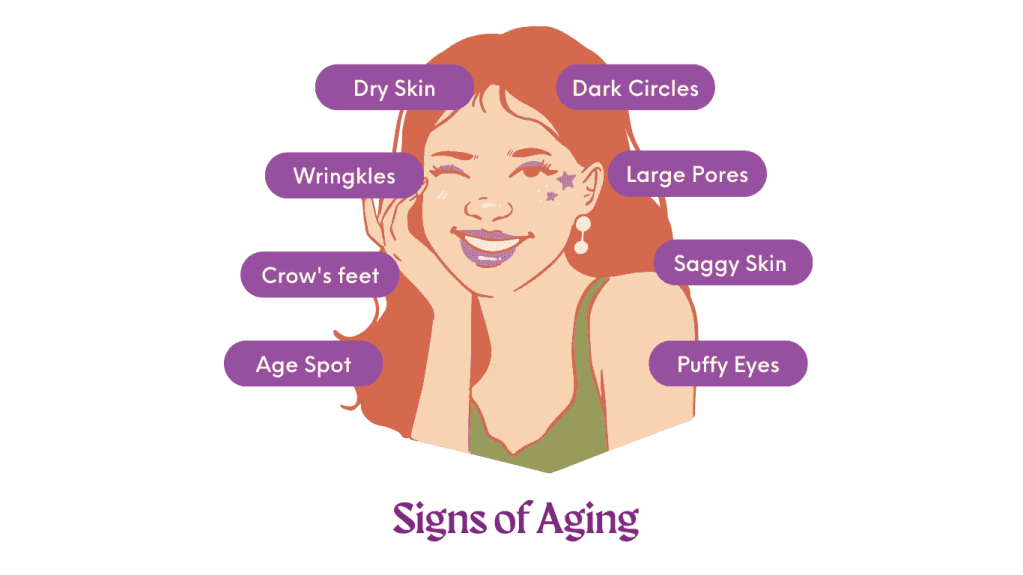
    First Signs of Aging: What to Look For 👀✨
    Fine Lines & Wrinkles
    Those little lines on your forehead or around your eyes (hello, crow’s feet 👋) usually show up in your late 20s or early 30s. Sun exposure and smoking? They’ll speed it up even more. Pro tip: wear sunscreen daily, even if it’s cloudy!

    Dark Spots (aka Hyperpigmentation)
    Spots or patches that are darker than your regular skin tone often come from too much sun or hormonal changes. You might notice these in your 30s or 40s, but if you’re a sun lover, they can show up sooner.

    Dry, Dull Skin
    As your skin produces less natural oil, it can look tired and feel dry. This usually kicks in during your 30s. Exfoliate gently and keep your skin hydrated to bring back that glow ✨.

    Loss of Firmness
    Less collagen = less bounce. Skin might start to feel a little loose or saggy, especially if you’re often in the sun or not moisturizing enough. Look for products with hyaluronic acid or peptides to help tighten things up.

    Less Volume in the Face
    Flat cheeks or hollow eyes? That’s a sign of fat loss under the skin, which happens more in your 40s. But lifestyle factors can make it happen earlier. Healthy fats in your diet and proper hydration can help.

    What Speeds Up Skin Aging? 🚩
    Let’s talk about what can make your skin age faster than it should:

    Too much sun (UV rays = skin’s worst enemy ☀️)
    Not drinking enough water or eating junk food 🥤🍟
    Smoking (even socially 🚬)
    Not sleeping well or living with chronic stress 😴💼
    Skipping your skincare routine (cleanse, hydrate, protect—every day!)
    Skin-Loving Ingredients You’ll Want in Your Routine 💦🌿
    Want to keep your skin glowing and slow down the signs of aging? These ingredients are your BFFs:

    Vitamin C: Brightens and evens skin tone.
    Retinol: Fades fine lines and boosts collagen.
    Hyaluronic Acid: Adds major hydration.
    Niacinamide: Smooths skin and reduces redness.
    Peptides: Help firm and strengthen the skin.
    Real Talk: Aging is Natural, But You’re in Control 🧡
    Your skin is always changing, and that’s normal. But you don’t have to let it age before its time. With the right care (hello, SPF and hydration!), balanced living, and a skincare routine that works for you, you can keep your skin looking youthful and healthy for years to come.

    📝 Tags: #GlowUp #AntiAgingTips #SkincareRoutine #HealthySkin #YouthfulGlow
    📂 Categories: Everyday Skincare, Anti-Aging Hacks, Real Skin Talk

    💬 Let’s chat! When did you first notice changes in your skin? Share your experience or ask any questions in the comments!
    📲 Follow us on social media @bdazlaibeauty for more skincare tips, product recs, and beauty talk that actually makes sense 💕